

Whole-system duct and dryer vent check with before-and-after photos - you see exactly what came out of your vents
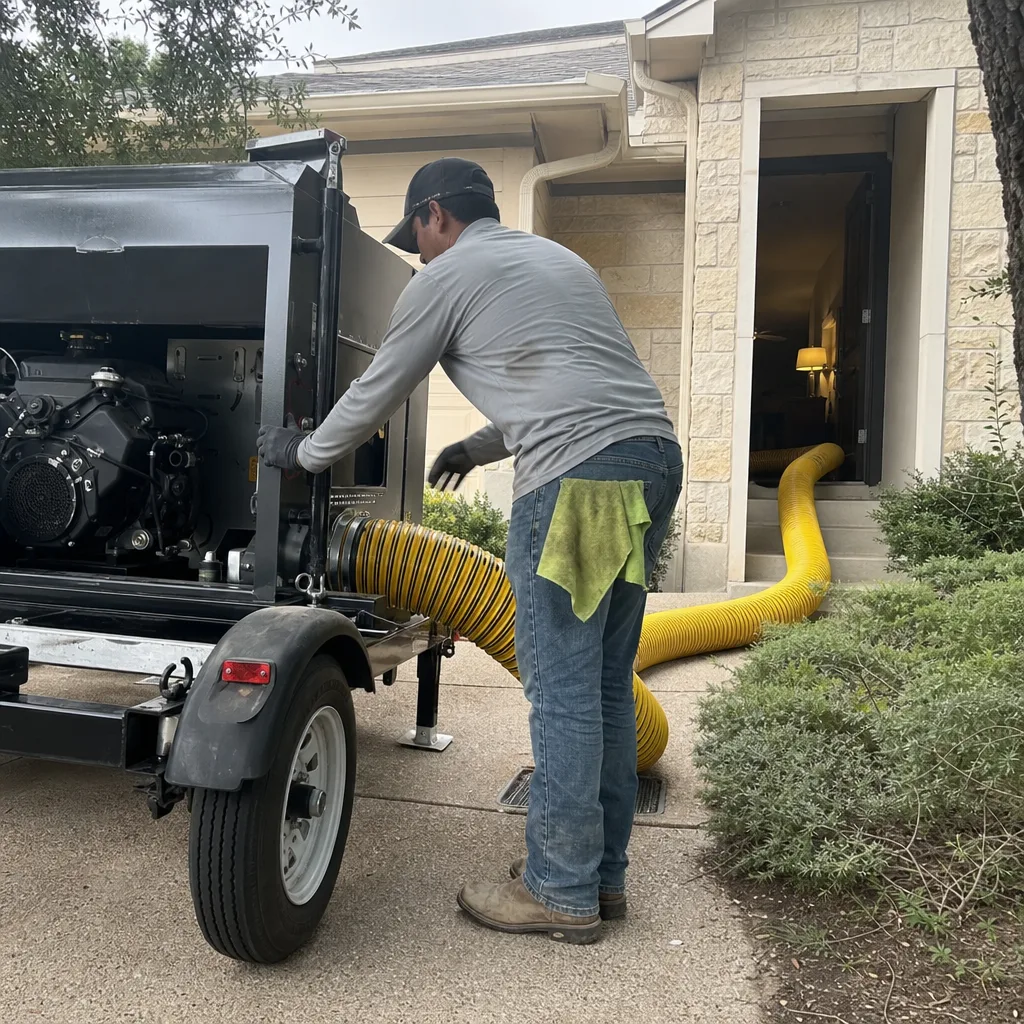
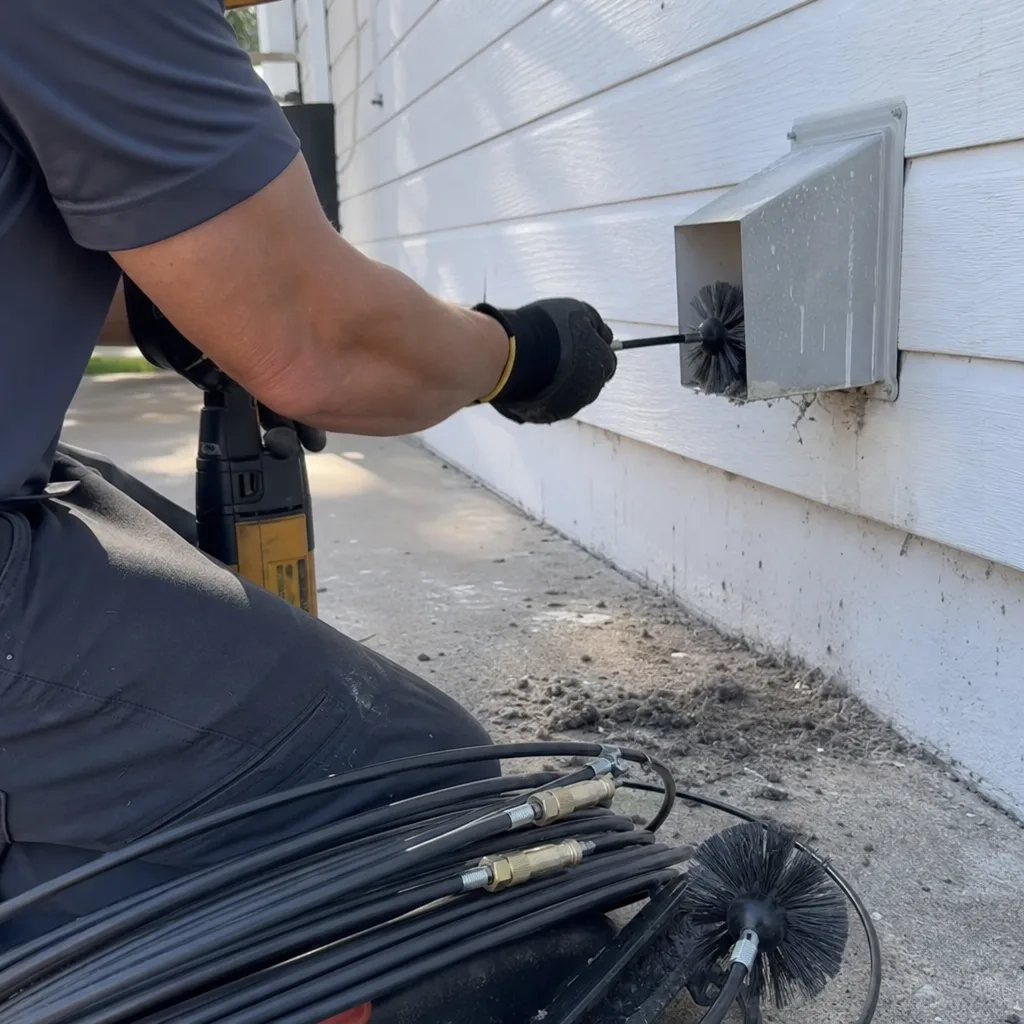
That "$99 whole-house special" is a bait ad - the real number appears once they are in your hallway, or the "clean" is a shop-vac at the register. We photograph the inside of your ducts before and after instead.
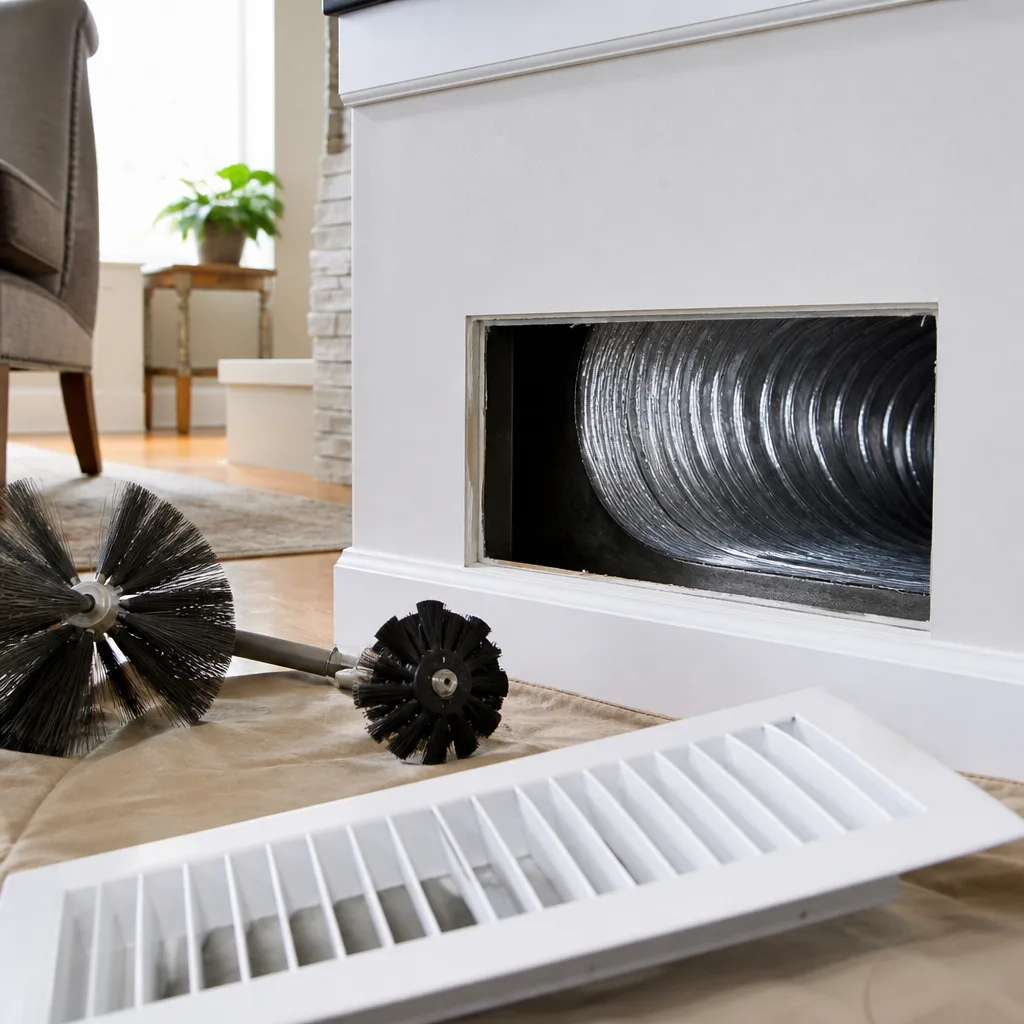
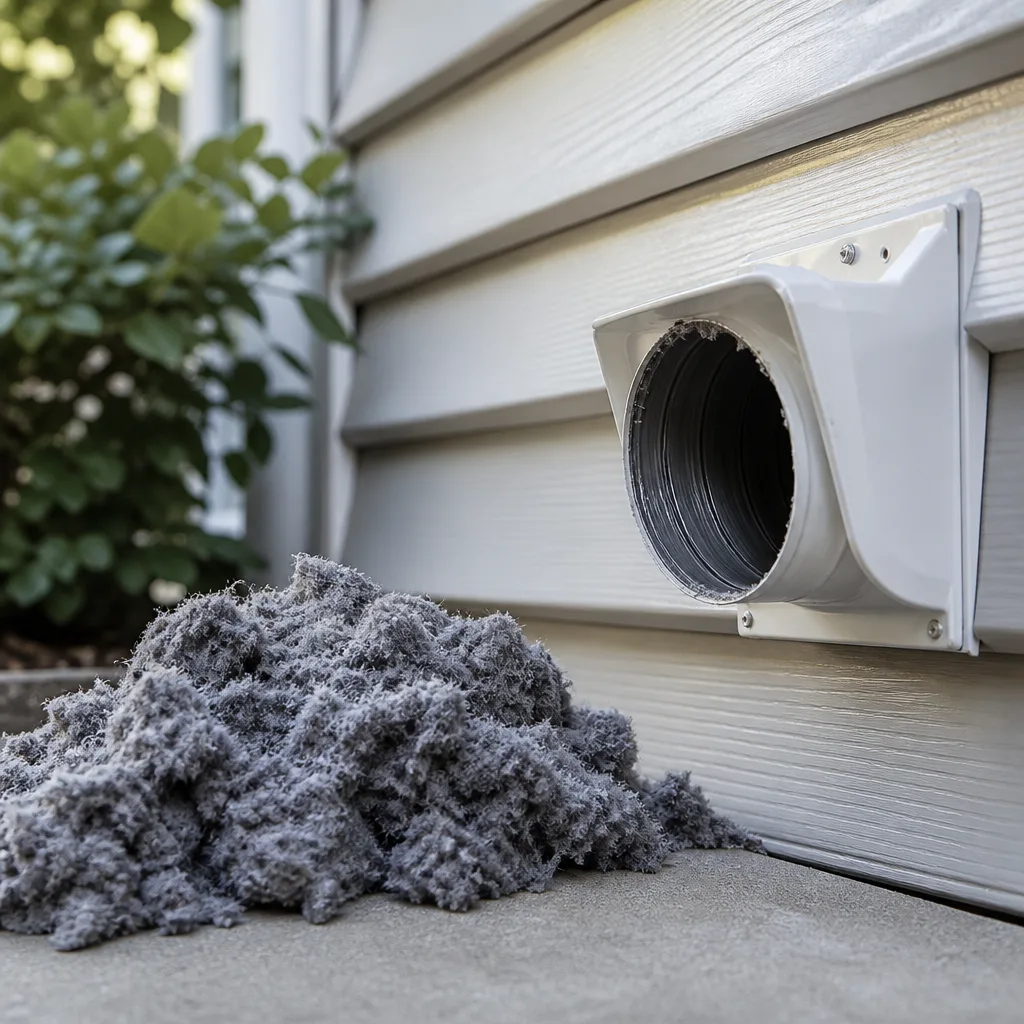
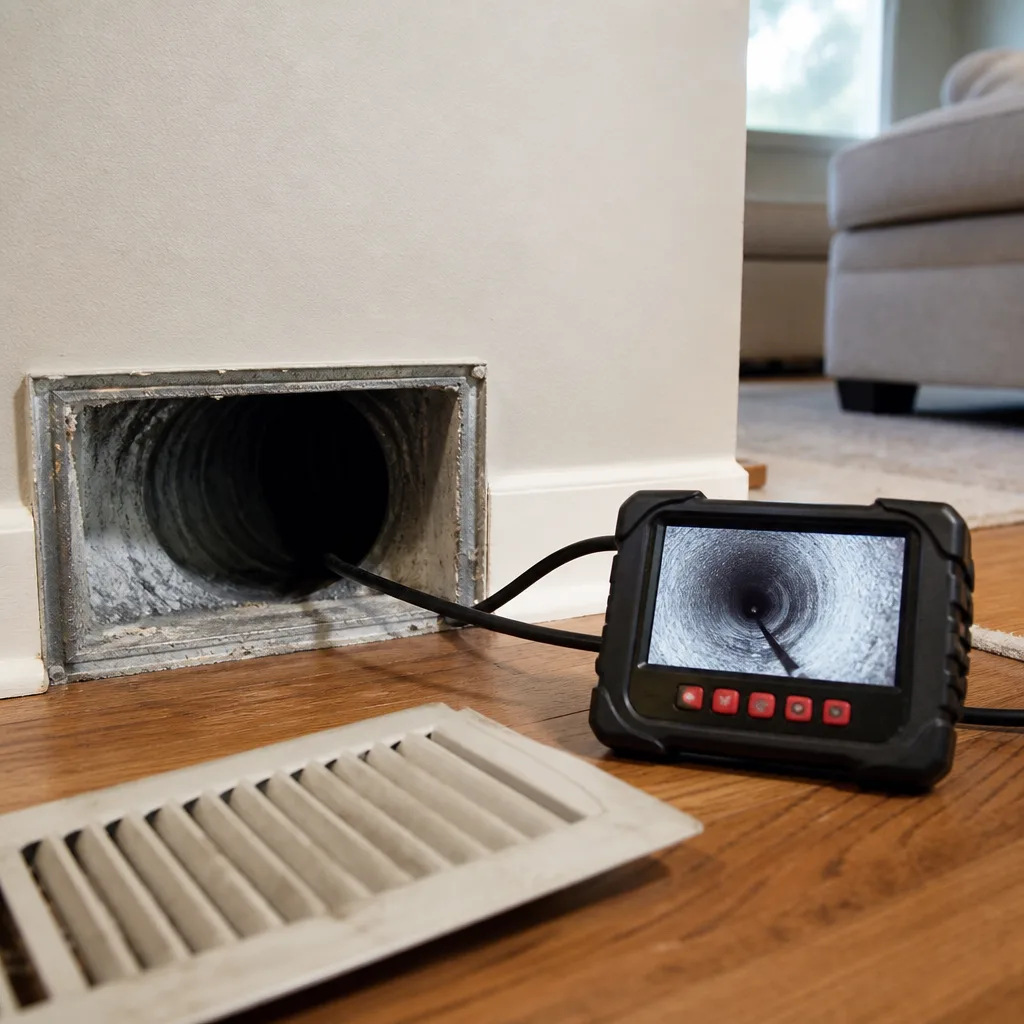
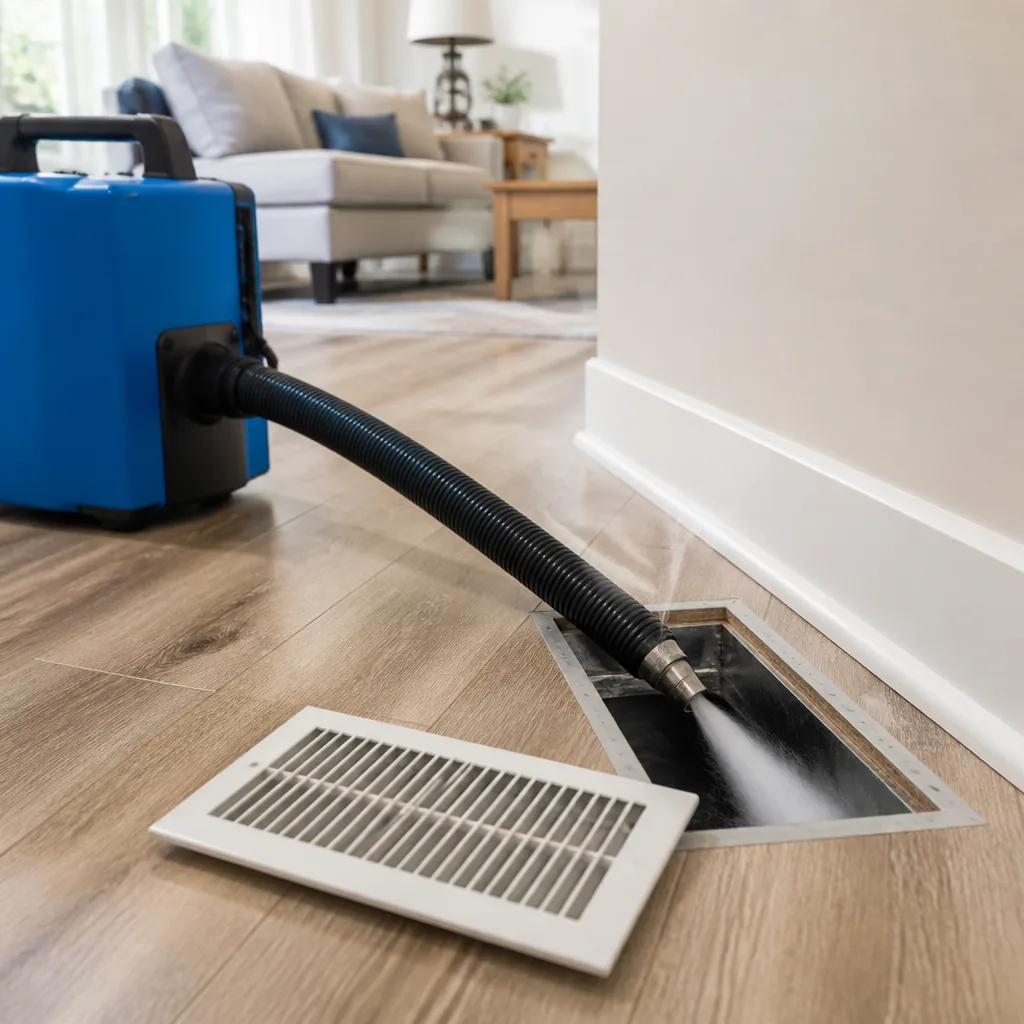
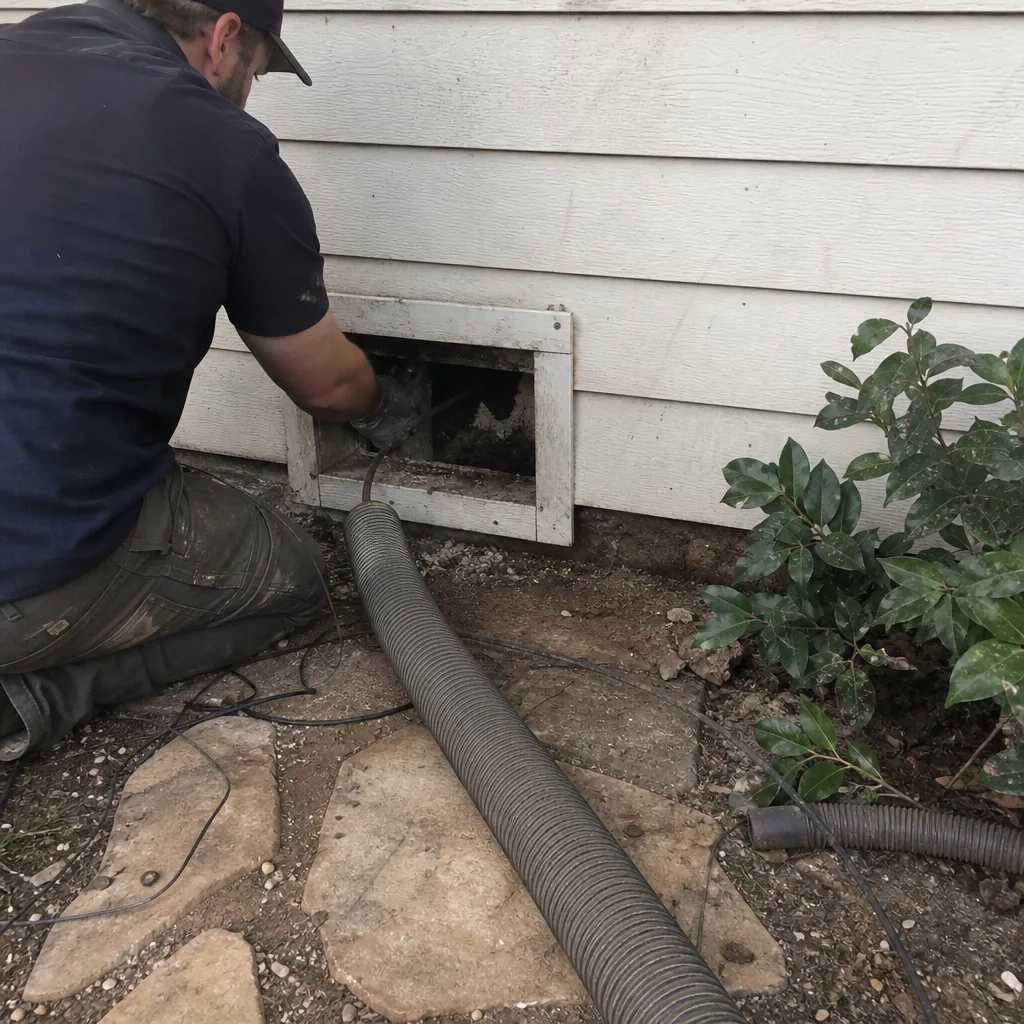 Before
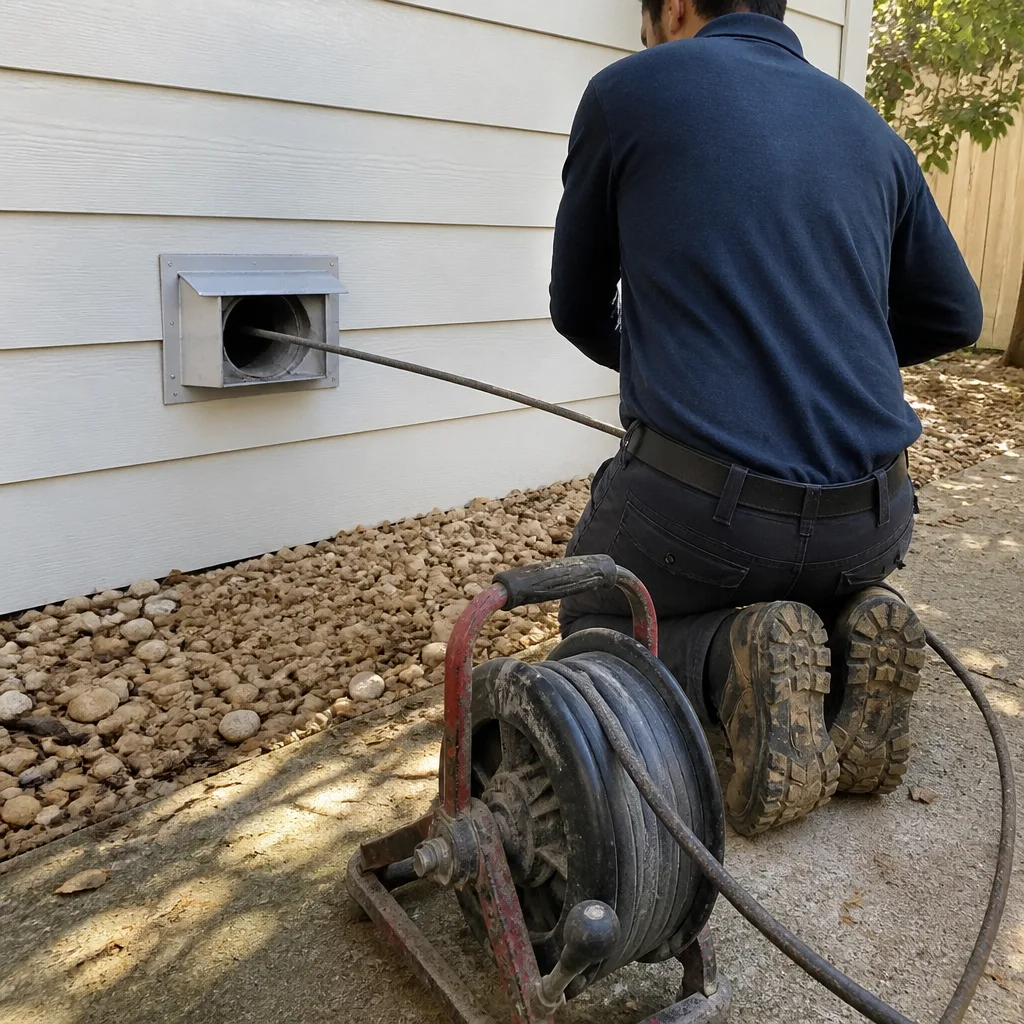 After
After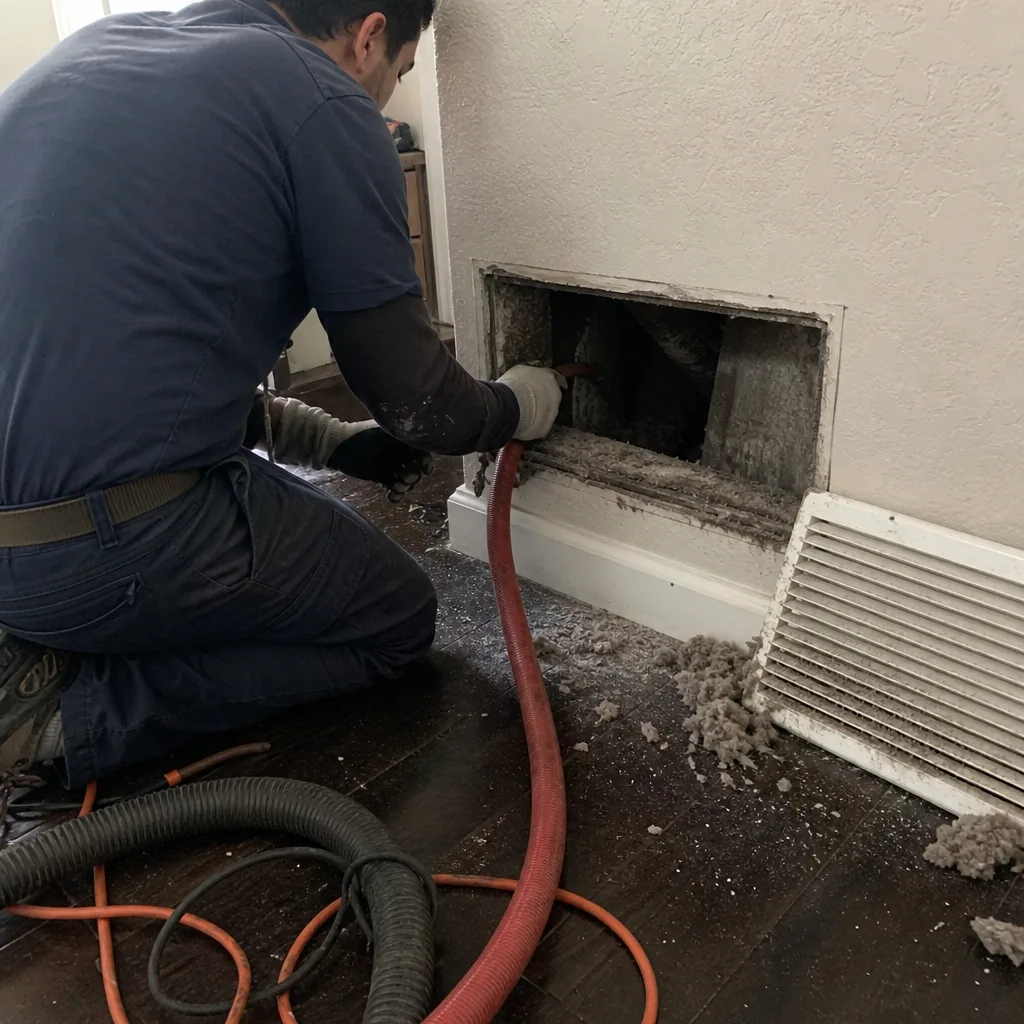 Before
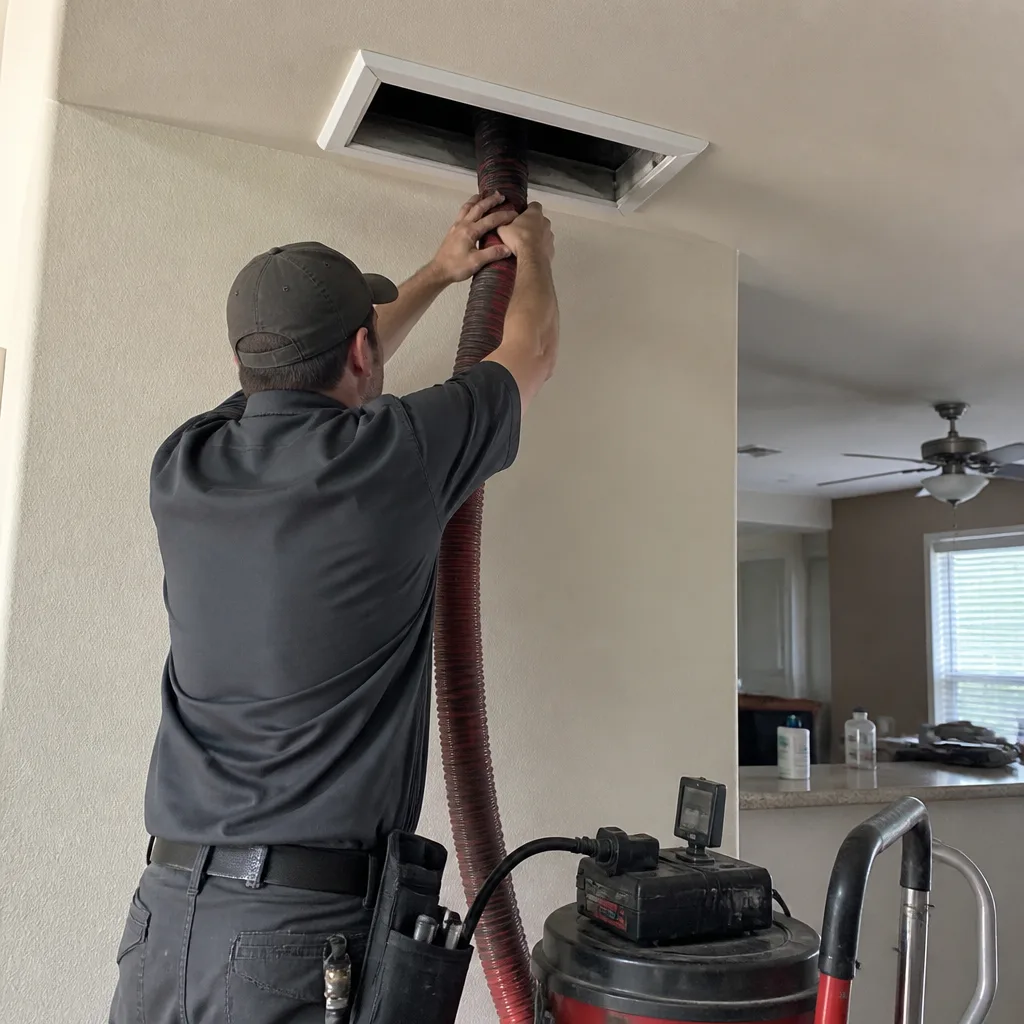 After
After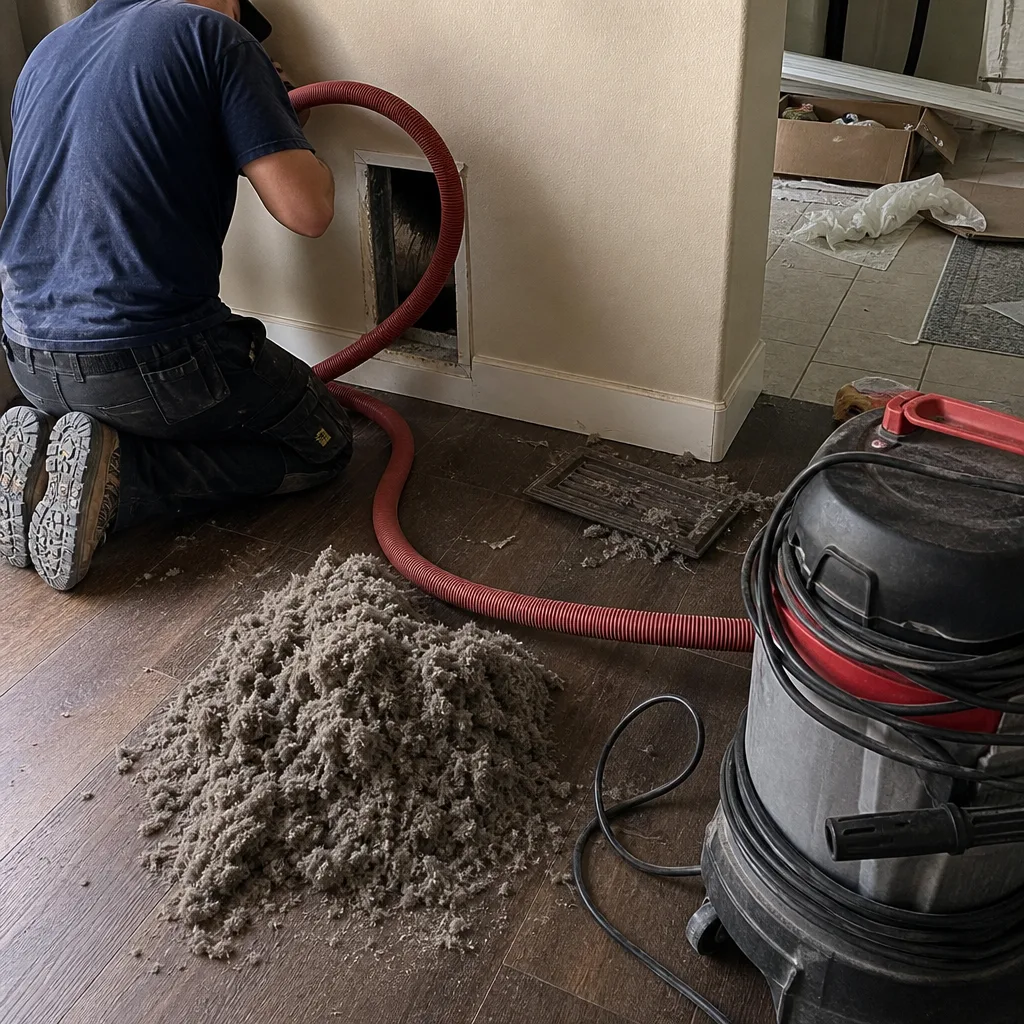 Before
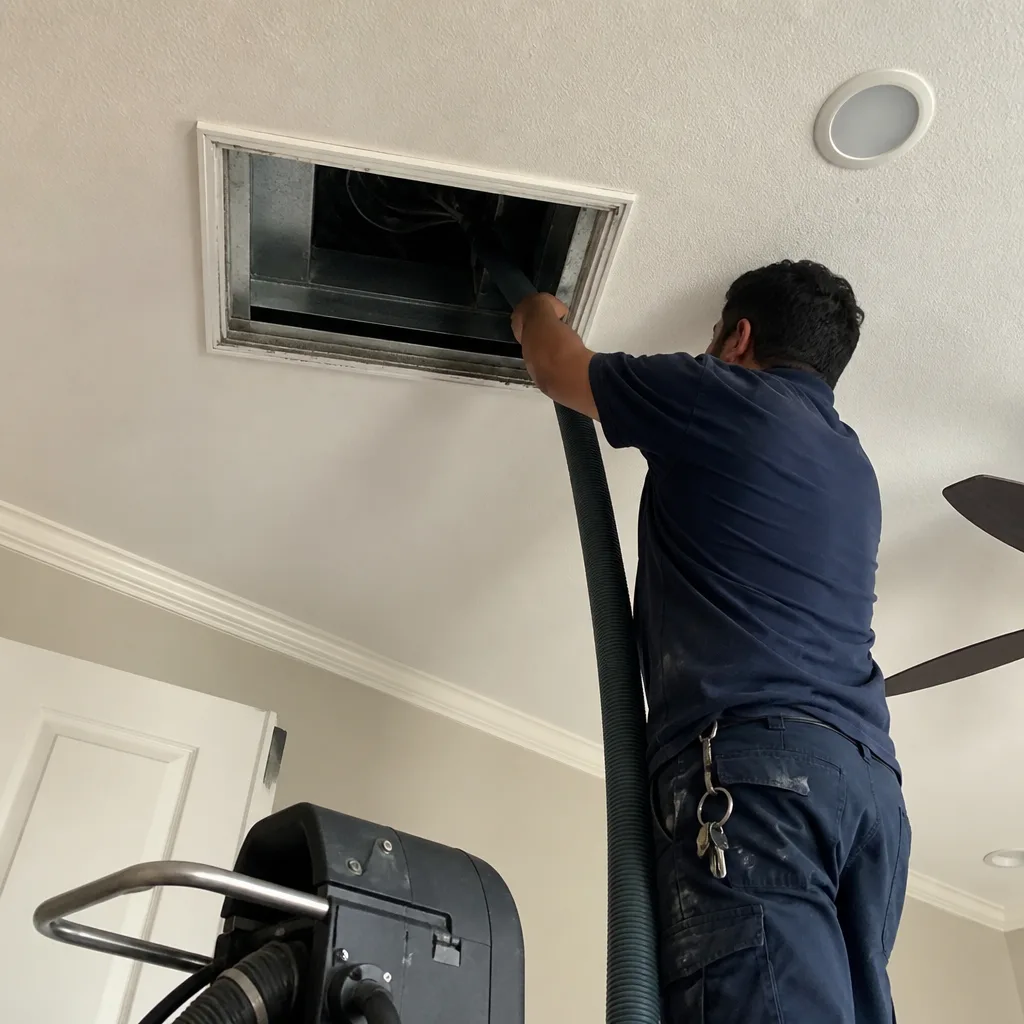 After
AfterHow Much Does Duct Repair & Sealing Cost in Austin?
Our Duct Repair & Sealing services in Austin, TX typically cost between $350 and $1,200 for a standard single-story home, with most jobs landing in the $450-$800 range when the damage is isolated to a few runs or connections. Two-story homes, homes with attic-mounted systems in our brutal Central Texas heat, and systems with significant disconnections or long-term debris accumulation can push totals toward $1,500 or higher. Every quote from CleanRun is written and delivered before any work begins – no “we’ll figure it out once we’re inside” pricing, ever.
Duct Repair & Sealing Cost Breakdown (2026)
Below are real price ranges for the Austin market as of 2026. These reflect what CleanRun quotes on actual jobs – not national averages pulled from aggregator sites that have never sent a truck to a home in Pflugerville or South Lamar.
| Service | Typical Austin Price Range | Notes |
|---|---|---|
| Single duct connection repair (1-2 joints) | $150 – $280 | Common at plenum-to-trunk connections and first elbows |
| Mastic sealant application (per run) | $85 – $175 per run | Applied by hand and brush; not spray-and-walk-away |
| Foil-tape sealing (minor gaps, per zone) | $75 – $140 | UL 181-rated tape only; not hardware-store duct tape |
| Full attic duct sealing (single-story, 1,500-2,000 sq ft) | $480 – $850 | Standard in Buda, Kyle, and older South Austin builds |
| Full attic duct sealing (2,000-2,800 sq ft) | $750 – $1,200 | Larger trunk systems or multi-zone layouts |
| Disconnected duct reattachment (per section) | $180 – $350 | Found frequently in attic systems after pest intrusion or settling |
| Flex duct replacement (per 10-foot run) | $220 – $400 | Crushed or kinked flex duct is common in Round Rock and Cedar Park builds from the early 2000s |
| Aeroseal duct sealing (whole-home) | $1,200 – $2,200 | Pressurized aerosol sealant; appropriate for inaccessible runs |
| Boot-to-drywall seal (per register) | $35 – $65 per boot | Often overlooked; a common air bypass point in slab homes |
| Full duct system inspection + written report | $120 – $220 | Includes camera documentation; credited toward repair cost if work is booked |
What moves a job toward the lower end of these ranges: accessible attic, newer flexible ductwork in decent condition, and damage confined to two or three connection points. What pushes it higher: a two-story home in North Austin or Mueller where the system is split between attic and interior chases, significant debris accumulation inside the ductwork that has to be cleared before sealing can begin, or an older system where previous “repairs” used non-rated tape that has since failed and left gaps at multiple joints simultaneously. We photograph every run before touching it, so when we hand you the written scope and price, you’re looking at the same images our technicians are looking at – not a verbal description of a problem you can’t verify.
What Affects Duct Repair & Sealing Pricing in Austin
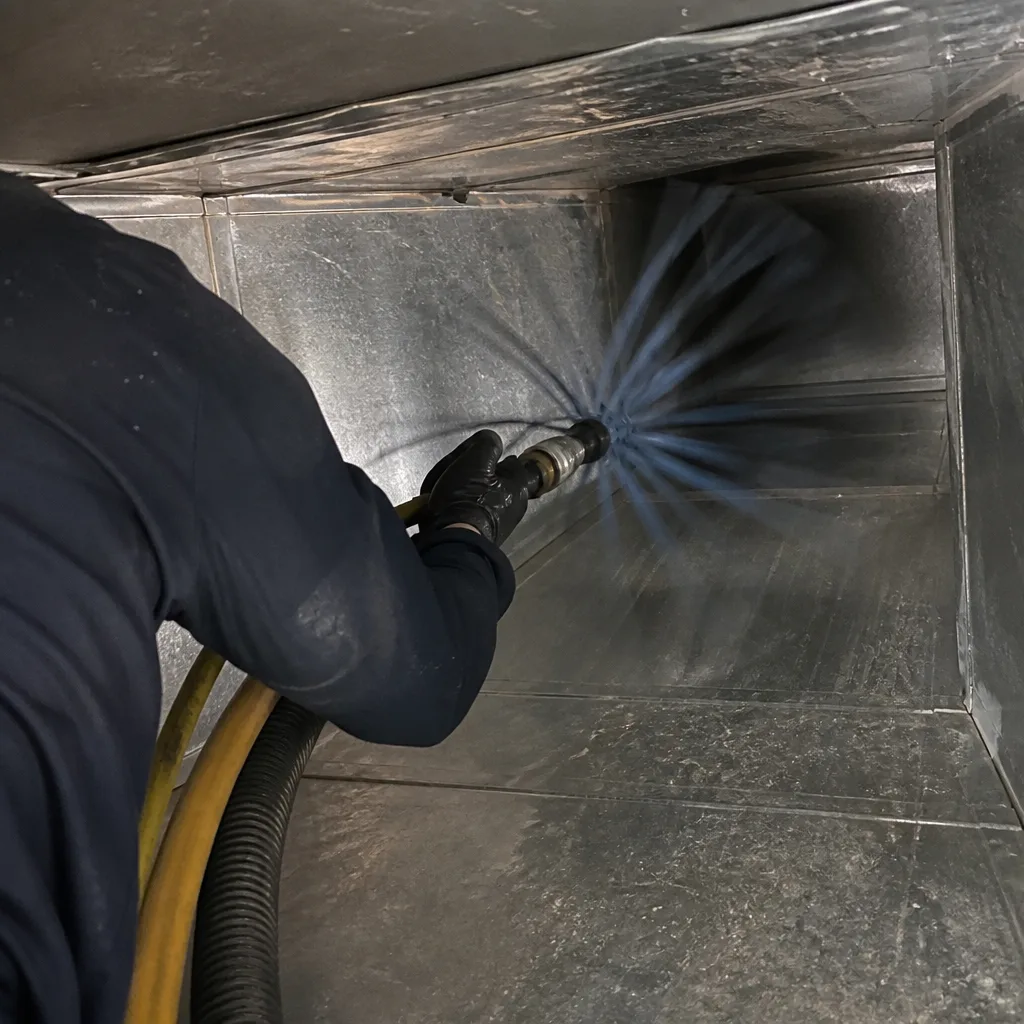
- Attic temperature and access difficulty. Austin attics routinely hit 140-160°F from June through September. Technicians working in that heat can only stay in the space for limited stretches, which adds time to any job that requires attic work. Homes in Steiner Ranch, Westlake, and similar hill-country areas with steep roof pitches and cramped attic space cost more to service than single-story slab homes in Pflugerville or Hutto with open, flat attics.
- Duct material and age. Flex duct installed before 2005 tends to be thinner-walled and degrades faster under UV and heat exposure in attic-mounted systems. Sheet metal trunk lines are more durable but harder to access and seal at joints. Fiberglass duct board, common in some 1990s-era builds in Hyde Park and Crestview, requires a different sealing approach and occasionally needs board replacement rather than sealing alone.
- Number and location of leaks. A system losing conditioned air from two joints near the air handler is a two-hour job. A system where the camera shows micro-gaps at every trunk-to-branch connection – which we see regularly in homes built during Austin’s construction boom of 2000-2008 – is a full-day job. Aeroseal becomes cost-competitive when leak points are distributed throughout inaccessible runs.
- Pest intrusion damage. In the Barton Hills, Travis Heights, and Tarrytown areas, we regularly find flex duct that has been chewed by rodents seeking nesting material. This requires section replacement, not just sealing, and the cost reflects actual material and labor rather than a patch. A patch over rodent damage will fail.
- Whether cleaning must happen first. Sealing a duct run with 2-3 inches of debris at the first elbow traps that debris permanently and reduces airflow. In those cases – more common in homes that have never had duct cleaning done – the cleaning work has to precede the sealing. Our Duct Repair & Sealing in Austin page explains how we sequence these jobs and what the combined scope typically looks like.
- System size and zone count. A 1,600-square-foot home in East Austin with a single-zone system is a simpler scope than a 3,200-square-foot home in Avery Ranch with two air handlers and three zones. More trunk lines, more branches, and more connection points mean a larger written scope and a higher total – but the per-connection cost generally holds within the ranges listed above.
BeforeAfterAustin-Specific Conditions That Drive Repair Costs Up
Austin is not a generic market for duct work. A few conditions here make this service category behave differently than it does in cooler or drier climates, and ignoring them is how you end up with a repair that fails before the next cooling season.
The first is humidity cycling. Central Texas humidity swings from the low teens in January to sustained 80-90% relative humidity during Gulf moisture events in spring and early summer. That cycling causes duct materials – particularly mastic sealant applied incorrectly – to expand and contract at the joints. Mastic applied at the right mil thickness to a clean, dry surface holds through this cycling. Mastic painted over dusty flex duct in a hurry does not. We photograph the surface before application so there is a documented record of prep quality, not just finished product.
The second is the sheer heat load on attic-mounted systems. Austin averages 75-80 days above 100°F in a typical summer. A duct system losing 20-30% of conditioned air through unsealed joints – which is common; the EPA’s own estimates put average leakage in U.S. homes at 20-30% – is fighting that heat load with a significant handicap. Sealing those ducts is not a comfort upgrade; it’s a mechanical correction. The energy savings in an Austin home are proportionally larger than they would be in Chicago or Portland because the system runs so much harder and longer.
The third is soil movement. Austin sits on expansive clay soils – particularly in areas like South Austin, Brentwood, and Allandale – that shift seasonally with moisture levels. That movement affects slab foundations and, in homes with duct runs in the floor chase or in interior soffits, it can open joints that were originally sealed. We see this pattern in homes built in the 1980s and 1990s in central Austin neighborhoods, and it’s worth camera-checking those joints even on systems that were sealed in the last five years.
How to Save on Duct Repair & Sealing in Austin
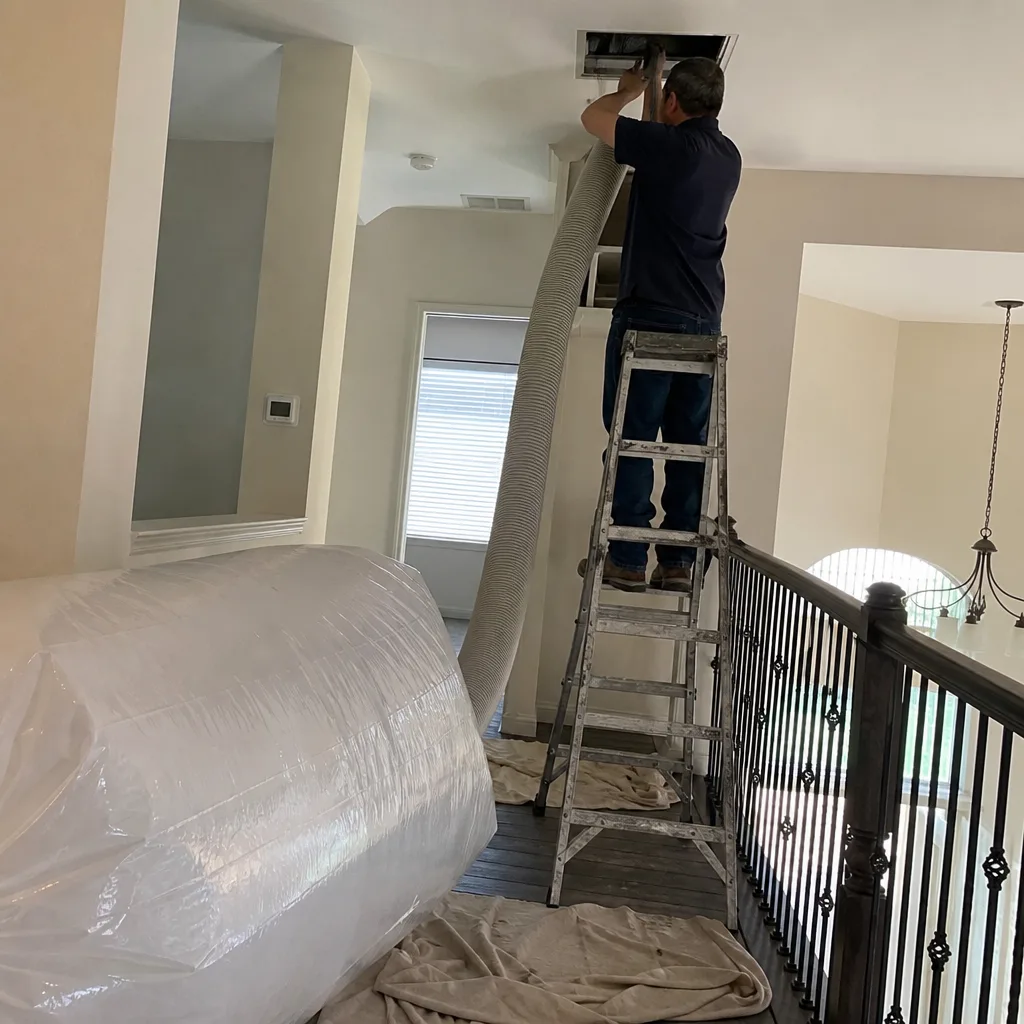
The biggest money-saving move is also the most obvious: get the written price before the crew touches anything. CleanRun’s pricing model under Haven Standard Clause 1 means the scope and cost are documented and in your hand before a single panel comes off. That protects you from the jobs that start at one price and end at a significantly different one because “we found more damage once we got in there.” A written scope means the scope is agreed, not estimated verbally.
A few other approaches that actually move the number:
- Combine services on a single visit. If you’re scheduling duct sealing, having duct cleaning done at the same visit – when it’s needed – avoids a second mobilization charge and reduces total labor time. The crews are already set up; running both scopes together is more efficient than two separate jobs.
- Get a free second opinion on any written estimate. CleanRun puts its price next to a competitor’s written quote at no cost. If you have a quote from another Austin company, call (737) 243-9544 and we’ll give you a written comparison. This costs you nothing and tells you immediately whether the first quote is competitive or not.
- Ask specifically about boot sealing. Boot-to-drywall sealing at every register is often a small line item ($35-$65 per boot) that produces a disproportionate improvement in air bypass – conditioned air escaping around the boot rather than through the register. Homes where this hasn’t been addressed are leaving a measurable amount of cooling capacity in the wall cavity. It’s easy to overlook in a larger scope estimate but worth asking about.
- Don’t defer leaks in attic-mounted systems past spring. This is not urgency theatre – it’s an Austin-specific mechanical reality. A duct system with 25% leakage running through a 150°F attic in July is pulling unconditioned attic air into the return side and dumping conditioned supply air into the attic. Addressing it in late winter or early spring, before peak cooling demand, avoids having that efficiency loss compound through the most expensive months of your electricity bill.
- Verify the sealant specification before you agree. Ask the company you’re hiring to name the mastic or tape product they use and confirm it carries a UL 181 rating. This is a simple question. A crew using hardware-store duct tape – regardless of what the estimate calls it – is selling you a repair that will fail in two to three Austin summers. CleanRun uses UL 181-rated materials on every job, and the written scope names the materials used.
To get a written price for your specific home – single story or two-story, slab or pier-and-beam, one zone or three – call (737) 243-9544. The estimate is free, and the price you receive is the price of the job.
What the Repair Process Actually Looks Like
Understanding what a legitimate duct repair job involves helps you spot the difference between a real scope and a fast visit with a camera and a verbal summary. Here’s what CleanRun’s process looks like from the first call to the last photo.
The job starts with an inspection. A technician photographs the interior of every duct run – plenum, trunk lines, branches, and boot connections – using a camera that produces a documented record. “Plenum” is the large distribution box connected directly to your air handler; “trunk lines” are the main rectangular or round runs that carry air in each direction; “branches” are the flexible runs that peel off the trunk to reach each room. The photos go into a job record that you receive when the crew leaves.
The written scope comes next, before any work. The scope names the specific runs, connection points, and sealant method for each location – mastic for connection joints, UL 181 foil tape for smaller surface gaps, section replacement where flex duct is kinked or rodent-damaged beyond repair. The total is on that document. You approve it or you don’t, and CleanRun goes from there.
During the repair, the crew works from the inside out – clearing debris at any joint before sealant is applied, applying mastic at the correct thickness and surface condition, and photographing each sealed connection after completion. The Documented Photo Record includes before and after images of every location in the scope, delivered to the customer as a standard part of the job – not a paid add-on.
The 365-Day Done Right Promise is written on the job record. If a sealed joint fails within 365 days, CleanRun makes it right. That’s not a verbal assurance – it’s a written term on the document you receive at the end of every job.
FAQs – Duct Repair & Sealing Cost in Austin
How much does duct sealing cost in Austin, TX?
Most Austin homes fall between $450 and $1,200 for duct sealing, depending on home size, system layout, and the number of leak points. A single-story slab home in Pflugerville or Leander with two or three compromised connections might be resolved for $350-$480. A two-story home in Steiner Ranch or Lakeway with an attic-mounted system and distributed micro-leaks could reach $1,200 or more. Whole-home Aeroseal jobs – where the duct system is pressurized and sealed with aerosolized polymer – typically run $1,200-$2,200 and are most appropriate when leak points are in inaccessible runs. Call (737) 243-9544 for a written price specific to your home – no estimate required before you get a number.
Is duct sealing worth the cost in Austin?
In most Austin homes, yes – with the caveat that the payback period depends on your current leakage rate. A system with 25-30% duct leakage in an Austin climate with 75+ days above 100°F is adding materially to a cooling bill that’s already high. The Department of Energy estimates that duct sealing in leaky systems can reduce HVAC energy use by 20% or more. At Austin Energy’s rates, that translates to meaningful annual savings on a 2,500-square-foot home running the system eight months a year. We can tell you the documented leakage percentage after inspection – not an estimate, a measured figure – so you can do that math yourself before agreeing to a scope.
How long does duct repair take?
A repair covering two to four connection points typically takes 2-4 hours, including inspection, documentation, and sealing. A full attic duct sealing job on a 2,000-2,500-square-foot home runs 4-7 hours, including pre-work photography, surface prep, sealant application, and post-work documentation. Flex duct section replacements add time based on run length – figure 45-90 minutes per 10-foot section in a standard attic. Jobs requiring cleaning before sealing add roughly 2-3 hours for the cleaning scope. You’ll receive a time estimate in the written scope before work starts.
What’s the difference between duct sealing and duct replacement?
Sealing addresses gaps, cracks, and failed joints in an otherwise structurally sound duct system. Replacement is necessary when the duct material itself has degraded – flex duct with collapsed inner liner, fiberglass duct board with compromised facing, or sections with rodent damage covering more than a few inches. In practice, most Austin homes built after 1995 need sealing at connections and joints rather than full replacement. Homes with original flex duct from the late 1980s or early 1990s sometimes need replacement in specific runs. The camera inspection determines which is appropriate at each location – we document both conditions in photos so the recommendation is visible, not verbal.
Can I seal my own ducts to save money?
For accessible boot-to-drywall connections and visible joints near the air handler, a homeowner comfortable in an attic can apply UL 181-rated mastic or foil tape to minor gaps. The materials are available at building supply stores and the application is straightforward on a clean, accessible joint. What a DIY approach cannot address: pressurized Aeroseal jobs, joints deep in the duct run that require equipment to reach, debris-blocked connections where material needs to be cleared first, or any work inside the air handler cabinet itself. If you’re not sure whether a gap is a surface seal or a structural issue, the inspection and written report ($120-$220) tells you exactly what you’re working with before you spend anything on materials or labor.
Does CleanRun offer free estimates for duct repair in Austin?
Yes – the written price is always free, and it’s always delivered before any work begins. That’s Haven Standard Clause 1, applied on every job without exception. If you have a written quote from another Austin company, CleanRun will put its own written price next to it at no cost. Call (737) 243-9544 and a live person will answer – not a call center, not a voicemail system.
Key Takeaways
- Most Austin homes pay $450-$1,200 for duct sealing; two-story homes and whole-system Aeroseal jobs can reach $2,200.
- Austin’s heat, humidity cycling, and expansive clay soils create specific failure patterns that affect sealing longevity – material specification matters.
- A written scope delivered before work begins is the baseline protection against scope creep; CleanRun operates this way on every job under Haven Standard Clause 1.
- Cleaning must precede sealing when debris blocks joints – sealing over debris traps it permanently and reduces airflow.
- The Documented Photo Record – before and after, every run – is a standard deliverable, not an upgrade, on every CleanRun job.
- All jobs are backed by the 365-Day Done Right Promise, in writing on the job record.
- Free second opinion on any written estimate – call (737) 243-9544.
Get a Written Price for Your Austin Home
If your home is in Austin, Cedar Park, Round Rock, Pflugerville, Buda, Kyle, or anywhere in the metro, the process starts with a free written estimate – not a ballpark, a documented price you can hold us to. CleanRun Air Duct Cleaning Austin has served more than 52,000 homes since 2013, every one with a written price delivered before a panel came off and a documented photo record when the crew left. To schedule your inspection and receive a written scope for your specific home, call (737) 243-9544. A live person picks up every time.
You can also review our full service offering on the home page, or go directly to the Duct Repair & Sealing in Austin service page to see what the documented repair process looks like from first photo to final seal.
Written by Tomas Reyes, Owner at CleanRun Air Duct Cleaning Austin, serving Austin, TX since 2013.
Pricing reflects the Austin market as of 2026. CleanRun Air Duct Cleaning Austin offers free estimates – call (737) 243-9544.
What Our Customers Say
"On time, professional, and explained what the readings meant without talking down to me."
- Warren E."The dryer vent was almost completely blocked with lint. They showed me the photograph and I understood immediately why the dryer had been running twice."
- Lucia M."They found a disconnected duct in the crawl space that had been dumping conditioned air under the house for years. Photographed it, quoted the repair, fixed it."
- Devon A.