
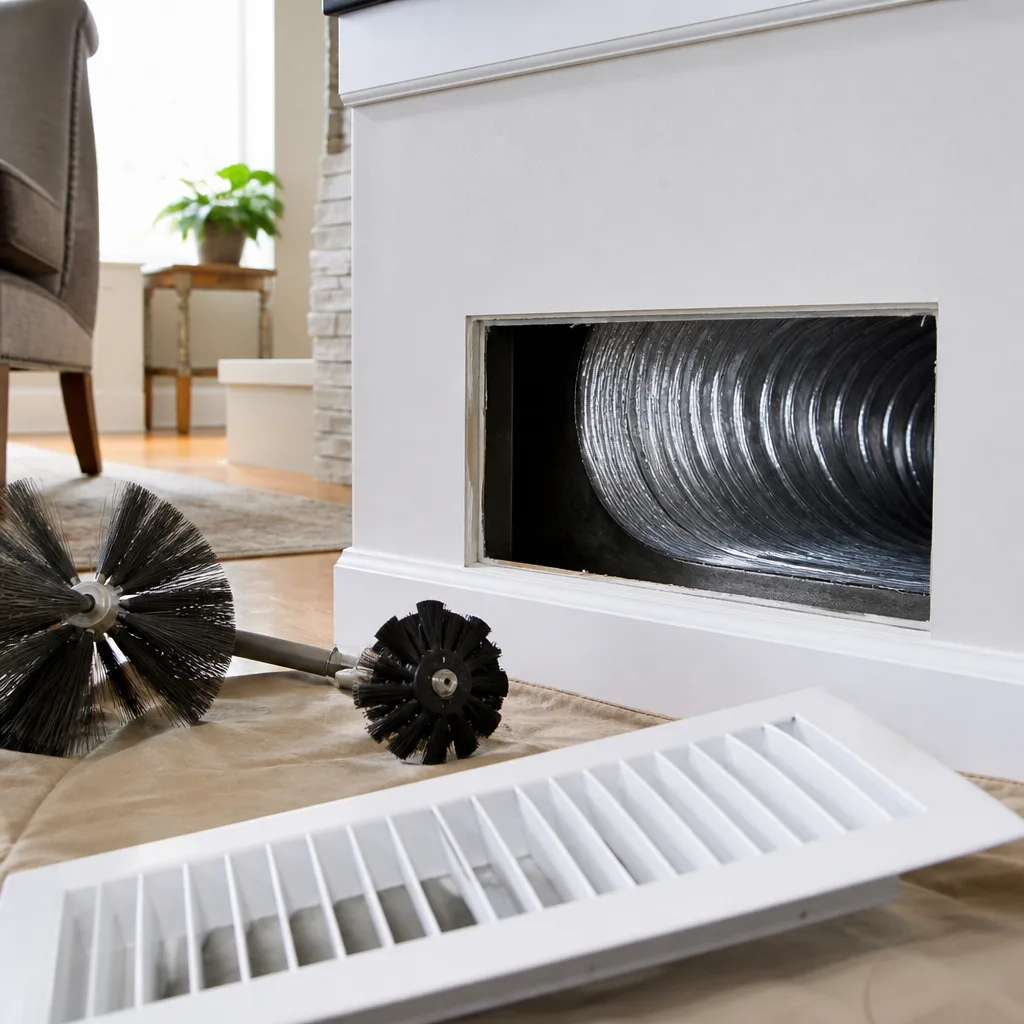
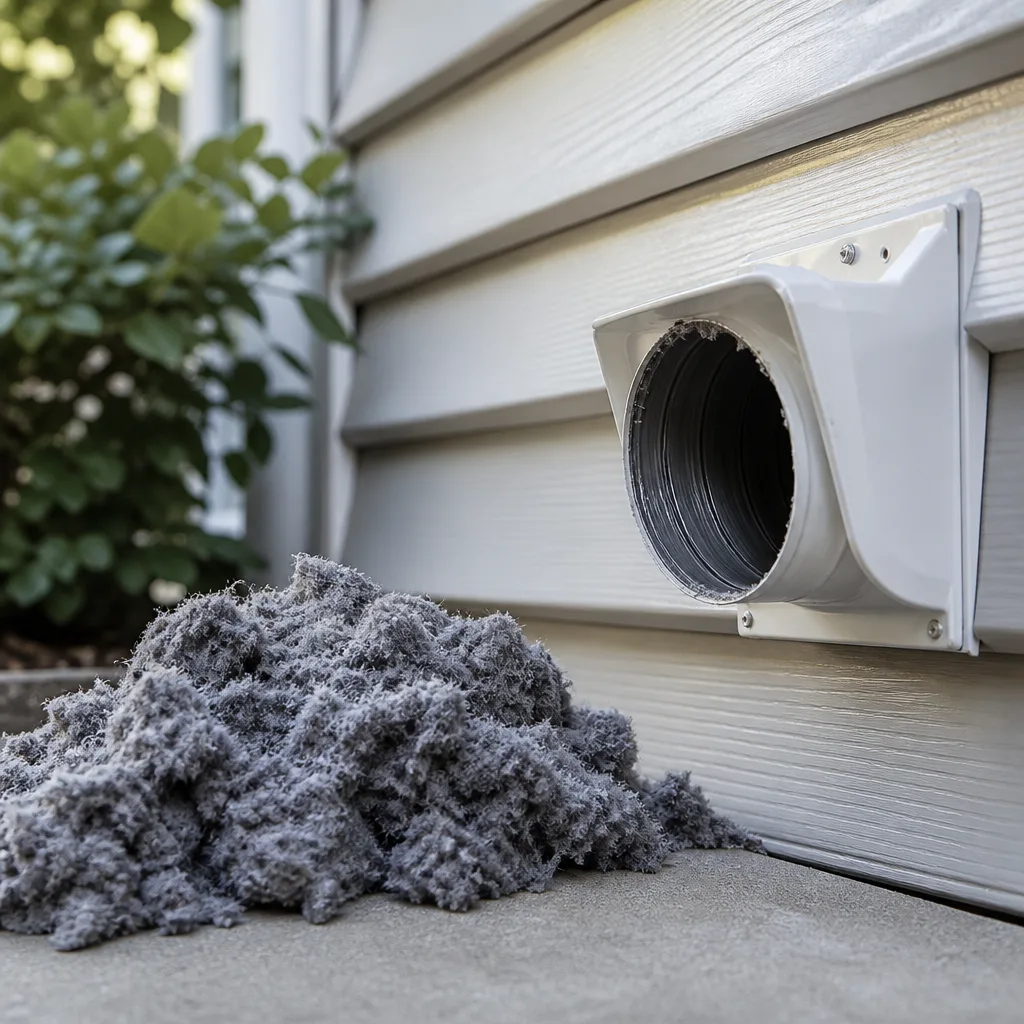
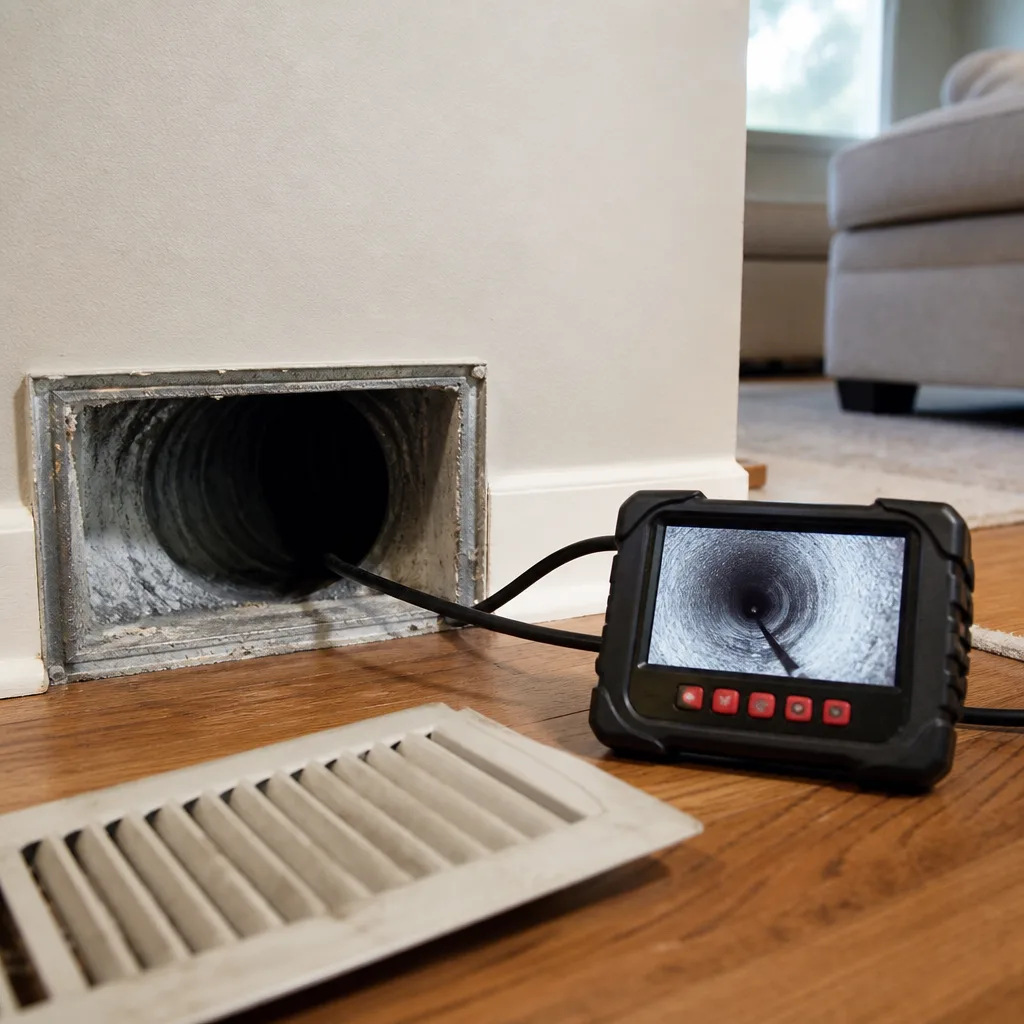
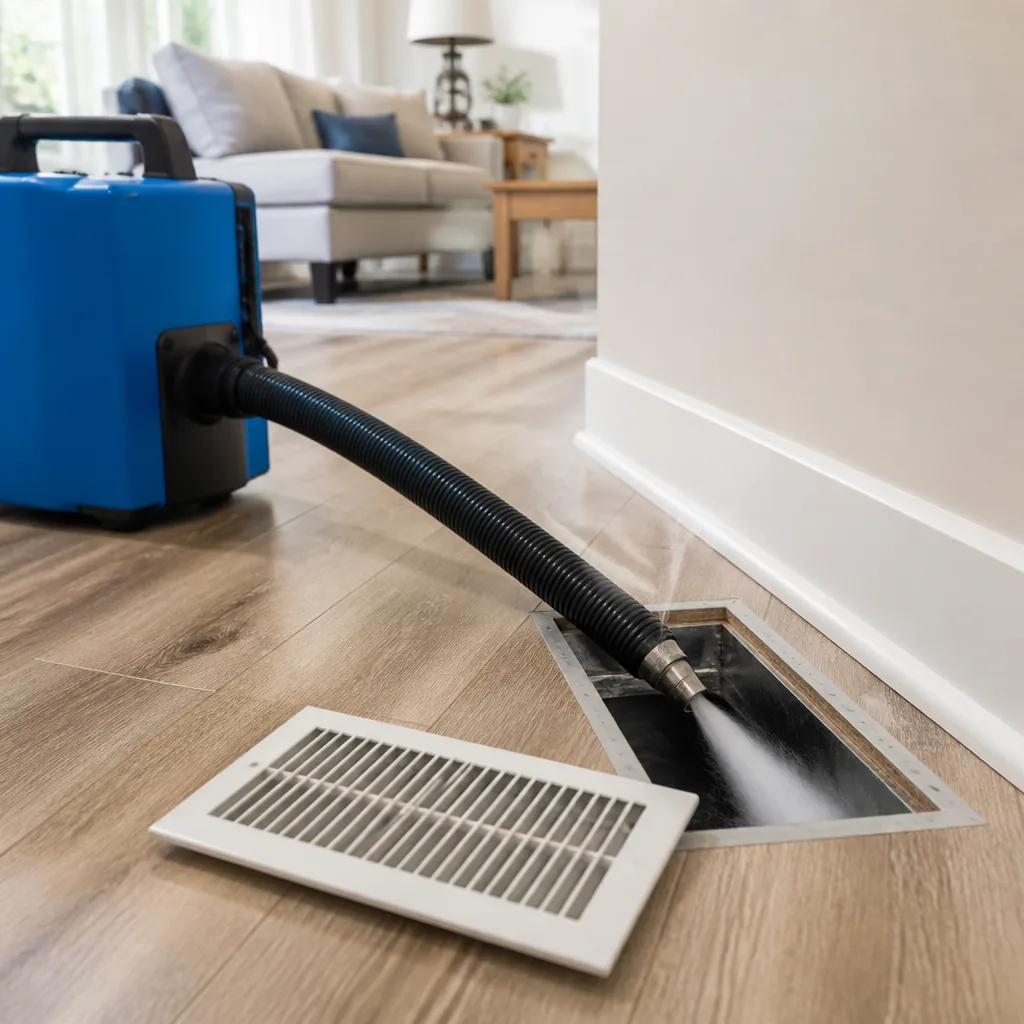
Whole-system duct and dryer vent check with before-and-after photos - you see exactly what came out of your vents
That "$99 whole-house special" is a bait ad - the real number appears once they are in your hallway, or the "clean" is a shop-vac at the register. We photograph the inside of your ducts before and after instead.
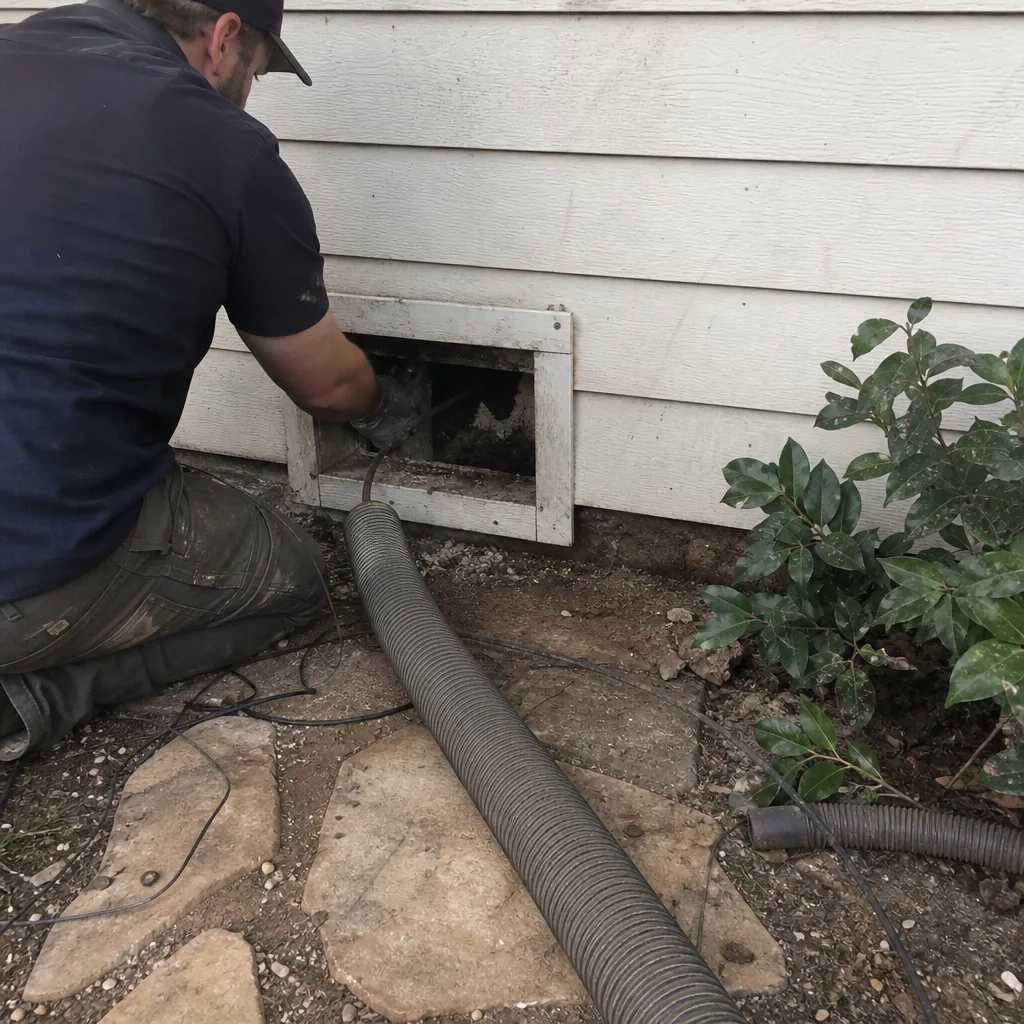 Before
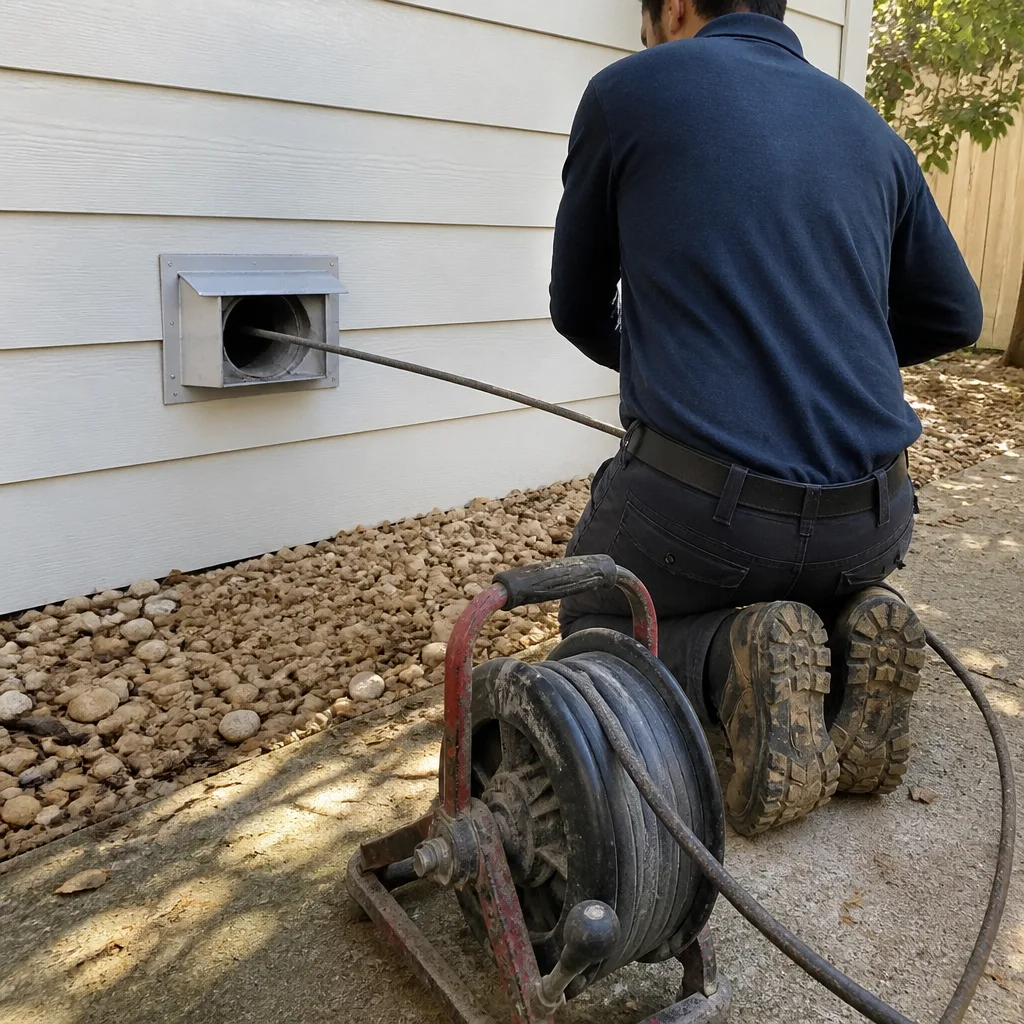 After
After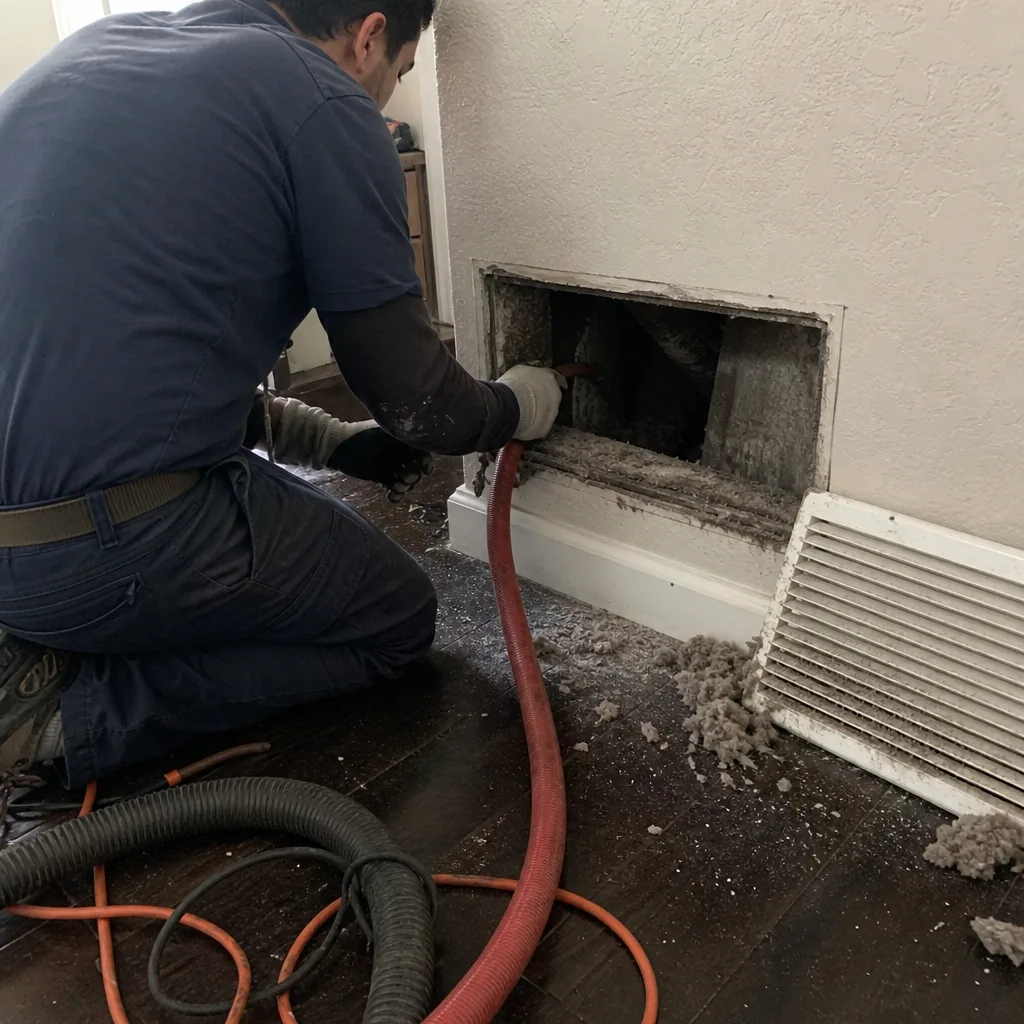 Before
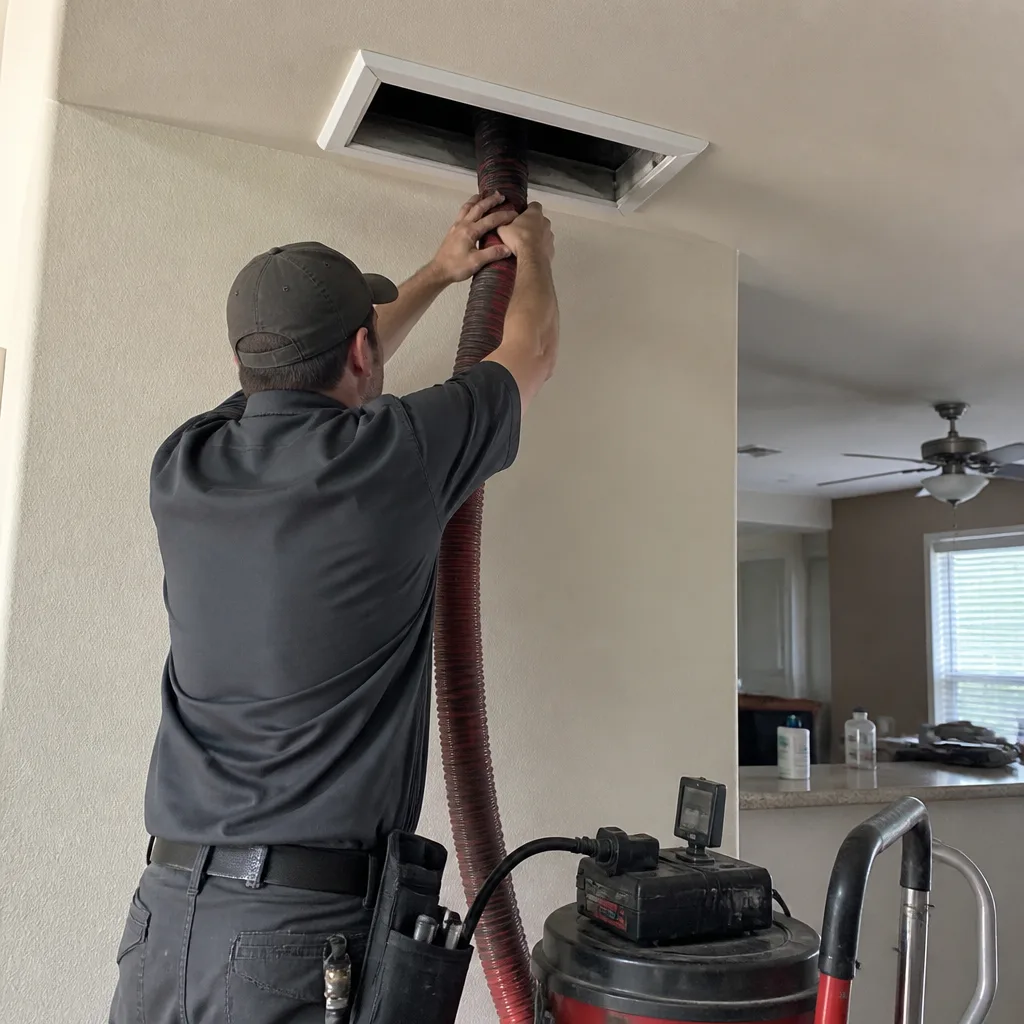 After
After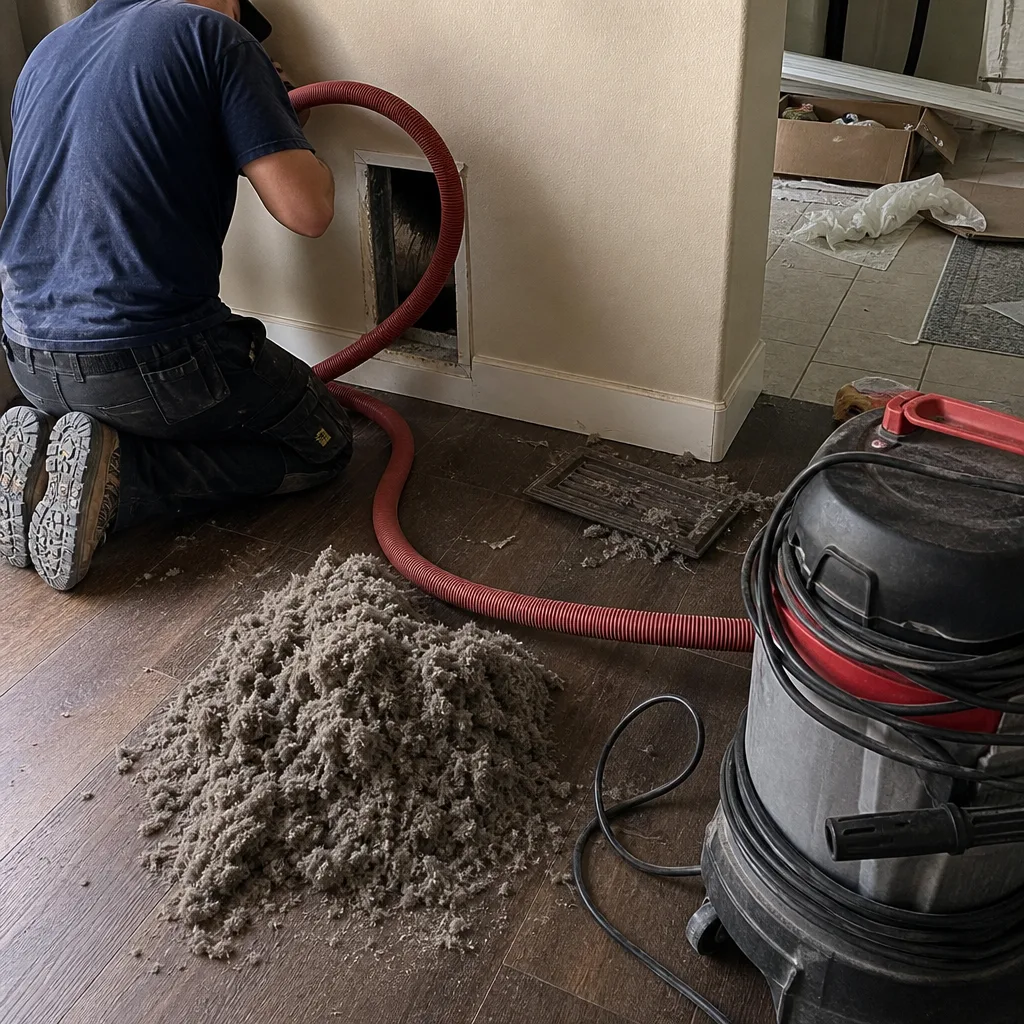 Before
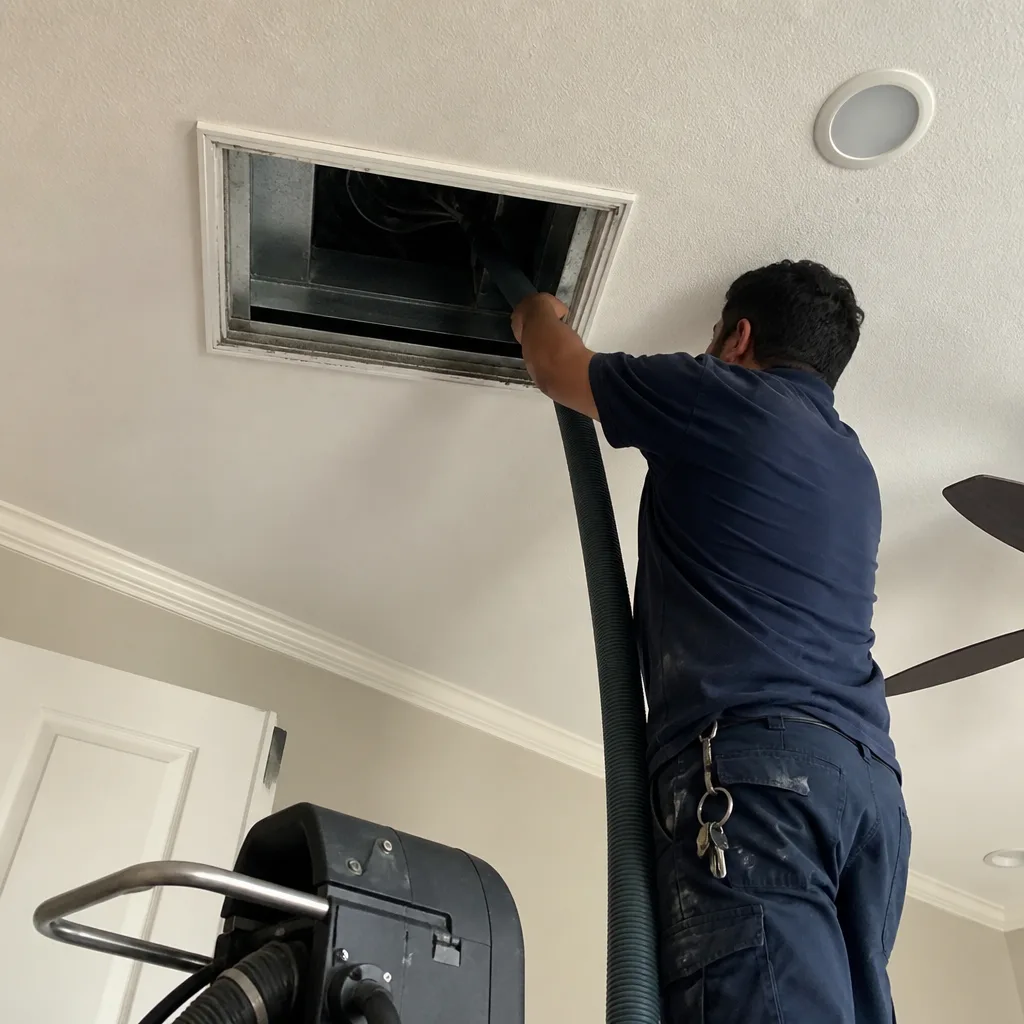 After
AfterRotobrush Coil Cleaning: The Austin Owner’s Guide
Rotobrush coil cleaning in Austin typically runs $340-$580 for a full evaporator or condenser coil service, and we stock the compatible foaming agents, fin combs, and rotary brushes for same-day scheduling when you call before noon. Most owners discover the need after noticing weak airflow from registers, ice forming on the indoor coil, or their AC running continuously during July afternoons without dropping the thermostat setpoint. The coil fins get packed with pollen, construction dust, and the fine limestone sediment that blows through Austin’s Hill Country corridor, choking heat transfer until the system either freezes up or draws excess power.
Which Rotobrush Models This Applies To
Rotobrush builds coil cleaning capability into two main product lines, and the attachment specs differ enough that grabbing the wrong brush head will either strip aluminum fins or leave packed debris at the base of the coil.
- Rotobrush BrushBeast series - Uses a quick-connect 5/16-inch shaft for coil brushes; the standard 8-inch diameter nylon brush fits most residential evaporator coils, though the 10-inch model is what we carry for the deeper A-coils common in Austin homes built 2015-2020 with upflow furnaces in the attic.
- Rotobrush aiR+ XP and Classic models - These require the older threaded 3/8-inch shaft adapter; the coil brush kits are not cross-compatible with BrushBeast without the adapter collar, which we keep on the truck because previous owners often mixed generations of equipment.
The OEM Rotobrush coil brush kit (part R81000-series for BrushBeast, R62000-series for aiR+) runs $45-$80 retail. We also stock a quality aftermarket equivalent from Guardsman that matches the bristle density and shaft spec at roughly half the parts cost, though we disclose which we’re installing before quoting. To identify what you have, check the yellow data label on the vacuum motor housing: “BB” prefix means BrushBeast, “AI” or no prefix means aiR+ generation. The shaft diameter is stamped on the brush collar itself if you have an existing attachment to compare.
CleanRun Air Duct Cleaning Austin is an independent service provider; we are not affiliated with Rotobrush or its parent company. We service what our customers own.
Signs Your Rotobrush Coil Cleaning Is Failing
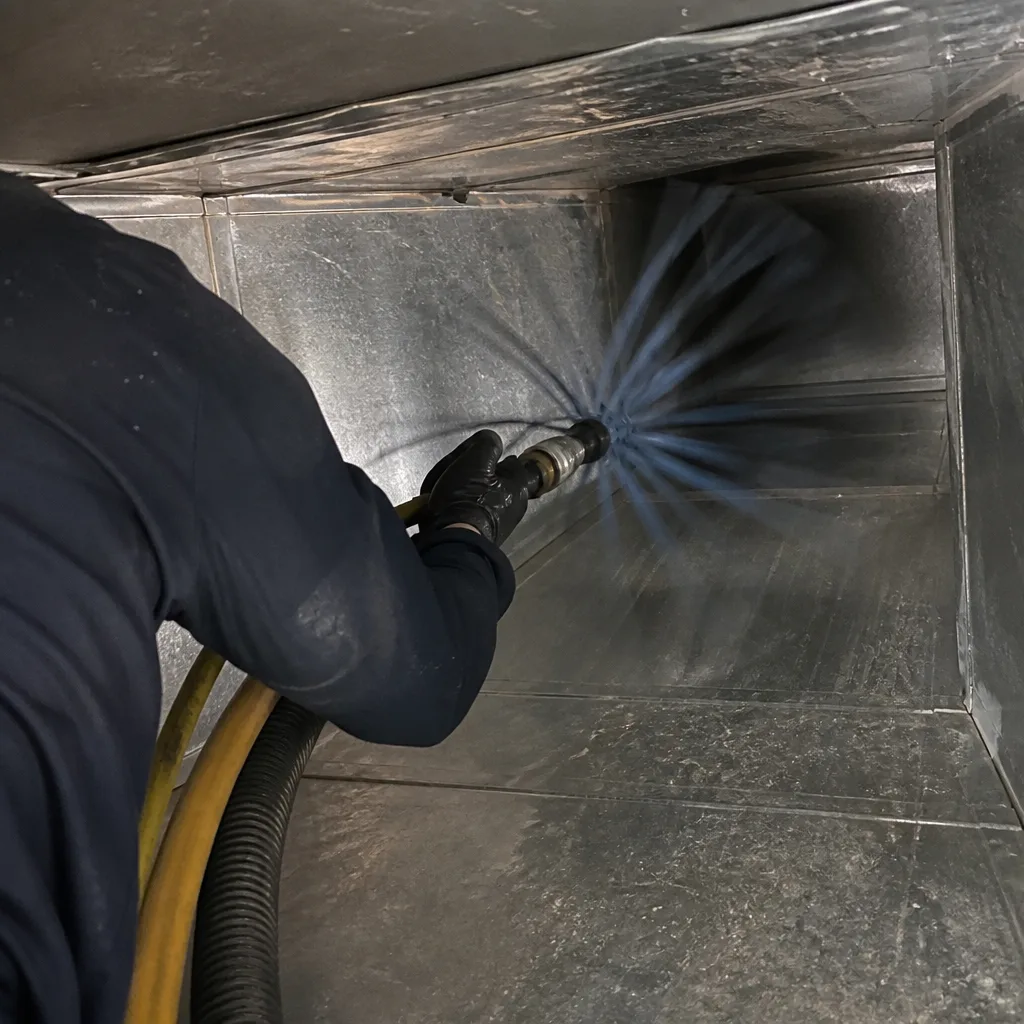
- Weak airflow from registers even with a new filter. The evaporator coil sits downstream of the filter in the plenum (the sheet-metal box that distributes air to each duct run), and when its fins are packed with debris, air cannot pass through the heat-exchange surface. The blower works harder but delivers less volume to each room.
- Ice formation on the indoor coil or refrigerant lines. Restricted airflow reduces the coil’s ability to absorb heat, dropping its surface temperature below freezing. Humidity from Austin’s spring and fall seasons then flash-freezes on the metal, building an insulating layer that worsens the problem.
- AC runs for hours without reaching setpoint, especially after 3 p.m. The outdoor condenser coil rejects heat to the outside air; when its fins are clogged with cottonwood fluff or construction dust, the refrigerant cannot condense properly. The compressor keeps running, electricity bills climb, and the system never catches up.
- Unusual humming or higher-pitched motor noise from the air handler. The blower motor draws more amperage when pushing against a blocked coil. We measure this with an amp clamp during our pre-work inspection; a reading 15% above nameplate is a reliable indicator of airflow restriction.
- Musty or sour odor when the system first cycles on. Organic debris on a wet coil becomes a growth medium. The smell is not “dirty ducts” in these cases; it is the coil surface itself, and no duct cleaning alone will fix it.
BeforeAfterReplacement Cost & What’s Included
Our Rotobrush coil cleaning service in Austin is priced as one flat rate per system, agreed in writing before we touch the equipment. No per-vent add-ons, no “discovered” charges once the panel is off.
| Service | Price Range | What’s Included |
|---|---|---|
| Evaporator coil cleaning (indoor) | $340-$460 | Access panel removal, Rotobrush rotary cleaning with foaming agent, fin straightening, drain pan treatment, before/after photo record |
| Condenser coil cleaning (outdoor) | $280-$380 | Debris removal, rotary brush cleaning, fin comb restoration, refrigerant line inspection, photo record |
| Both coils, same visit | $520-$580 | Full system service, combined documentation, 365-Day Done Right Promise on workmanship |
The range reflects accessibility: a coil in an open garage closet takes less time than one wedged behind a water heater in a Cedar Park crawl space with a 24-inch access opening. We photograph the coil condition before quoting, so you see what we see. Every job carries our 365-Day Done Right Promise in writing, Haven Standard Clause 1 (Written Price Before Work Starts) and Clause 6 (Documented Deliverables).
DIY or Call Us?
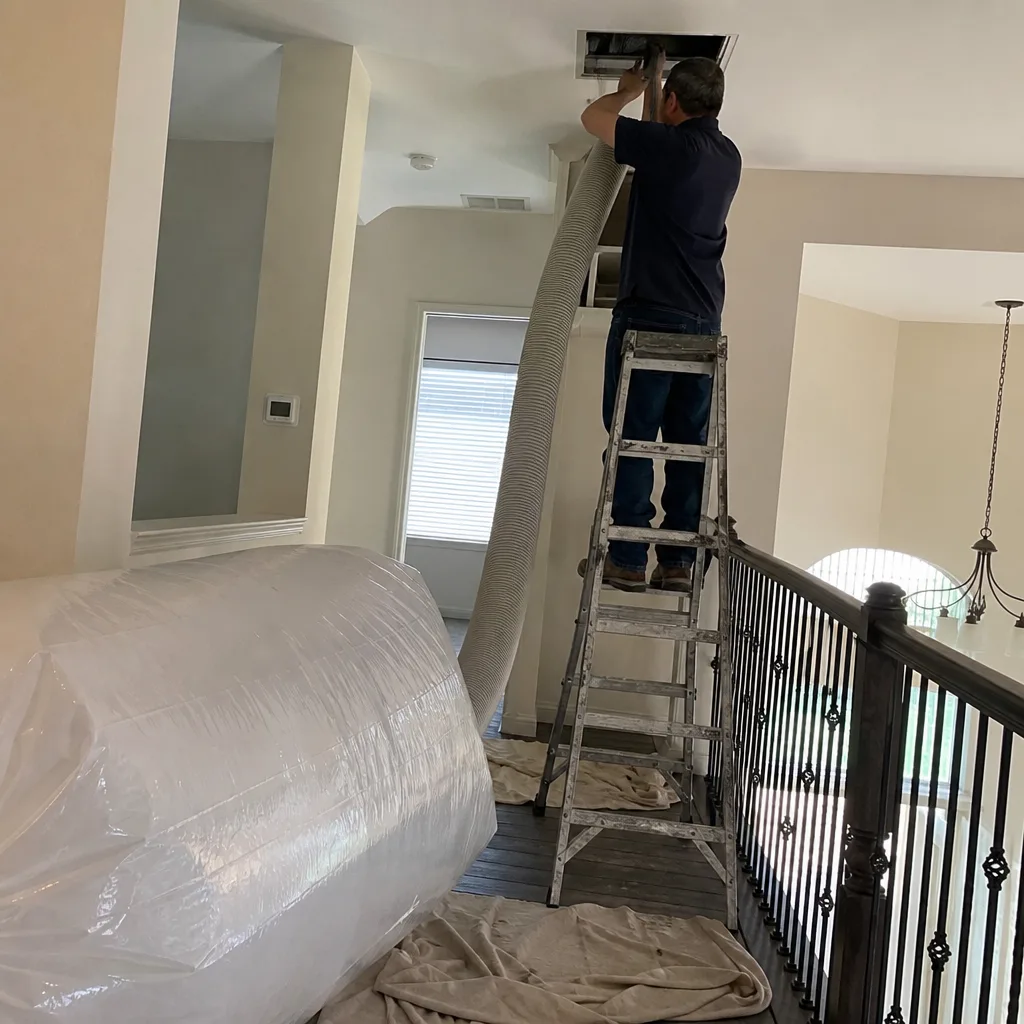
There is a safe middle ground, and then there is the point where DIY risks a $2,000 coil replacement.
What you can safely check yourself: Verify the filter is clean and correctly oriented. Confirm that outdoor condenser fins are not visibly clogged with leaves or grass clippings, which you can clear gently with a garden hose from the inside out. Check that the condensate drain line is not backed up, a common issue in Austin’s hard-water areas where algae and mineral deposits form a plug.
Where DIY goes wrong: Evaporator coils live inside the plenum, often adjacent to high-voltage wiring and the blower assembly. The fins are aluminum, 0.006-inch thick, and bend permanently if brushed with the wrong pressure or angle. Many homeowners who attempt coil cleaning with hardware-store foaming spray either fail to rinse properly, leaving acidic residue that corrodes the copper tubing, or force debris deeper into the coil core where it hardens and blocks refrigerant passages. We have replaced coils in Austin’s Allandale and Brentwood neighborhoods where well-intentioned cleaning attempts caused fin collapse and refrigerant leaks.
We show the photo first, then talk about what needs to happen next. Call (737) 243-9544 and we’ll put a scope in the plenum before any work is discussed.
FAQs
In Austin’s climate, with heavy pollen seasons and limestone dust from Hill Country construction, we recommend coil inspection every 18-24 months and cleaning when the photo shows fin blockage exceeding 30%. Homes near active construction or with pets typically need attention closer to the 12-month mark. Call (737) 243-9544 to schedule a scope inspection and we’ll show you exactly what your coil looks like today.
No. Once debris is packed into the fin structure, physical removal is the only remedy. “Repair” in this context means straightening bent fins or sealing a refrigerant leak caused by corrosion, both of which we assess during service. If the coil has deteriorated past cleaning, we will document that with photos and discuss replacement options before proceeding. Call (737) 243-9544 for an honest assessment.
A single evaporator or condenser coil cleaning typically takes 90 minutes to 2.5 hours, depending on accessibility and the degree of buildup. A combined indoor/outdoor service runs 3-4 hours. We schedule with realistic time blocks so technicians are not rushing between jobs. Call (737) 243-9544 to check availability.
Yes. We carry Rotobrush-compatible coil brushes, foaming agents, fin combs, and shaft adapters on every truck, along with comparable Guardsman aftermarket options. For Lennox, Trane, and Carrier systems, we also stock the manufacturer-specific coil access hardware and fin spacing tools. If you know your Rotobrush model, call (737) 243-9544 and we’ll confirm parts match before scheduling.
Written by Tomas Reyes, Owner & Lead Technician, CleanRun Air Duct Cleaning Austin at CleanRun Air Duct Cleaning Austin, serving Austin and nearby areas.