
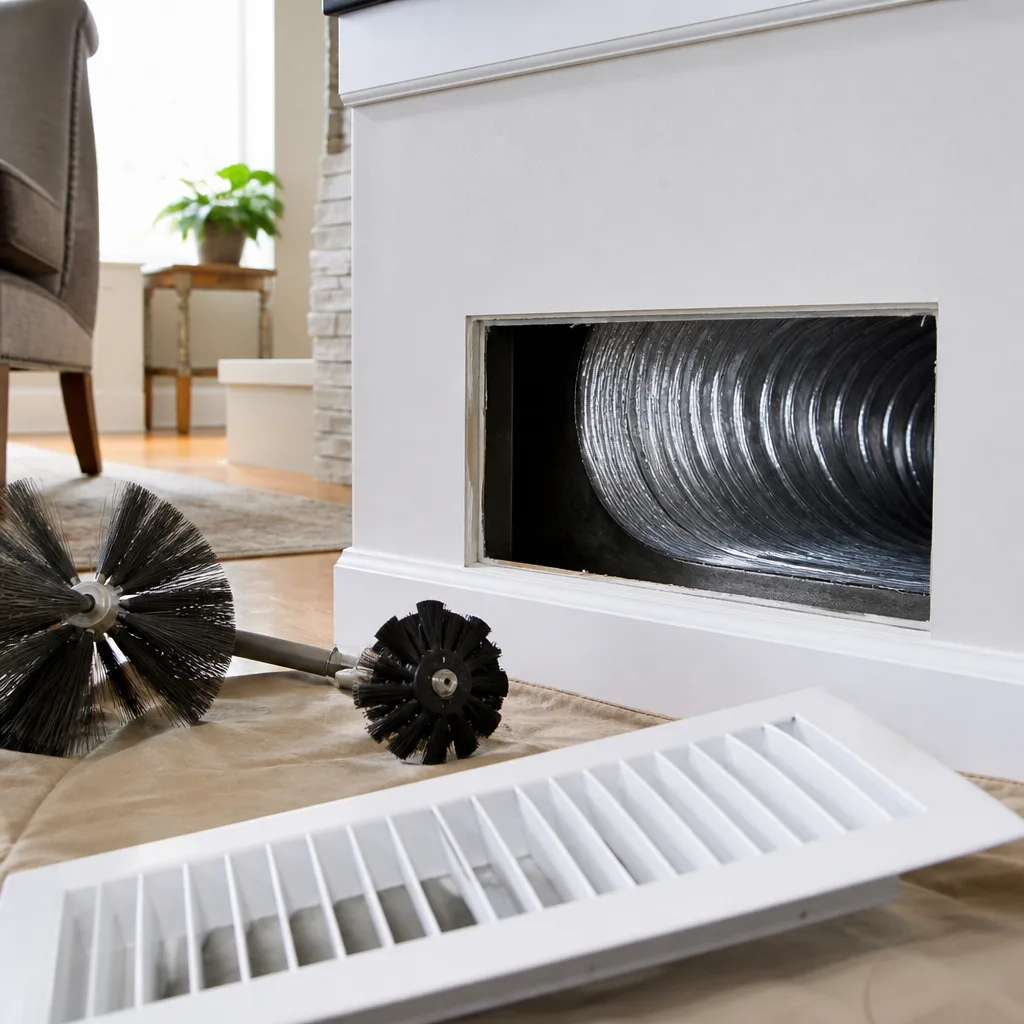
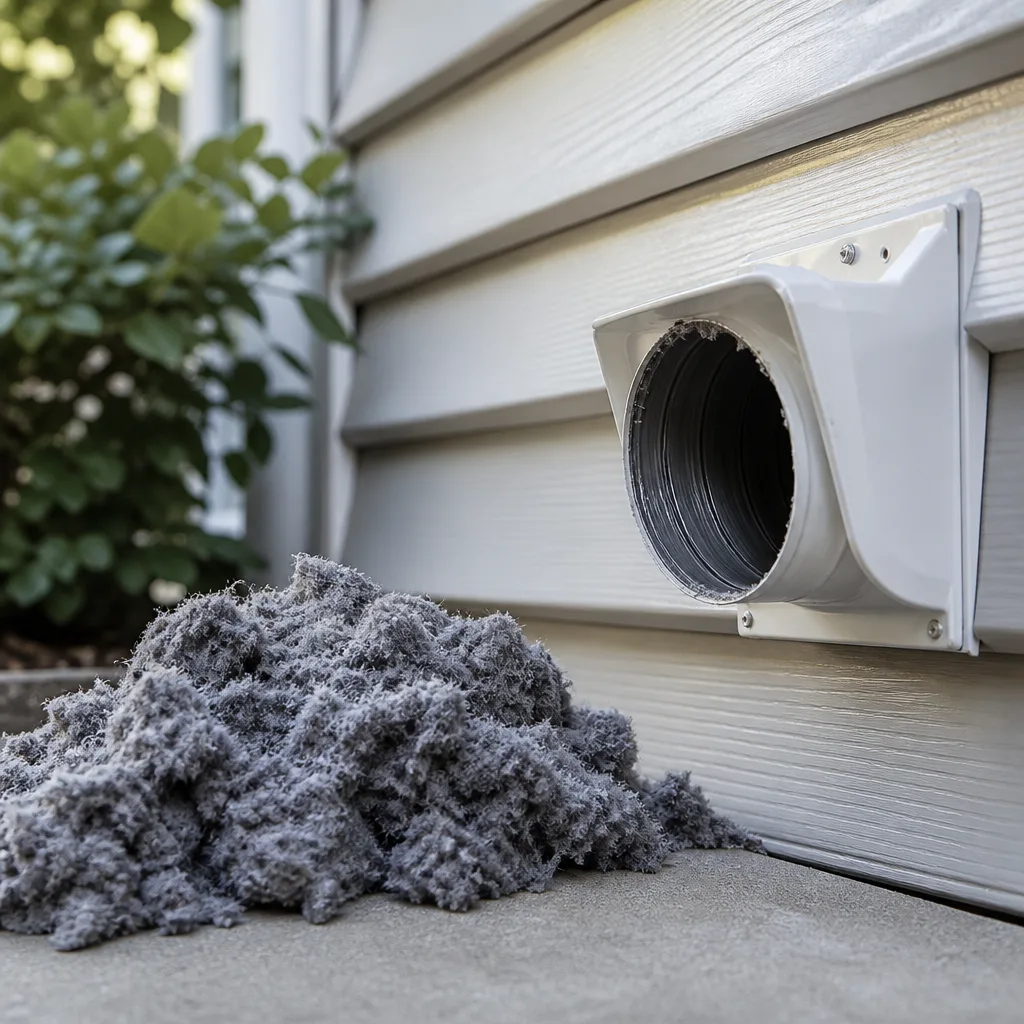
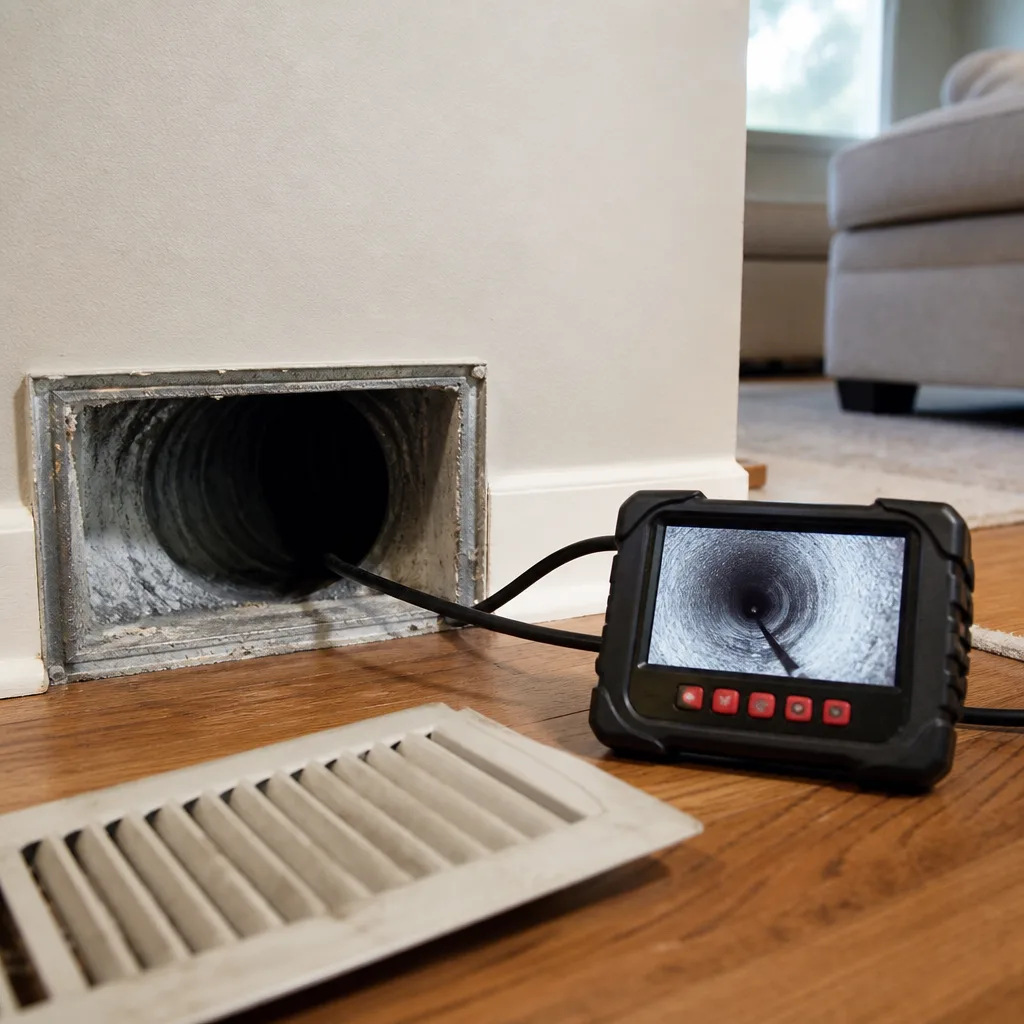
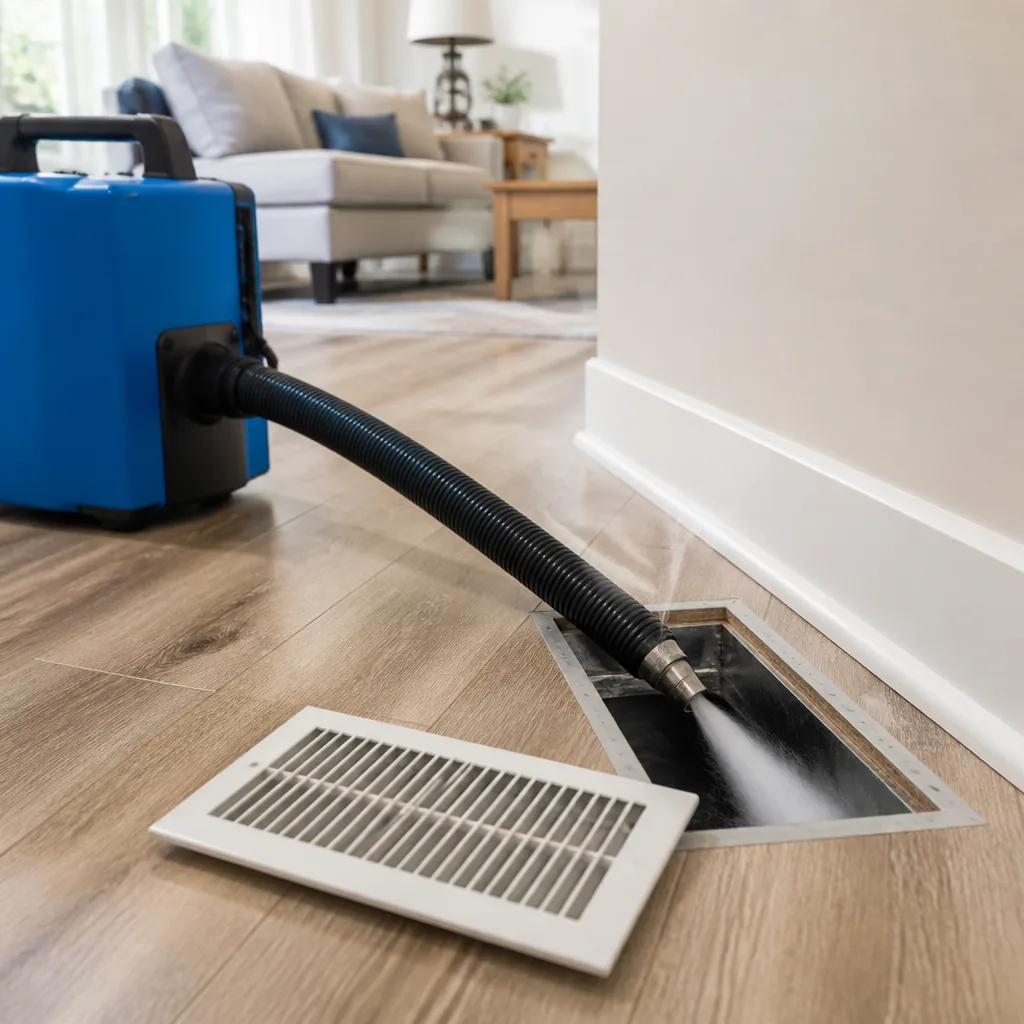
Whole-system duct and dryer vent check with before-and-after photos - you see exactly what came out of your vents
That "$99 whole-house special" is a bait ad - the real number appears once they are in your hallway, or the "clean" is a shop-vac at the register. We photograph the inside of your ducts before and after instead.
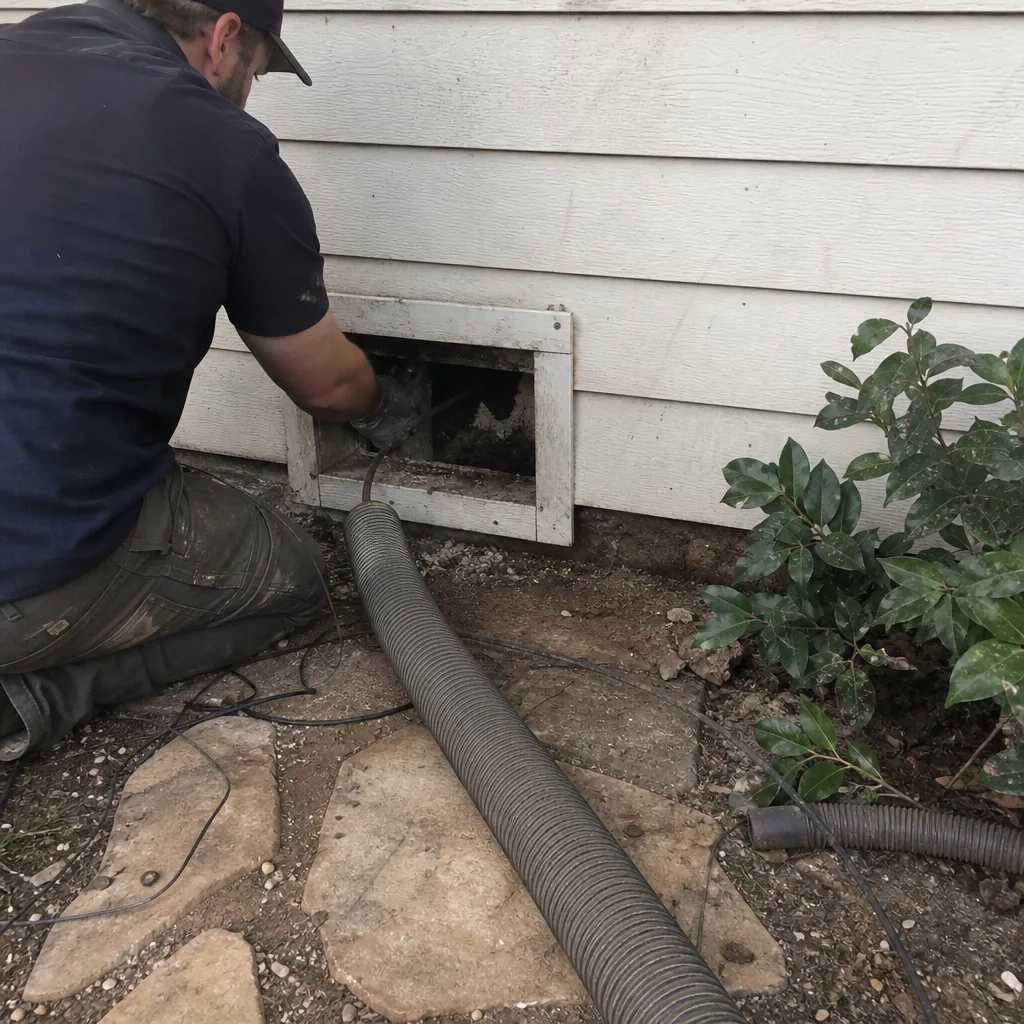 Before
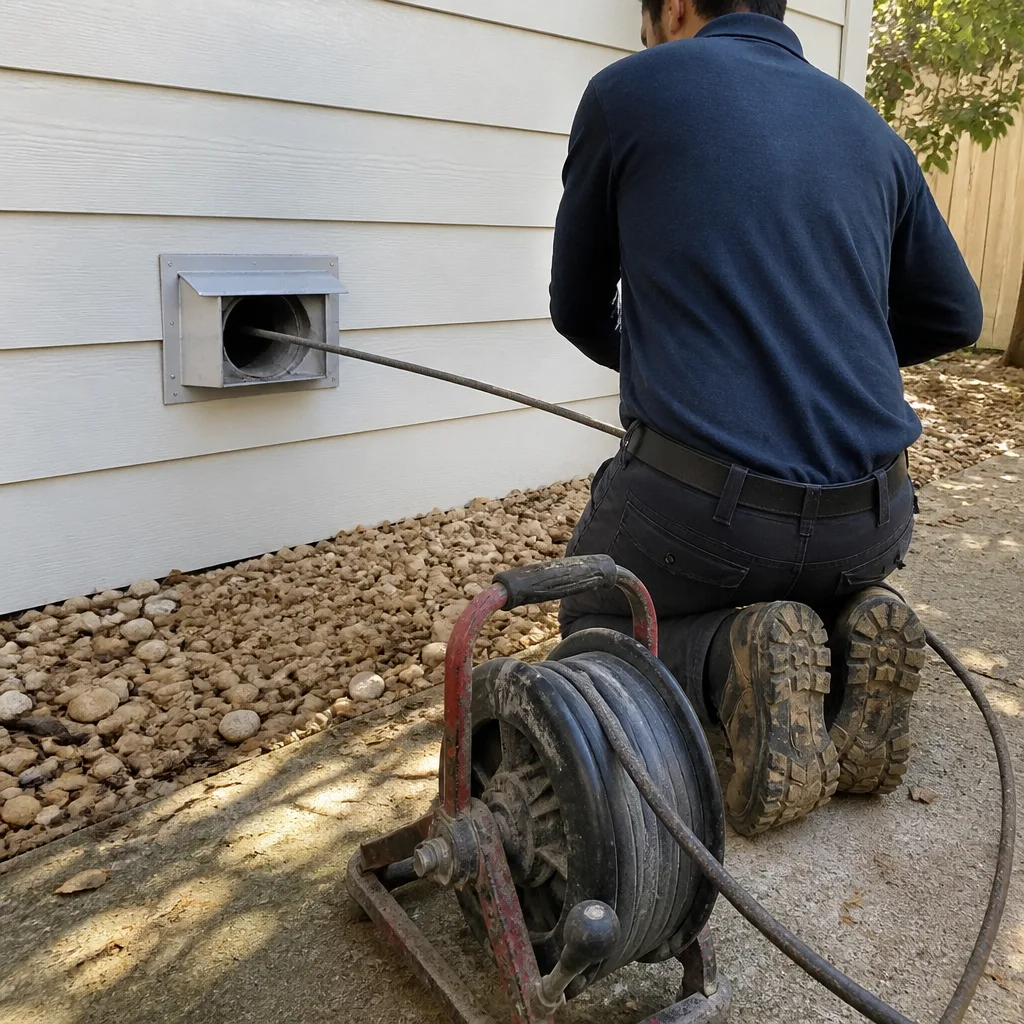 After
After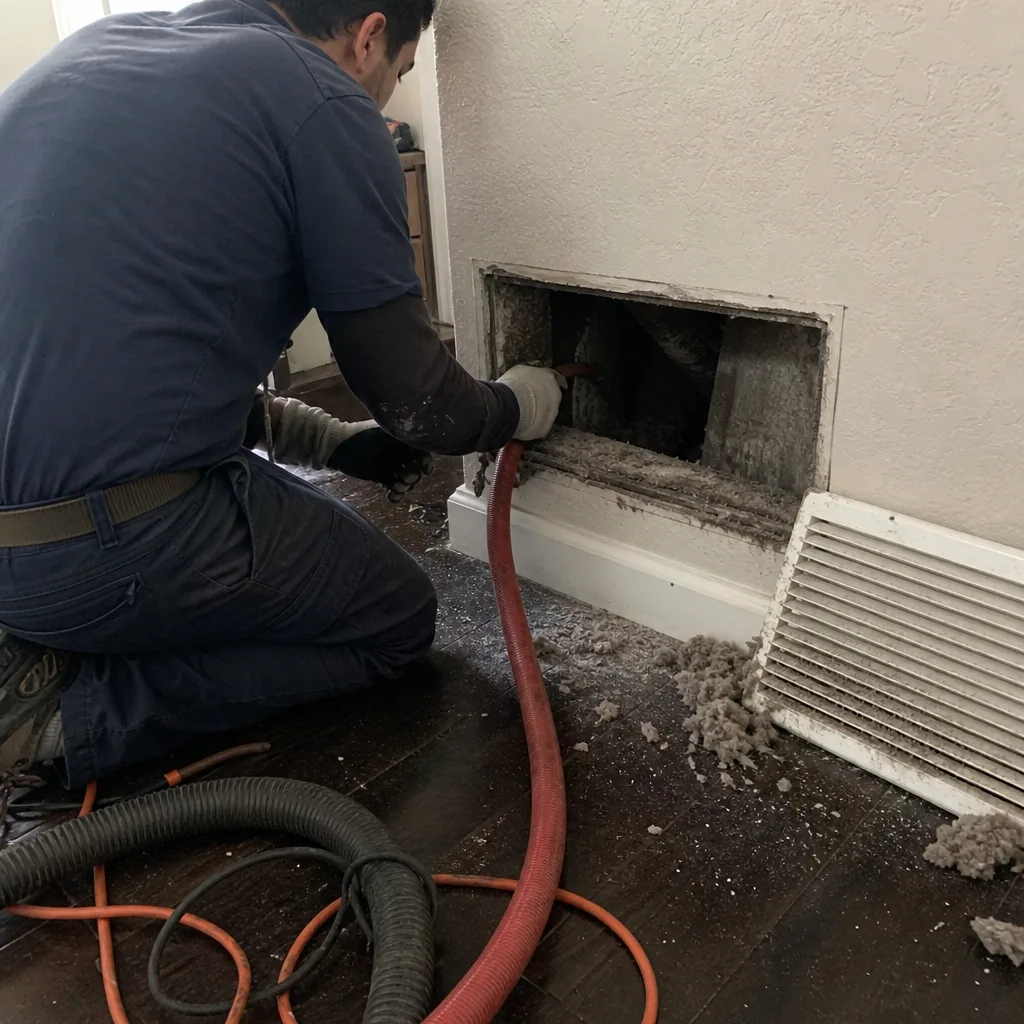 Before
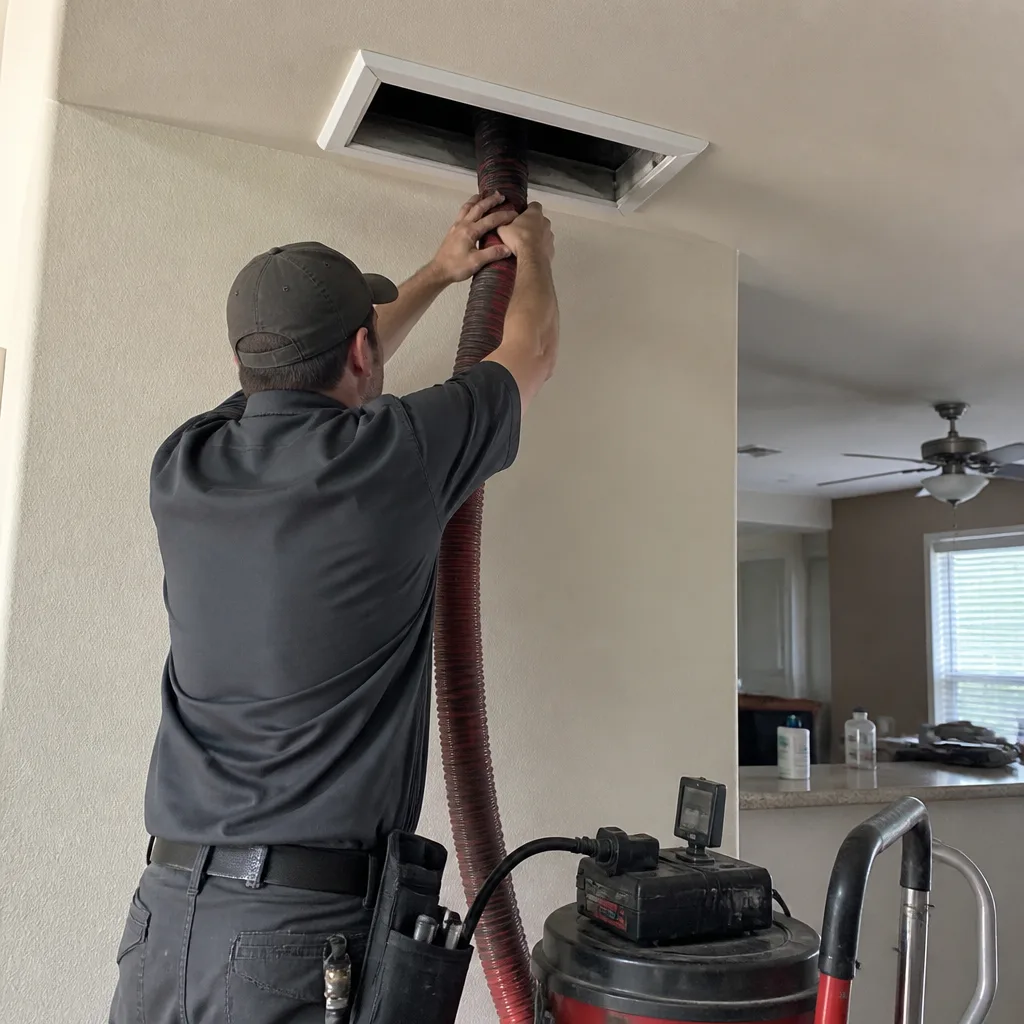 After
After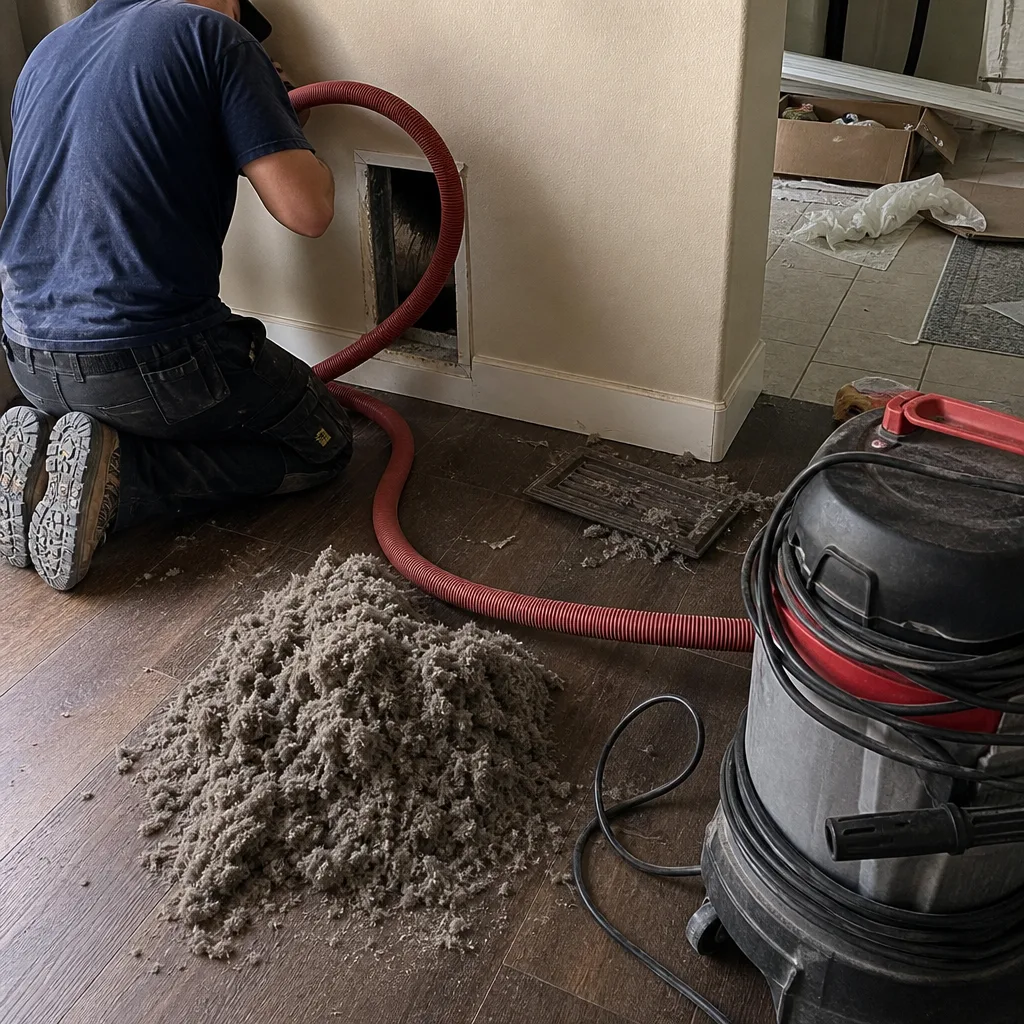 Before
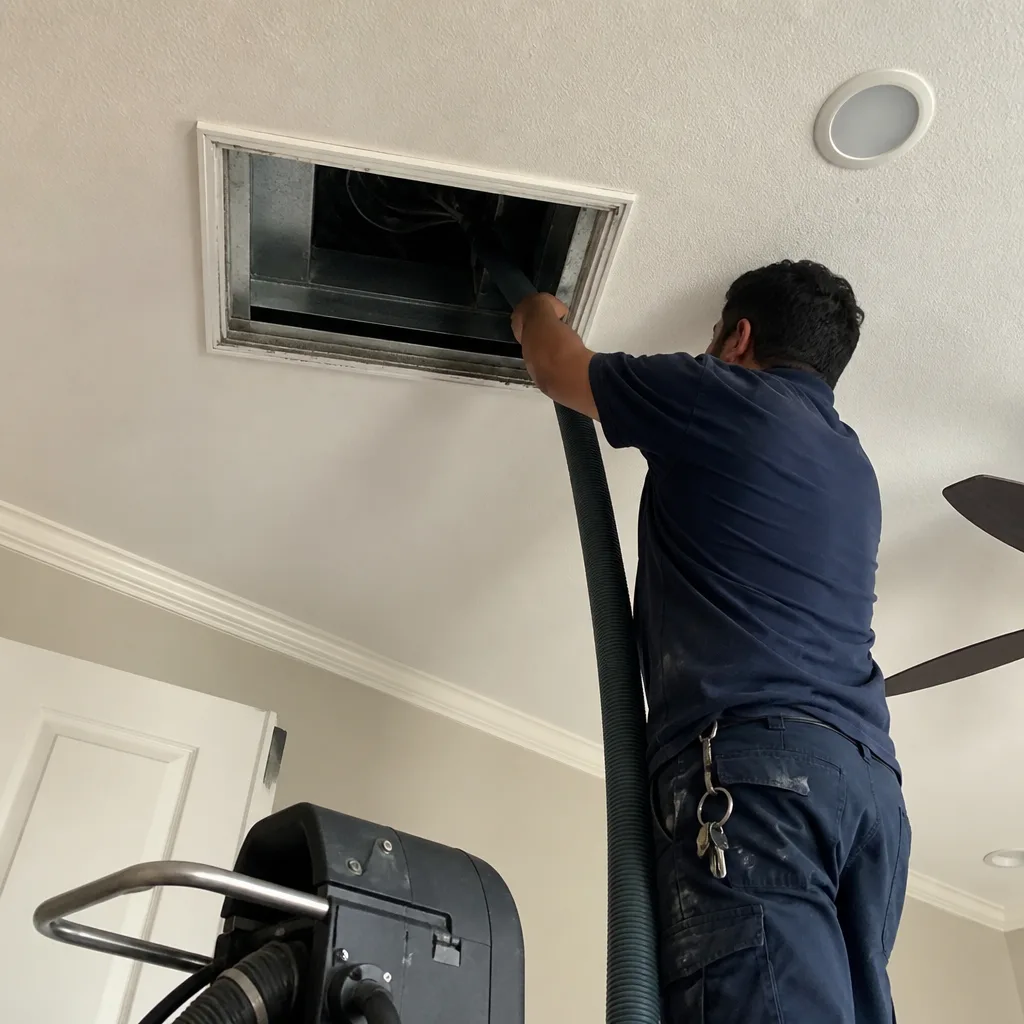 After
AfterNikro Vent Sanitizing: The Austin Owner’s Guide
We stock and install Nikro-compatible vent sanitizing components for residential duct systems in Austin, with most replacements completed same-day at an installed price of $340-$580 depending on system reach and access difficulty. Our trucks carry the common Nikro fogger nozzles, solution pumps, and manifold assemblies used in the SL400, SL800, and Aire-Hygeia series, so we’re not ordering parts while your system sits open. Most Austin homeowners realize their vent sanitizing equipment needs attention when they notice chemical solution pooling in the plenum or the fogger producing uneven, sputtering coverage instead of the fine mist that actually reaches the full duct run.
Which Nikro Models This Applies To
Nikro’s vent sanitizing line breaks into three series we regularly encounter in Austin homes. The SL400 is the compact residential unit, common in 1,500-2,500 square foot builds in Allandale and Crestview, with a single-stage pump and fixed-orifice nozzle rated at 1.2 GPH. The SL800 adds variable output and a quick-connect manifold, and we see it in larger homes south of the river in Barton Hills and Zilker where duct runs extend 40 feet or more. The Aire-Hygeia series is the commercial-grade crossover, often installed in new construction around Mueller Development with dual pumps and stainless solution lines.
To identify your part, check the equipment tag on the pump housing for a six-digit Nikro part number starting with 86- or 88-. The nozzle orifice size is stamped on the brass fitting itself, typically 0.8, 1.2, or 1.5 millimeters. Using the wrong orifice on an SL400 pump will over-pressurize the system and blow the manifold O-rings within the first ten minutes of operation. That’s a compatibility gotcha we see several times a month: a homeowner orders a 1.5 mm “upgrade” nozzle online and ends up with solution leaking into the return plenum.
We stock both OEM Nikro parts and quality aftermarket equivalents from Guardsman that meet the same pressure and flow specifications. For most Austin residential jobs, the aftermarket manifold assemblies perform identically at a lower parts cost, though we default to OEM pump seals because the tolerances matter more there. We’ll show you both options and the price difference before any work starts, under Haven Standard Clause 1.
Signs Your Nikro Vent Sanitizing Is Failing
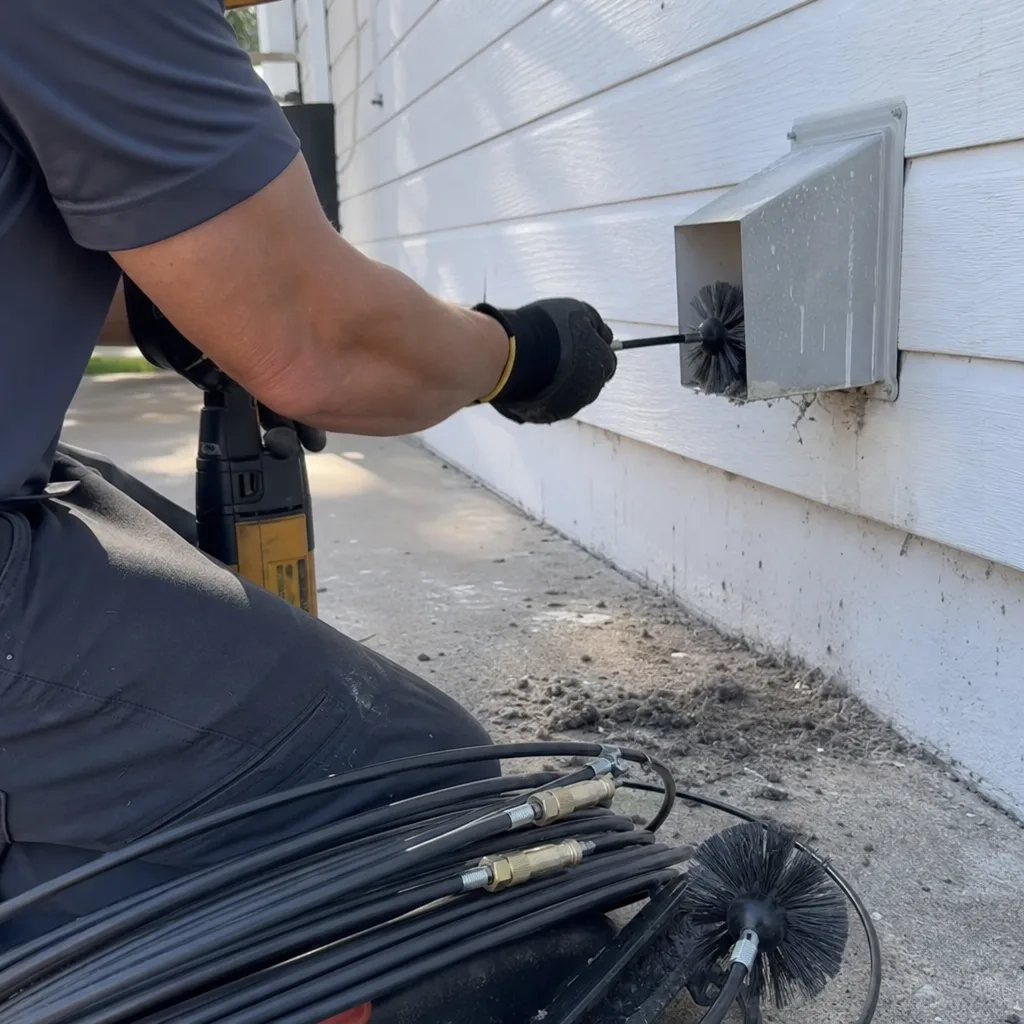
- Uneven fogging pattern or sputtering output. The nozzle orifice has likely eroded from chemical exposure or accumulated mineral scale from Austin’s hard water. The camera scope will show dry spots in the duct run where sanitizing solution never reached, particularly at the last register on long horizontal runs in older Tarrytown homes.
- Solution pooling in the plenum or at low points in the ductwork. The pump pressure has dropped below the 40 PSI minimum needed to atomize the solution, or the manifold check valve is stuck open. Pooling means you’re paying for chemicals that are running into the evaporator pan instead of coating the duct interior.
- Strong chemical smell near the air handler but not at distant registers. The distribution manifold has a cracked fitting or missing O-ring, dumping concentrated solution at the first branch instead of pushing it through the full system. We found this exact failure in a 2019 build near East Austin where the installer had overtightened the manifold and cracked the polymer housing.
- Pump runs but output volume is visibly reduced. The impeller is worn or the intake filter is clogged with crystallized solution residue. Nikro pumps are positive-displacement designs, so wear shows up as volume loss before total failure. In Austin’s heat, crystallization accelerates if the system isn’t flushed after each use.
- Intermittent operation or pump cycling on and off. The pressure switch is failing or there’s an air lock in the solution line. This one’s tricky because it mimics an electrical problem; we’ve traced it to a pinhole suction leak on the intake side that lets the pump lose prime every thirty seconds.
BeforeAfterReplacement Cost & What’s Included
| Component | Parts Range | Installed Range |
|---|---|---|
| Nozzle/orifice replacement | $45-$85 | $180-$260 |
| Pump assembly (SL400/SL800) | $120-$220 | $340-$480 |
| Manifold with O-ring kit | $65-$110 | $260-$380 |
| Full sanitizing system rebuild | $180-$340 | $480-$580 |
The installed range covers labor, testing, and a documented photo record of the duct interior before and after we run the repaired system. What drives the price up is access: if your air handler is in a cramped attic in a 1950s Clarksville bungalow with a scuttle hole too narrow for a standard ladder, that adds time. What keeps it down is our truck stock; we’re not charging you for a parts run to a supplier on Metric Boulevard. Every price is written and agreed before work starts, with the 365-Day Done Right Promise backed in writing on the job record. We are an independent service provider and not affiliated with Nikro Manufacturing Company.
DIY or Call Us?
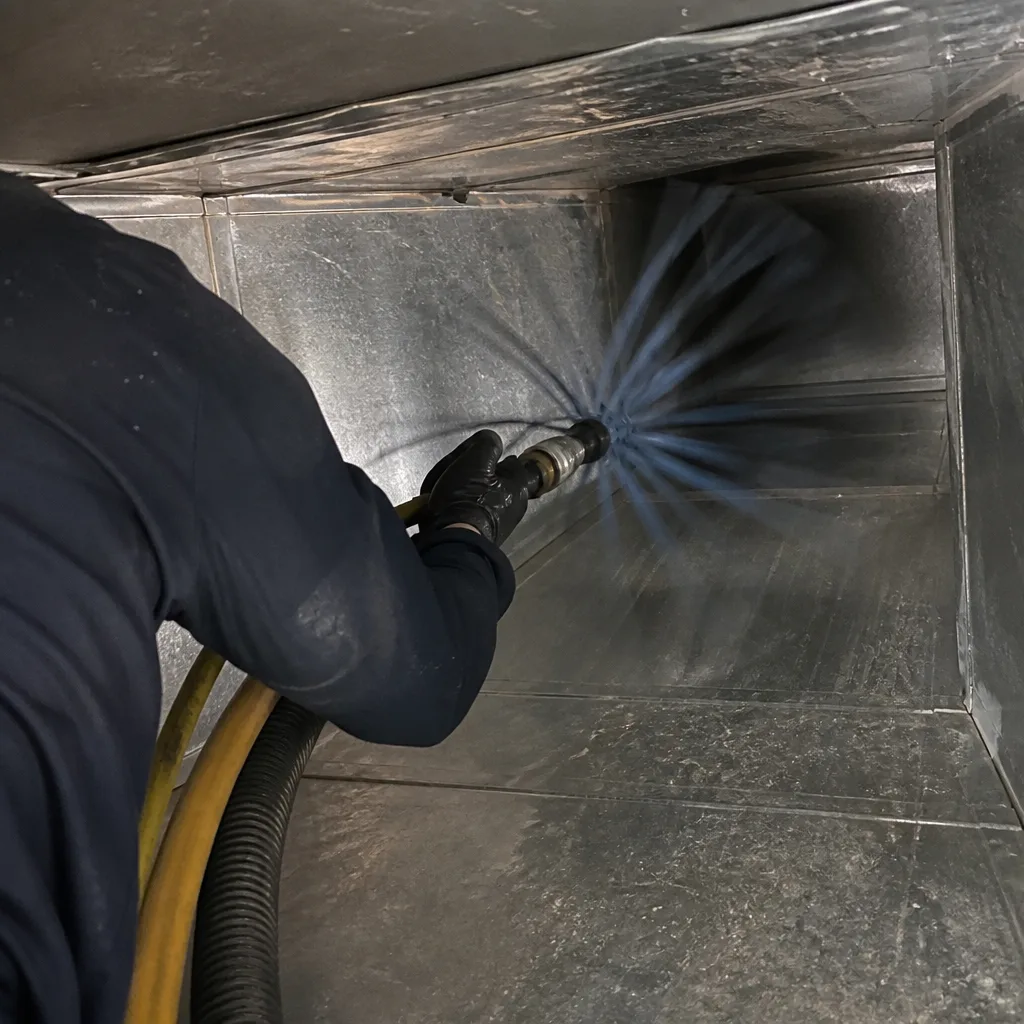
There’s a safe middle ground here. A homeowner can check the solution filter at the pump intake, verify the nozzle isn’t visibly clogged with crystallized residue, and confirm the power connection is secure. These three checks take ten minutes and solve maybe 15% of the failures we see.
Where DIY goes wrong is the pressure side. The SL800 pump operates at 60 PSI, enough to inject solution through skin if the manifold separates while the pump is running. More commonly, we get calls from homeowners who’ve replaced a nozzle with the wrong orifice size and now have solution backing up into the return, or who’ve cracked the manifold by cross-threading the brass fittings. The O-ring grooves in Nikro manifolds are shallow; if the O-ring rolls during installation, you’ll have a slow leak that doesn’t show until the next cycle saturates your insulation.
We pull a camera scope before quoting anything. Show the photo first, then talk about what needs to happen next. If you’ve already diagnosed the part, call (737) 243-9544 and we’ll confirm the model match over the phone, stock check our truck, and give you a written price before we drive.
FAQs
In Austin’s hard water conditions, we typically see 4-6 years of residential use before the impeller or seals need attention, assuming the system is flushed after each service cycle. Homes with water softeners may stretch that to 7-8 years. Call (737) 243-9544 and we’ll scope your system to tell you where yours stands.
Sometimes: a clogged intake filter, stuck check valve, or scaled nozzle can be cleaned or swapped as a sub-component. But once the impeller housing is scored or the shaft seal is leaking, rebuild kits cost nearly as much as a replacement pump and don’t carry the same warranty. We stock both options and will show you the price difference in writing.
Most residential replacements take 90 minutes to two hours, including pressure testing and a full-cycle verification. Tight attic access or a buried air handler in a Mueller-area crawl space can add 45 minutes. You’ll get the documented photo record before we pack up.
We stock the common SL400 and SL800 pump assemblies, manifold kits, and the full orifice range on every service truck. Aire-Hygeia commercial components are available next-day from our Austin supplier. If you have the six-digit Nikro part number, call (737) 243-9544 and we’ll confirm stock before scheduling.
Written by Tomas Reyes, Owner & Lead Technician, CleanRun Air Duct Cleaning Austin at CleanRun Air Duct Cleaning Austin, serving Austin and nearby areas.