
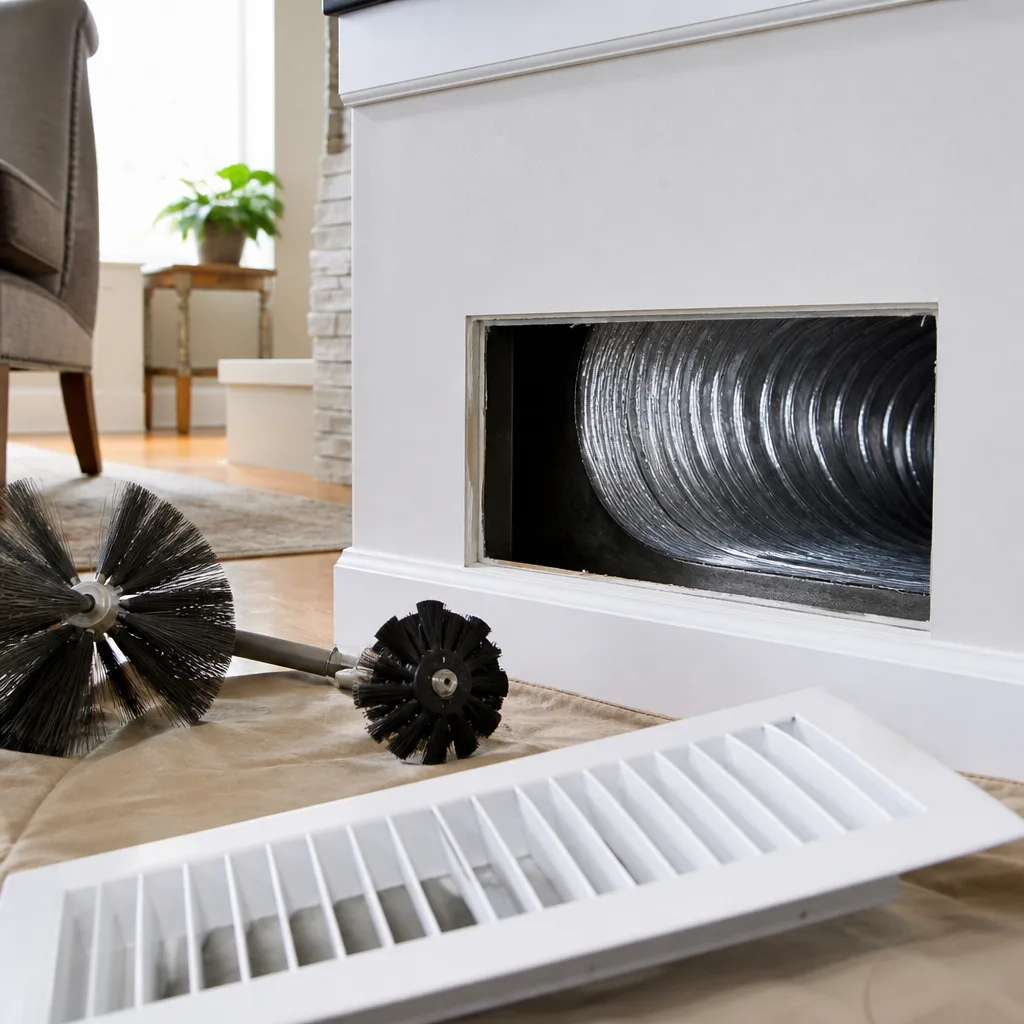
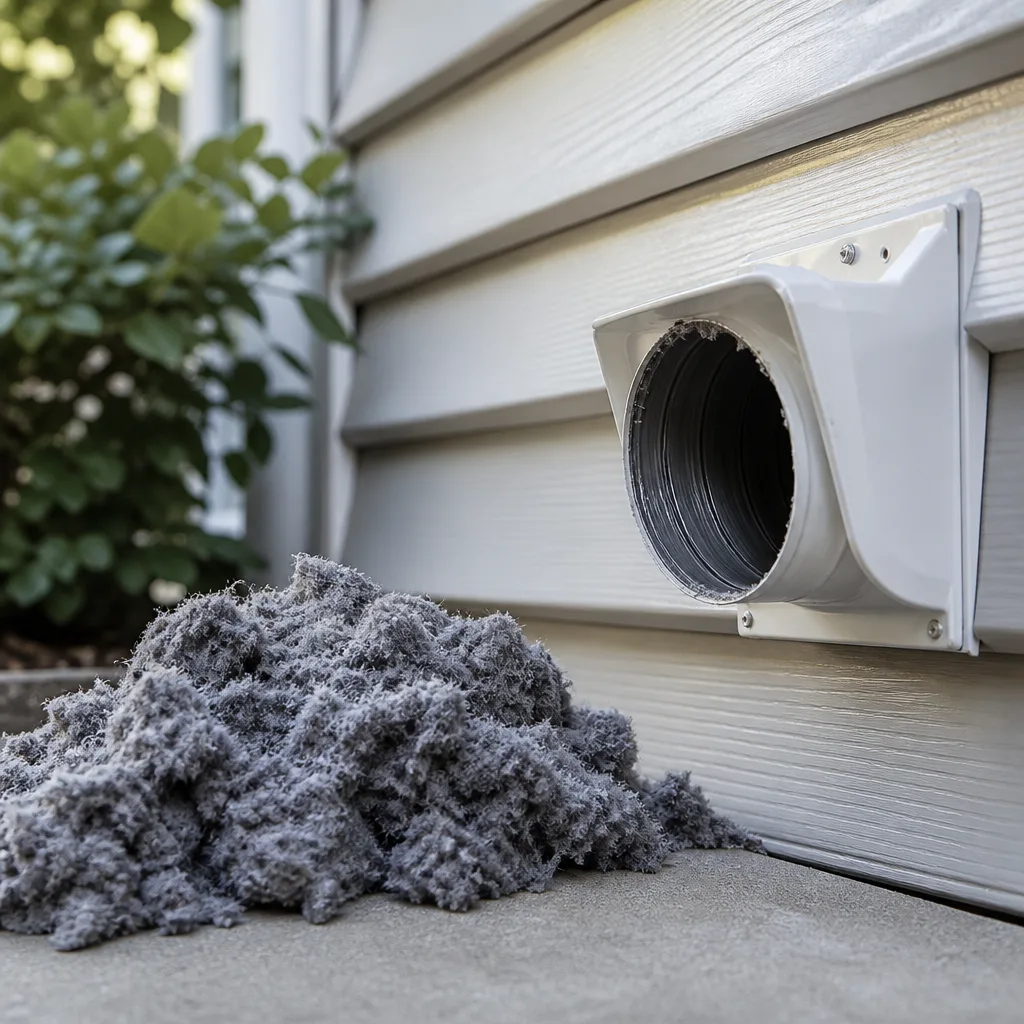
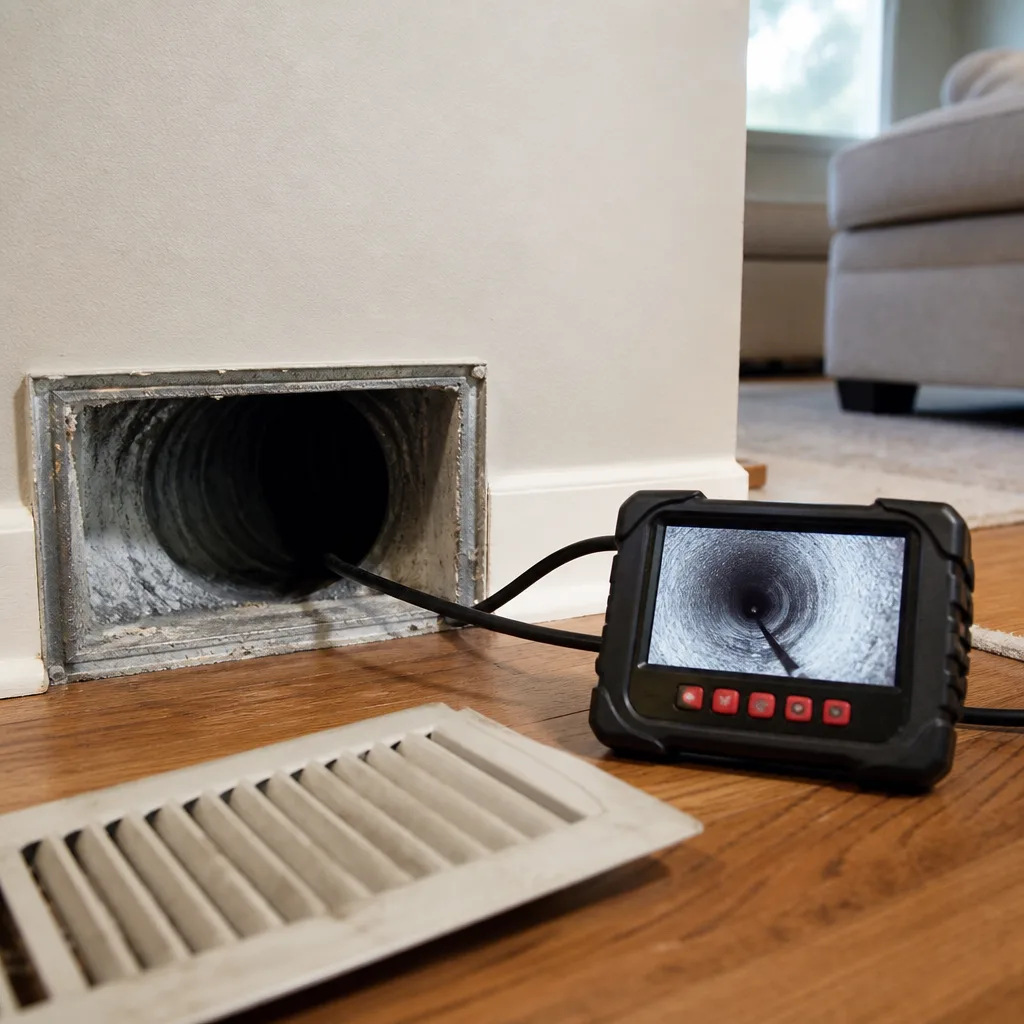
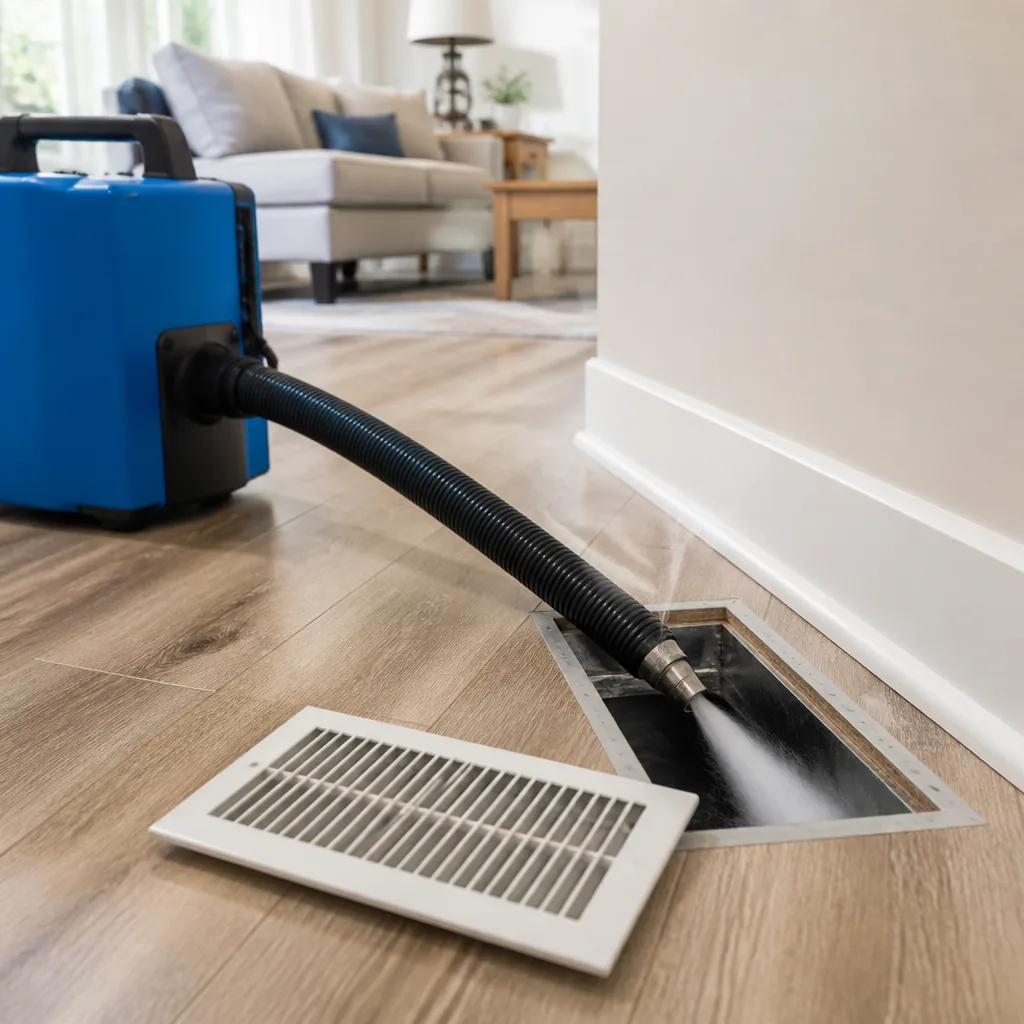
Whole-system duct and dryer vent check with before-and-after photos - you see exactly what came out of your vents
That "$99 whole-house special" is a bait ad - the real number appears once they are in your hallway, or the "clean" is a shop-vac at the register. We photograph the inside of your ducts before and after instead.
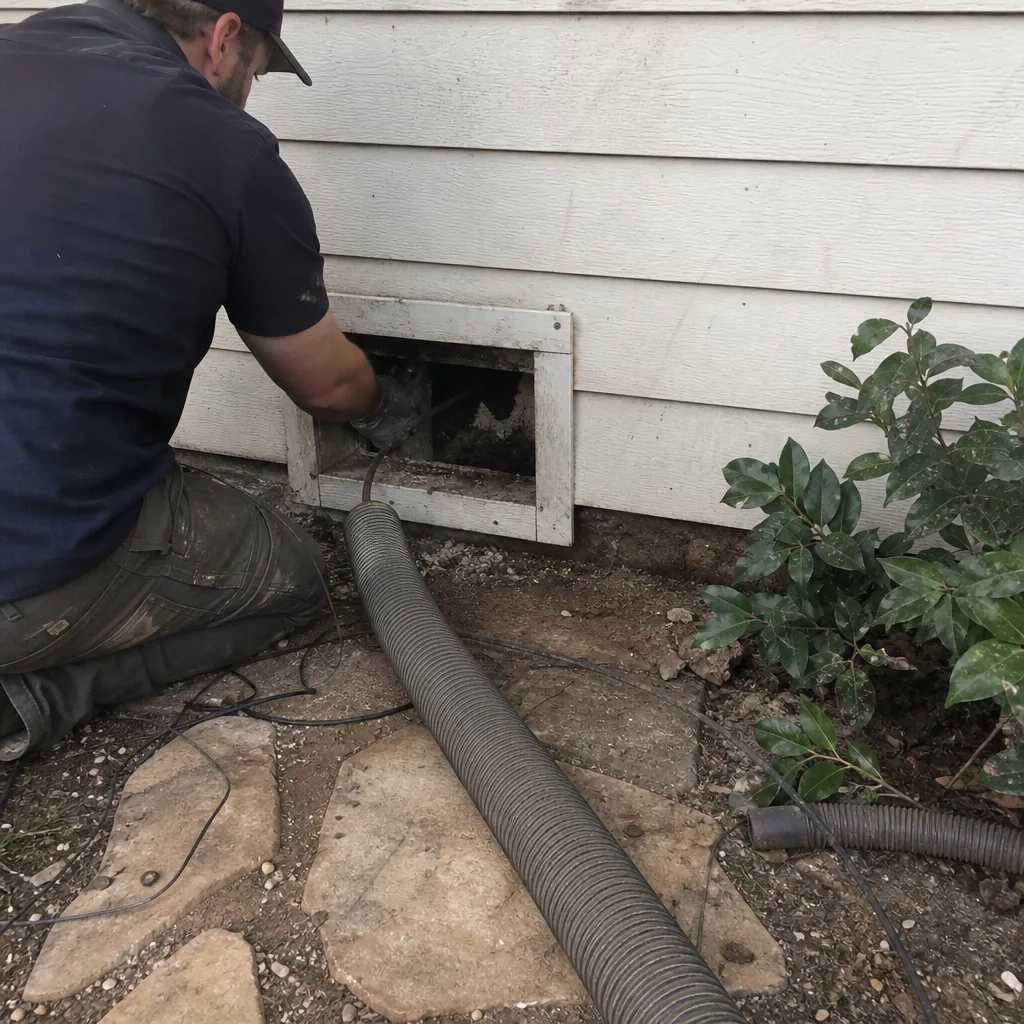 Before
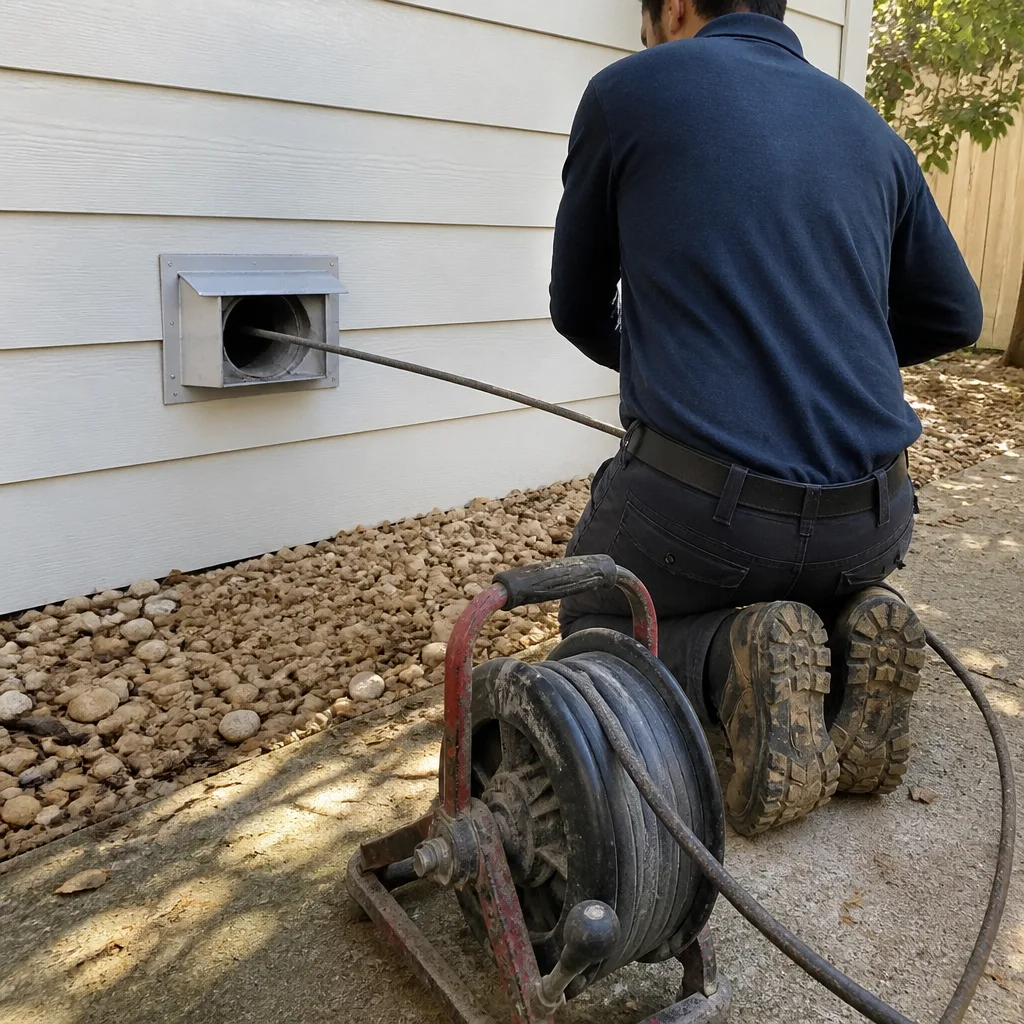 After
After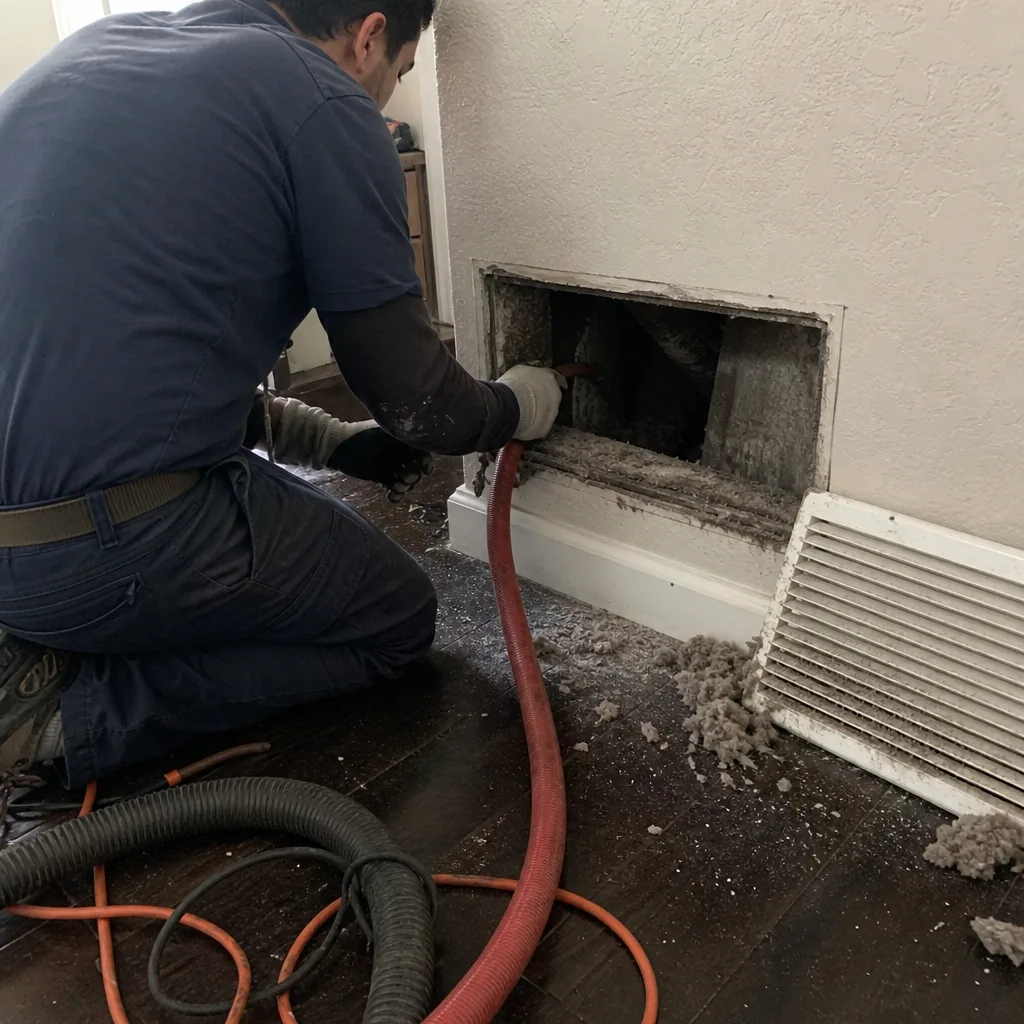 Before
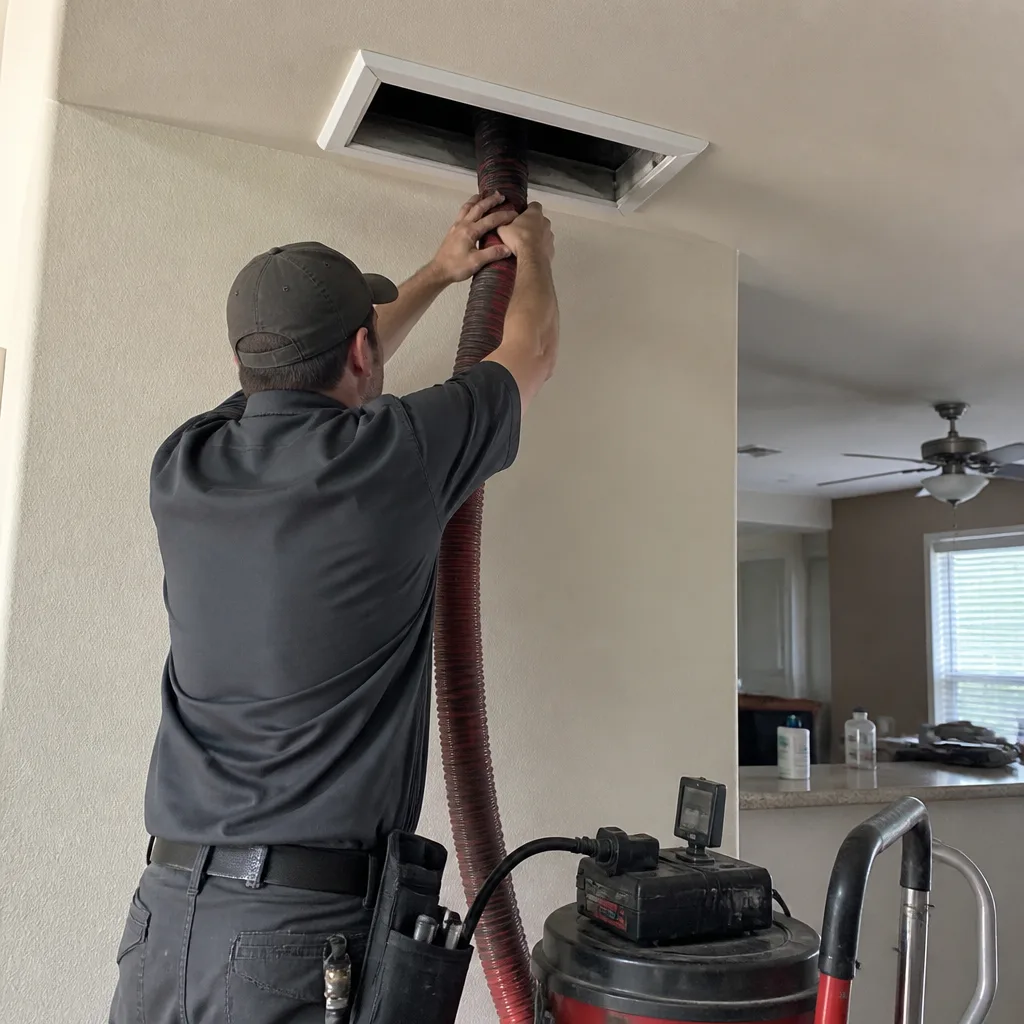 After
After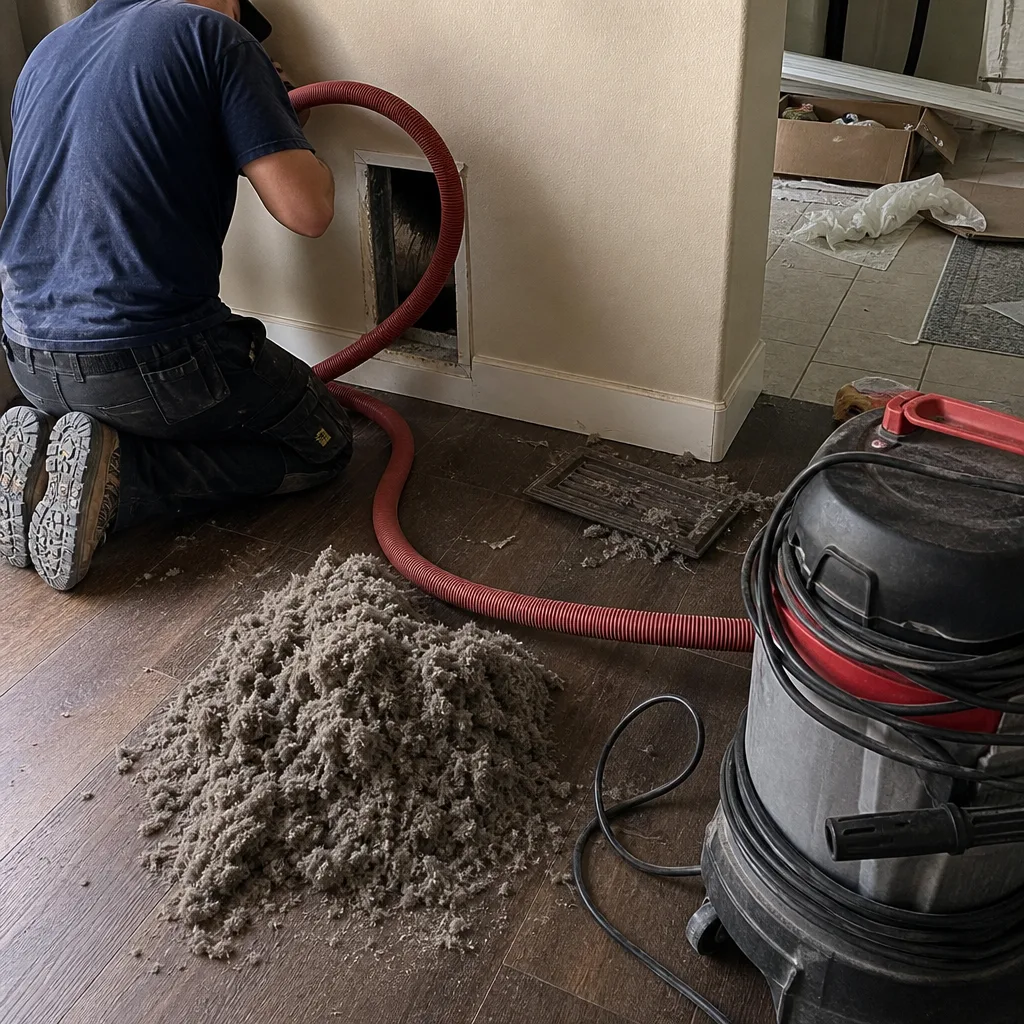 Before
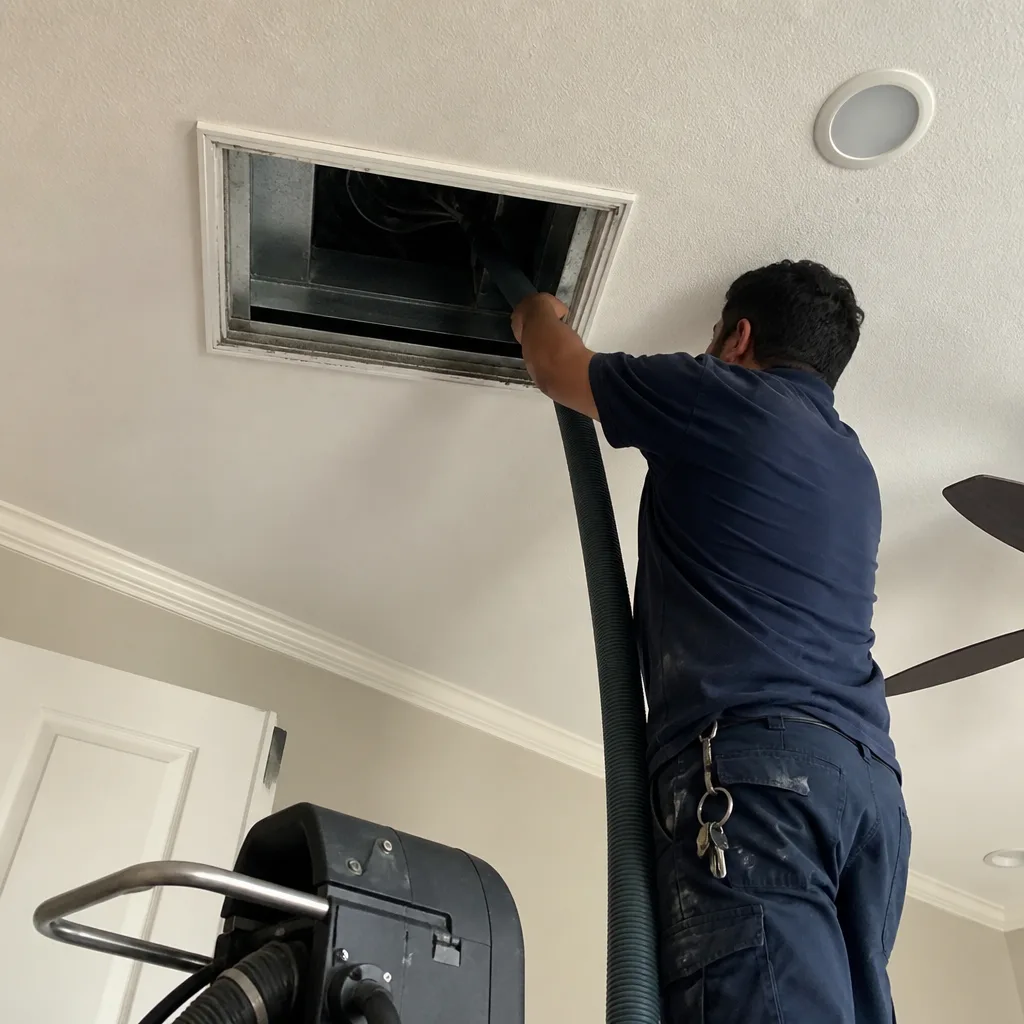 After
AfterHoneywell Vent Sanitizing: The Austin Owner’s Guide
We stock and install Honeywell-compatible vent sanitizing systems for Austin homes, with installed pricing typically running $340-$620 depending on your duct configuration and whether we’re treating a single zone or the full system. Most Honeywell UV or ionization sanitizing units we quote are completed same-day because we carry the common 16-inch and 24-inch lamp assemblies, plus the HUV-145 and HUV-265 series ballasts, on every truck. Homeowners usually discover the unit has failed when they notice the musty smell returning to registers, or they open the air handler cabinet and the indicator light on their Honeywell sanitizer is dark.
Which Honeywell Models This Applies To
Honeywell vent sanitizing breaks into two main categories: the ultraviolet (UV) lamp systems that mount in the plenum or evaporator coil housing, and the electronic air cleaners with integrated ionization cells. The UV line most common in Austin homes built 2015-2022 is the HUV-145 series, rated for 1,200-2,000 CFM systems, and the larger HUV-265 for units above 3 tons. Both use a 4-pin ceramic base that looks identical to generic T5 UV lamps but carries a specific 254-nanometer output rating and a 9,000-hour rated lifespan. The ionization side runs through Honeywell’s F300 and F50 electronic air cleaner lines, where the sanitizer cell snaps into the existing cabinet.
To identify your exact part, look for the silver label on the lamp itself or the cell frame, not the sticker on the outer cabinet. The label lists a part number starting with UV or FC, plus a voltage rating. Here’s where Austin homeowners get tripped up: the HUV-145 and HUV-145A use different ballast connectors. The 145A switched to a 2-pin molex in 2019, and the older 4-pin ballast will not fire the newer lamp. We stock both ballast types and carry a compatibility chart because we’ve arrived at jobs in Circle C Ranch and Mueller where the homeowner ordered the wrong lamp online and couldn’t figure out why it wouldn’t light.
For OEM versus aftermarket, Honeywell-branded UV lamps run 30-40% higher than quality aftermarket equivalents from Abatement Technologies and Guardsman, which we also install. The aftermarket lamps we use match the 254nm spec and carry the same 9,000-hour rating. The difference is the ceramic base alloy and the end-cap sealing, which matters in Austin’s attic heat where cabinet temperatures can exceed 140°F in July. We’ve seen generic lamps with plastic bases deform and lose seal after two summers. The units we stock use the same ceramic base as OEM.
Signs Your Honeywell Vent Sanitizing Is Failing
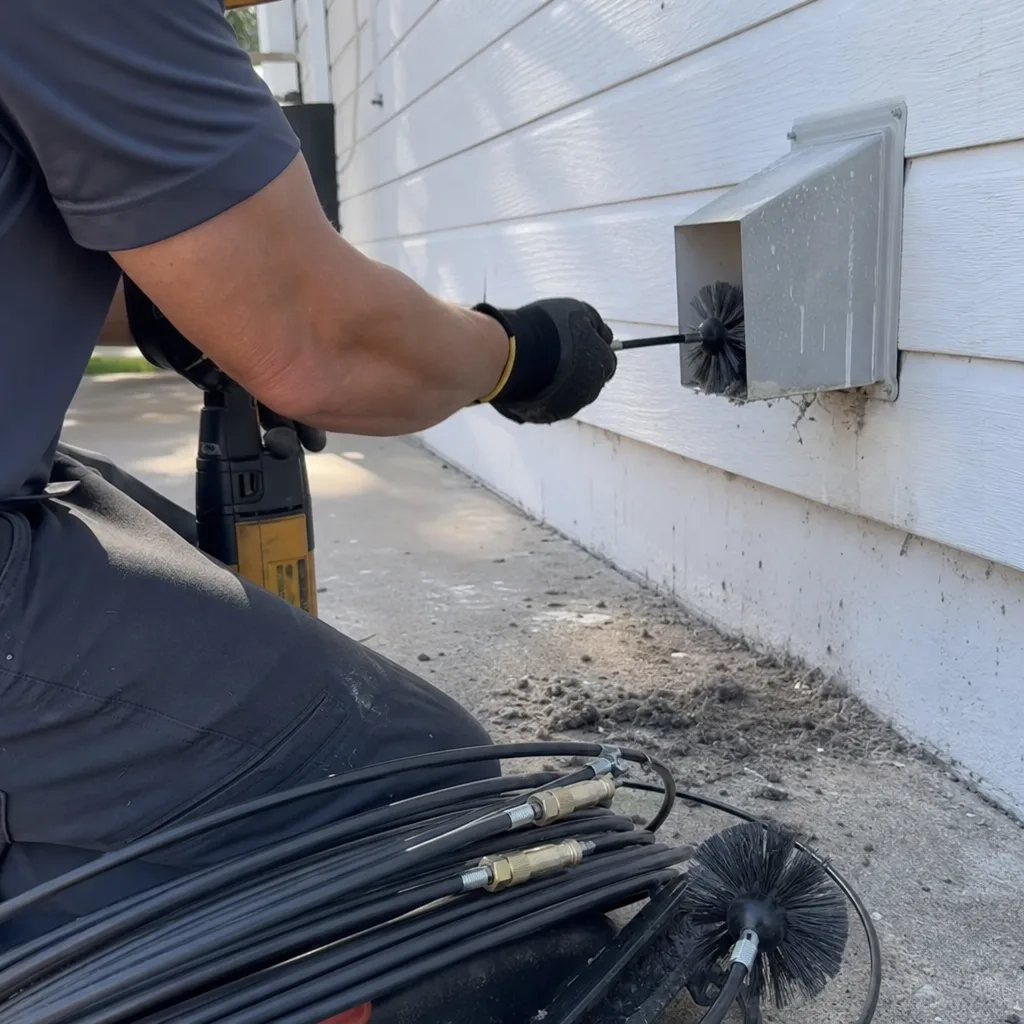
- The indicator light is out or flickering. Honeywell UV units have a small viewport or LED on the access panel that shows blue when the lamp is firing. A dark light usually means the lamp has reached end-of-life or the ballast failed. In Austin’s hard water areas like Wells Branch, mineral scaling on the lamp jacket can also block enough UV output to trigger the safety sensor.
- Musty or sour smell returning at registers. The UV lamp’s job is to suppress microbial growth on the evaporator coil and in the drain pan. When it fails, the coil becomes a breeding surface in our humid spring and fall seasons. We find this most often in homes with older flex duct in Tarrytown and Clarksville where the system runs long cooling cycles.
- Visible dark staining on the evaporator coil. If you open the air handler cabinet and the coil fins show black or green discoloration where they were clean before, the sanitizing lamp has likely been down for a while. The coil photos in our documented record often show this progression when we compare year-over-year visits.
- Ionization cell arcing or clicking sounds. On F300 and F50 units, a cracked ionization cell or corroded contact finger creates an audible snap. This is the unit trying to maintain voltage across a gap that shouldn’t exist. Left alone, it can trip the control board or produce ozone at levels above what Honeywell specifies.
- HVAC technician notes “biological growth” during maintenance. If your seasonal tune-up report mentions mold or slime in the plenum, and you have a Honeywell sanitizer installed, the lamp is either failed or undersized for your system’s airflow. We see this in Westlake Hills homes where a 3.5-ton system was paired with a HUV-145 rated for 2 tons.
BeforeAfterReplacement Cost & What’s Included
For Austin homes, Honeywell vent sanitizing replacement breaks down as follows:
| Service | Price Range |
|---|---|
| Single UV lamp replacement (HUV-145 series, OEM) | $340-$420 |
| Single UV lamp replacement (aftermarket equivalent) | $280-$360 |
| Ballast replacement with lamp | $420-$520 |
| Ionization cell (F300/F50 series) | $380-$480 |
| Full sanitizer unit, new install | $580-$620 |
What drives the range is access, not the part itself. A lamp mounted in a horizontal attic air handler in Allandale with 18 inches of clearance takes longer to swap safely than a vertical cabinet in a garage. Every quote we deliver in writing under Haven Standard Clause 1 specifies whether we’re replacing the lamp only, the lamp plus ballast, or diagnosing why a new lamp still won’t fire. The 365-Day Done Right Promise covers the installation and the electrical connection. If the lamp fails within a year and it’s not due to physical damage, we replace it at no charge.
DIY or Call Us?
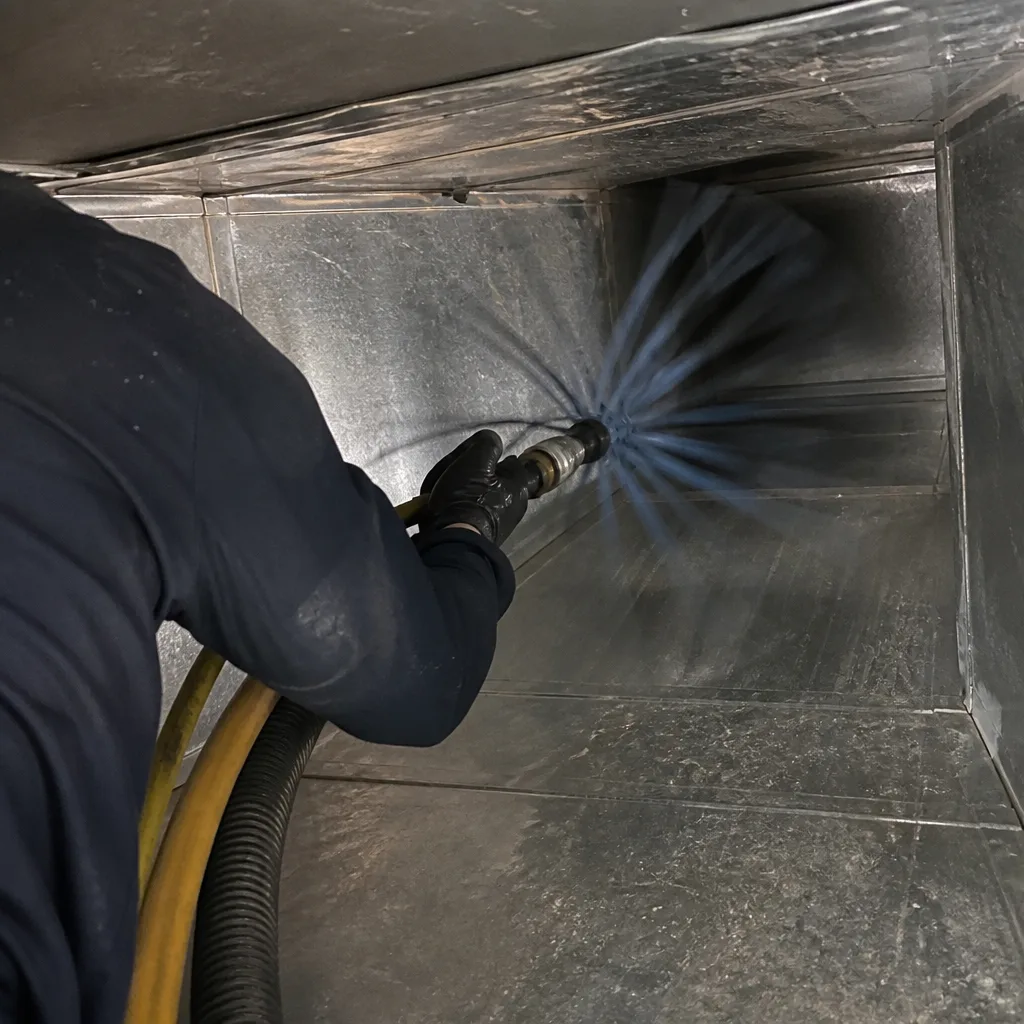
There is one safe check a homeowner can make: confirm the unit has power at the junction box. If the breaker is on and the 120V outlet inside the air handler cabinet is live, but the lamp won’t strike, the problem is either the lamp or the ballast. Beyond that, we don’t recommend owner replacement. UV lamps for HVAC use operate at 800-1,000 volts across the cathodes, and the ballast stores a charge even when de-energized. We’ve handled calls in East Austin where a homeowner received a minor arc burn trying to twist out a stuck lamp without discharging the capacitor.
The other risk is less dramatic but more expensive: installing a lamp rated for 1,000 CFM in a 2,000 CFM system and believing the air is sanitized when it’s not. We scope the plenum before quoting, measure actual airflow at the registers, and match the sanitizer output to the load. If you want a documented answer on what’s actually happening inside your cabinet, call (737) 243-9544. We’ll show you the photo first, then talk about what needs to happen next.
FAQs
The rated lifespan is 9,000 hours of operation, which translates to roughly 12-14 months in Austin where systems run heavy cooling loads from March through October. We recommend annual replacement because output drops measurably after 8,000 hours even if the lamp still lights. Call (737) 243-9544 and we’ll check your runtime hours and put a replacement price in writing.
Ballast failure in Honeywell UV units is almost always capacitor degradation or transformer winding failure, neither of which is field-repairable to manufacturer spec. We replace the ballast assembly as a unit. The aftermarket ballasts we stock match Honeywell voltage and frequency curves and carry the same one-year installation warranty under our 365-Day Done Right Promise.
A straightforward lamp replacement takes 45-60 minutes including access, discharge, installation, and testing. If we’re replacing the ballast or the ionization cell in a cramped attic setup, plan on 90 minutes. We photograph the before condition, the new component label, and the fired lamp or cell voltage reading for your documented record.
We carry HUV-145 and HUV-265 lamps in both OEM and aftermarket, both ballast types, and F300/F50 ionization cells on every CleanRun truck. For discontinued Honeywell series like the early HUV-100 line, we stock a cross-referenced aftermarket equivalent that matches the physical dimensions and electrical spec. If we don’t have your exact part, we don’t guess - we’ll tell you before we leave the driveway.
CleanRun Duct Repair & Cleaning is independently owned and operated under the Haven Standard. We are not affiliated with Honeywell International Inc. We also stock parts for Lennox, Trane, and Carrier sanitizing and air quality systems.
Ready to see what’s actually in your plenum? Call (737) 243-9544 for a free estimate. Every quote is written before work starts, every duct run is photographed, and every job is backed by the 365-Day Done Right Promise.
Written by Tomas Reyes, Owner & Lead Technician, CleanRun Air Duct Cleaning Austin at CleanRun Air Duct Cleaning Austin, serving Austin and nearby areas.