
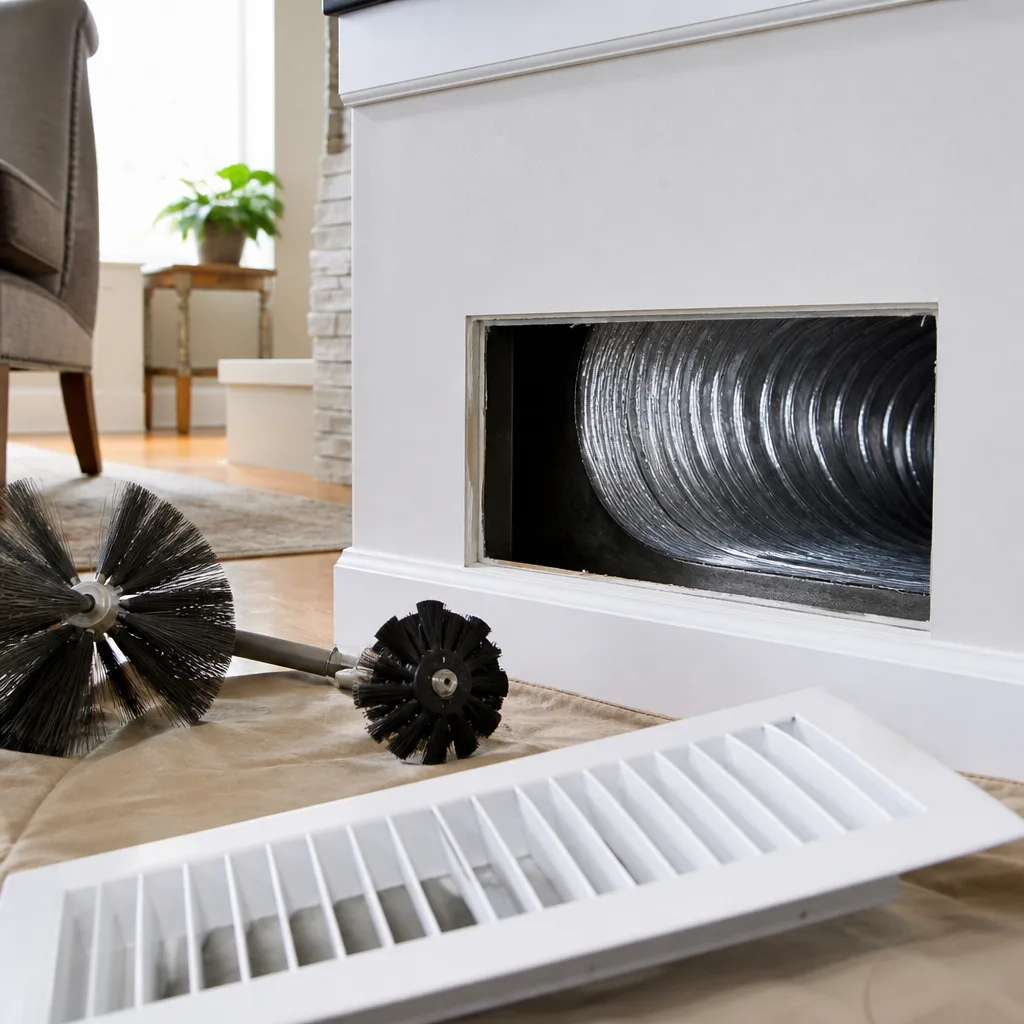
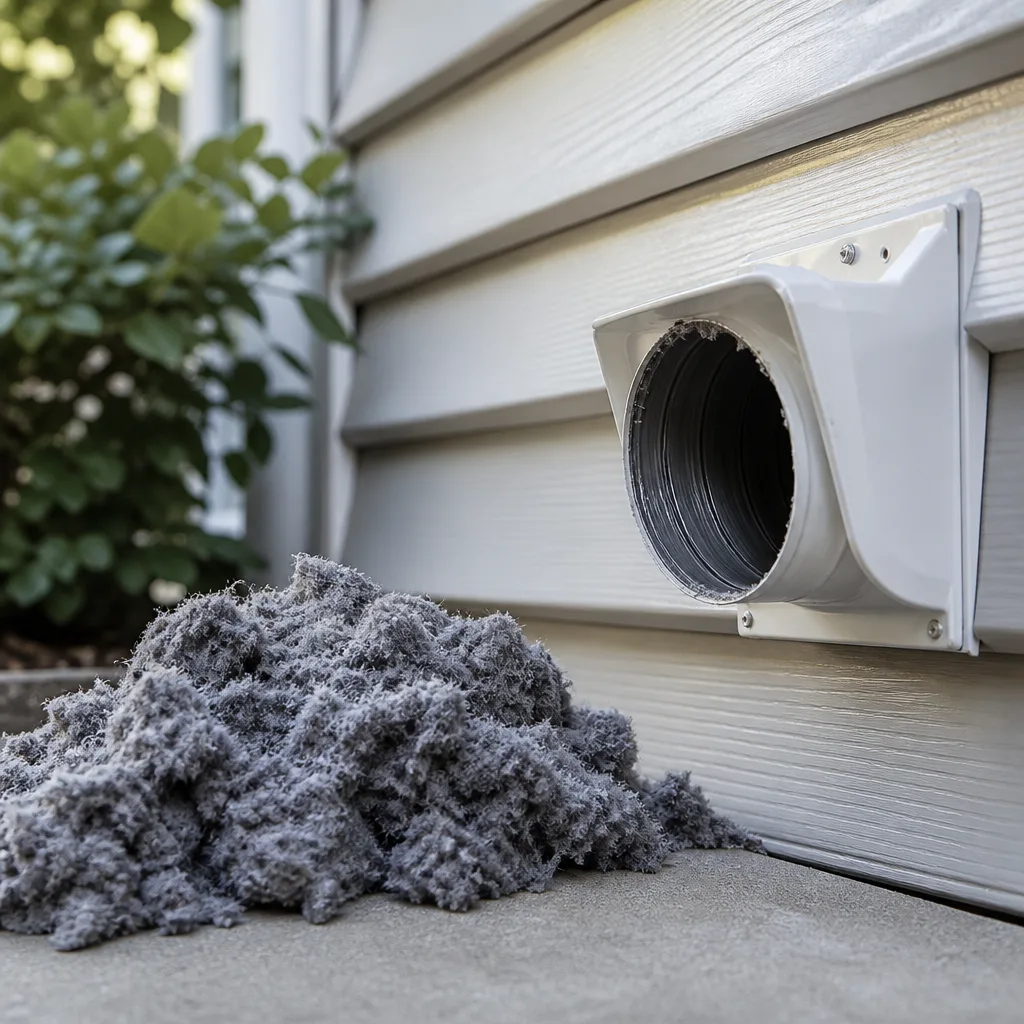
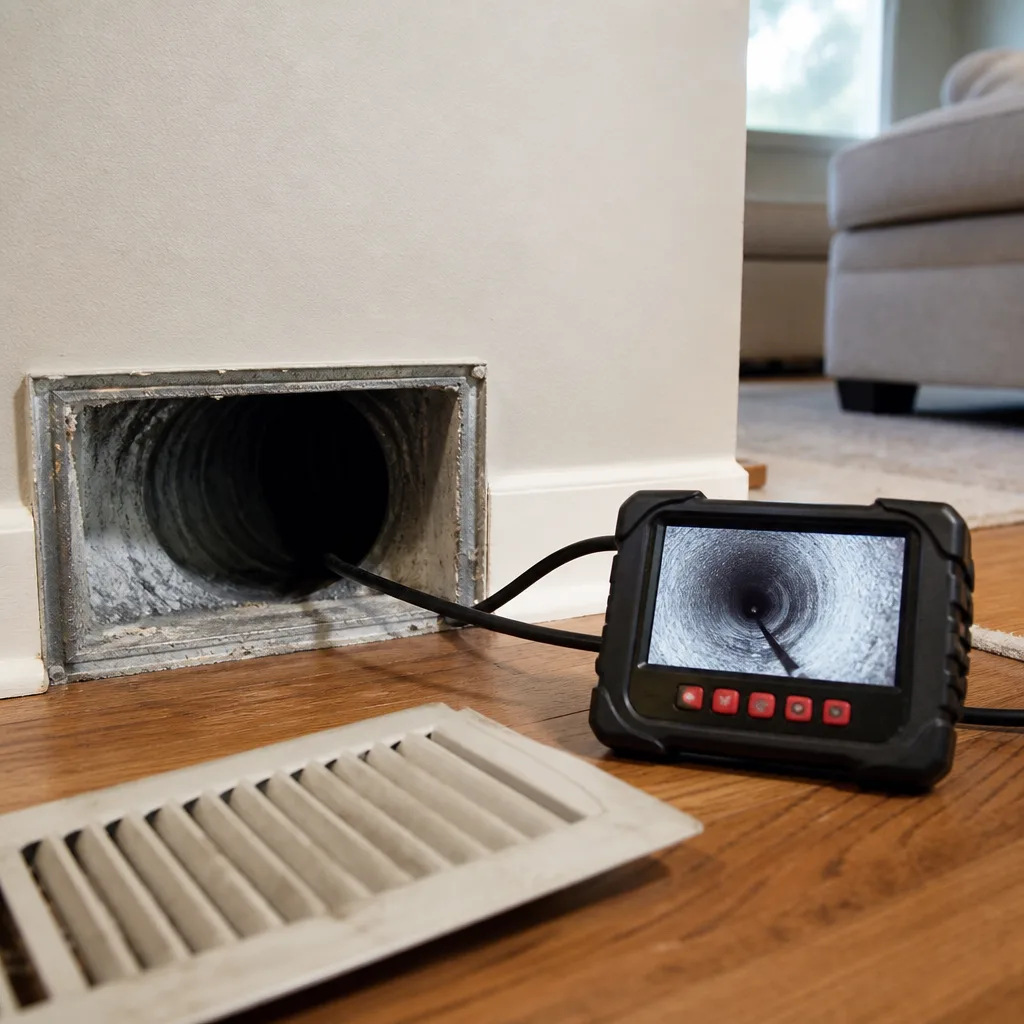
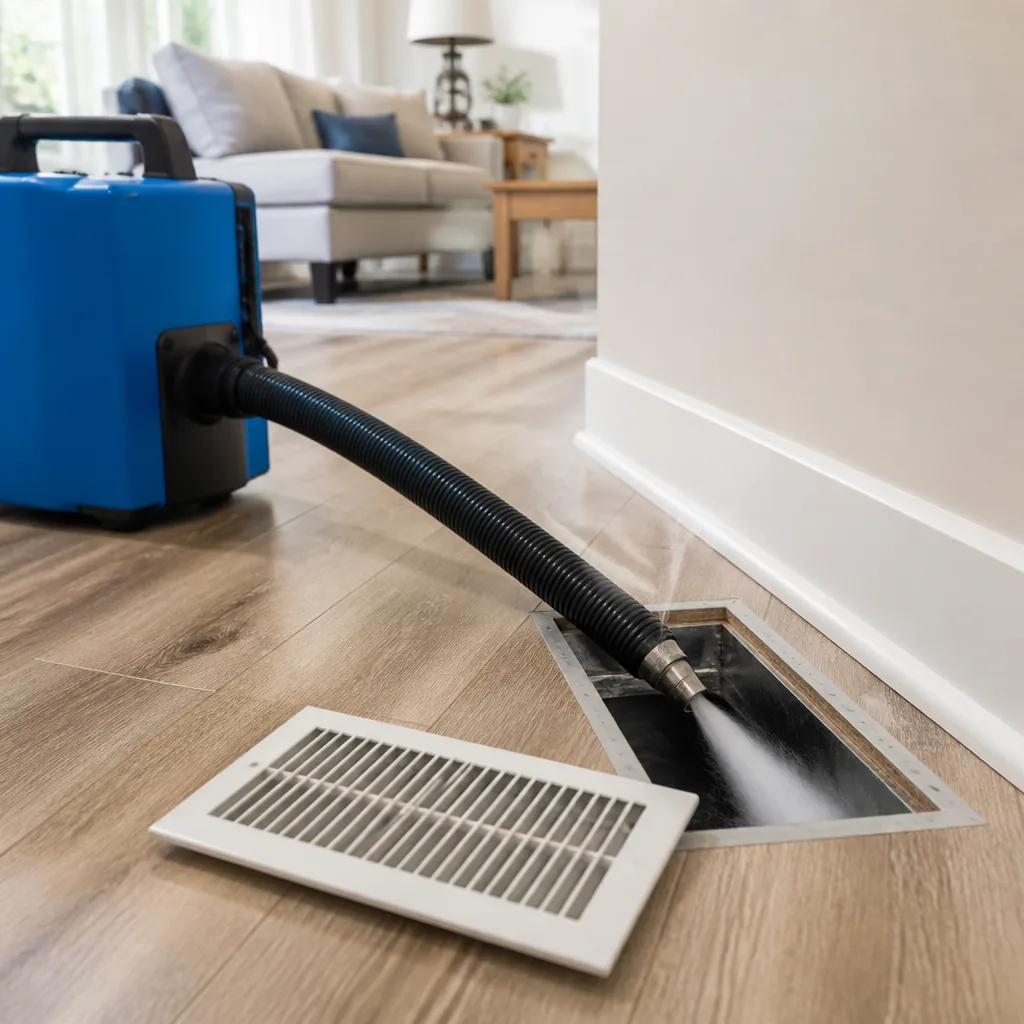
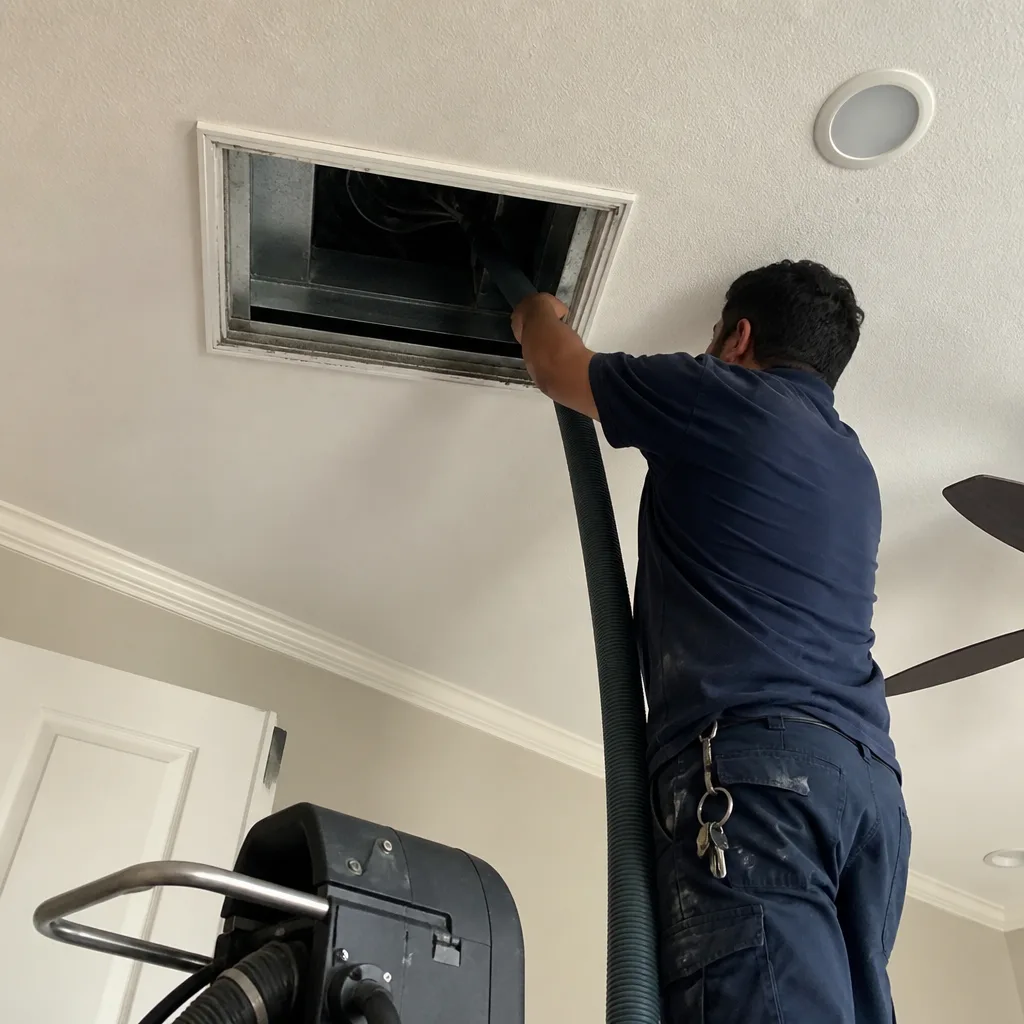
Whole-system duct and dryer vent check with before-and-after photos - you see exactly what came out of your vents
That "$99 whole-house special" is a bait ad - the real number appears once they are in your hallway, or the "clean" is a shop-vac at the register. We photograph the inside of your ducts before and after instead.
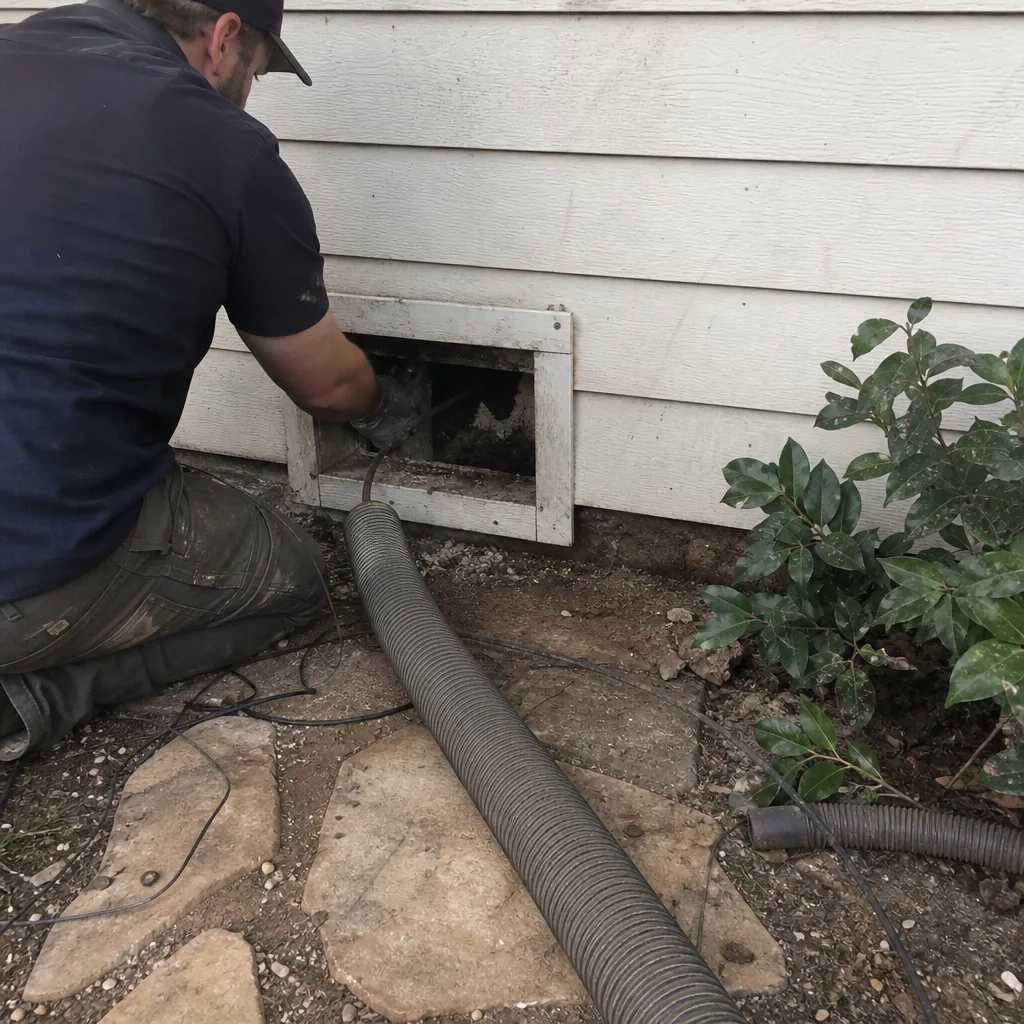 Before
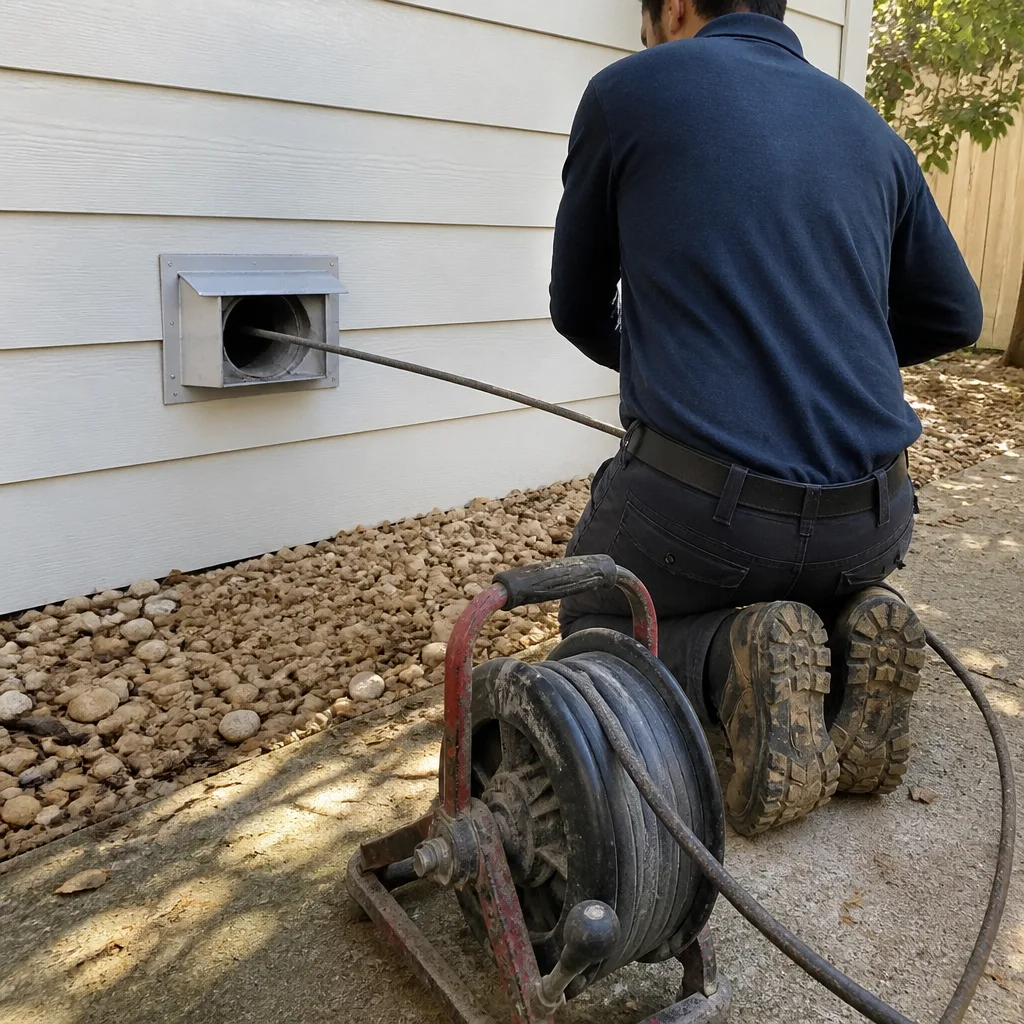 After
After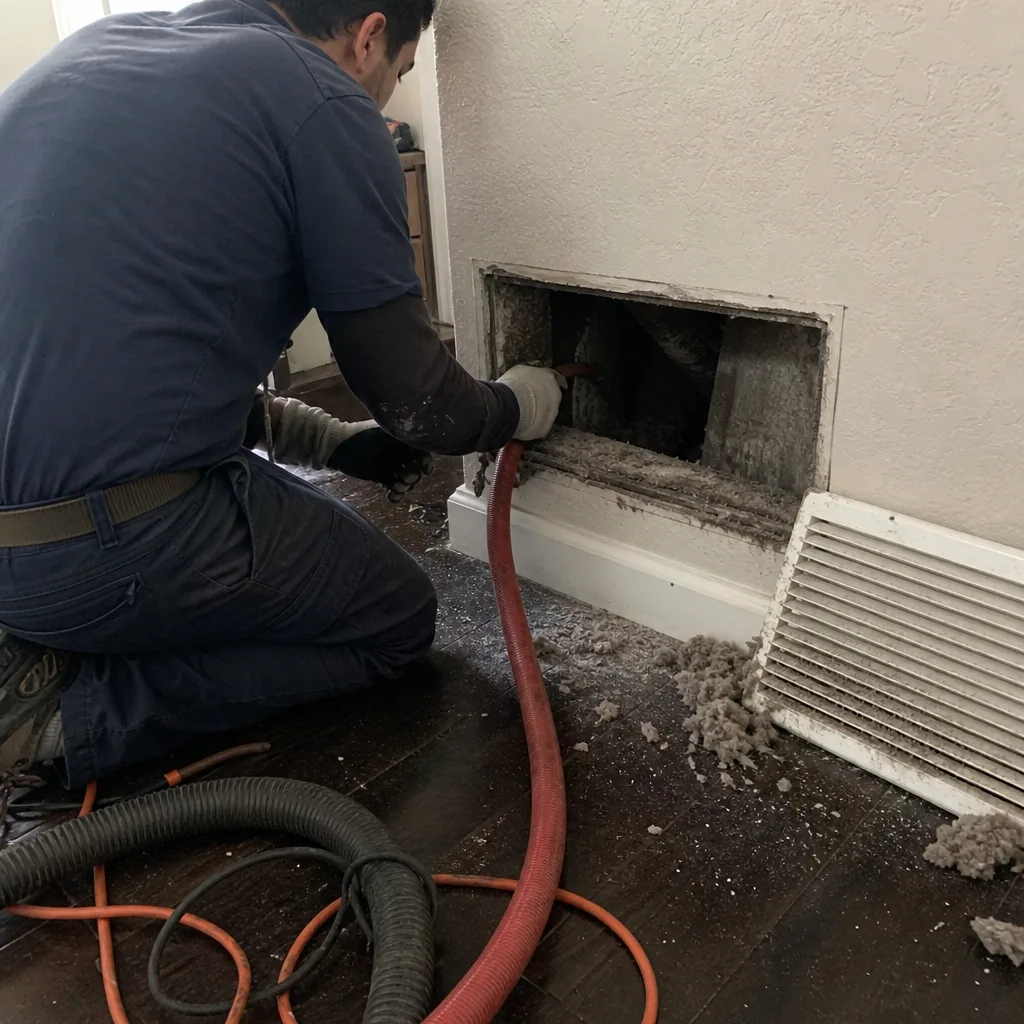 Before
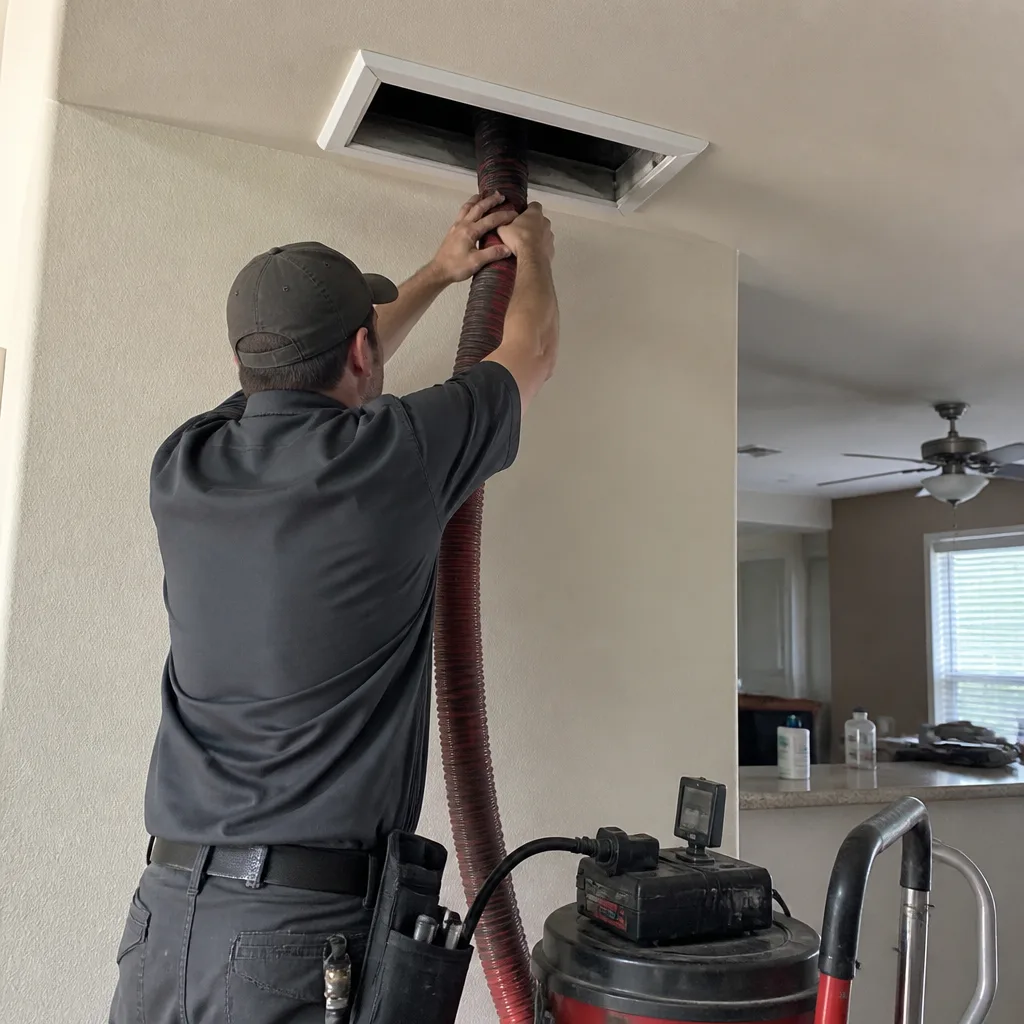 After
After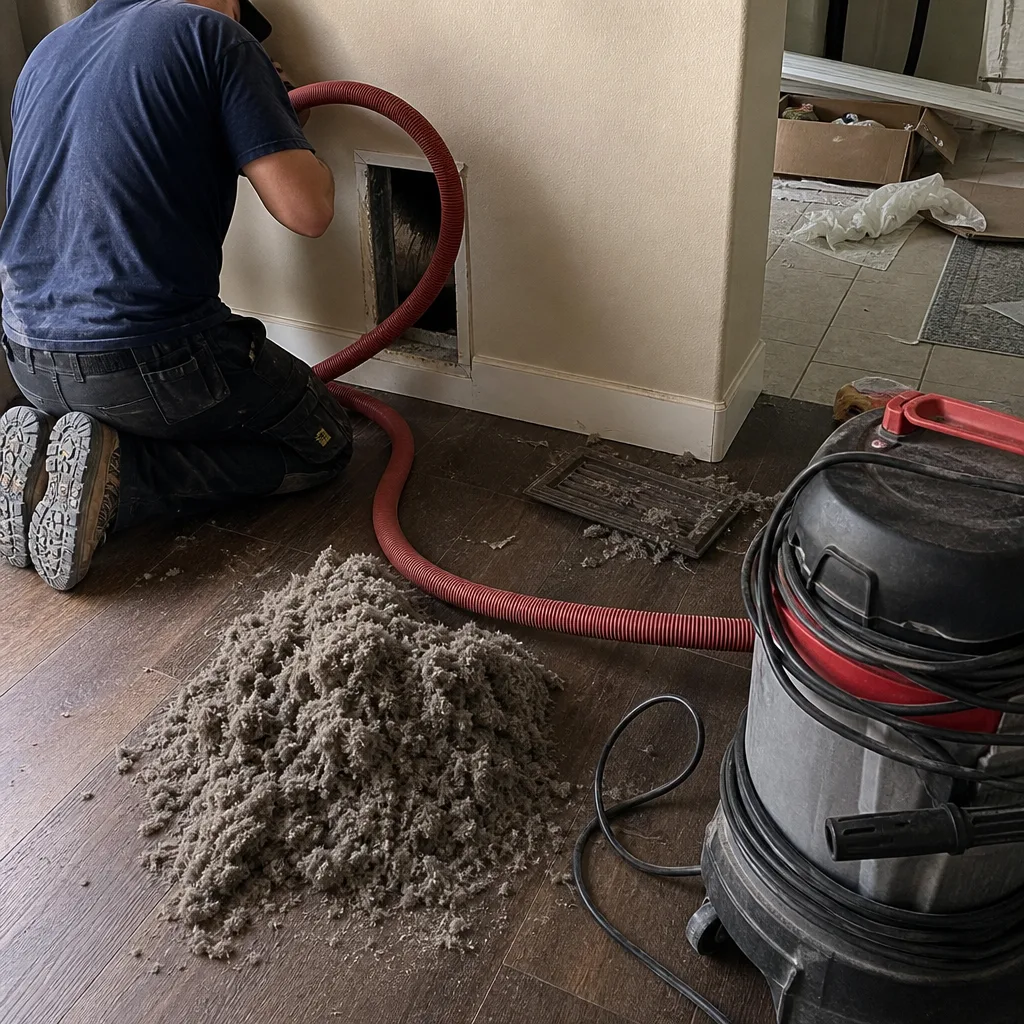 Before
 After
AfterHoneywell Coil Cleaning: The Austin Owner’s Guide
CleanRun stocks and installs Honeywell-compatible evaporator and condenser coil cleaning across Austin, with most residential jobs running $340-$580 for a full system service including access, cleaning, and post-work photo documentation. We carry the full Honeywell coil treatment line on our trucks, and we can typically schedule within 48 hours for standard appointments. Most homeowners realize their Honeywell coil needs attention when the upstairs never reaches set temperature despite the compressor running nonstop, or when they notice a musty, locker-room smell every time the blower cycles on.
Which Honeywell Models This Applies To
Honeywell coils appear across three main residential lines in Austin homes: the C-Series cased evaporator coils (vertical and horizontal configurations), the N-Series uncased coils for custom plenum builds, and the proprietary slab coils found in Honeywell’s matched heat pump systems. The critical compatibility gotcha is the metering device pairing - R-410A systems after 2010 use a TXV-specific coil body that won’t accept a piston metering device without factory modification, and we’ve found at least four Austin-area installs where a mismatched coil caused liquid slugging and compressor damage within two seasons.
To identify your exact coil, check the nomenclature plate on the casing or the stamped model number on the copper header itself. The third digit indicates tonnage (24 for 2-ton, 36 for 3-ton, 60 for 5-ton), and the suffix letter tells you the configuration - V for vertical, H for horizontal, U for upflow/downflow convertible. OEM Honeywell coils run 15-20% higher than quality aftermarket equivalents from Aspen or ADP, but the aftermarket units require careful matching of the orifice or TXV to avoid capacity loss. We stock both on our trucks and will show you the exact part number match before quoting.
CleanRun Air Duct Cleaning Austin is an independent service provider with no affiliation to Honeywell International.
Signs Your Honeywell Coil Cleaning Is Failing
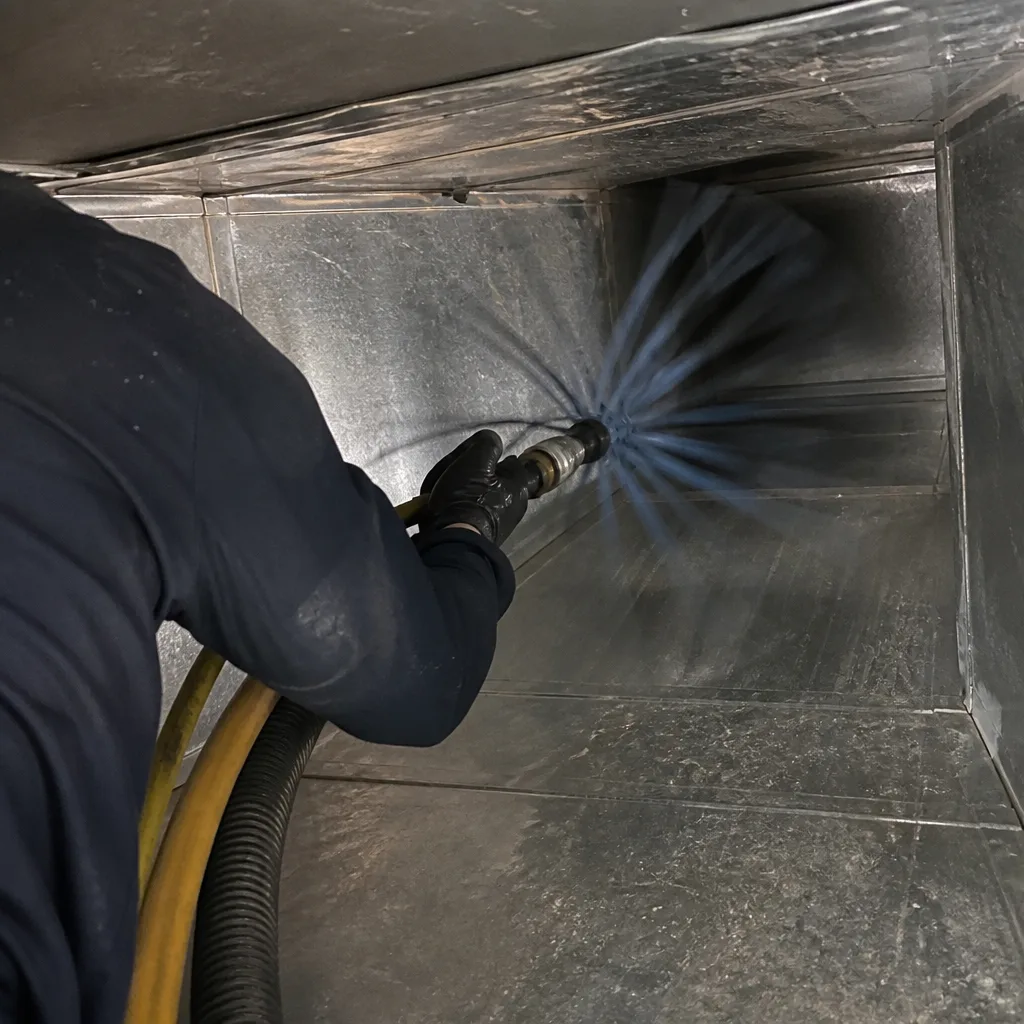
- Uneven cooling with long run cycles. A coil choked with biofilm or compacted dust can’t transfer heat efficiently. The thermostat keeps calling, the compressor runs 20+ minutes per cycle, and the upstairs bedrooms in your Austin home stay 4-6 degrees warmer than the downstairs hallway.
- Visible mold or slime on the coil fins. The camera doesn’t lie - when we open the plenum on a Honeywell system in Austin’s humidity, we regularly find black or green microbial growth between the fins, especially on systems where the drain pan has been slow for more than one season.
- Ice formation on the suction line or coil body. Restricted airflow from debris buildup drops the coil surface temperature below freezing. The ice insulates the coil further, compounding the problem, and in July Austin heat that ice sheet can take 4-6 hours to fully thaw even with the system off.
- Musty or sour odor from registers. Bacterial colonies on a dirty coil produce volatile organic compounds that the blower distributes through every duct run. The smell intensifies when the system first kicks on, then fades as your nose adjusts - guests notice it even when you’ve stopped smelling anything.
- Water stains below the air handler. A dirty coil sheds debris into the drain pan, clogging the condensate line. The pan overflows, and in Austin’s slab-on-grade construction that water often wicks into drywall before anyone sees it dripping.
BeforeAfterReplacement Cost & What’s Included
For Austin homeowners, Honeywell coil cleaning service runs $340-$580 for a complete evaporator or condenser coil service, with the final price depending on system accessibility (attic vs. closet vs. crawl space), coil condition severity, and whether the plenum requires modification to reach the coil surface. That range covers labor, professional-grade foaming cleaner and rinse, fin straightening if needed, drain pan treatment, and full system testing before we leave.
We do not quote per-vent or per-fin pricing. Haven Standard Clause 1 requires one written flat price per system, agreed before any panel comes off. The price we write is the price you pay. Every Honeywell coil cleaning includes our Documented Photo Record - before and after images of the coil surface, delivered as part of your standard job record. The work is backed by our 365-Day Done Right Promise in writing, not as a verbal assurance.
DIY or Call Us?
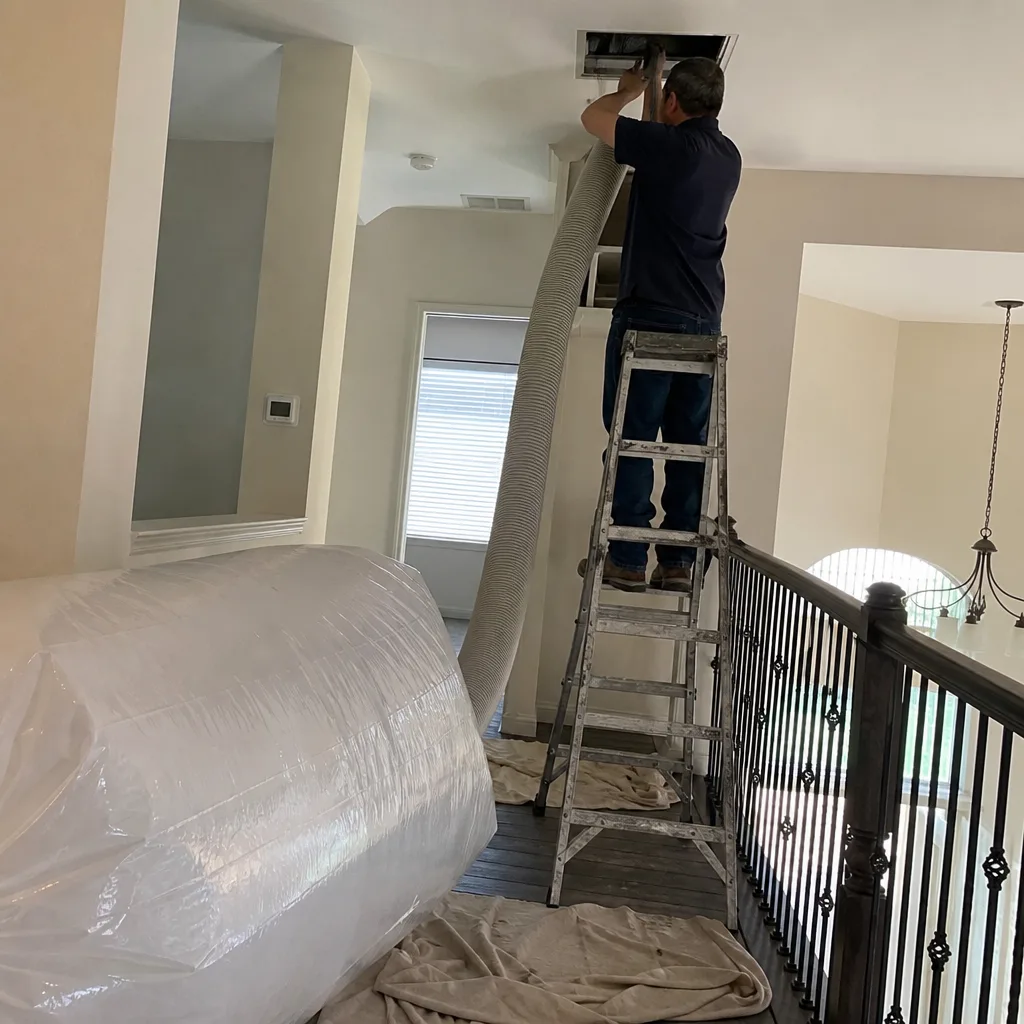
There’s a safe middle ground and a hard stopping point with Honeywell coils. A homeowner can replace the return air filter, verify that all registers are open and unblocked, and pour a cup of white vinegar down the condensate drain line from the exterior cleanout - that’s it. Anything involving the coil itself requires opening the plenum, handling pressurized refrigerant lines, and working around the 240V electrical connections to the air handler.
The foaming cleaners sold at hardware stores will degrade aluminum fins if left on too long, and we’ve documented three Austin jobs this year where a homeowner’s DIY attempt bent the fin stock badly enough that air bypassed the coil entirely. The refrigerant system is sealed and EPA-regulated - opening it without certification is illegal and dangerous. We carry Honeywell-compatible treatments from Guardsman and Abatement Technologies on every truck, and we’ll show you the photo first, then talk about what needs to happen next. Call (737) 243-9544 for a written estimate with no obligation.
FAQs
Most residential evaporator coil cleanings take 2.5 to 4 hours from arrival to final system test, including setup, access, cleaning, reassembly, and photo documentation. Condenser coil cleaning at the outdoor unit runs shorter, typically 90 minutes to 2 hours. We schedule a half-day block so the crew isn’t rushing the post-work verification.
Cleaning is the repair for contamination - fin corrosion or tube leaks are the only conditions that require physical coil replacement. If the fins are intact and the refrigerant charge is stable, professional cleaning restores design airflow and heat transfer. We verify both with pressure testing and temperature-split measurement before declaring the job complete.
Every 3 to 5 years for evaporator coils in typical Austin residential use, with condenser coils benefiting from annual rinsing given our pollen load and limestone dust. Homes near construction, with indoor pets, or with occupants who keep windows open should shorten that interval. The camera shows the truth - we recommend a scope inspection at the 3-year mark and clean based on what we find, not a calendar.
Yes - every CleanRun truck carries Honeywell-compatible foaming cleaner, non-acidic rinse agents, fin combs, drain pan treatment tablets, and the camera equipment to document condition before we quote. We also stock replacement coils for common Honeywell tonnages for same-day swap if cleaning reveals damage beyond recovery. Call (737) 243-9544 to confirm availability for your specific model.
Ready to see what’s actually inside your Honeywell system? Call (737) 243-9544 to schedule a coil inspection with written upfront pricing. We’ll bring the camera, show you the photo, and put the full scope and price in writing before any work begins - Haven Standard Clause 1, every time.
Written by Tomas Reyes, Owner & Lead Technician, CleanRun Air Duct Cleaning Austin at CleanRun Air Duct Cleaning Austin, serving Austin and nearby areas.