
Whole-system duct and dryer vent check with before-and-after photos - you see exactly what came out of your vents
That "$99 whole-house special" is a bait ad - the real number appears once they are in your hallway, or the "clean" is a shop-vac at the register. We photograph the inside of your ducts before and after instead.
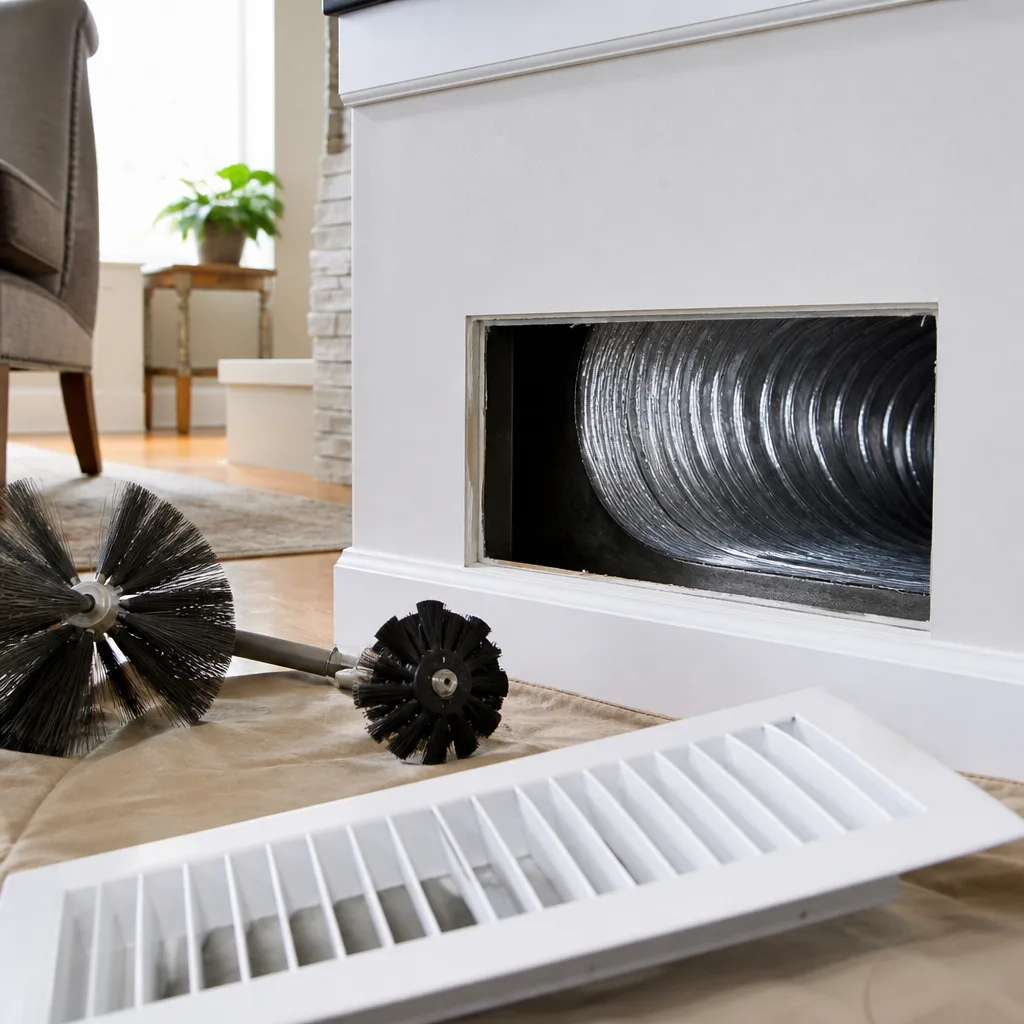
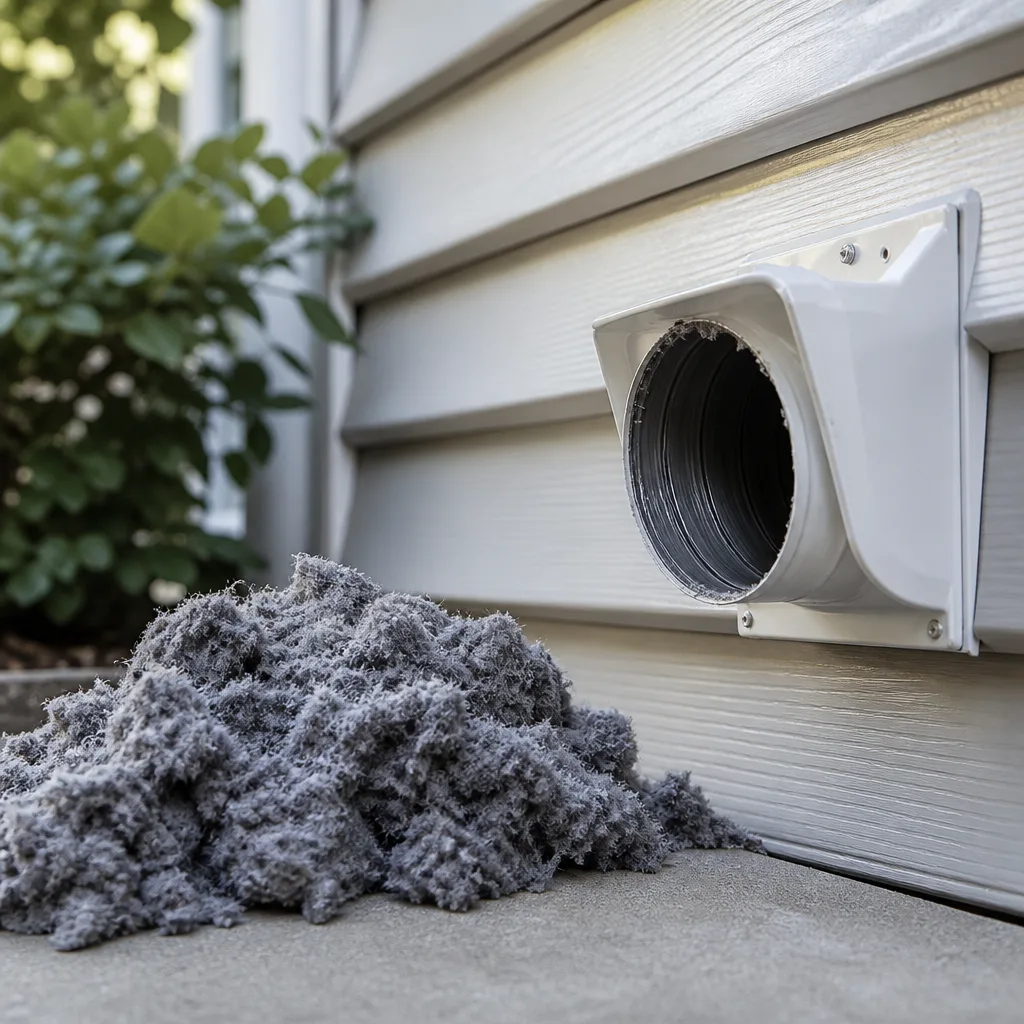
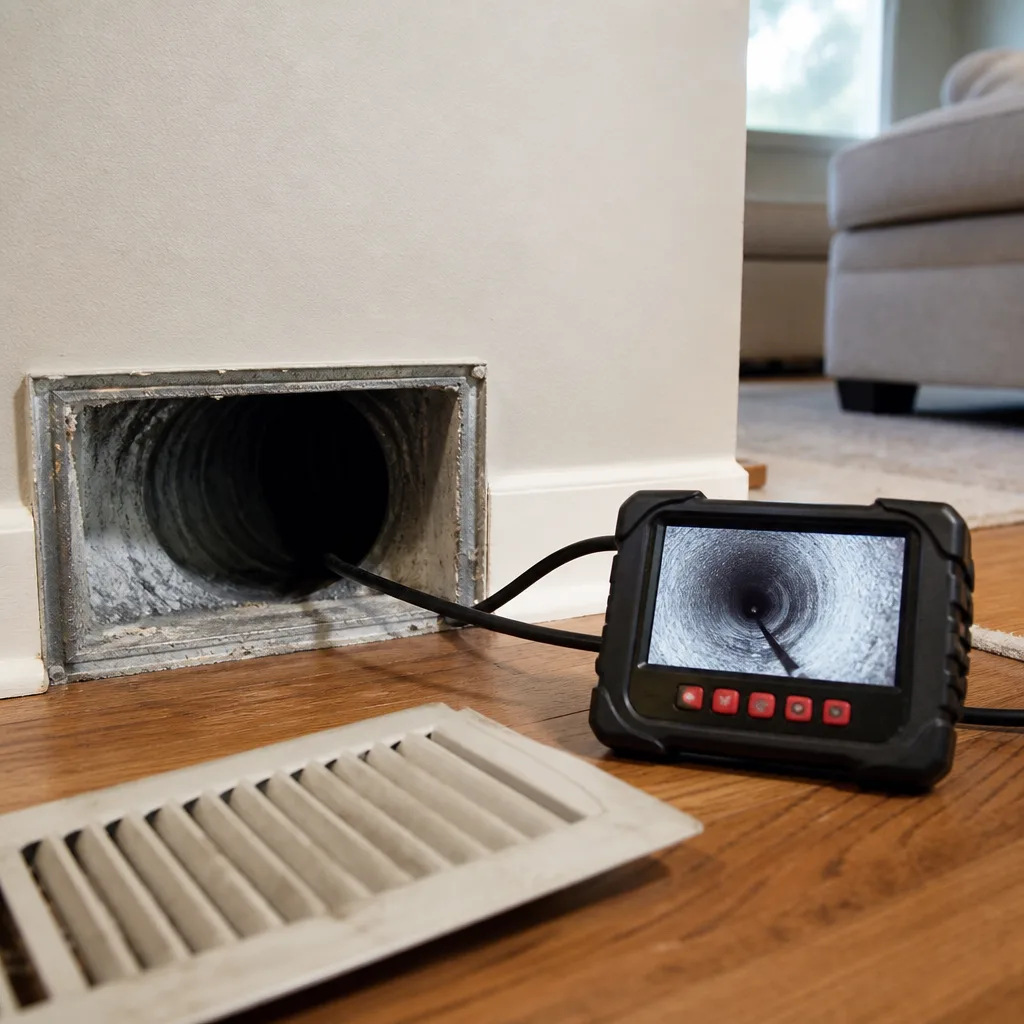
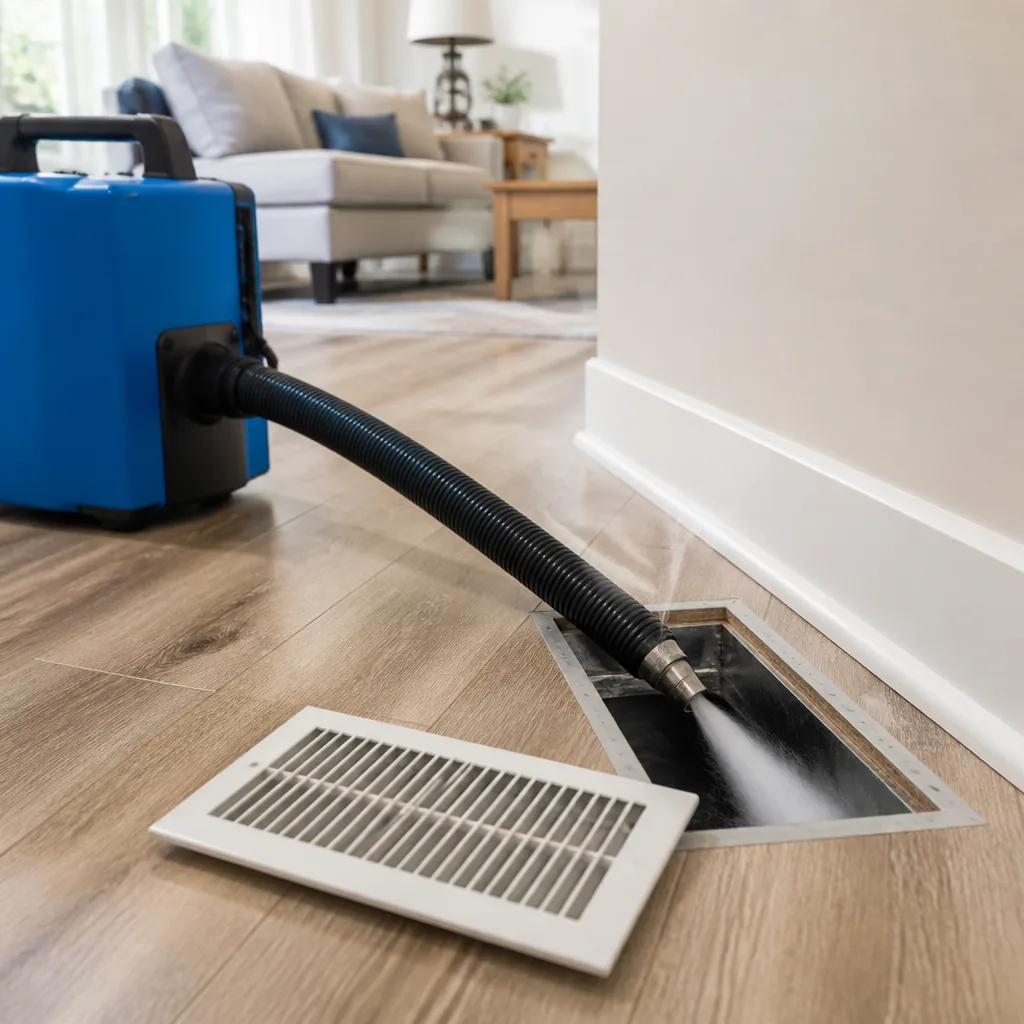
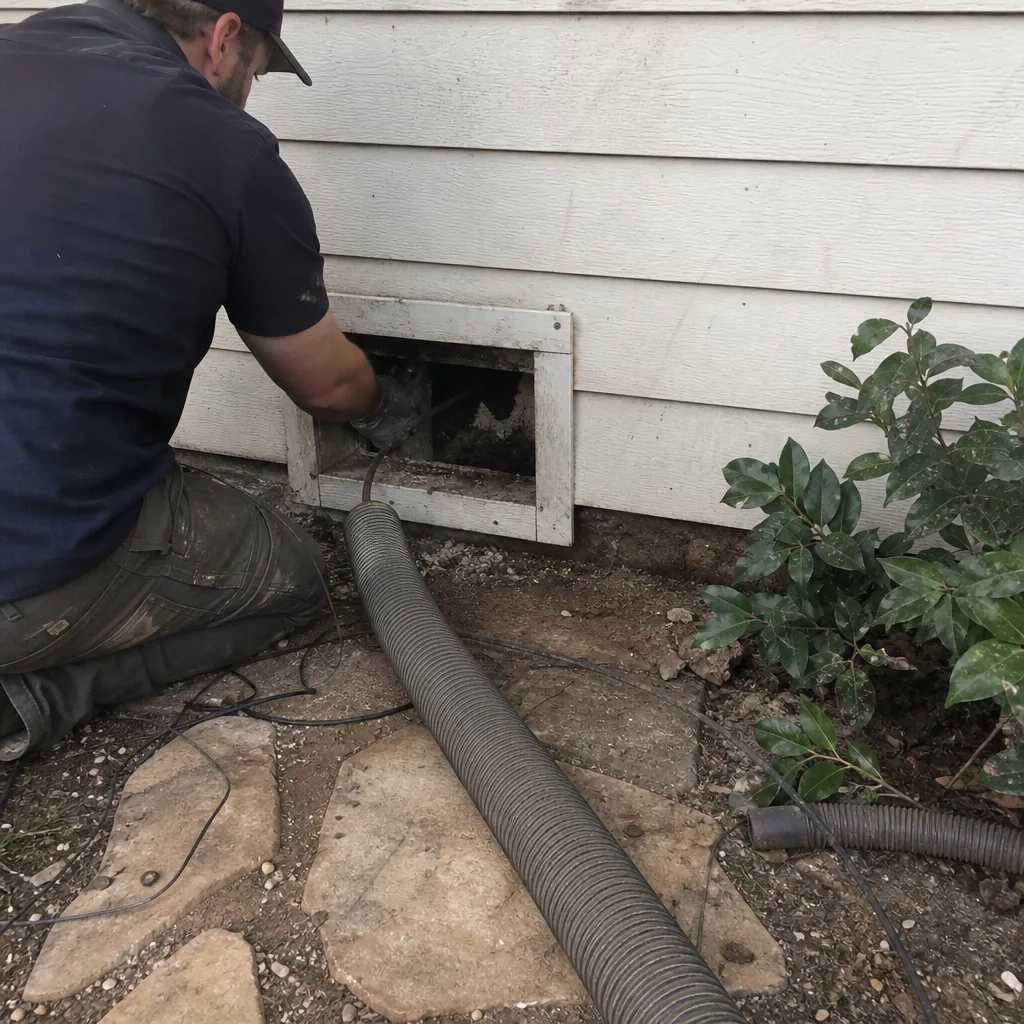 Before
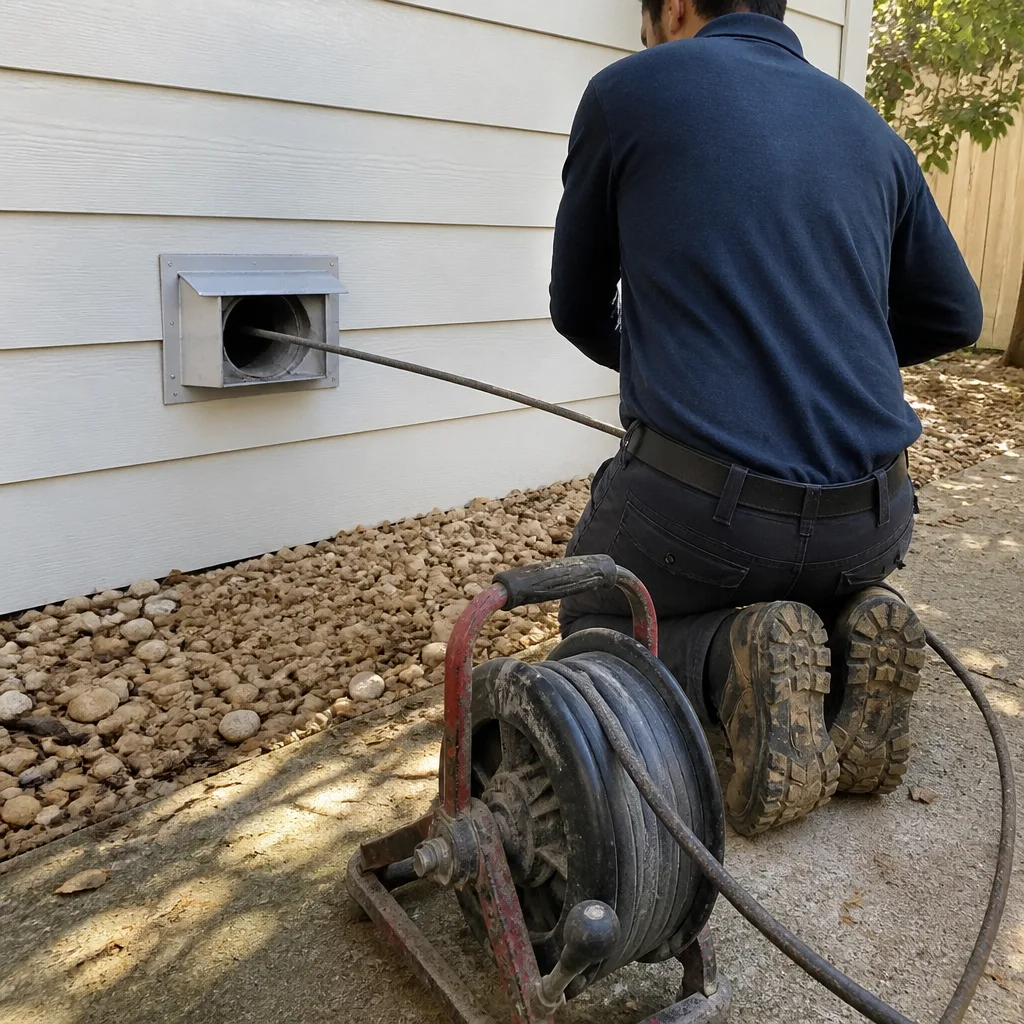 After
After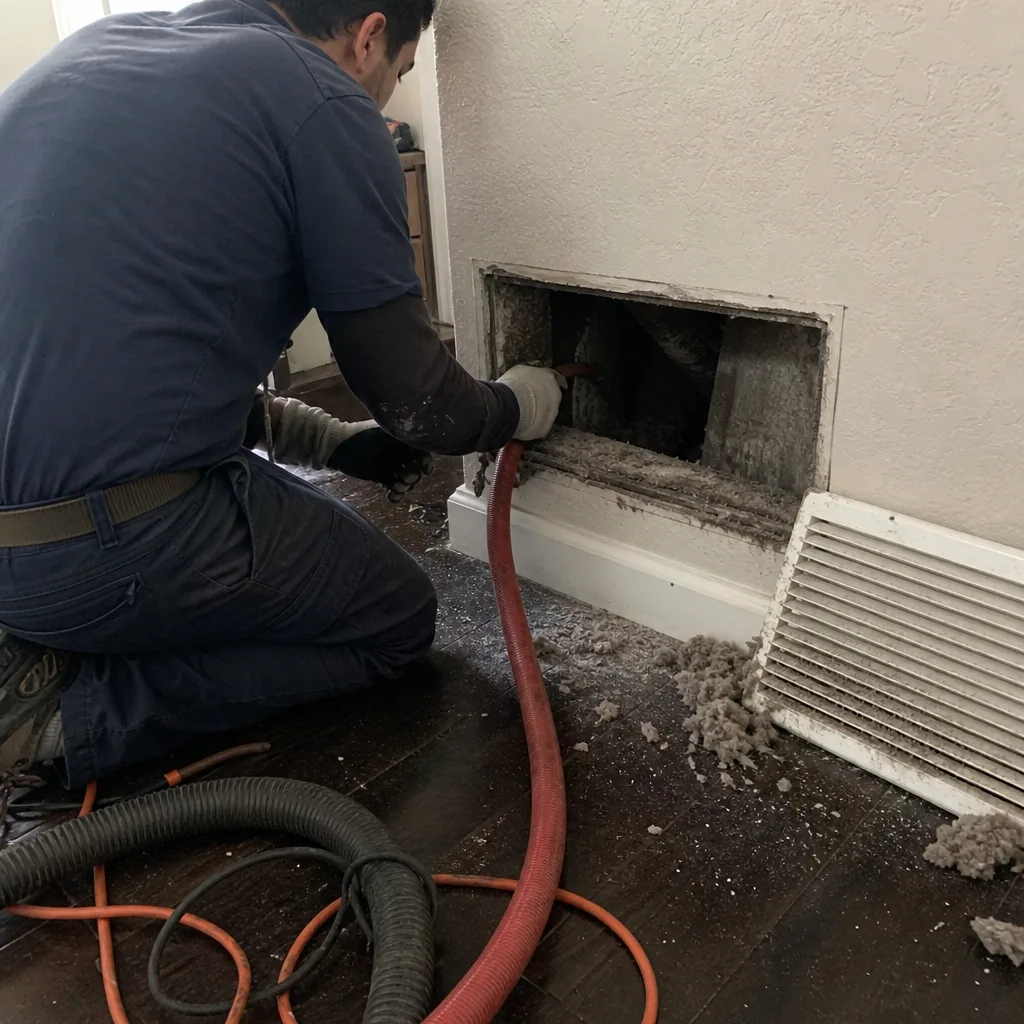 Before
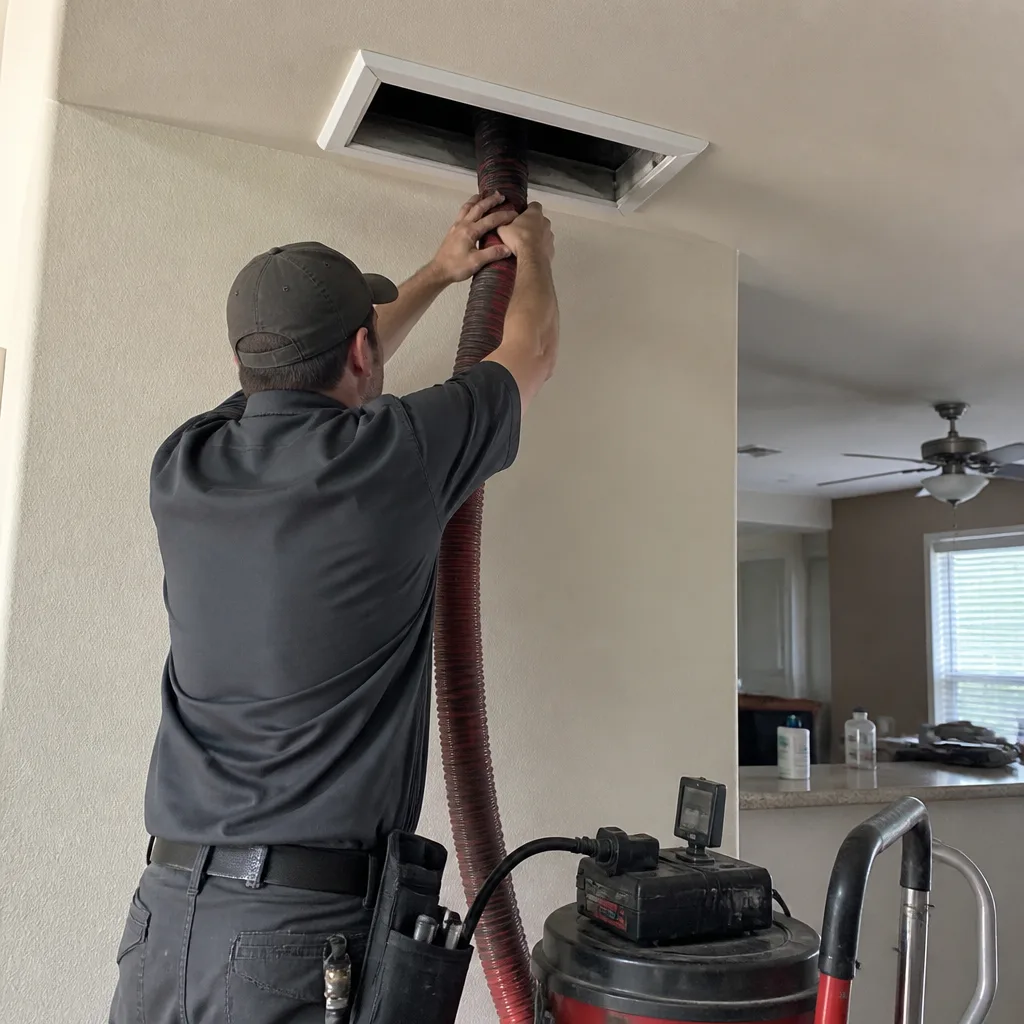 After
After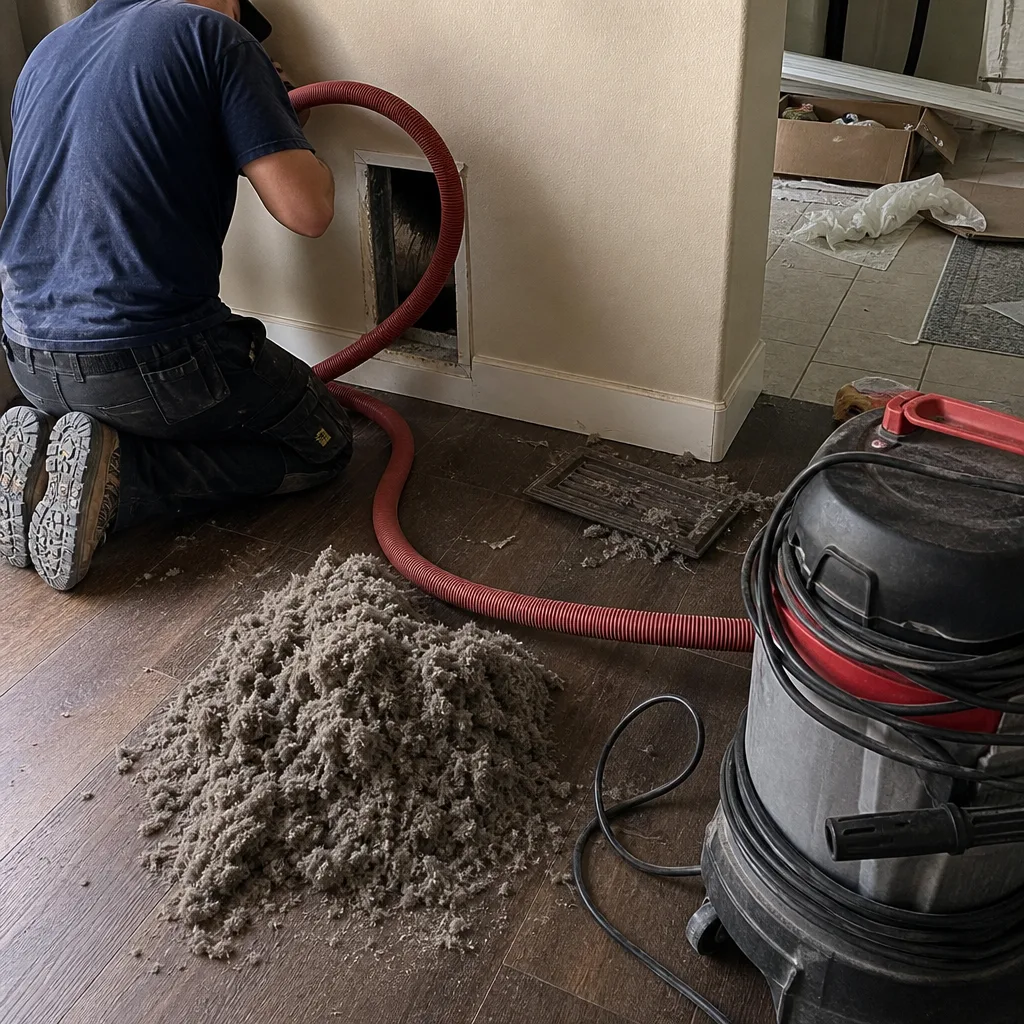 Before
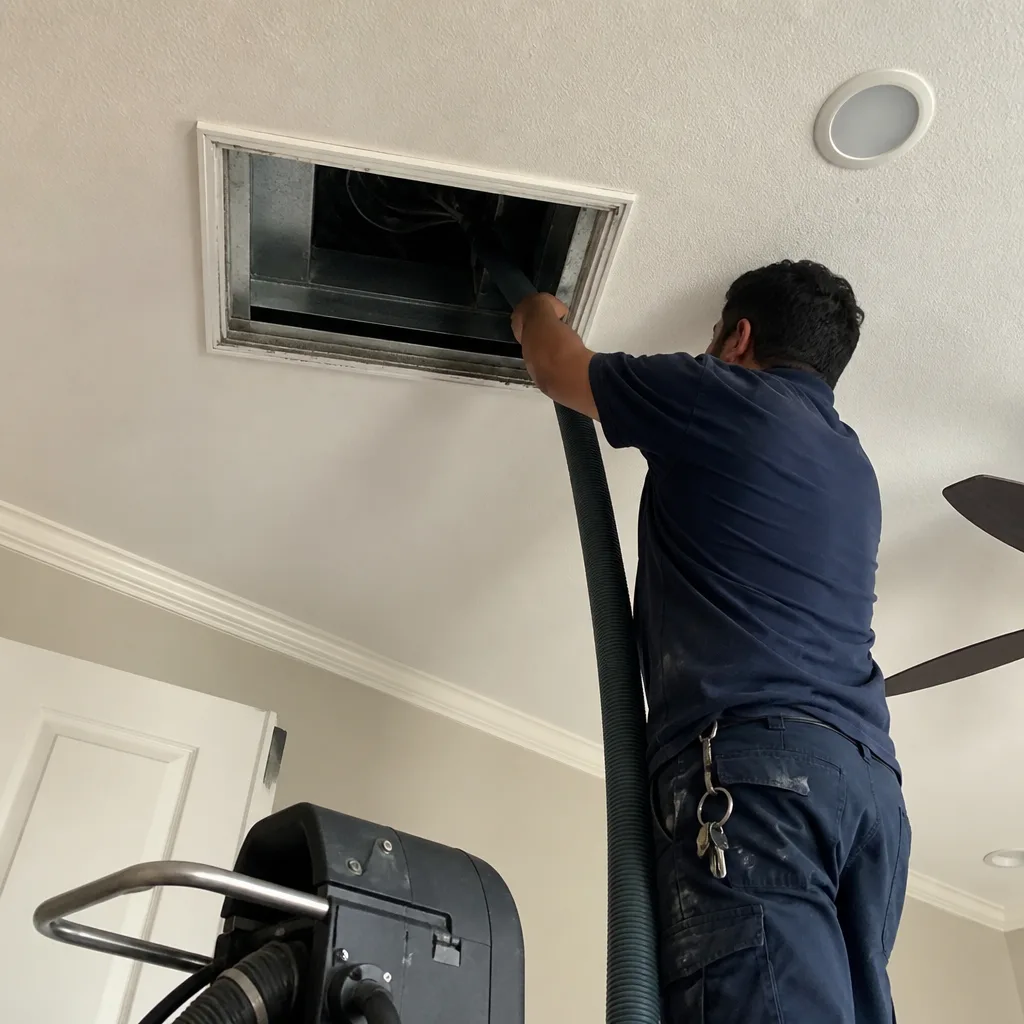 After
AfterReturn Duct Cleaning in Austin, TX
Return duct cleaning focuses specifically on the ducts that pull air back to your HVAC system – the return side of the system that most homeowners don’t think about until airflow drops or dust levels climb. In Austin homes, return ducts are often the dirtiest segment of the whole duct system, because they draw unfiltered or poorly filtered air from every room and funnel it straight toward the air handler. CleanRun Duct Repair & Cleaning has photographed the inside of return plenums and return runs in more than 52,000 homes since 2013, and the debris patterns here are consistently heavier than what we find during Supply Duct Cleaning.
If your HVAC system is working harder than it used to, your filter is loading up faster than the manufacturer’s schedule suggests, or you’re noticing uneven temperatures across your Austin home, the return ductwork is the first place a camera should go. This page explains what return duct cleaning involves, How Much Does Air Duct Cleaning Cost? (2026 Price Guide) - Austin, TX, and exactly how CleanRun documents the work before, during, and after – because a written record is the only honest way to show that anything actually changed.
Questions before you read further? Call (737) 243-9544 – a live person answers every time. This page is also part of our broader Air Duct Cleaning in Austin service, which covers the full system from supply registers to the air handler cabinet.
What Return Ducts Actually Do (And Why They Get So Dirty)
Most people picture duct cleaning and think of the vents that blow air into a room – those are supply registers. Return ducts work in the opposite direction: they pull room air back to the HVAC unit so it can be filtered, conditioned, and redistributed. Every return grille you see on a wall or ceiling is the opening to a return duct run. In Austin homes built between 1985 and 2010 – a period when builders routinely undersized return systems to cut costs – it’s common to find a single large central return trying to serve an entire floor plan that would benefit from three or four distributed returns.
That undersizing matters for cleanliness. When a return is undersized, air velocity through the duct drops, and slower air drops more of its particle load on the duct walls. The plenum – that’s the large rectangular box directly attached to the air handler’s inlet – acts as a settling chamber where dust, pet dander, fiberglass particles from deteriorating duct liner, and pollen collect over years. In Austin’s climate, where cedar and oak pollen counts routinely hit the top of national charts from November through April, and where high humidity through summer months can introduce mold spore loads, the debris we photograph inside return plenums is rarely just dust.
Return ducts also carry air past any penetrations, gaps, or disconnected joints in the duct system. Austin’s slab foundations and the temperature swings between a 100-degree attic and a 72-degree living space cause duct connections to flex and, over time, separate. A gap in a return run draws unconditioned attic air, insulation fibers, and whatever else is in the attic directly into the air stream headed for your equipment and your family. CleanRun technicians photograph those gaps as part of the standard job record – not as an upsell trigger, but because a documented gap is a documented problem that has a documented solution.
When You Need Return Duct Cleaning
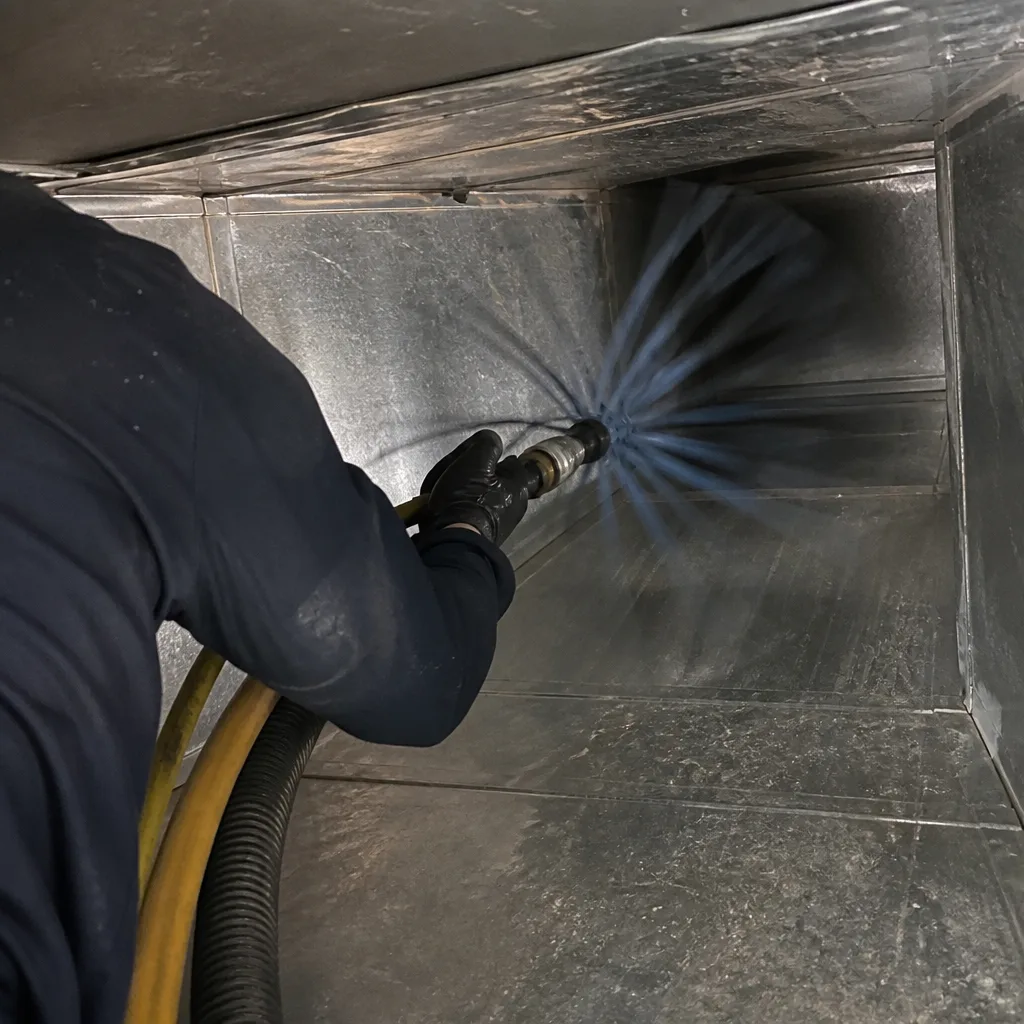
- Your HVAC filter loads in two weeks instead of the rated 30-60 days. Return ducts upstream of the filter are almost certainly contributing debris to the air stream. In Austin neighborhoods like Brentwood or Allandale, where older homes have original flex duct runs that have never been cleaned, two-week filter cycles are something we see regularly – and the camera almost always shows why.
- Airflow at supply registers has dropped noticeably. Restricted return flow creates negative pressure imbalances that choke supply output. This isn’t just a comfort issue; it puts mechanical strain on the air handler and shortens equipment life. A return plenum packed with compacted debris can reduce effective airflow by 20 percent or more.
- You smell something musty when the system first kicks on. Mold growth on the interior liner of return ducts is more common than most homeowners expect in Austin, where summer relative humidity routinely runs 70 percent or higher before the air handler brings it down. That first-kick smell is often a return duct problem, not a supply duct problem.
- Your home was recently renovated, or you did finish work yourself. Drywall dust, joint compound particles, and sawdust are the fastest way to coat the interior of a return system. Contractors in Austin are supposed to block return grilles during renovation work, but it doesn’t always happen – and fine particles from construction are harder on HVAC components than ordinary household dust.
- You bought the house after 2015 and have no documentation of prior duct cleaning. This is the single most common situation we see in the 78703, 78704, 78745, and 78750 zip codes. A home inspection doesn’t include duct inspection, so buyers often take possession of a house with 10 or more years of debris in the return system and no way to know it until they start paying higher energy bills or replacing filters constantly.
- The system has been idle for an extended period – common after a rental vacancy or an estate situation. Stagnant return ducts accumulate debris differently than actively used systems, and pest activity during vacancy periods can leave material inside return runs that a standard filter won’t catch.
BeforeAfterOur Return Duct Cleaning Process
- Camera inspection and written price before anything is opened. A CleanRun technician scopes the return plenum and at least two return runs with a duct camera before the written price is delivered. What the camera shows – not what a technician estimates by feel – determines the scope. The written price goes to you before any panel is removed. This is Haven Standard Clause 1, and it applies without exception. There is no scenario at CleanRun where work starts before you have a number on paper.
- System isolation and negative-pressure setup. Negative-pressure extraction means the Nikro or Abatement Technologies collection unit creates a continuous vacuum at the air handler inlet, so dislodged debris moves toward containment equipment rather than into the living space. Return ducts are isolated from the supply side so that cleaning one side of the system doesn’t push contamination through the other. The system runs at negative pressure throughout the cleaning phase – not just during setup.
- Mechanical agitation of each return run. A Rotobrush rotary brush system or equivalent mechanical agitation tool is worked through each return duct run from the grille opening toward the plenum. Rotary brushing dislodges compacted debris that vacuum alone cannot move. In older Austin homes with fiberglass duct liner, brush selection and pressure are adjusted to clean the liner without damaging it – degraded liner sheds particles that become a return-air contamination source of their own.
- Plenum cleaning and inspection. The return plenum – the large collection box at the air handler inlet – is cleaned separately, because debris tends to stratify and compact here more than anywhere else in the return system. Technicians access the plenum through an existing service panel or, where none exists, through a temporary access point that is properly sealed when the work is complete. The plenum interior is photographed before and after cleaning as part of the standard job record.
- Gap and joint documentation. While return runs are accessible, any disconnected joints, separated flex duct connections, or gaps at boot collars are photographed and noted in the job record. If repair is needed, a separate written price for that scope is provided before any repair work begins. Cleaning and repair are quoted separately so you can make an informed decision about each.
- After-photos, filter check, and written job record delivered to you. Every return run and the plenum are photographed after cleaning using the same camera angles as the before shots. The full documented photo record – before, during, and after – is delivered to you as part of the standard job. You’ll be able to see exactly what was inside the ducts and what they look like now. If a Honeywell or Aprilaire filtration upgrade is appropriate given what the camera showed, a technician will note it in the record and explain the option – no pressure, just information.
Return Duct Cleaning Pricing in Austin
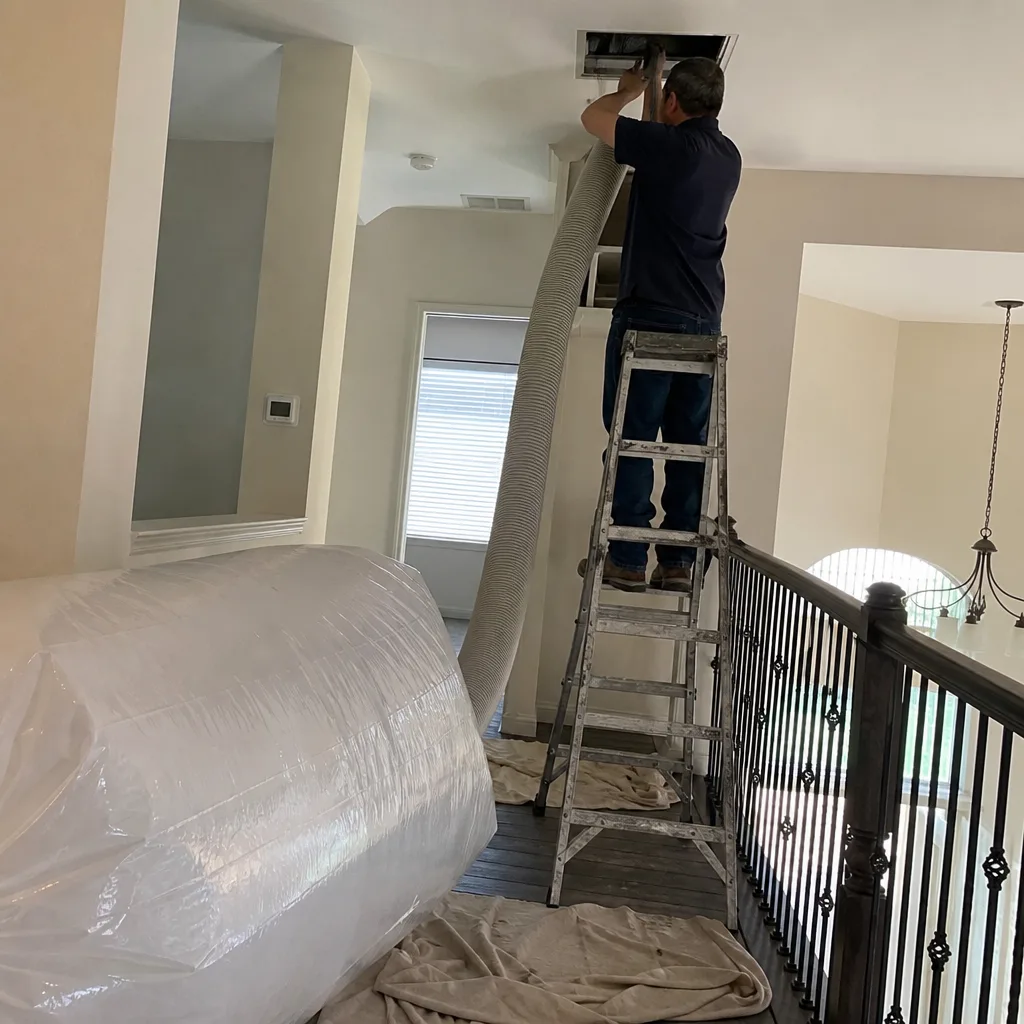
Return duct cleaning in Austin typically runs between $180 and $420 as a standalone service, depending on the number of return runs, the size of the return plenum, and the current condition of the ductwork interior. That range reflects Austin market pricing as of 2025-2026 and is based on actual jobs CleanRun has documented across Travis and Williamson counties – not a national average applied to a local market.
| Scope | Typical Austin Price Range |
|---|---|
| Single return plenum + up to 3 return runs (smaller home, under 1,500 sq ft) | $180 – $240 |
| Return plenum + 4-7 return runs (mid-size home, 1,500-2,800 sq ft) | $240 – $320 |
| Return plenum + 8+ return runs, or significant debris load / mold remediation scope | $320 – $420+ |
| Return duct cleaning bundled with full system cleaning | Quoted as part of full-system price – typically 15-20% less than line-item separate |
A few things that move the price within that range:
- Number of return registers. Most Austin homes under 2,000 square feet have two to four return grilles. Larger homes in areas like West Lake Hills, Circle C Ranch, or Steiner Ranch often have six to ten return openings, each connected to its own run that requires mechanical cleaning.
- Debris load and liner condition. A return system that hasn’t been cleaned since the home was built in 2003 takes more time and more passes to clear than one that was cleaned four years ago. The before-camera inspection is the honest way to set that expectation before any work starts.
- Plenum accessibility. Return plenums in attics or tight mechanical closets take longer to access and photograph properly. That time is reflected in the written price, not added after the job.
- Mold or microbial growth. If the camera shows active mold growth on duct liner – which does happen in Austin homes with humidity control problems – remediation is a separate scope with a separate written price. CleanRun does not apply sanitizing agents without first showing you the camera footage that justifies it.
Every price is written before work begins. That’s Haven Standard Clause 1. If a competitor has given you a written estimate, bring it – CleanRun’s Free Second Opinion means we’ll put our own number next to theirs in writing so you can compare them side by side.
Call (737) 243-9544 to schedule an estimate. The call takes about five minutes and a live person answers.
FAQs – Return Duct Cleaning
What is the difference between return duct cleaning and supply duct cleaning?
Return duct cleaning addresses the ducts that pull room air back to the HVAC unit, while our Air Duct Cleaning services address the supply ducts that push conditioned air out through registers into your rooms. Return ducts handle unfiltered or partially filtered air, so they tend to accumulate heavier debris loads – especially in the plenum (the large inlet box at the air handler). Both sides of the system should be cleaned for a complete job, but return ducts are often the higher priority when filter loading, airflow restriction, or odor on startup are the presenting symptoms. CleanRun quotes both sides of the system in the same written estimate so you can decide what scope makes sense for your situation.
How much does return duct cleaning cost in Austin?
Return duct cleaning in Austin runs between $180 and $420 for most residential jobs, depending on the number of return runs, the size of the return plenum, and the debris load the before-camera inspection documents. Smaller homes under 1,500 square feet with two to three return runs typically land in the $180-$240 range. Larger homes or systems with significant build-up run higher. The written price you receive before any work starts reflects exactly what the Video Inspection showed – not an estimate built on assumptions. Call (737) 243-9544 and a live person will walk through the estimate process with you.
Can return duct cleaning improve airflow in my Austin home?
Yes, and in many cases the improvement is measurable. Return ducts that are partially blocked with debris restrict the volume of air the system can draw in, which directly reduces supply output at registers. When the restriction is in the return plenum or in a major return trunk line, a single cleaning session can restore meaningful airflow without any change to equipment. That said, CleanRun documents airflow conditions before and after cleaning as part of the job record so you’re not taking anyone’s word for it – the before-and-after photos show the interior condition of each run, and your own experience with the system in the days after the job is the real-world test.
How often should return ducts be cleaned in an Austin home?
For most Austin homes occupied by adults with no pets and no significant renovation activity, return duct cleaning every five to seven years is a reasonable baseline. Homes with pets, allergy sufferers, or young children are better served by a four-to-five-year cycle. Austin’s cedar fever season (November through February) and the extended high-pollen spring from live oaks means the particle load entering return ducts here is higher than the national average suggests. If your filter is loading faster than its rated lifespan, that’s a signal to inspect the return system sooner rather than waiting for the calendar. The before-camera inspection at the start of every CleanRun visit will tell you the actual condition – which is more useful than any fixed schedule.
Why CleanRun Documents Return Duct Cleaning Differently
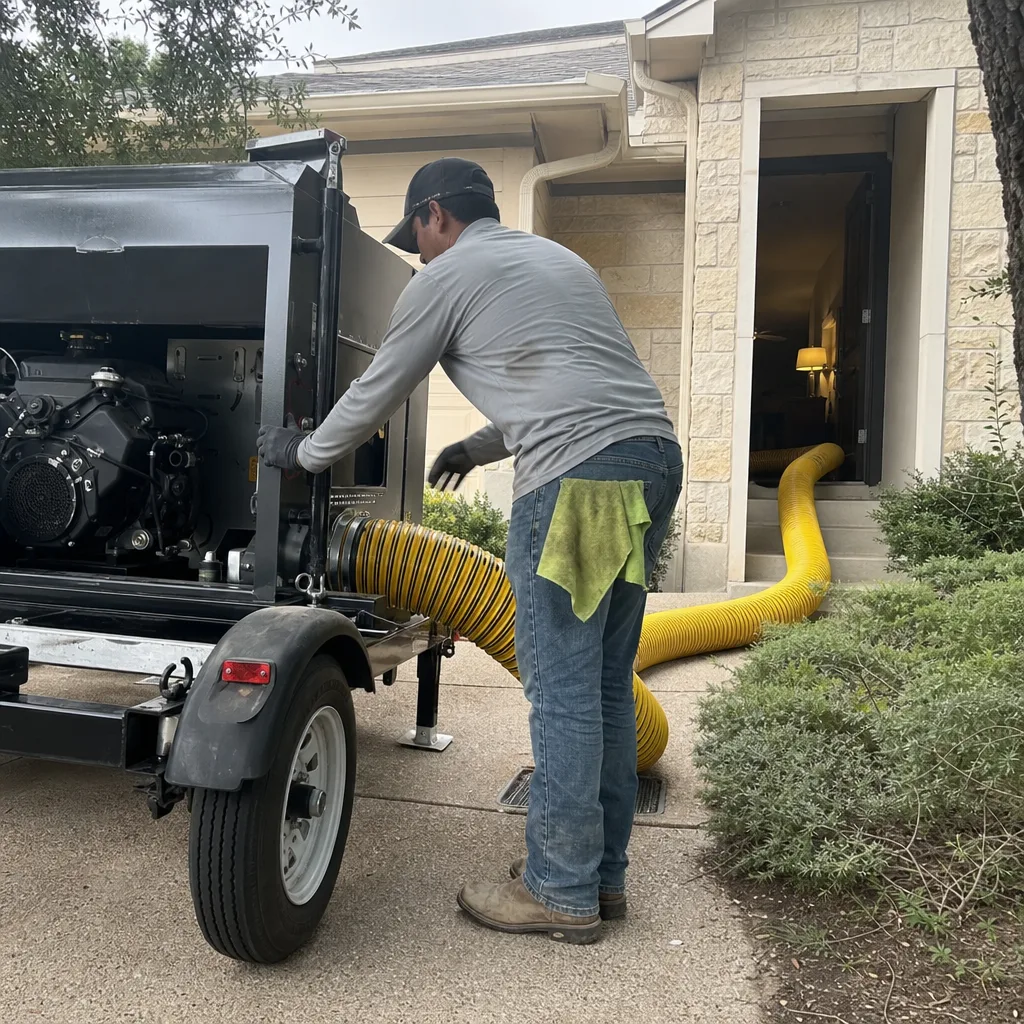
There is no shortage of duct cleaning companies operating in Austin. The $79 coupon model – one price, any house, shop-vac and blower – has been in the market for as long as anyone can remember, and it’s still out there. CleanRun’s position is different, and it’s documented rather than claimed.
Every return duct cleaning job since 2013 has followed the same record: written price before work starts, camera footage of every run before a brush touches it, and the same camera angles after the work is done. That record goes to the customer. Not as a PDF attached to an invoice nobody reads, but as a usable before-and-after record that shows what was in the ducts and what they look like now. The 365-Day Done Right Promise – backed in writing on every job – means that if the work isn’t right, CleanRun makes it right. That commitment doesn’t expire with the technician’s departure.
Tomas Reyes built CleanRun on the position that the only way to serve an Austin homeowner who researches everything before making contact is to show them the evidence. Written price, documented photo record, professional-grade equipment from brands like Abatement Technologies and Rotobrush that customers can look up independently, and background-checked technicians identified by name before arrival under Haven Standard Clause 3: Verified Crews. That’s what a CleanRun return duct cleaning job produces.
This page is part of CleanRun’s home service documentation. For the full scope of what a whole-system cleaning involves – supply runs, return runs, plenum, registers, and air handler cabinet – see the main Air Duct Cleaning in Austin page.
Key Takeaways
- Return ducts pull room air back to the HVAC system and are typically the dirtiest segment of the duct network, especially in Austin homes built before 2010.
- Symptoms that point specifically to return duct problems: fast filter loading, reduced airflow at supply registers, musty smell on startup, and post-renovation debris accumulation.
- CleanRun’s process begins with a camera inspection and a written price – before any panel is removed – and ends with a documented before-and-after photo record delivered to the customer.
- Return duct cleaning in Austin typically costs $180-$420 depending on system size and debris load, with full-system bundles running proportionally less per component.
- The 365-Day Done Right Promise backs every job in writing. If the work isn’t right, CleanRun makes it right – no manager approval required.
- Equipment used includes Rotobrush mechanical agitation systems and Nikro or Abatement Technologies negative-pressure extraction units – professional-grade tools available to verify independently.
Schedule Your Return Duct Cleaning in Austin
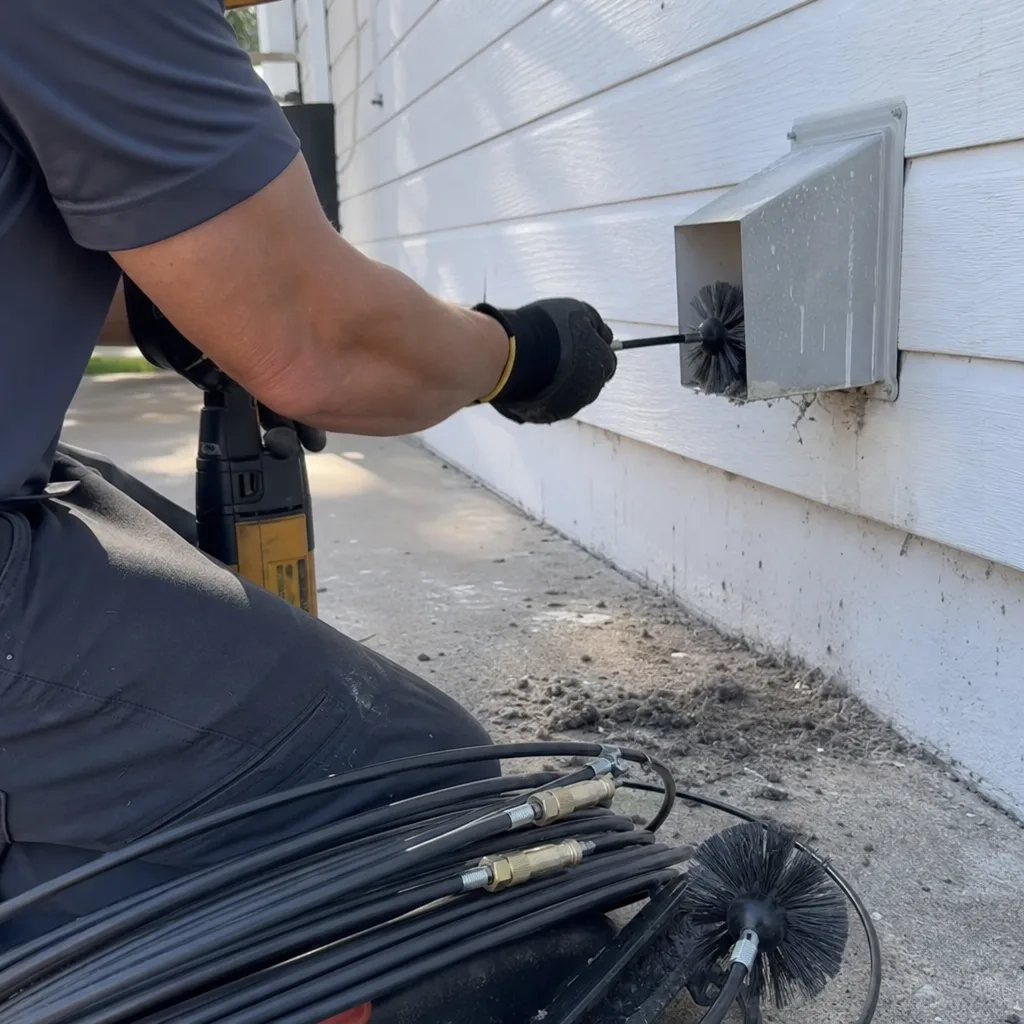
If your Austin home’s HVAC system is pulling harder than it used to, your filter is cycling faster than the manufacturer’s schedule, or you simply don’t have a documented record of when the return ducts were last cleaned, the next step is a camera inspection and a written price. Call CleanRun at (737) 243-9544 – a live person answers every call, there’s no automated queue, and you’ll have a written estimate in hand before any work begins. That’s how it works on every job, for every customer, every time.
Written by Tomas Reyes, Owner at CleanRun Air Duct Cleaning Austin, serving Austin.