
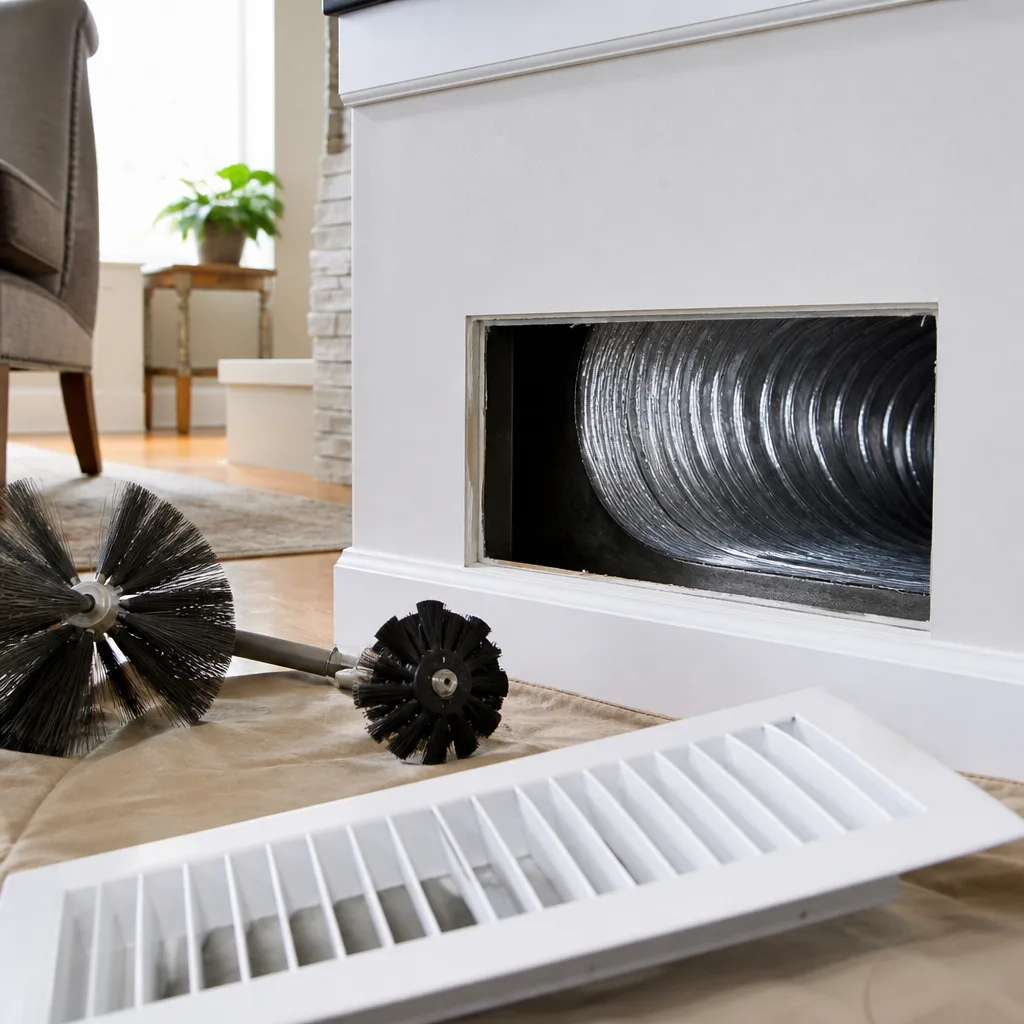
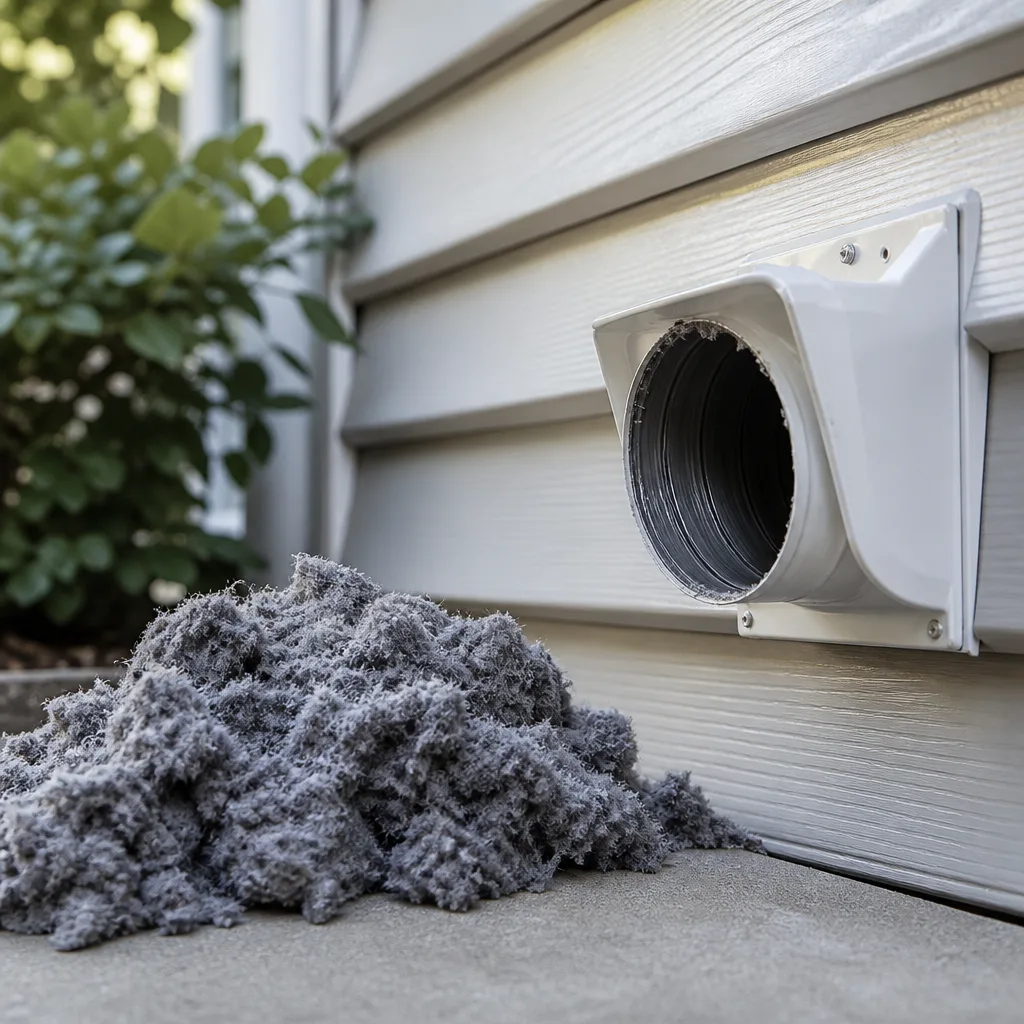
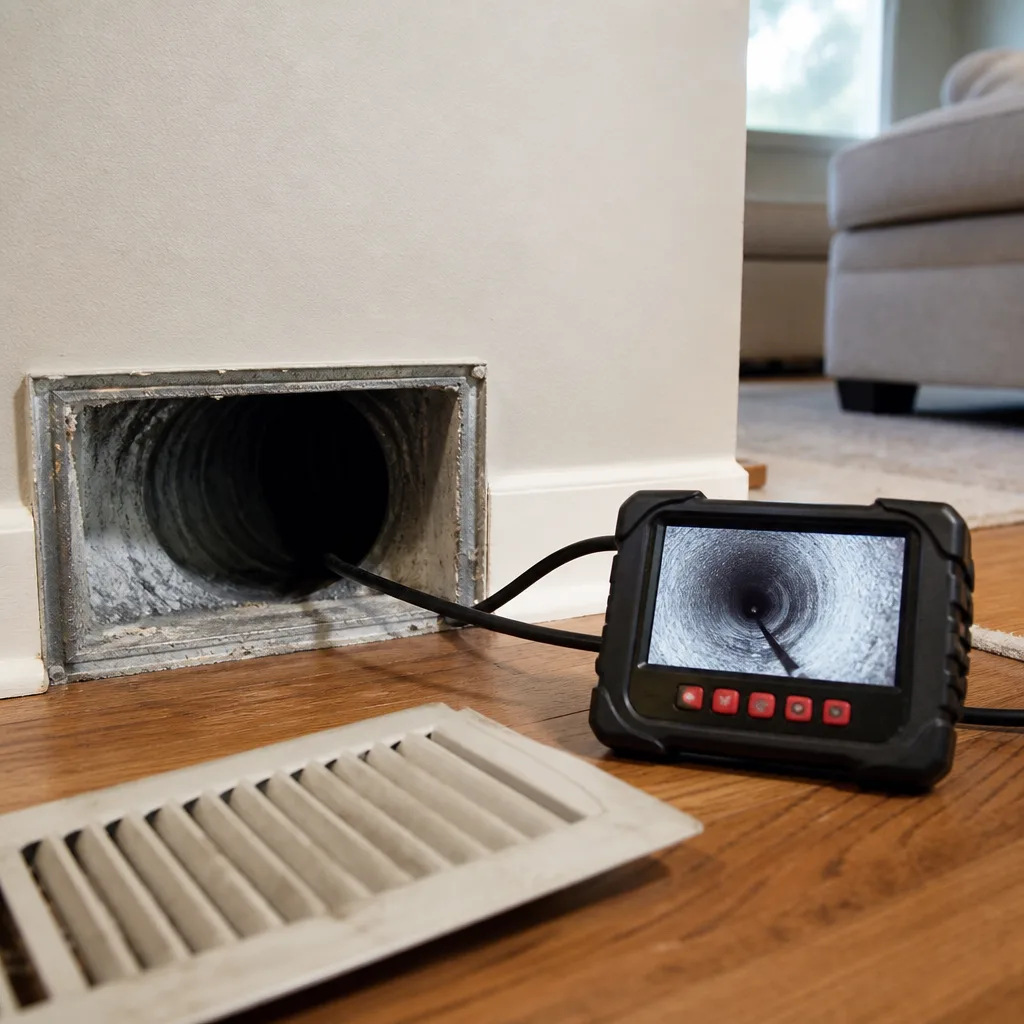
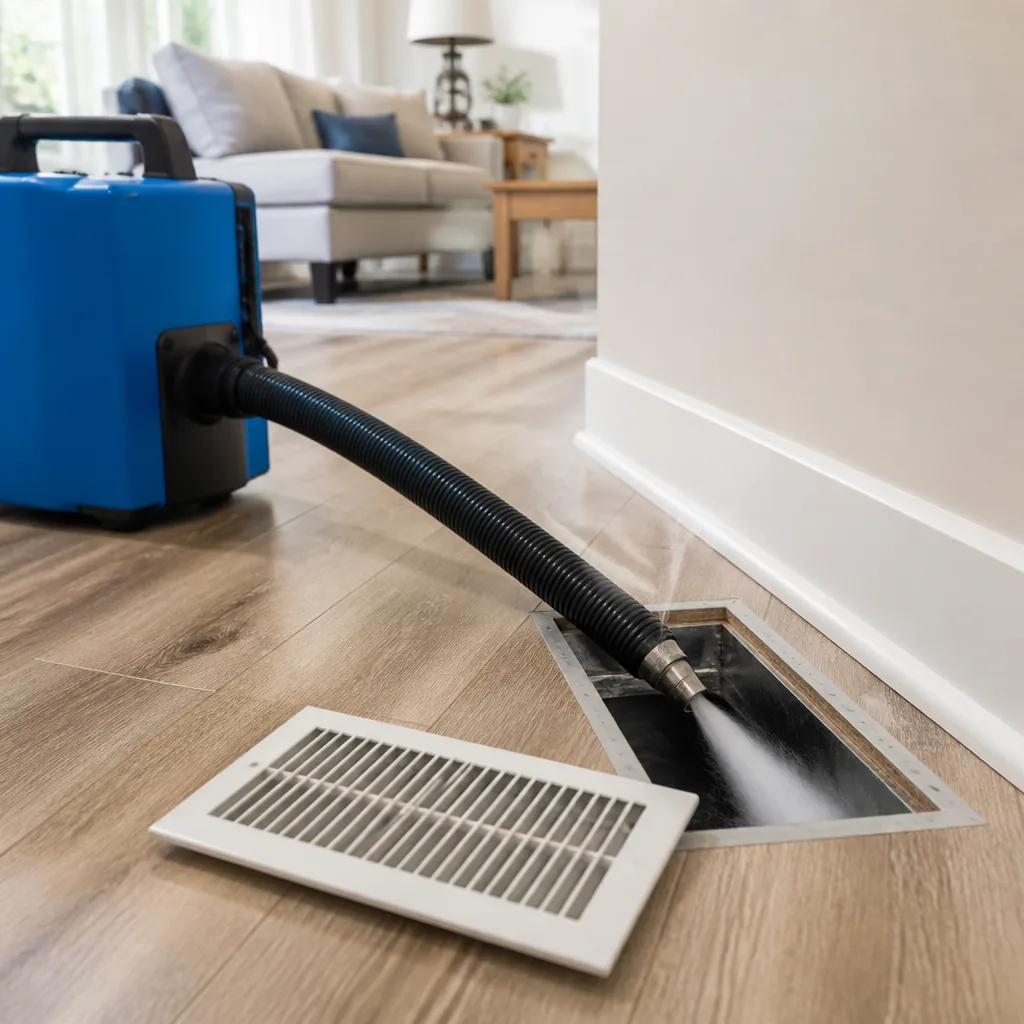
Whole-system duct and dryer vent check with before-and-after photos - you see exactly what came out of your vents
That "$99 whole-house special" is a bait ad - the real number appears once they are in your hallway, or the "clean" is a shop-vac at the register. We photograph the inside of your ducts before and after instead.
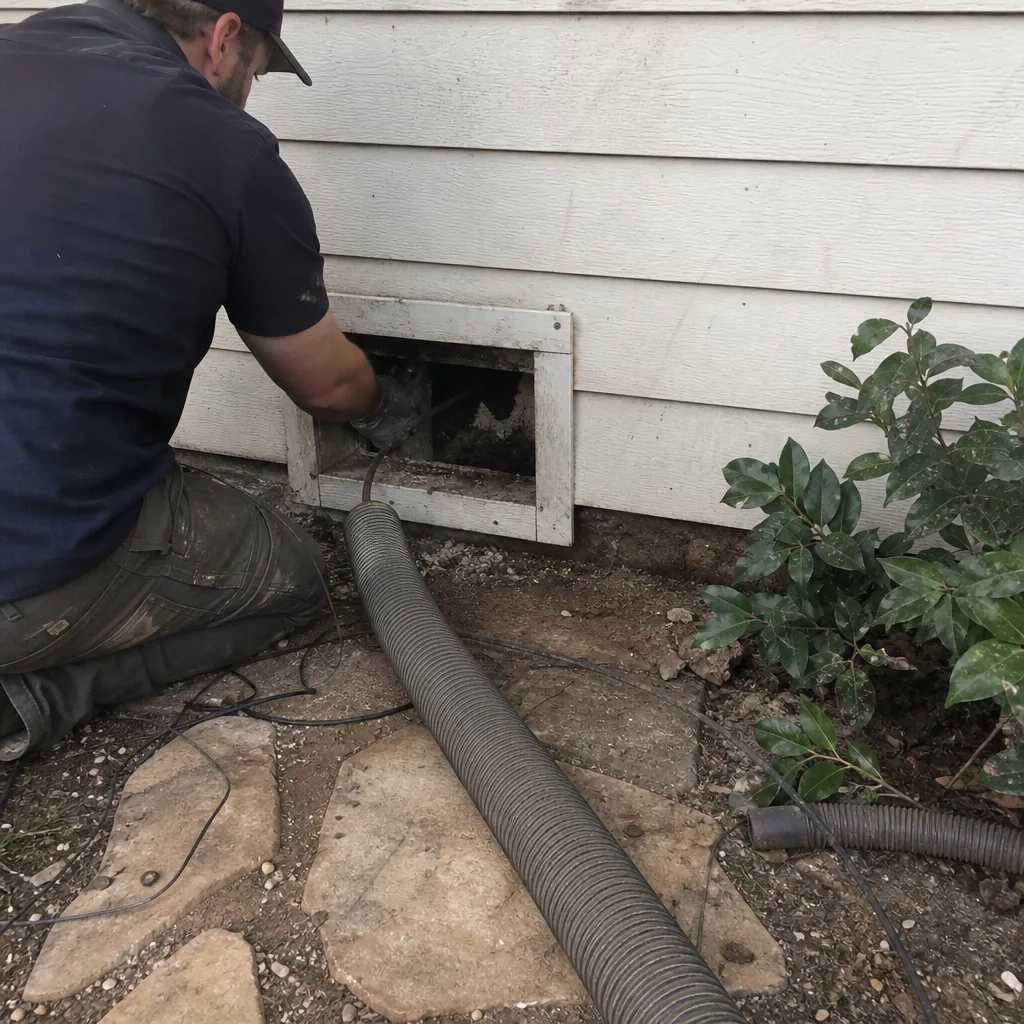 Before
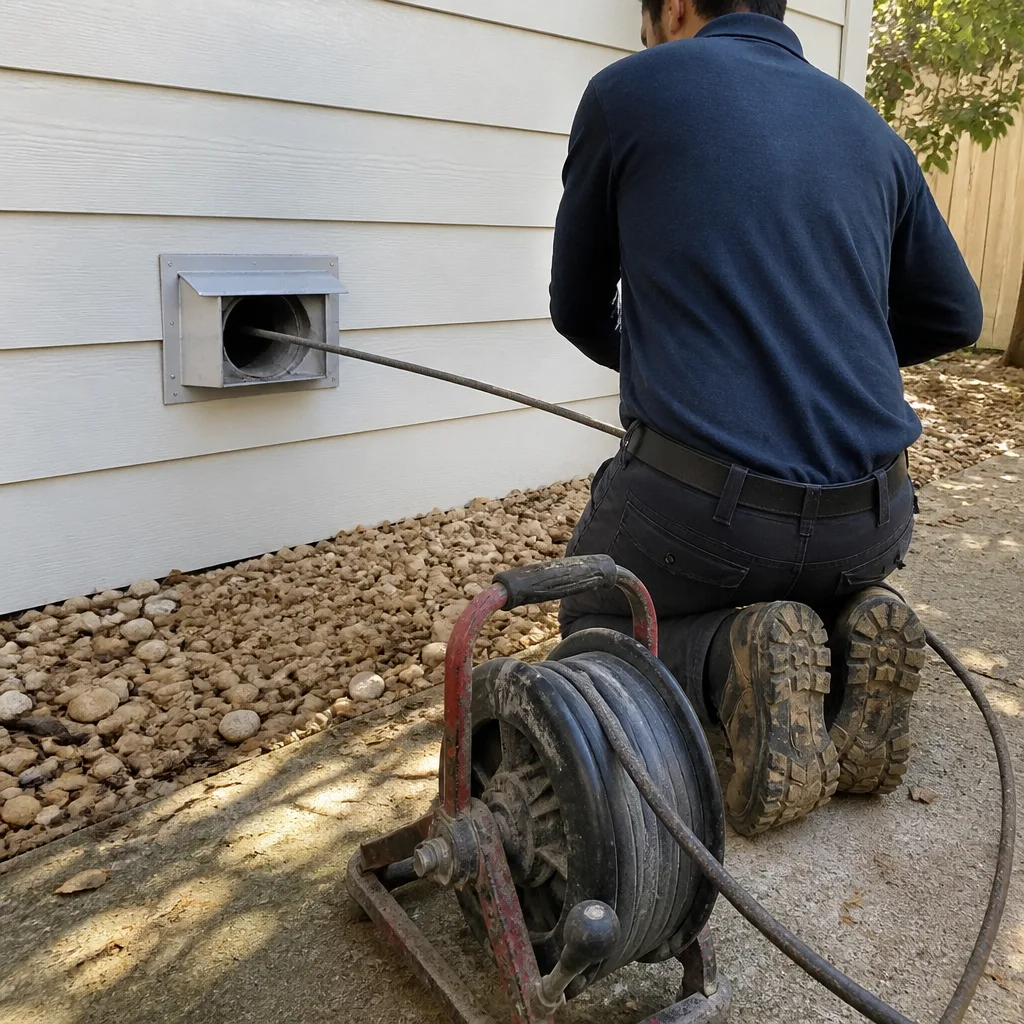 After
After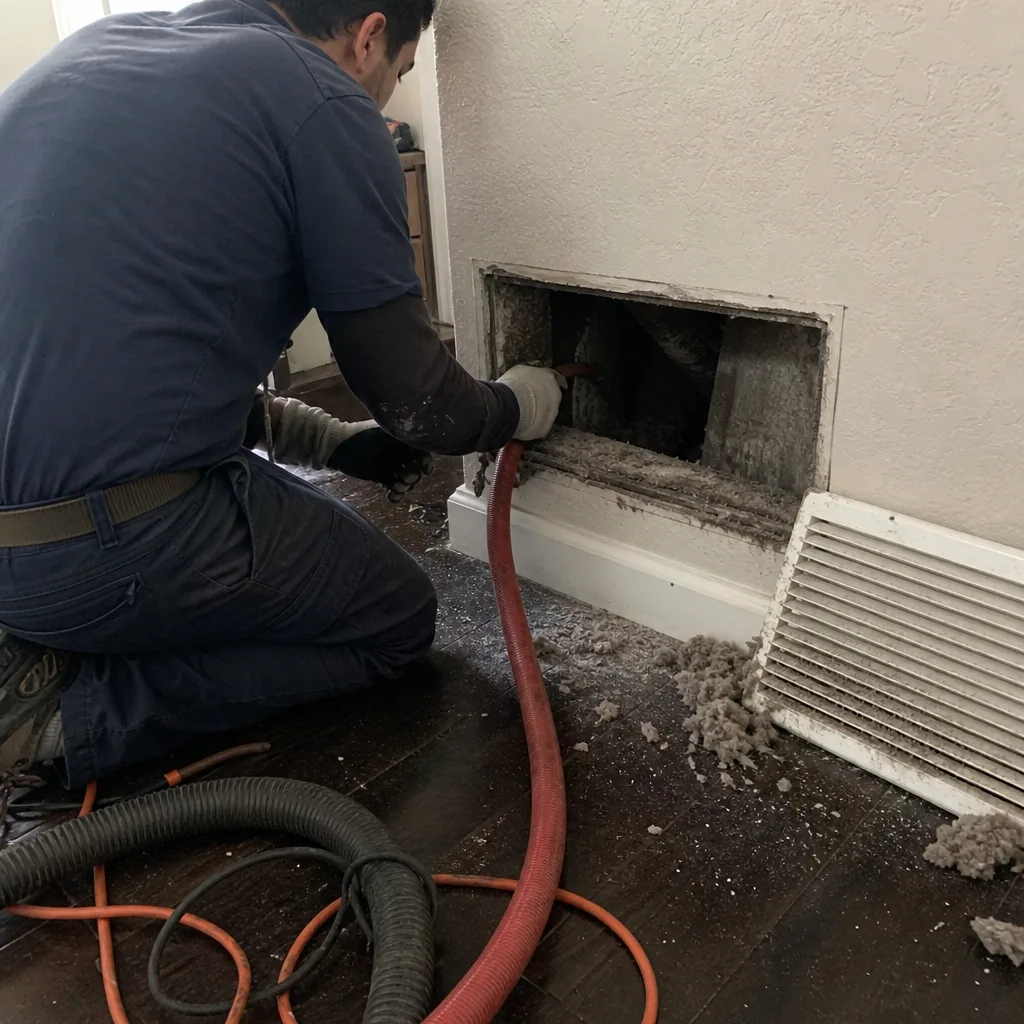 Before
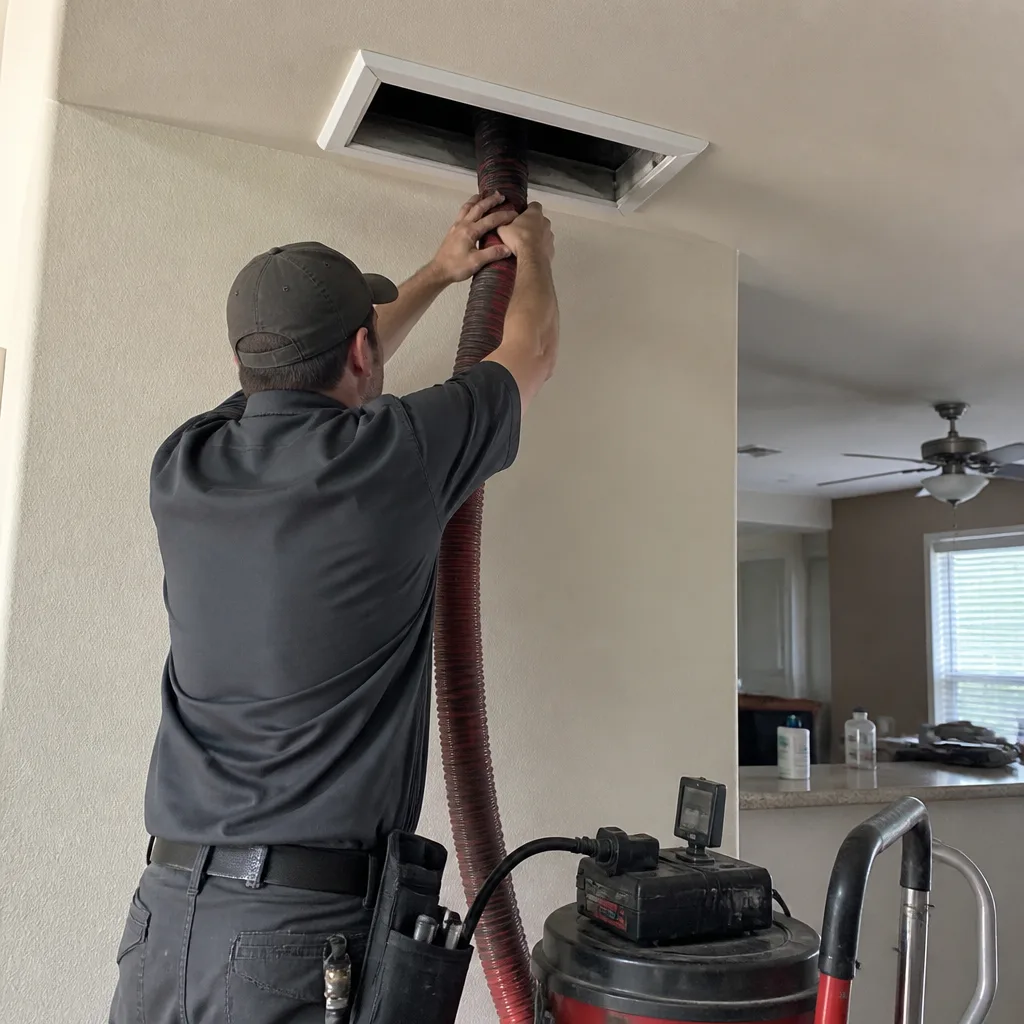 After
After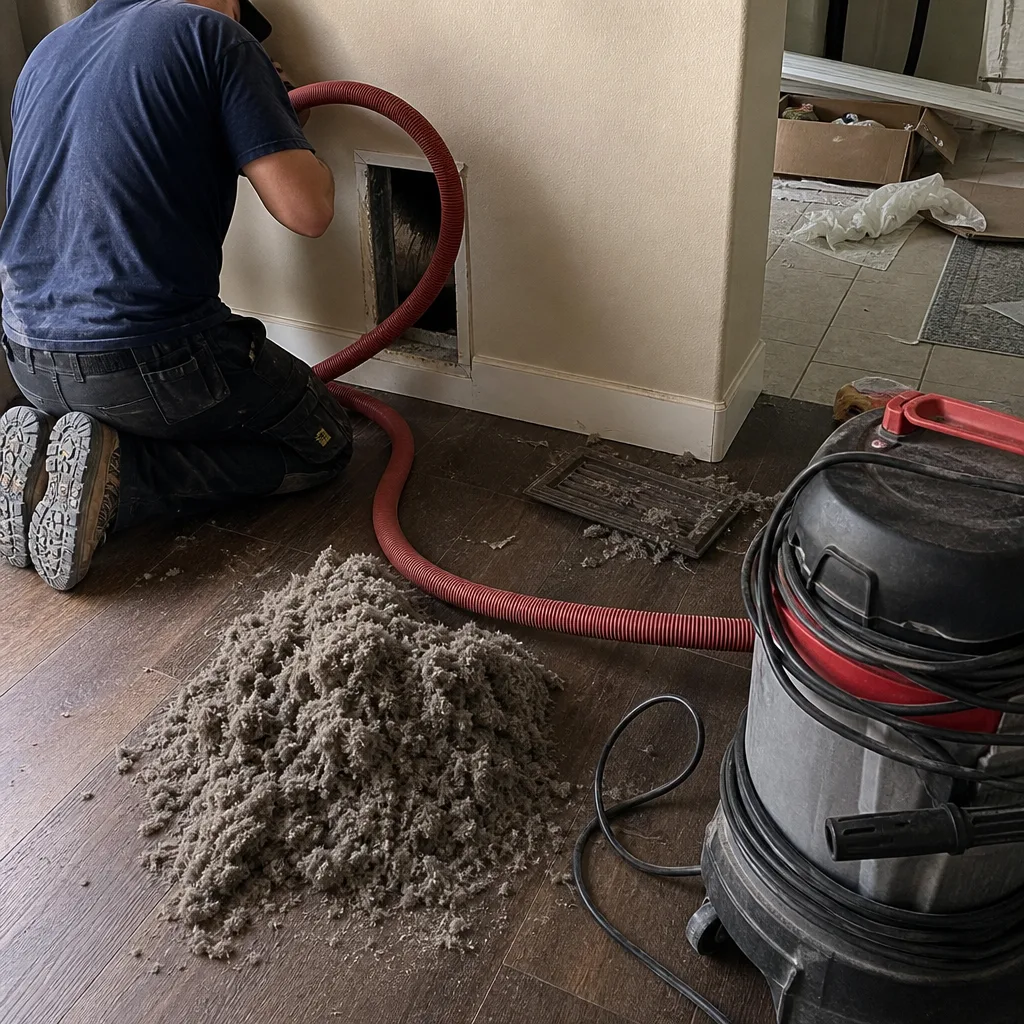 Before
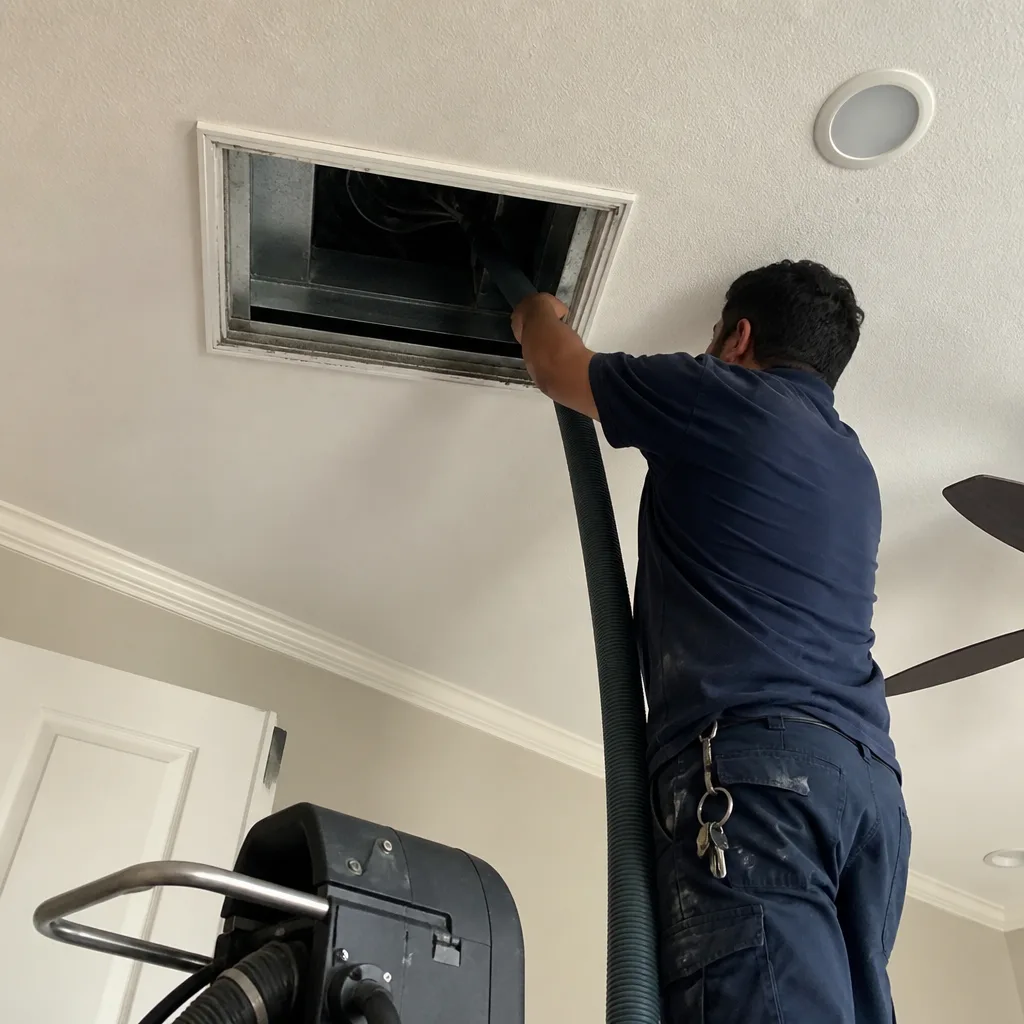 After
AfterAbatement Technologies Vent Sanitizing: The Austin Owner’s Guide
Abatement Technologies vent sanitizing equipment in Austin typically runs $340-$580 installed, depending on system reach and whether your unit needs the full CAP600-UV series assembly or a targeted register-level treatment. We stock Abatement Technologies-compatible UV-C lamp assemblies, ballast modules, and photolytic oxidation kits on our trucks, and most replacements are completed in a single visit. Homeowners usually figure out something’s wrong when the musty smell returns right after a standard duct cleaning, or when their allergy symptoms spike despite new filters - the UV lamp has either burned out (18-24 months in Austin’s hard-water mineral air) or the ballast has failed from heat cycling in an attic plenum.
Which Abatement Technologies Models This Applies To
We service the full Abatement Technologies residential line: CAP600-UV, CAP300-UV, and the older CAP200 series still found in many Westlake and Circle C Ranch builds from 2015-2019. The critical compatibility gotcha is the lamp base type. CAP600 and CAP300 use a four-pin single-ended base (SE), while the CAP200 uses a bi-pin double-ended (DE) design. The housings look nearly identical from the outside, but the wrong lamp will seat poorly and arc within a month. Check the silver spec label on the ballast housing, not just the sticker on the ductwork - the label lists the part suffix (-SE or -DE) and the rated microwatts per square centimeter at one meter, which tells you whether you’re getting genuine germicidal output or a dim blue bulb.
We carry OEM Abatement Technologies lamps and quality aftermarket equivalents from Lightsources and Atlantic UV. The aftermarket units match the 253.7 nm peak wavelength and 12,000-hour rated life; we specify them when the OEM lead time stretches past a week, which happens occasionally on the CAP200 parts that Abatement Technologies has been phasing out. Every lamp we install is stamped with a date code, and we photograph that stamp for your job record.
Signs Your Abatement Technologies Vent Sanitizing Is Failing
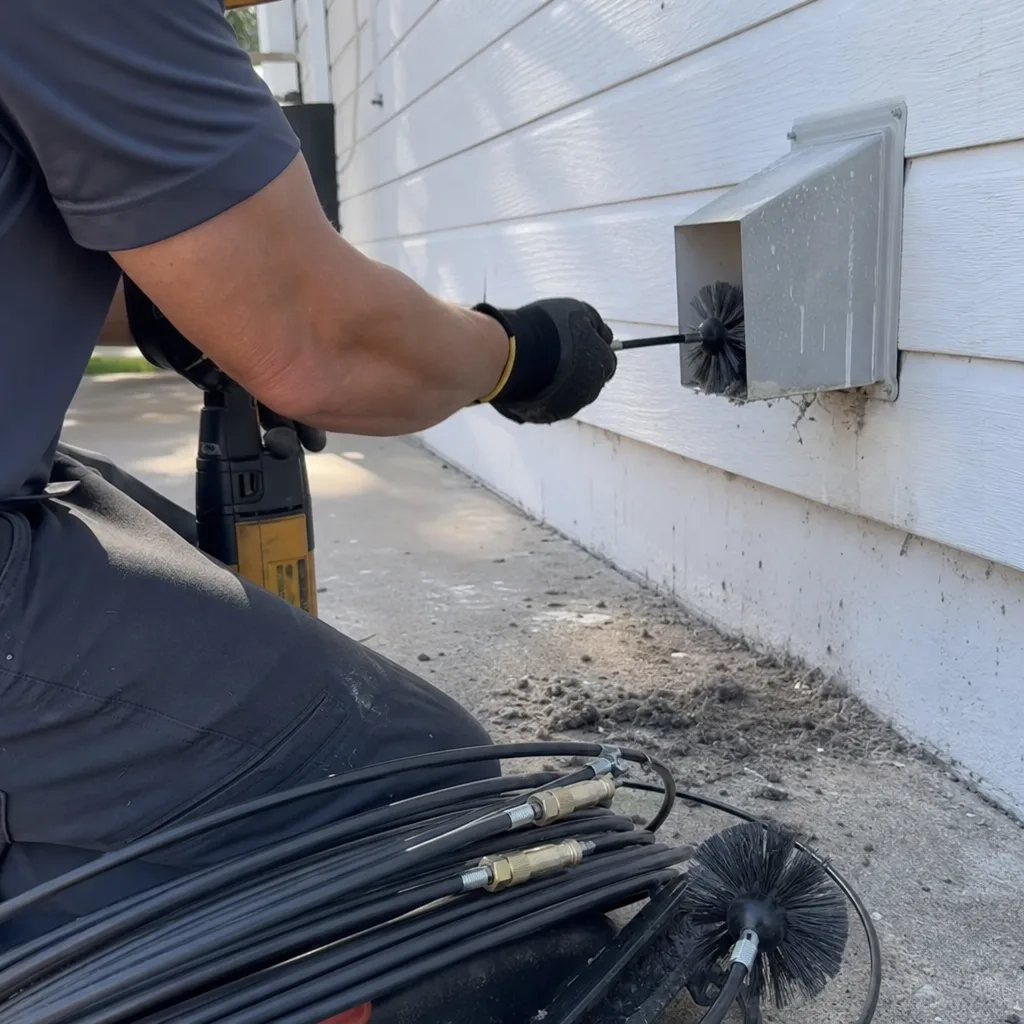
- The blue glow is visible but weak or flickering. A healthy UV-C lamp burns with a steady, intense violet-blue. Flickering usually means the ballast is delivering inconsistent voltage, often from capacitor degradation after three-plus Austin summers in a 140-degree attic plenum. The lamp itself may be fine, but the ballast will cook it within weeks if not replaced.
- Musty or microbial odors return within days of duct cleaning. The UV-C section is supposed to break down organic growth on the evaporator coil and in the supply plenum. When output drops below 40 microwatts per square centimeter, sterilization fails and mold spores recolonize fast in Austin’s humidity. We measure actual output with a UV meter, not eyeball the color.
- Your HVAC technician notes “biological growth” on the coil during seasonal maintenance. This is a downstream signal. The UV lamp may still light, but if it’s the original lamp from a 2017 install, it’s likely producing less than 30% of rated output. We’ve pulled five-year-old lamps in Allandale homes that looked fine but registered near-zero on our meter.
- The lamp won’t strike at all, and the ballast hums or clicks. A clicking ballast is attempting to ignite a failed lamp or suffering from thermal overload. In either case, running it risks ballast burnout, which doubles your parts cost. We see this most in Tarrytown homes where the original installer left the lamp housing in direct contact with flex duct insulation, trapping heat.
- Your energy bill climbs without explanation. A failing ballast draws excess current while delivering reduced output. It’s the worst of both worlds: higher consumption, zero sanitizing. This is subtle, but we’ve caught it twice in the last year when homeowners called us for a second opinion on “mystery” HVAC efficiency losses.
BeforeAfterReplacement Cost & What’s Included
| Component | Typical Range (Austin) |
|---|---|
| UV-C lamp assembly (OEM or spec-matched aftermarket) | $140 - $220 |
| Ballast module (if needed) | $90 - $160 |
| Labor: access, swap, output verification, photo documentation | $110 - $200 |
| Total installed, single register or central unit | $340 - $580 |
What drives the range: central CAP600-UV systems with remote ballast housings take longer to access and verify; register-level CAP300 units in crawl spaces or finished basements add access time. We quote the full price in writing before touching a screw, per Haven Standard Clause 1. The work includes a post-install UV intensity reading at the coil surface, documented in your photo record, and the 365-Day Done Right Promise covers both parts and labor. No per-vent pricing, no add-ons once we’re on site.
DIY or Call Us?
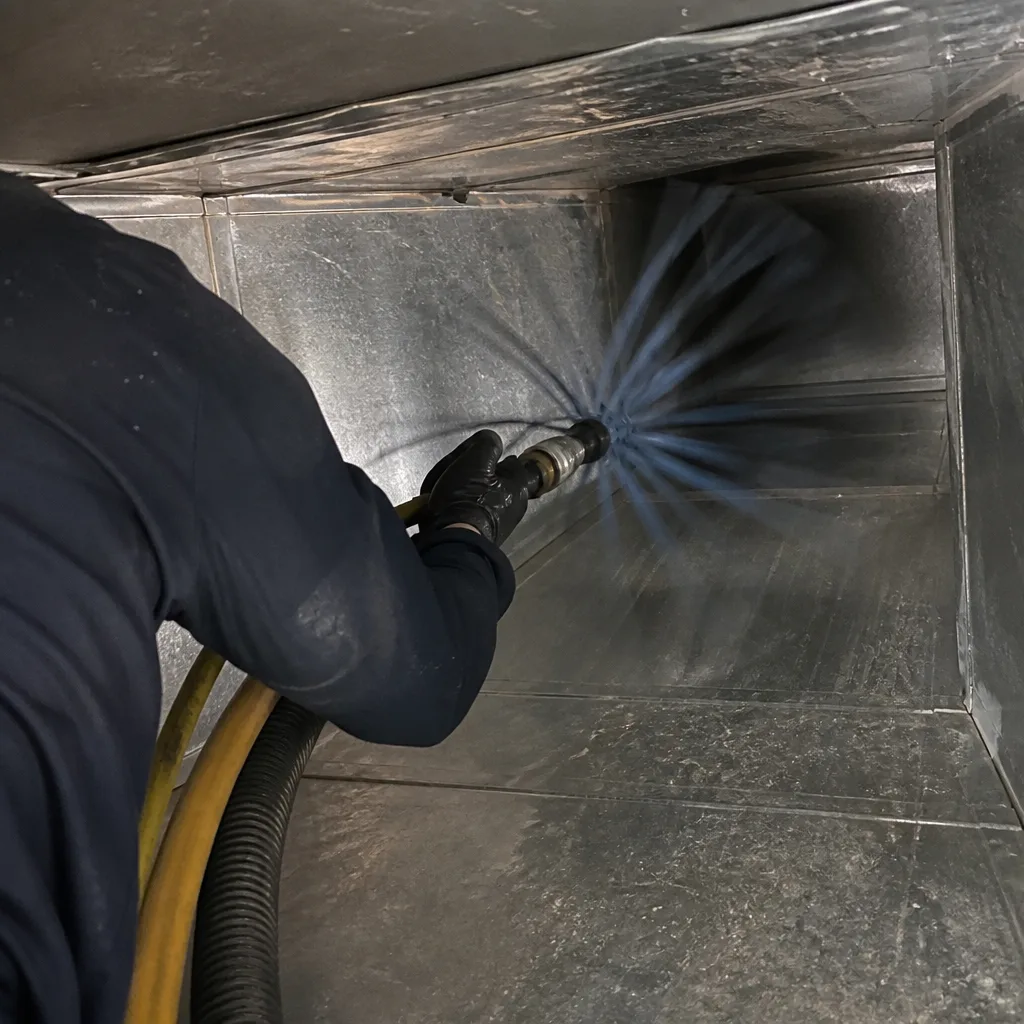
Here’s what you can safely check yourself: confirm the lamp is seated fully in its socket, verify the 120V outlet at the air handler is live, and inspect the housing for visible cracks or moisture intrusion. Do not attempt to remove a UV lamp while powered, and do not look directly at an operating lamp even briefly - retinal damage from UV-C is cumulative and painless in the moment. The bigger risk is misidentifying the lamp base type and forcing a wrong fit, which cracks the quartz envelope and releases mercury vapor in your plenum. We carry mercury containment kits for the rare case, but we’d rather prevent it. If your lamp is more than two years old and you’re already in the attic with the panel off, call us at (737) 243-9544. We’ll bring the right part, verify output with a calibrated meter, and show you the before-and-after on our camera before we close up.
FAQs
In Austin’s climate, expect 18-24 months of effective germicidal output, though the lamp may continue to glow dimly for 30 months or more. Mineral content in local water supply accelerates quartz sleeve fouling, which blocks UV transmission even when the lamp itself is technically “on.” We date-code every lamp we install and recommend a metered check at 18 months. Call (737) 243-9544 to schedule - estimates are free.
No. UV-C lamps are sealed quartz tubes with no serviceable internal components. Ballasts can occasionally be rebuilt by specialty electronics shops, but the cost exceeds a new module and the rebuilt unit carries no warranty. We replace both as matched assemblies. Call (737) 243-9544 for a written quote on your specific model.
Most Abatement Technologies vent sanitizing swaps take 45-90 minutes, including access, lamp or ballast replacement, output verification with a UV meter, and photo documentation of every duct run. Complex attic installations in older Austin homes with original flex duct may run closer to two hours. We quote time along with price in writing before starting.
Yes. We carry CAP600-UV and CAP300-UV lamp assemblies, both SE and DE base types, plus matched ballast modules. For the discontinued CAP200 series, we stock compatible aftermarket lamps that match OEM wavelength and intensity specs. If your unit is a rare variant, we’ll source it within 24 hours rather than install a near-match. Call (737) 243-9544 to confirm availability for your model number.
CleanRun Duct Repair & Cleaning is an independent service provider, not affiliated with Abatement Technologies. We also stock parts for Lennox, Trane, and Carrier sanitizing systems.
Written by Tomas Reyes, Owner & Lead Technician, CleanRun Air Duct Cleaning Austin at CleanRun Air Duct Cleaning Austin, serving Austin and nearby areas.