
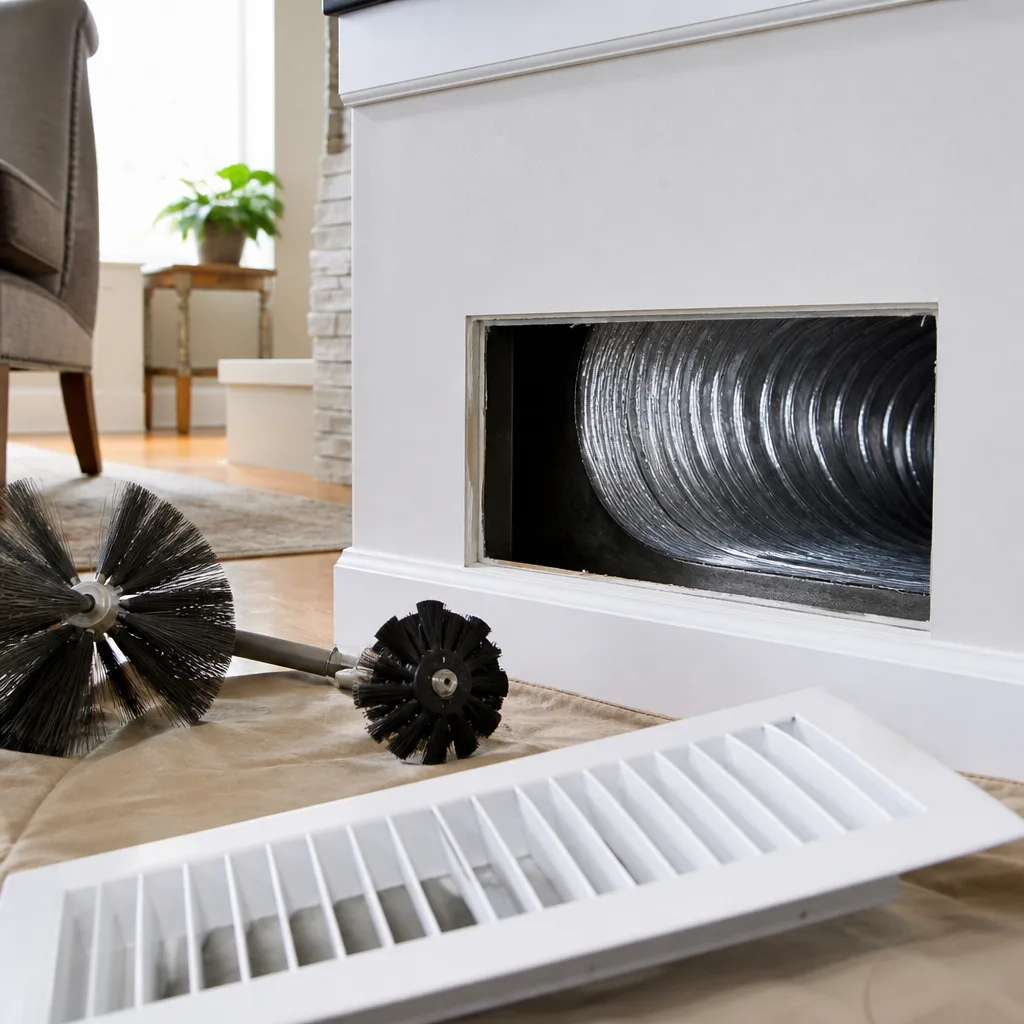
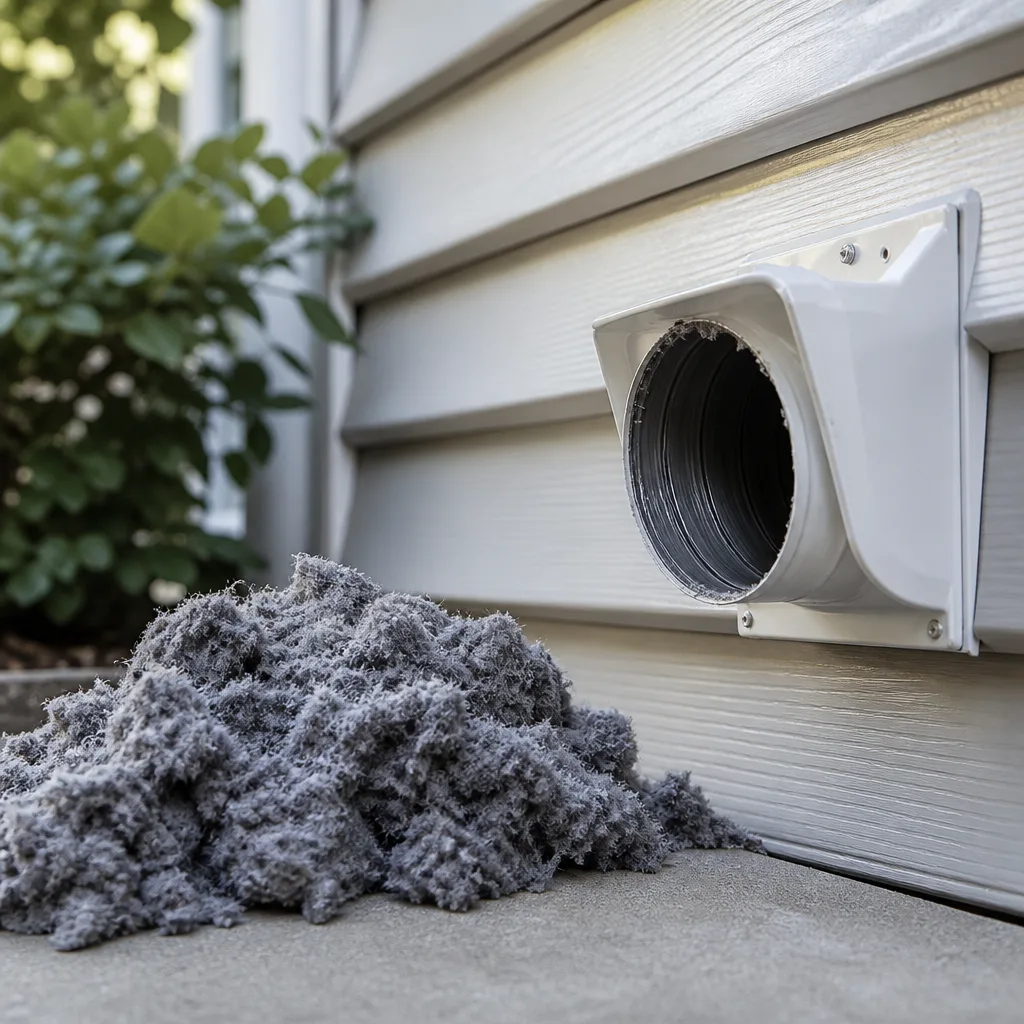
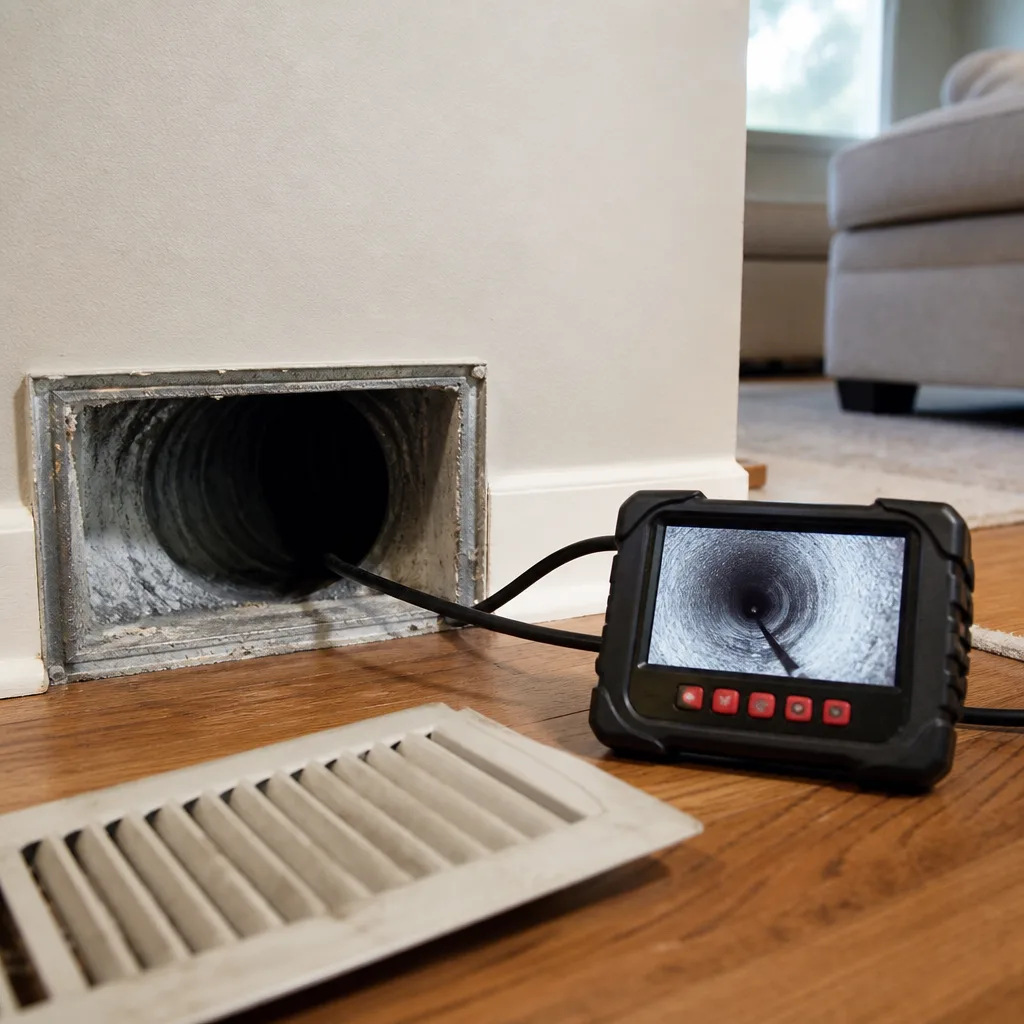
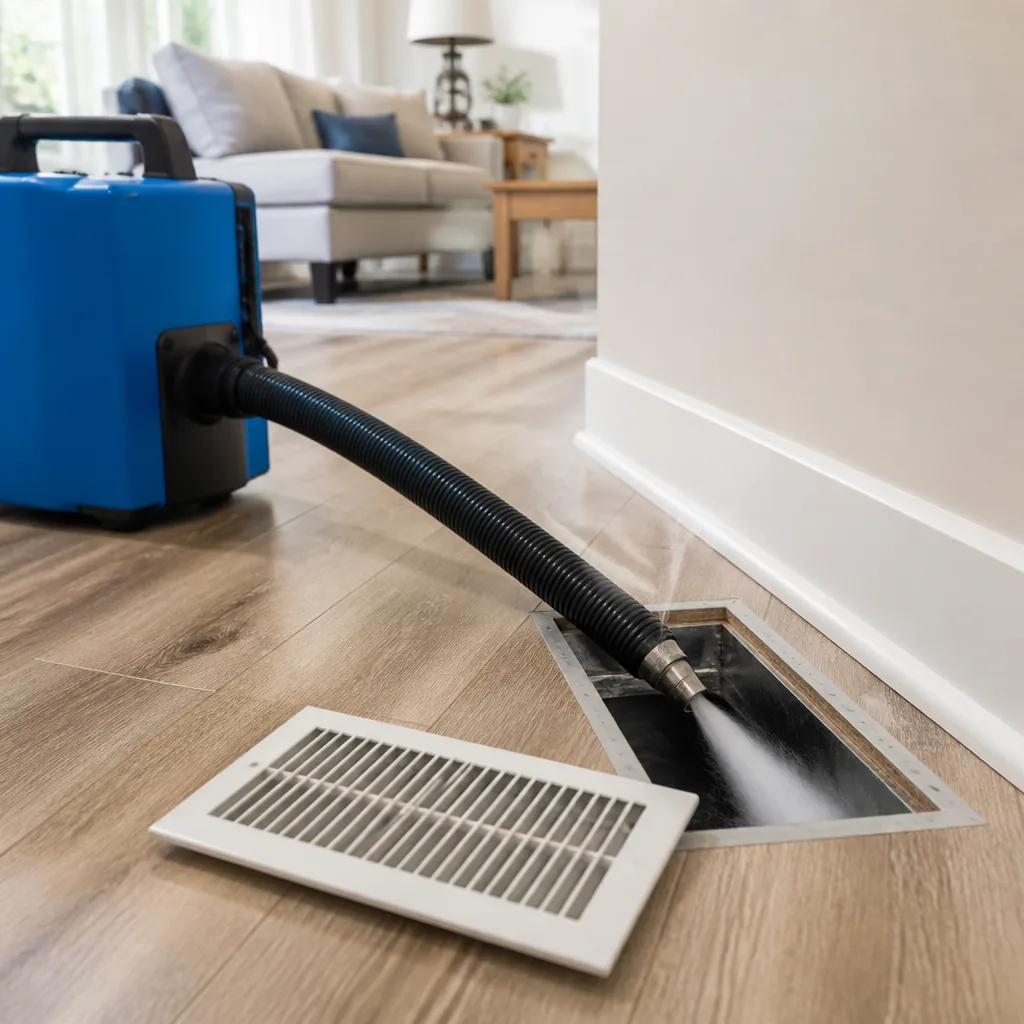
Whole-system duct and dryer vent check with before-and-after photos - you see exactly what came out of your vents
That "$99 whole-house special" is a bait ad - the real number appears once they are in your hallway, or the "clean" is a shop-vac at the register. We photograph the inside of your ducts before and after instead.
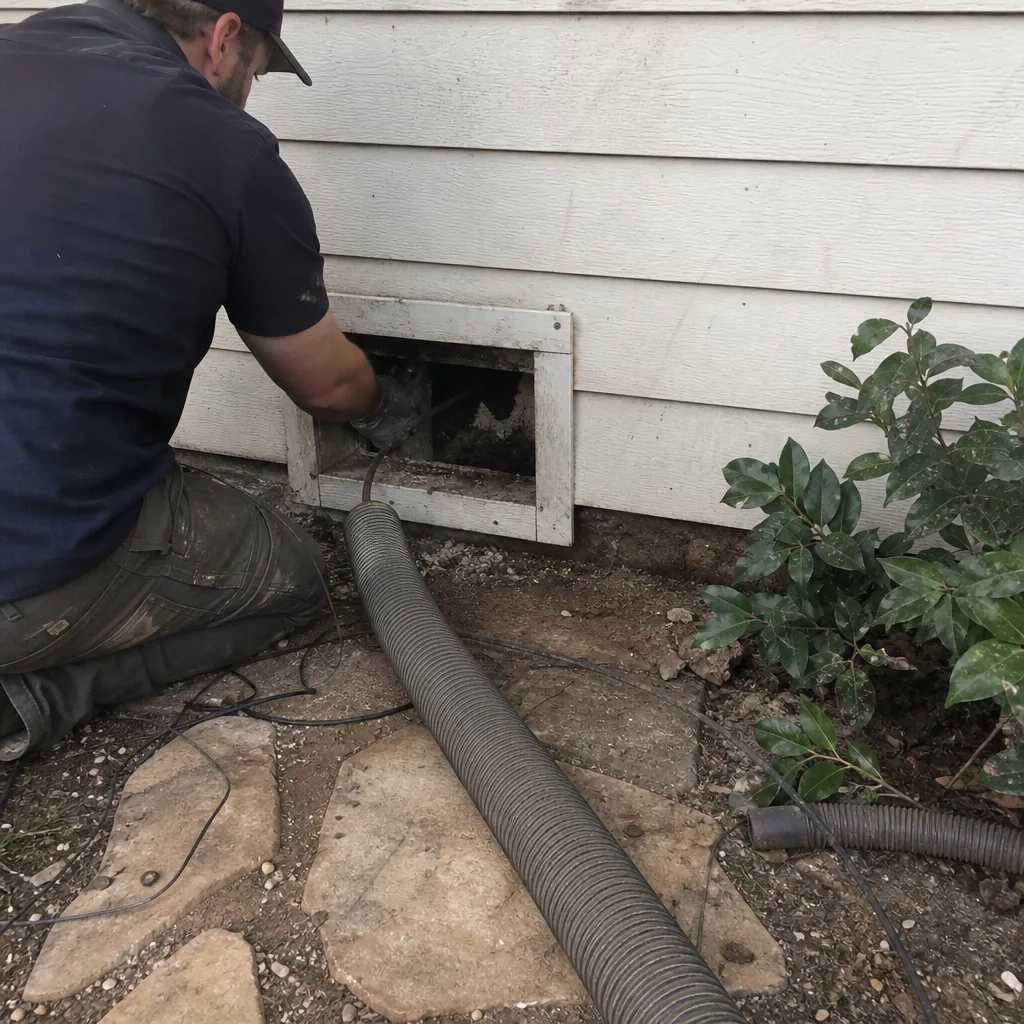 Before
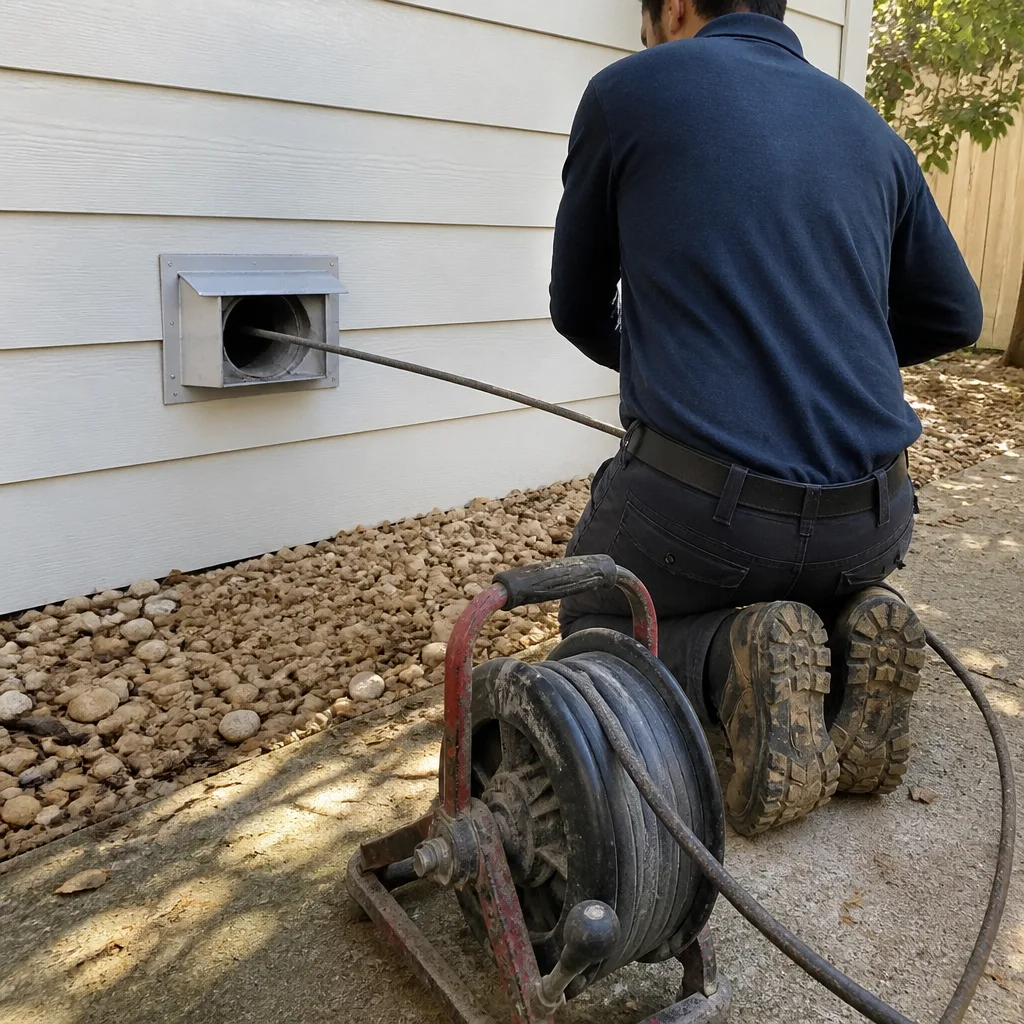 After
After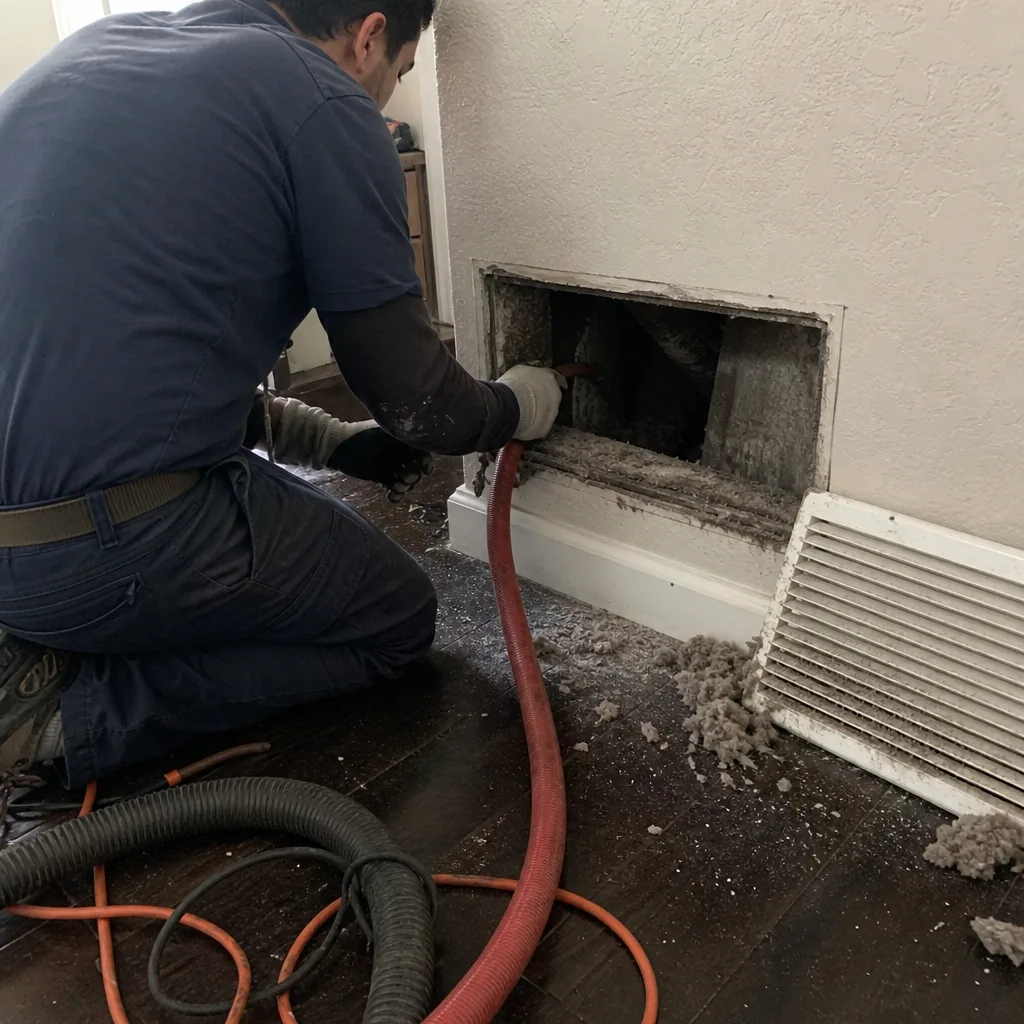 Before
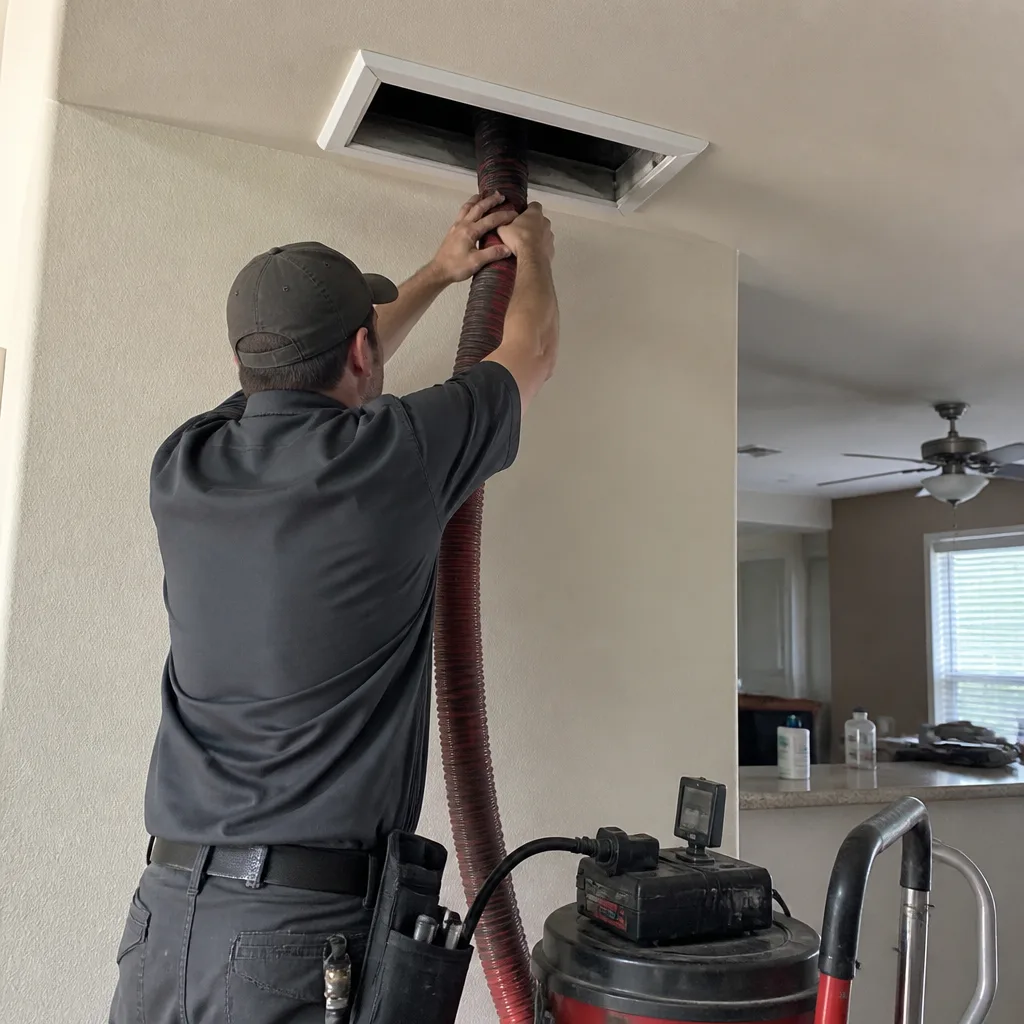 After
After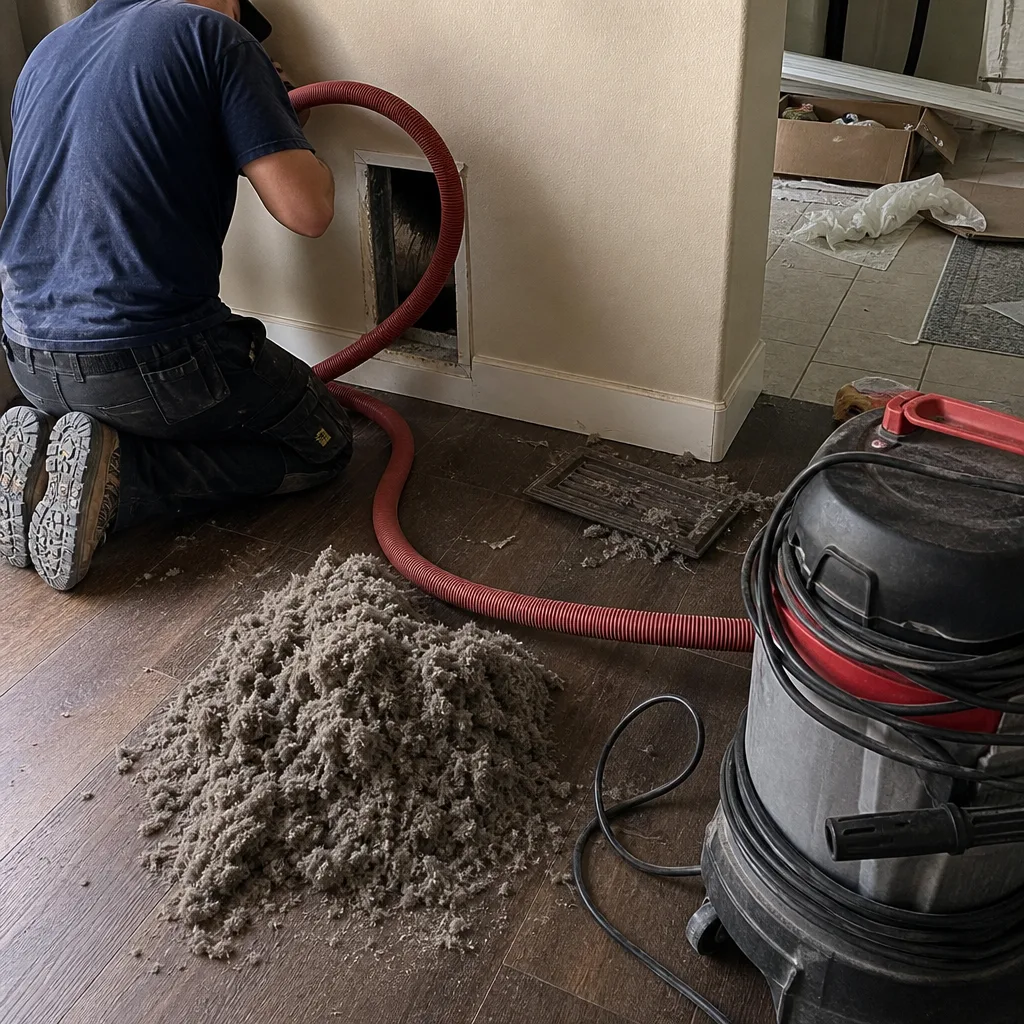 Before
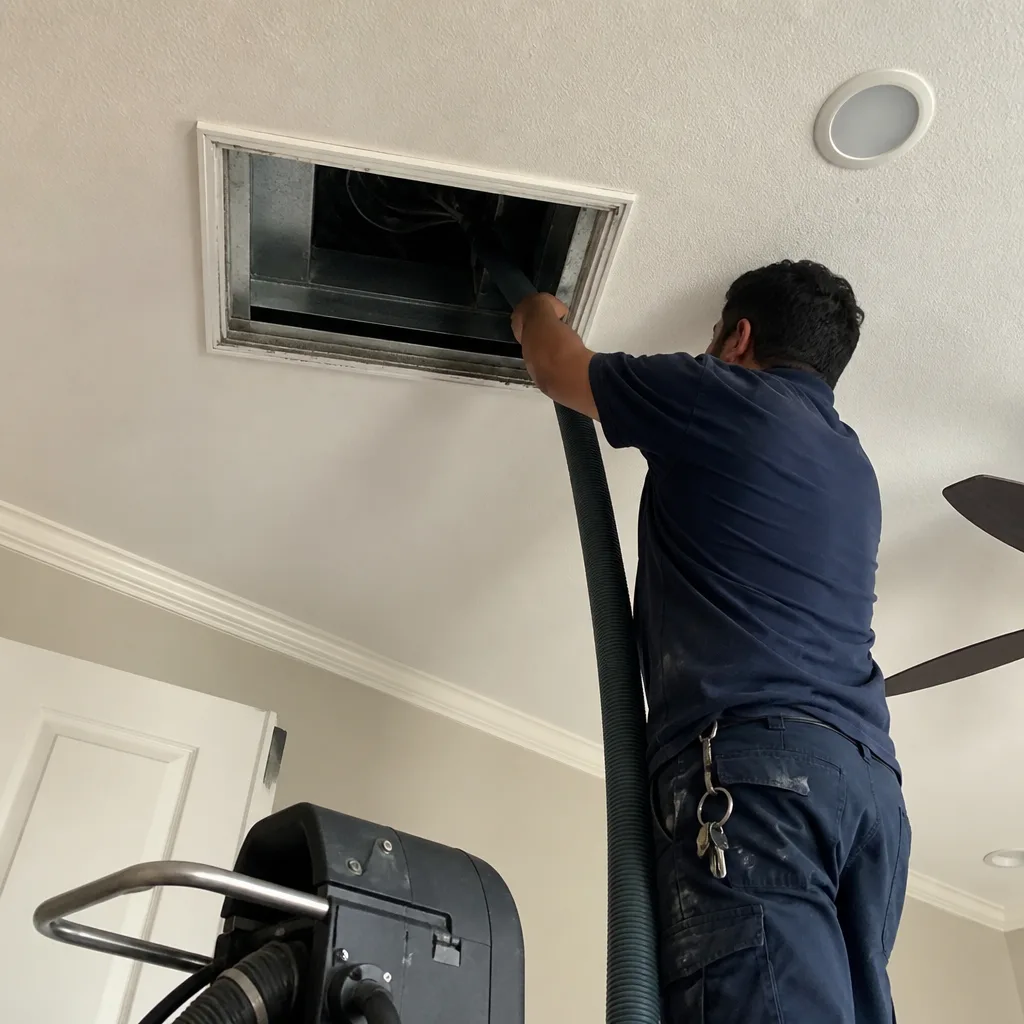 After
AfterGuardsman Dryer Vent Cleaning in Austin: What to Know First
We provide independent Guardsman dryer vent cleaning in Austin for homeowners who need the job documented, not guessed. Most Guardsman systems we see are cleaned and tested within a single appointment, with a written price delivered before we touch the first panel. Our standard range for a complete Guardsman dryer vent cleaning runs $189 to $329 depending on run length, access difficulty, and whether the vent cap or bird guard needs replacement.
This page is for Austin homeowners who own Guardsman dryer vent components and want to know what fails, what it costs, and who can fix it without voiding whatever warranty coverage remains. We’re not affiliated with Guardsman; we’re an independent service provider who works on their equipment daily in neighborhoods from Mueller to Circle C Ranch. If you own a Guardsman GDM-series vent cap, a Guardsman flex transition duct, or a full Guardsman rigid vent system installed by a builder between 2015 and 2022, the failure patterns below will look familiar. Call (737) 243-9544 and we’ll put a written estimate next to whatever you’ve been quoted.
How Guardsman Products Fail - and How We Fix Them
- GDM-4 and GDM-6 vent caps: The hinged damper on these caps seizes in the open position after two to three Austin pollen seasons. Pollen, lint, and humidity form a paste that glues the damper to the frame, which means outside air and critters move freely in and conditioned air leaks out. We remove the cap, clean the hinge pin and seat with a non-corrosive solvent, and test the damper through twenty open-close cycles before reinstalling. If the hinge is pitted, we replace with a quality aftermarket cap rated for the same static pressure, documented in your photo record.
- Guardsman semi-rigid transition ducts (the accordion-style flex behind the dryer): These collect lint at the corrugation ridges, but the real problem in Austin is heat fatigue. The aluminum foil laminate separates from the wire coil after repeated high-heat cycles, creating gaps that leak lint into the laundry room and reduce airflow to the exterior vent. We replace these with a solid aluminum elbow and short rigid run where space allows, or with a listed flexible transition if the dryer location demands it. The photo record shows the old duct cross-section so you can see the separation we found.
- GDM-R rigid galvanized runs in older Austin builds: The longitudinal seam on these 26-gauge sections can separate at the crimp, especially where a long vertical run creates weight stress at the elbows. In Tarrytown and Clarksville homes with second-floor laundry rooms, we’ve found separated seams dumping lint into wall cavities for years. We re-seam with proper sheet-metal screws and high-temperature foil tape, then pressure-test to confirm no leakage at the repair.
- Guardsman bird guard add-ons (BG-100 series): The mesh is fine enough to stop birds but too fine for Austin’s cottonwood seed and oak tassel load. The screen clogs completely, back-pressure rises, and the dryer overheats. We clean the screen with compressed air from the exterior, or replace it with a hybrid guard that uses a larger mesh backed by a removable lint screen the homeowner can check monthly. This is a recurring call in Westlake and Barton Hills from March through May.
- Guardsman inline booster fans (FB-150, FB-200): These are specified for runs over 35 feet, but the impeller blades foul with lint that bypasses the dryer’s screen. The fan then runs hot, draws excess current, and eventually fails open or seized. We pull the fan housing, photograph the blade loading, clean or replace the impeller, and verify airflow with an anemometer at the exterior cap. If the original fan is discontinued, we source a cross-referenced replacement that matches the CFM and static pressure spec.
Our Guardsman Dryer Vent Cleaning Process
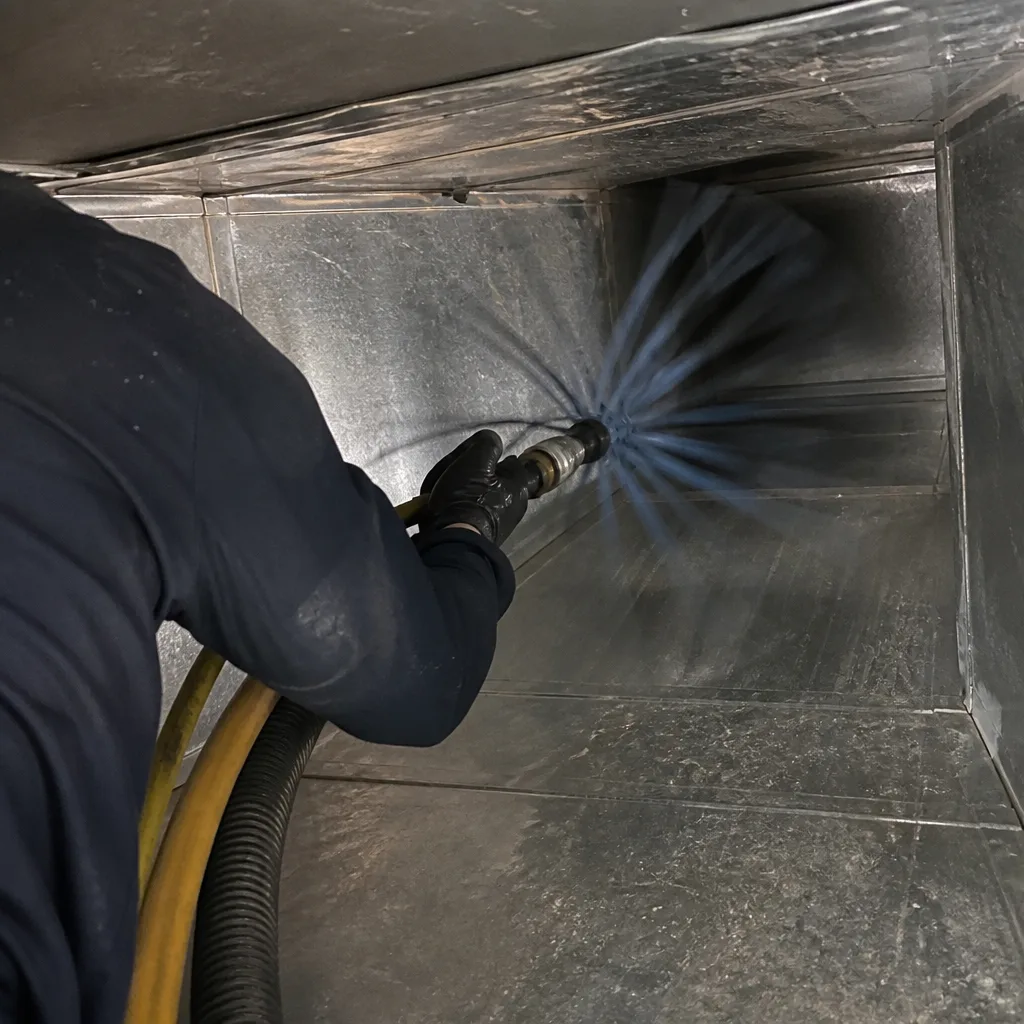
- 1
Camera inspection before quote. We feed a scope through the vent run from both the dryer connection and the exterior cap. You see the image on the screen; we see what we’re pricing. No guesswork, no “it depends” verbal estimates.
- 2
Written price delivered. Haven Standard Clause 1: the price is written, itemized, and agreed before work starts. For Guardsman systems, this includes whether we’re cleaning existing components or replacing caps, transitions, or booster fans.
- 3
Negative-pressure extraction with Rotobrush and Nikro equipment. We use a rotating brush system on rigid runs and a compressed-air whip on flex sections, with HEPA containment so lint doesn’t redistribute through your laundry room. The equipment brands are named so you can verify specifications independently.
- 4
Component-specific repair or replacement. OEM Guardsman parts when available and cost-effective; quality aftermarket when the OEM part is discontinued or the price is out of proportion to the component life. We note the source in your job record.
- 5
Post-cleaning airflow test and photo documentation. Anemometer reading at the exterior cap, compared to the pre-cleaning baseline. Before-and-after photos of every accessible section delivered as your Documented Photo Record.
- 6
365-Day Done Right Promise in writing. If airflow drops or a repair we made fails within a year, we return and make it right. The promise is on your invoice, not just our website.
BeforeAfterWhat Guardsman Dryer Vent Cleaning Costs in Austin
| Service | Typical Range |
|---|---|
| Standard Guardsman vent cleaning (single-story, direct exterior vent) | $189 - $249 |
| Guardsman vent cleaning with bird guard or cap replacement | $249 - $329 |
| Transition duct replacement (flex to rigid or listed flex) | $89 - $149 added |
| Inline booster fan cleaning or replacement | $179 - $289 added |
| Long-run vent cleaning (second story, multiple elbows, vertical rise) | $279 - $389 |
What moves the price: run length over 25 feet, number of elbows, access difficulty (crawl space, attic, or enclosed soffit), and whether the vent cap or transition duct has failed and needs replacement. We do not quote per-vent or per-foot pricing; the price is flat per system, agreed in writing before we start. Every estimate includes the Documented Photo Record at no additional charge.
Bring us a competitor’s written estimate and we’ll deliver a free second opinion, our number next to theirs, no obligation. Call (737) 243-9544.
Why Austin Homeowners Call CleanRun Air Duct Cleaning Austin for Guardsman Work
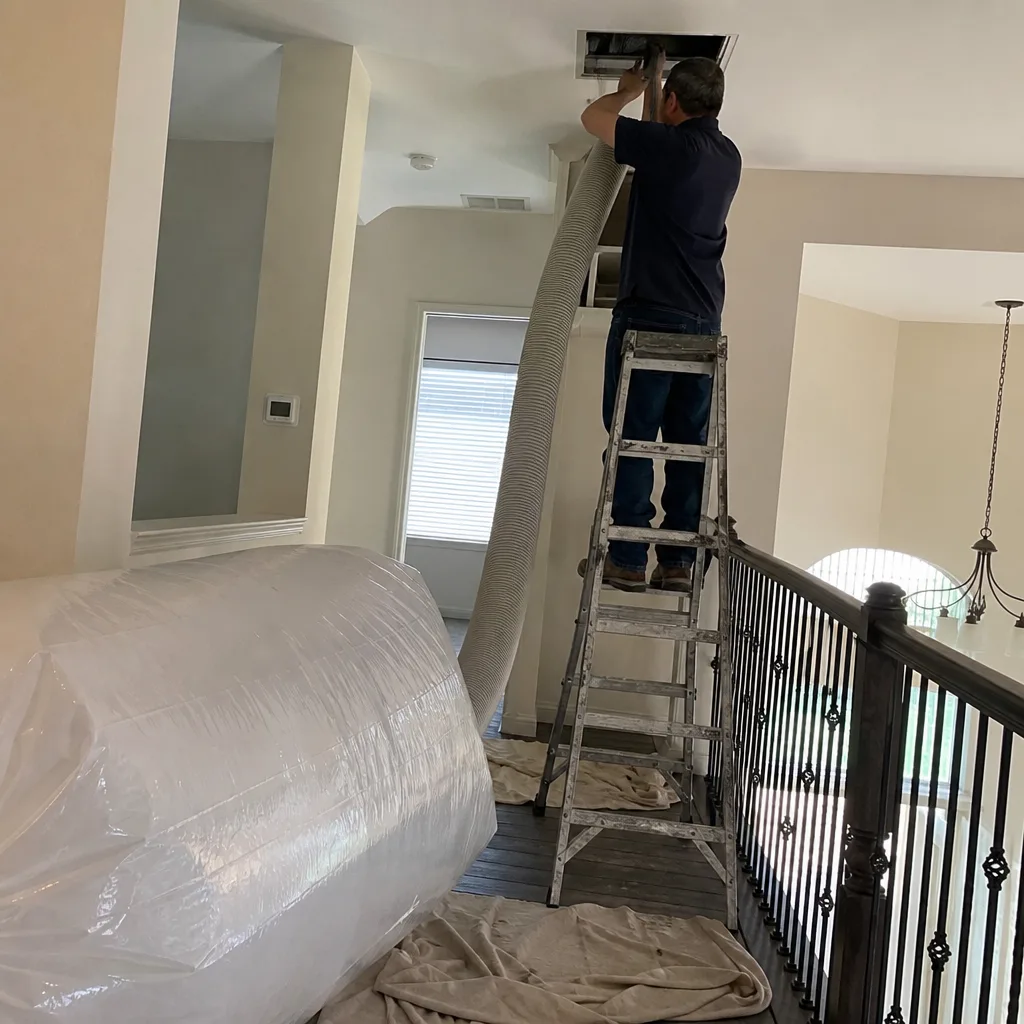
We’ve been documenting duct and vent work since 2013, and the Guardsman products we see in Austin follow predictable patterns that change with the neighborhood’s age and the builder’s original subcontractor. Tomas Reyes, our owner and lead technician, learned the trade in the Bronx and has spent several years running CleanRun crews through Austin’s older stock, including Hyde Park bungalows where original flex duct sagged for thirty years without an access panel being opened. He still pulls a camera scope before quoting anything.
Our technicians are background-checked and uniformed under Haven Standard Clause 3: Verified Crews. They arrive identified by name, work with equipment from Rotobrush, Nikro, Abatement Technologies, Honeywell, Aprilaire, and Guardsman, and leave with a photo record you can reference when you sell the house or file an insurance claim. We also service Lennox, Trane, and Carrier vent components, which matters when your home has mixed-brand HVAC and laundry systems installed by different trades.
The 365-Day Done Right Promise is backed in writing on every job. Not a policy. Not manager discretion. A written guarantee.
FAQs
No. As an independent Guardsman service provider, we use manufacturer-specified or cross-referenced replacement parts and document our work with photos and test readings. Guardsman’s warranty covers defects in materials and workmanship, not routine maintenance or independent service. If a component we install fails due to our work, the 365-Day Done Right Promise covers it directly.
Some GDM-series caps and BG-100 bird guards are still available through HVAC distributors; others, including certain FB-series booster fans, have been discontinued. When OEM is unavailable, we source quality aftermarket replacements that match the original CFM, static pressure, and temperature ratings, and we note the manufacturer and part number in your written job record so you can verify specifications independently.
We determine this with the camera inspection, not by selling you the more expensive option. If the rigid run is intact with no seam separation, corrosion, or structural damage, cleaning and testing is sufficient. If the galvanized steel is rusted through, the flex transition is delaminated, or the booster fan housing is cracked, replacement is the only defensible fix. The photo record shows you exactly which condition we found.
Every 12 to 18 months for a typical household of two to four people. Austin’s combination of high pollen, cottonwood seed in spring, and hard-water lint that clings more aggressively than soft-water regions means vents here load faster than the same system in the Northeast. Homes with pets or frequent laundry loads should plan on annual service. We note the recommended return date on your invoice; no automated marketing calls.
Confirm that the dryer runs but clothes remain damp after a full cycle, and that the exterior cap damper opens when the dryer is running. If the damper doesn’t move, the vent is likely blocked or the booster fan has failed. Do not disassemble the vent yourself; the rigid sections can have sharp edges and accumulated lint is combustible. Call (737) 243-9544 and we’ll scope the run, show you the photo, and deliver a written price before any work starts.
Written by Tomas Reyes, Owner & Lead Technician, CleanRun Air Duct Cleaning Austin at CleanRun Air Duct Cleaning Austin, serving Austin and nearby areas.