
Whole-system duct and dryer vent check with before-and-after photos - you see exactly what came out of your vents
That "$99 whole-house special" is a bait ad - the real number appears once they are in your hallway, or the "clean" is a shop-vac at the register. We photograph the inside of your ducts before and after instead.
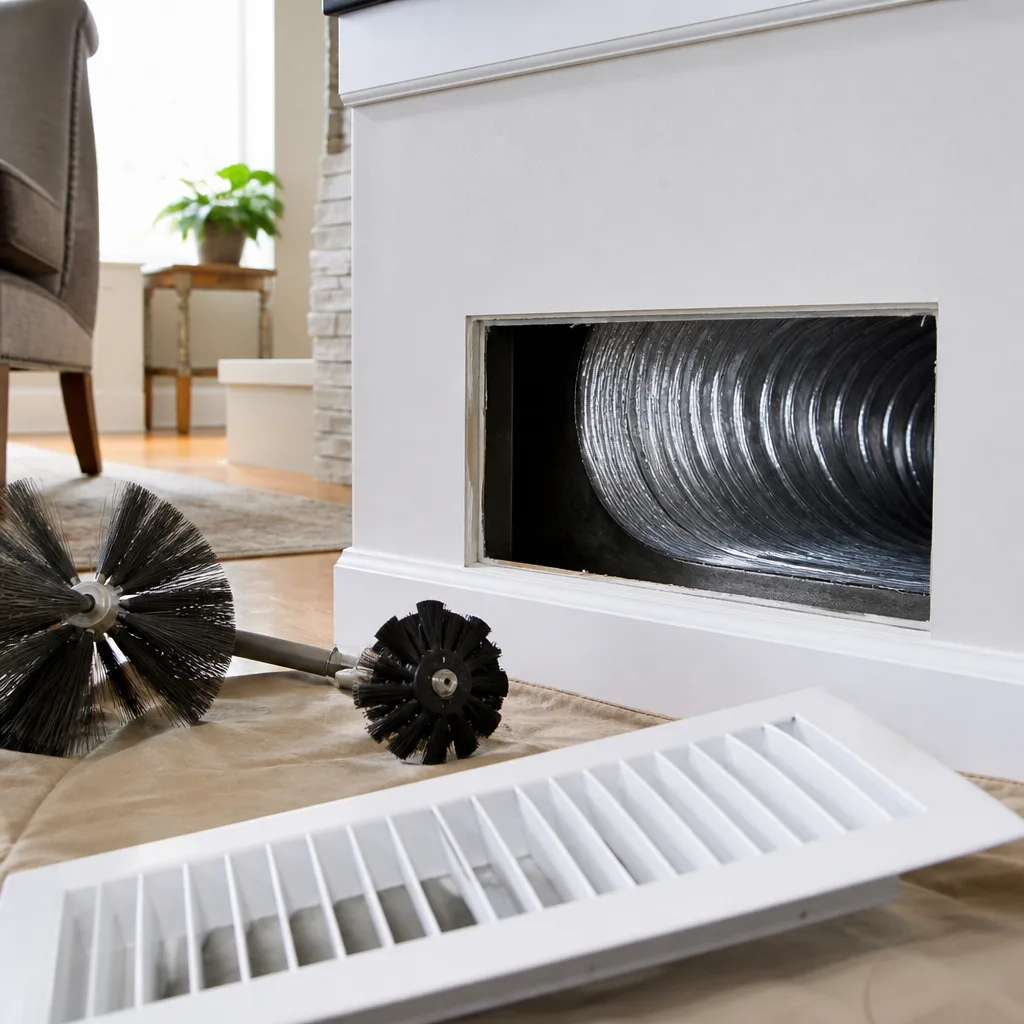
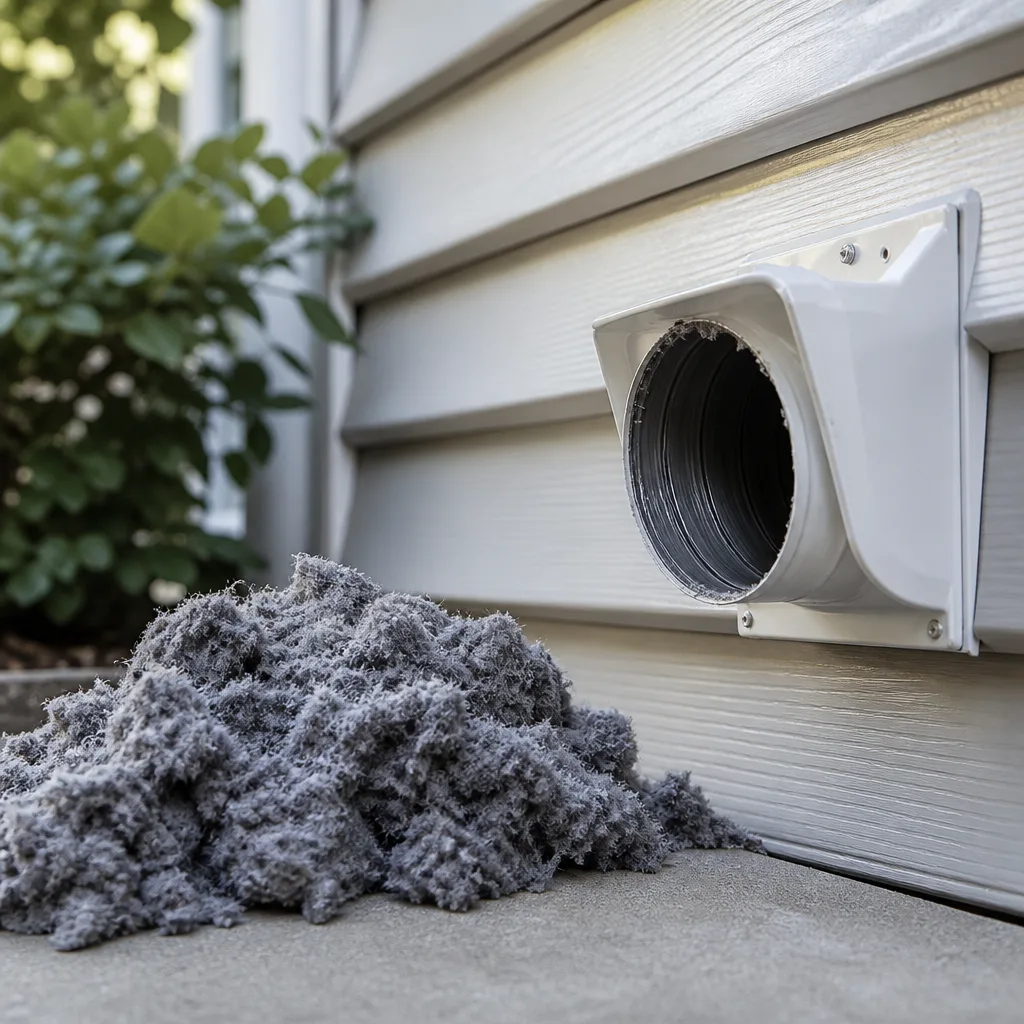
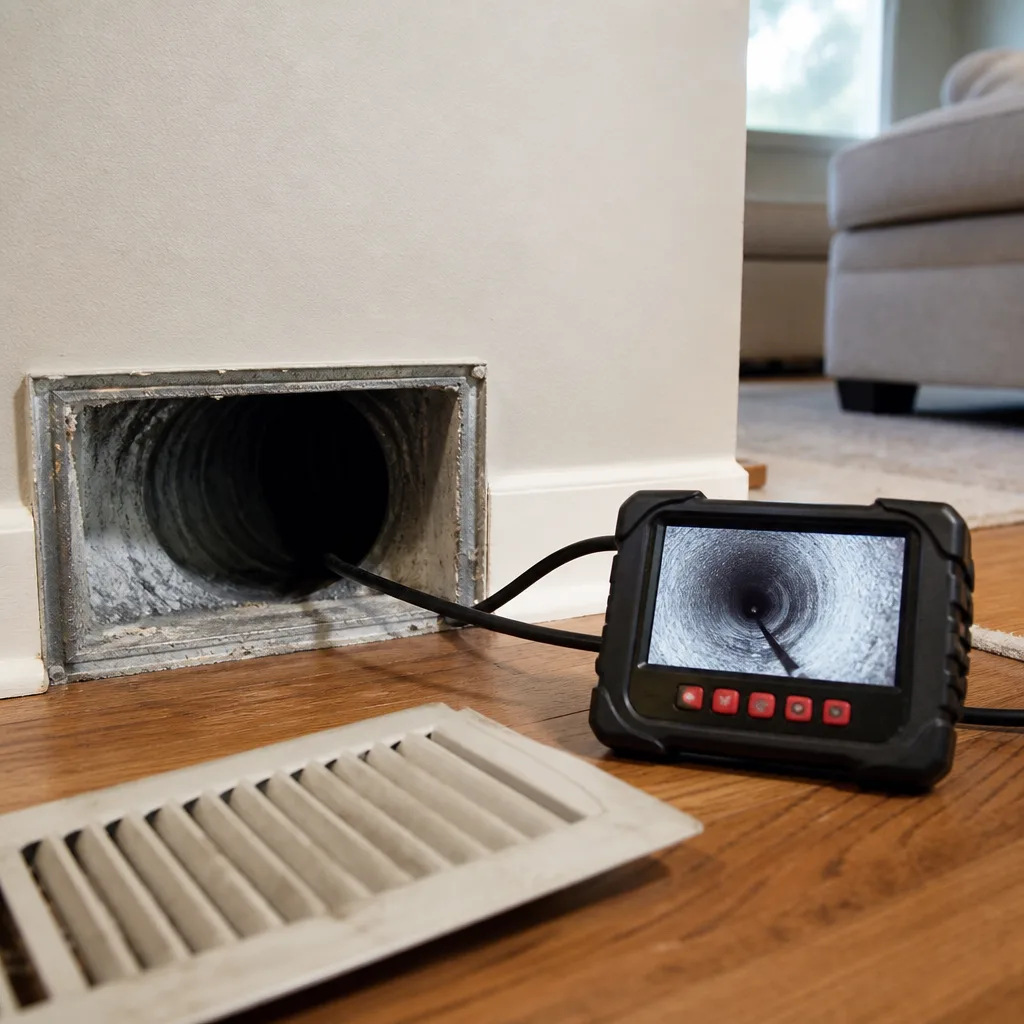
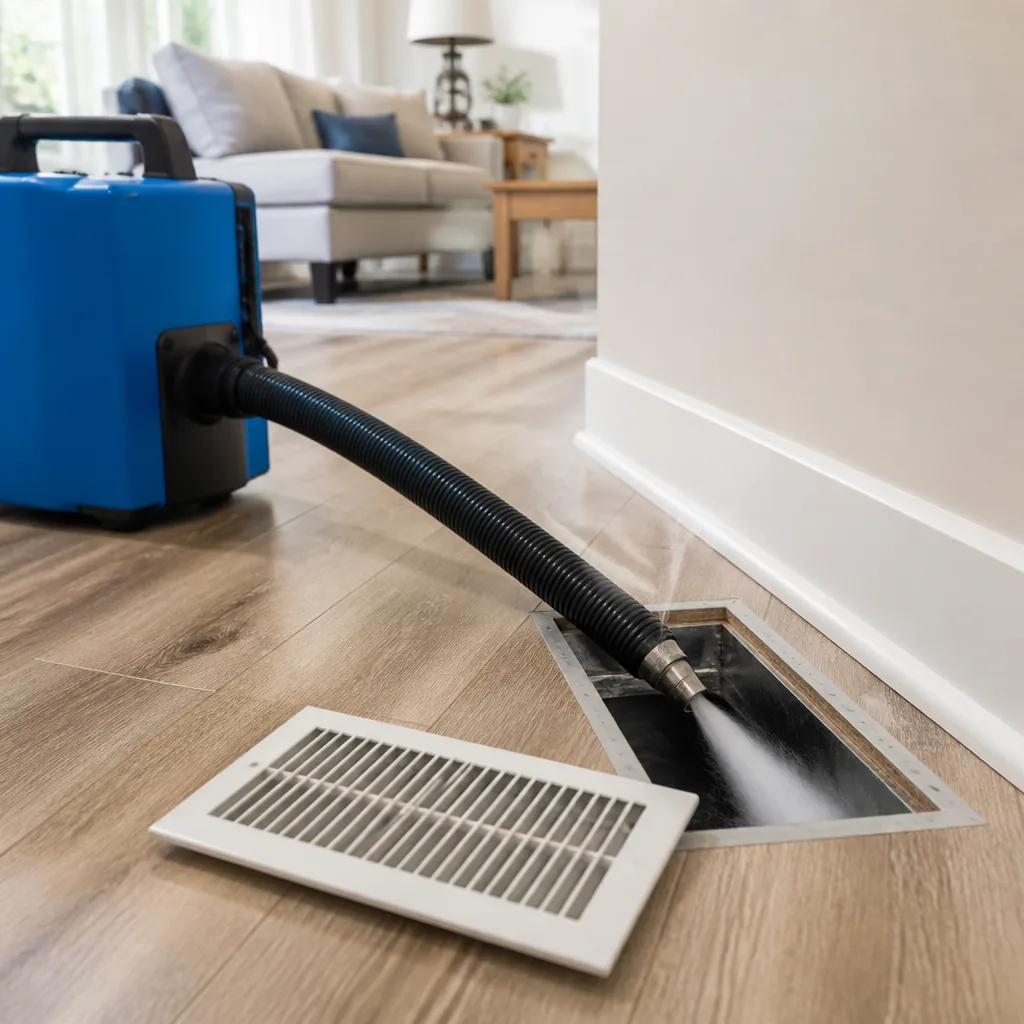
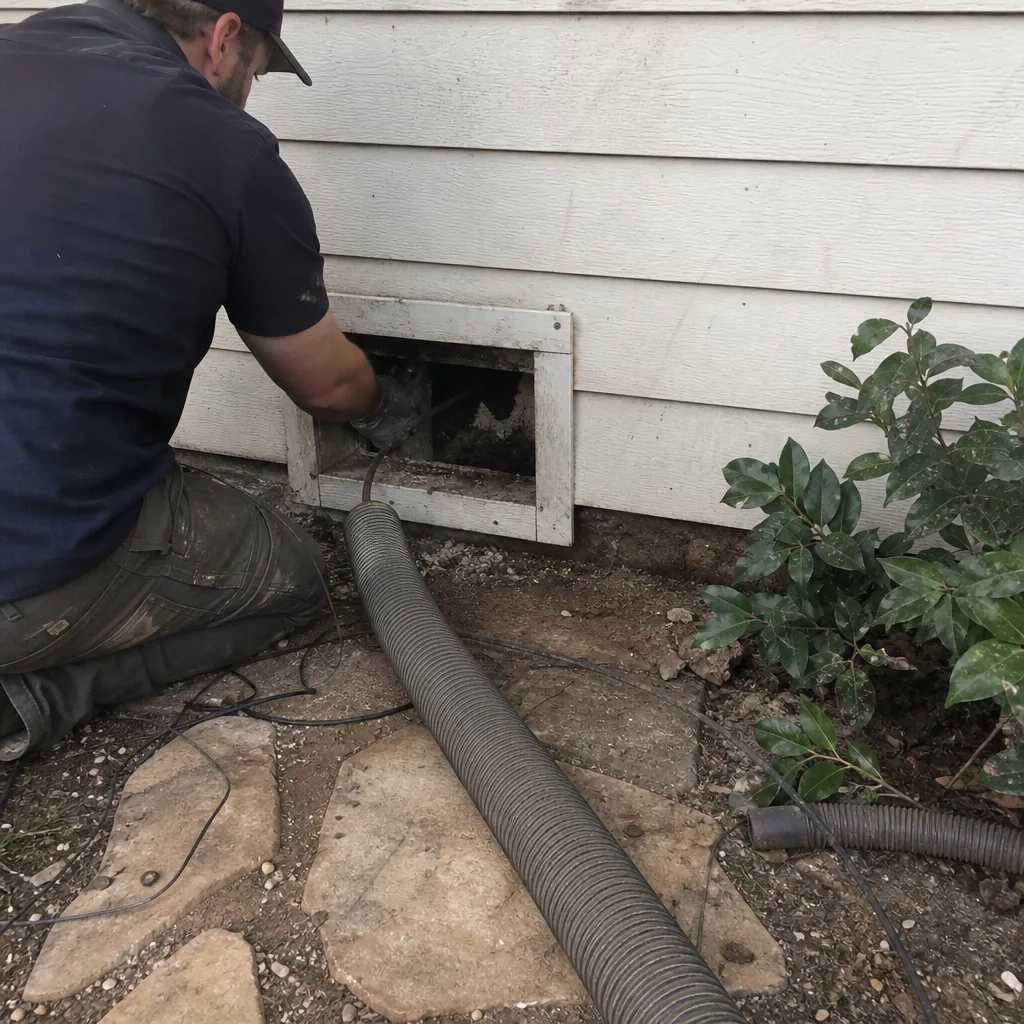 Before
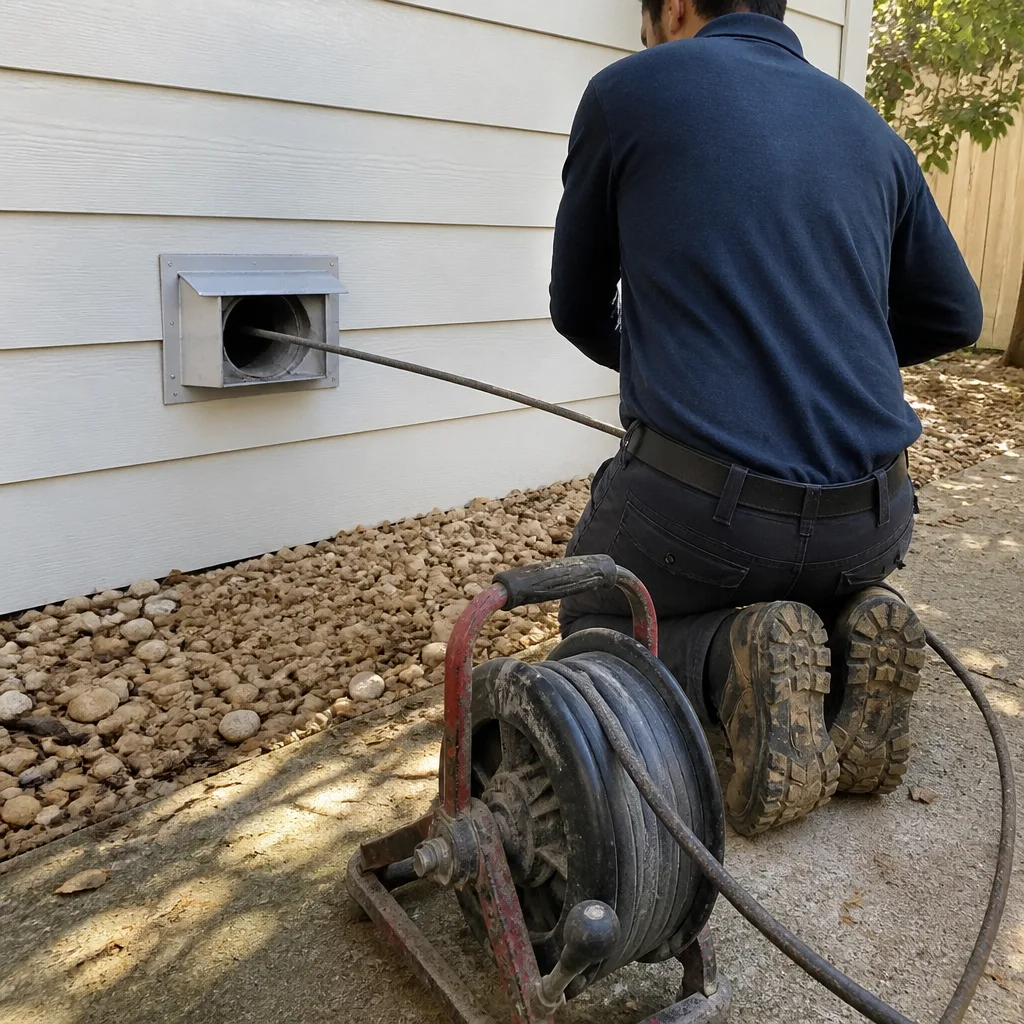 After
After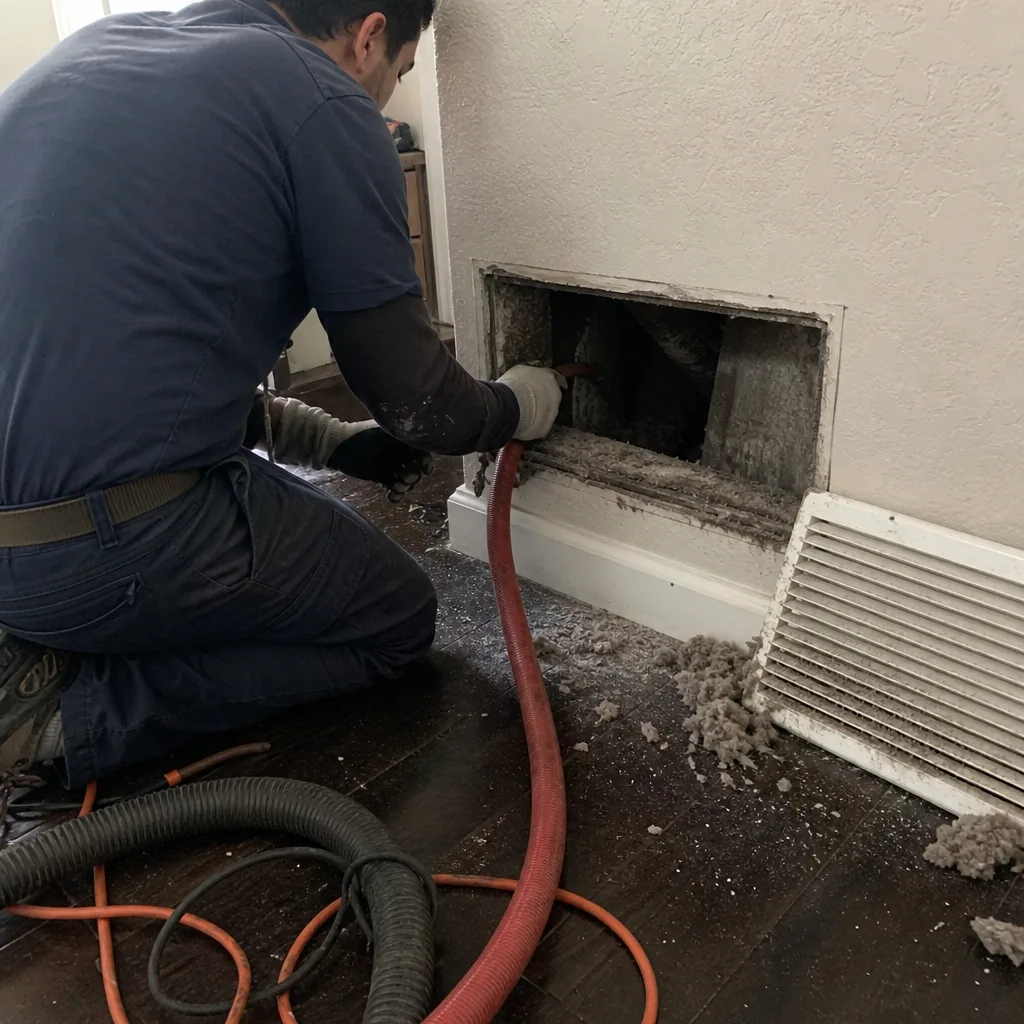 Before
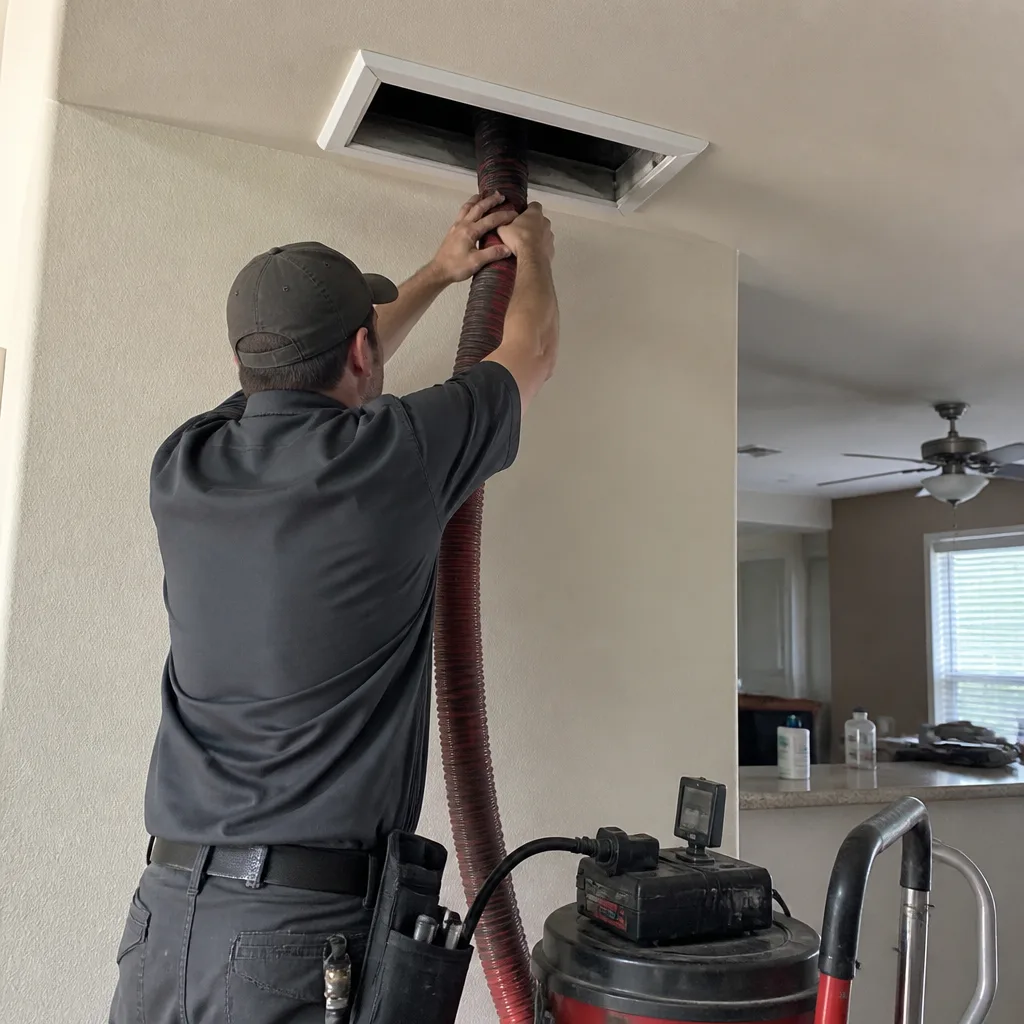 After
After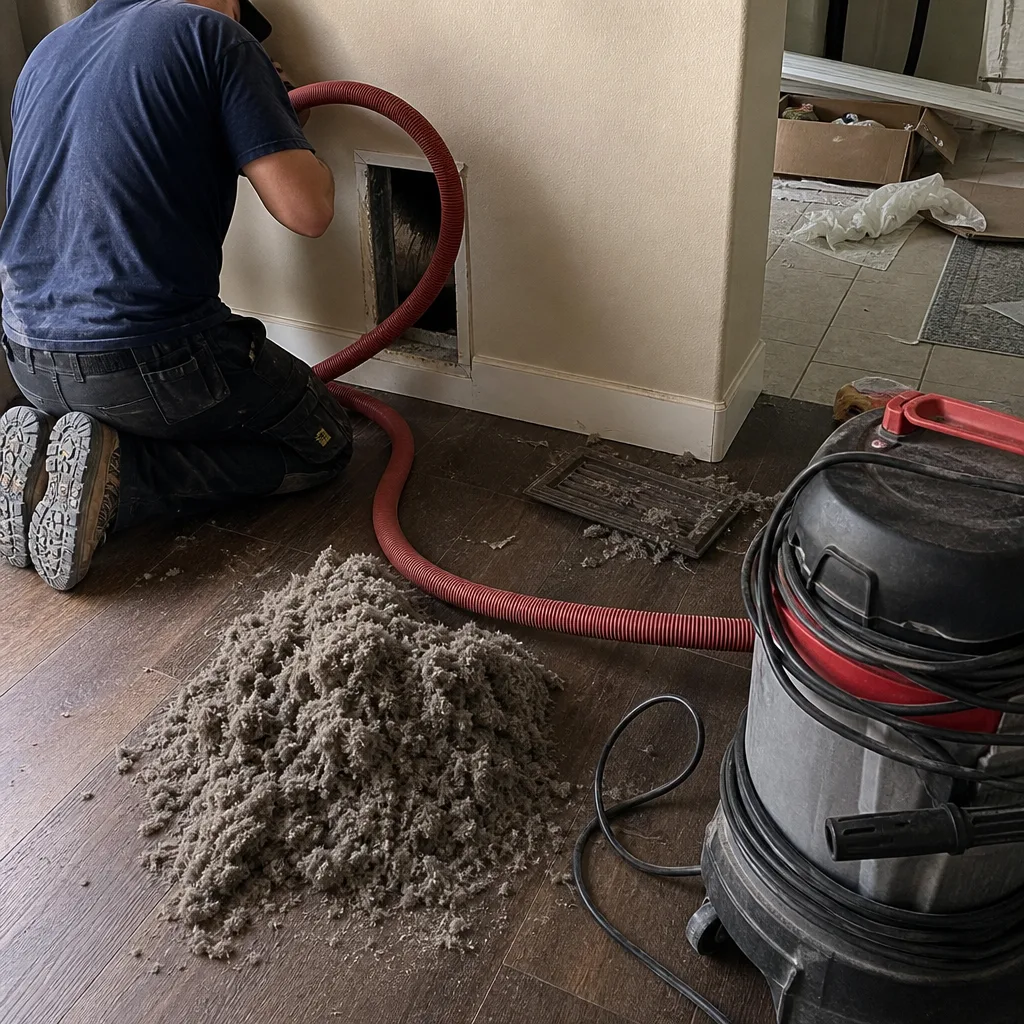 Before
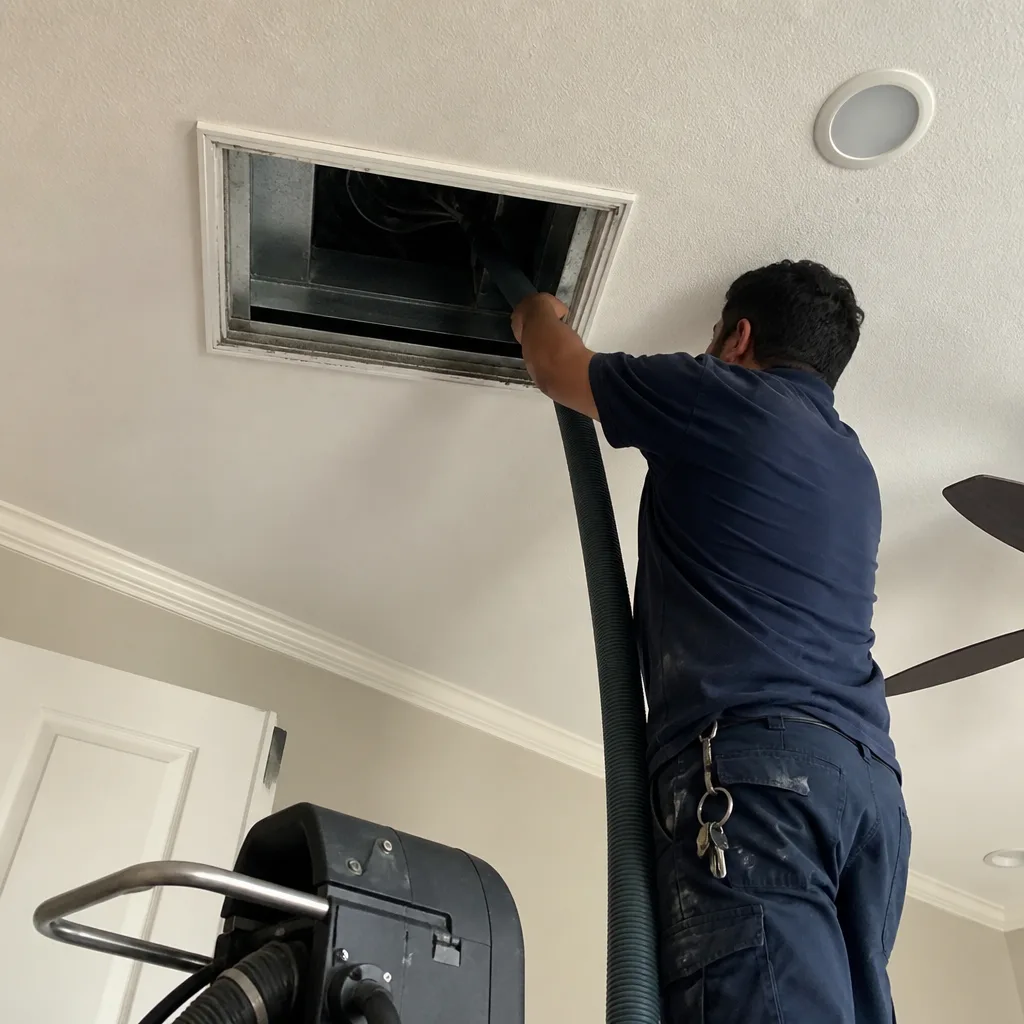 After
AfterGuardsman Duct Sealing & Repair: The Austin Owner’s Guide
We stock and install Guardsman-compatible duct sealing and repair components for residential HVAC systems in Austin, with most jobs completed same-day. Installed pricing typically runs $340-$780 depending on linear footage of sealant needed, accessibility of the duct runs, and whether we’re addressing isolated register boots or full plenum-to-trunk sealing. Most Austin homeowners discover the failure through uneven cooling in upstairs rooms, a sudden spike in summer electric bills, or visible dust blow-by at register seams that wasn’t there last season.
Which Guardsman Models This Applies To
Guardsman manufactures mastic sealants, foil-backed tapes, and mechanical fastening systems sold under the Guardsman ProSeal and Guardsman FlexFix lines, not pre-assembled duct units with model plates. The critical compatibility question is whether your ductwork was originally sealed with Guardsman water-based mastic (the gray, paintable compound common in 2015-2019 Austin builds) or their newer solvent-based formulation designed for higher static pressure systems.
To identify what you’re working with, check the plenum access panel or any original build documentation. Water-based Guardsman mastic dries to a flat gray and will chalk when scratched; solvent-based cures to a darker, rubberized finish that flexes without cracking. The two are not interchangeable for re-sealing, solvent-based over water-based without proper prep causes adhesion failure within two seasons in Austin’s heat-cycling climate. We carry both formulations on our trucks, plus the Guardsman-compatible foil tape rated to 200°F for register boot connections.
OEM Guardsman sealant runs 15-20% above quality aftermarket equivalents from Nashua or 3M. For most Austin homes, we spec aftermarket for accessible trunk lines and reserve OEM Guardsman for plenum connections and high-velocity returns where the manufacturer tested the adhesive bond.
Signs Your Guardsman Duct Sealing & Repair Is Failing
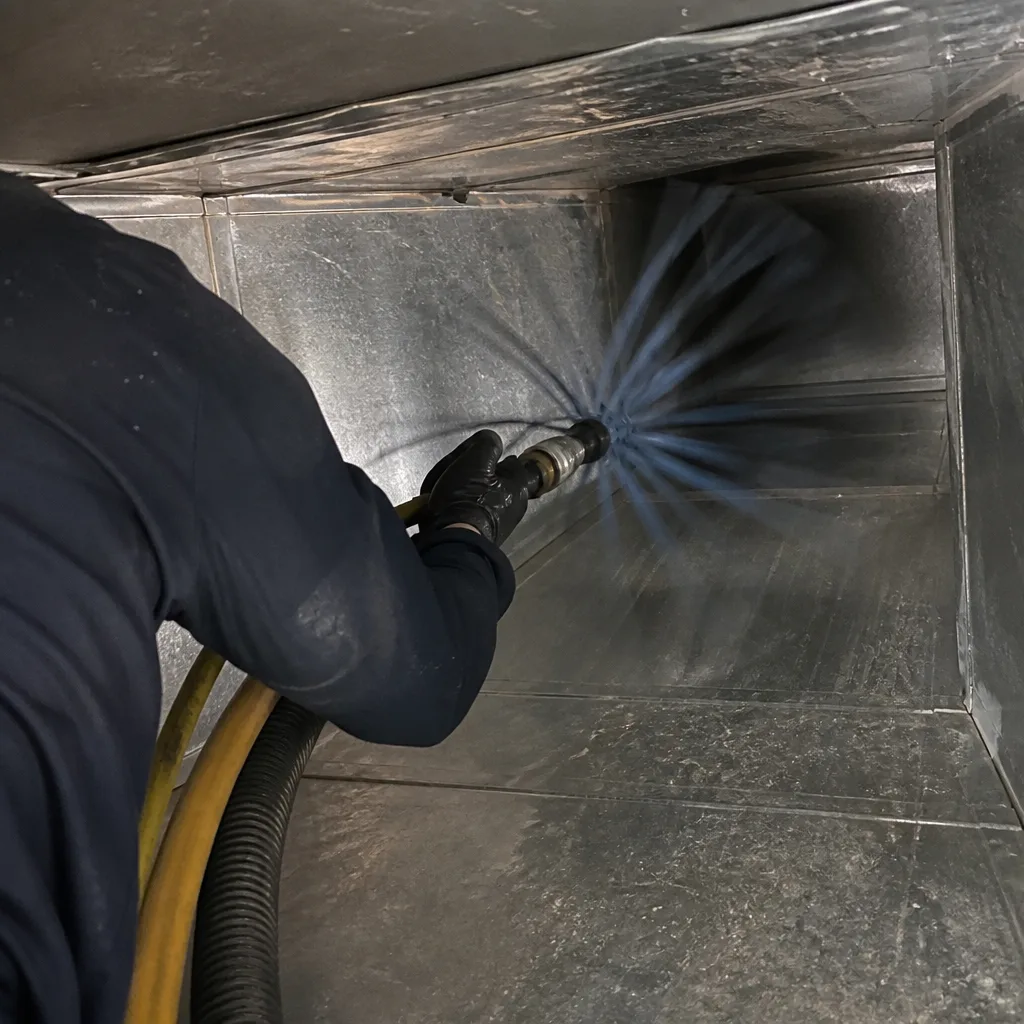
- Uneven room temperatures. The upstairs bedroom runs 8-12 degrees warmer than the thermostat setting while the downstairs freezes. This usually means sealant has cracked at a trunk-line branch, dumping conditioned air into the attic or crawl space before it reaches the register. In Austin’s 110°F July afternoons, that lost air is your compressor running overtime.
- Dust streaking at register edges. Dark lines forming on ceiling or wall around the register boot indicate the seal between duct and drywall has failed, pulling attic insulation particles and unfiltered air into the living space. The camera often shows the original mastic has separated from the metal flange entirely.
- Spiked summer electric bills with no rate change. A 20-40% jump in kWh usage from June through September, with the same thermostat habits, points to supply-side leakage. The system delivers the same BTUs but loses 15-30% to the attic. We’ve measured this with flow hoods in Circle C Ranch homes where the homeowner had already replaced the compressor once.
- Whistling or rushing air in walls. High-velocity noise in stud bays means the duct run itself has separated at a joint, not just surface sealant failure. This is beyond tape repair; the section needs re-assembly and proper re-sealing with mechanical support.
- Condensation on ductwork in the attic. Warm, humid attic air contacting cool supply ducts through a seal gap causes sweating. Over time this degrades surrounding insulation and can drip through ceiling drywall. We see this most in Austin homes with original flex duct from the 2010-2015 build wave, where the wire helix has compressed the inner seal.
BeforeAfterReplacement Cost & What’s Included
| Scope | Typical Range | What’s Included |
|---|---|---|
| Register boot re-seal (1-3 boots) | $340-$480 | Access, removal of failed material, surface prep, OEM or aftermarket sealant application, flow verification, photo documentation |
| Trunk line section seal (up to 15 linear ft) | $520-$680 | Full access opening, joint inspection, mechanical fastening where needed, mastic or tape per spec, pressure test, photo record |
| Plenum-to-AHU seal and full trunk verification | $680-$780 | Complete disassembly of plenum connection, inspection of evaporator housing, re-seal with OEM Guardsman or equivalent, static pressure reading, full photo record |
What drives the range: attic accessibility (blown insulation vs. floored), whether the original sealant is water-based and requires full removal versus spot repair, and if the duct run has sagged and needs re-support before sealing. Every quote is written and agreed before work starts, Haven Standard Clause 1. The 365-Day Done Right Promise covers labor and materials; if the seal fails or the symptom returns, we return at no charge and re-document.
DIY or Call Us?
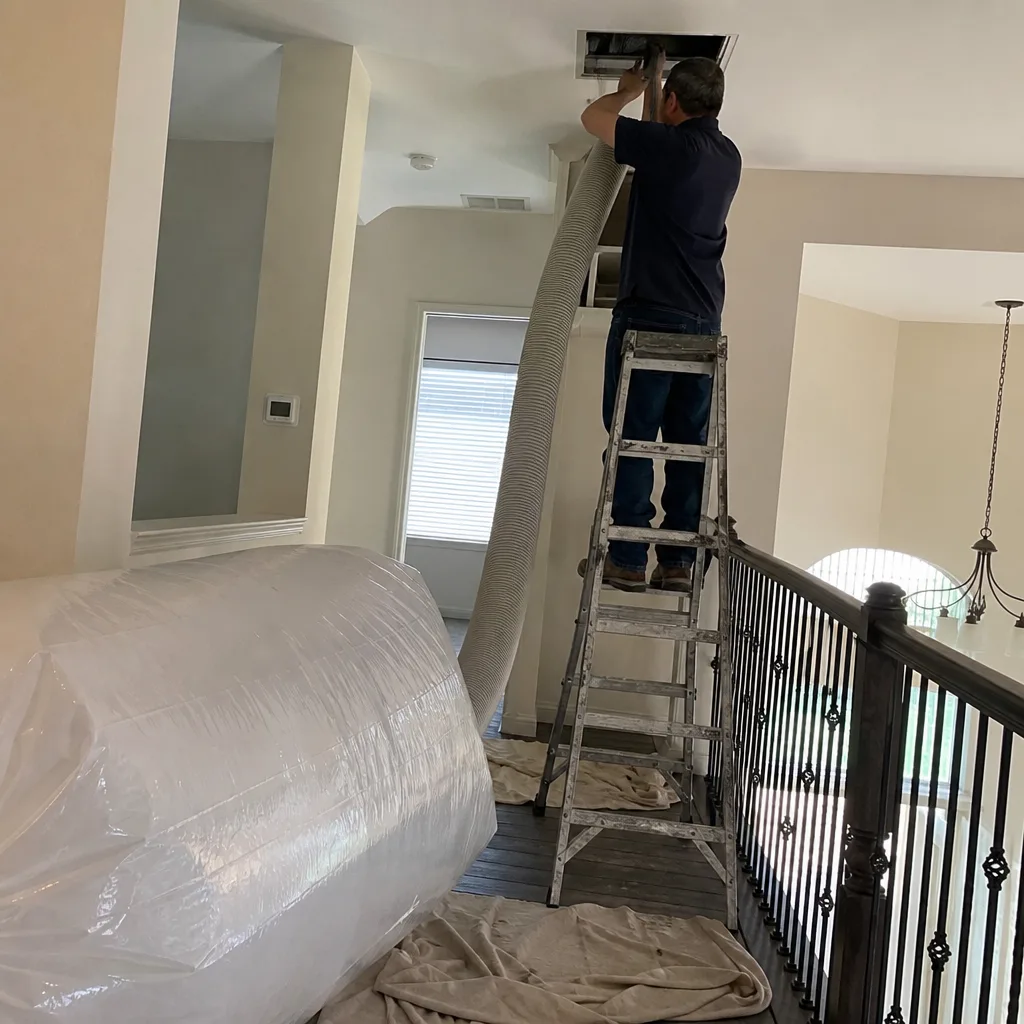
An owner can safely check for obvious failures: remove a register and photograph the boot connection with a phone flashlight, look for separated tape or crumbling mastic at visible joints, and note any temperature differences room-to-room with a basic infrared thermometer. What you find is useful information to share when you call.
Where DIY goes wrong: attic ductwork involves fiberglass insulation contact, potential asbestos in pre-1990 wrap, and working on joists or trusses with limited footing. More critically, sealing a duct run without verifying static pressure before and after can mask a larger problem, collapsed flex duct, or an undersized return that the new sealant will only strain further. The mastic itself is non-toxic once cured but requires respiratory protection during application. We pull a camera scope before quoting anything; the photo shows what’s actually failed, not what we assume. Call (737) 243-9544 and we’ll put the written price next to what we found.
FAQs
Properly applied water-based mastic lasts 10-15 years in Austin’s climate; solvent-based formulations extend that to 15-20. The killer is thermal cycling, 30°F winter nights to 105°F attic afternoons, which hardens mastic faster than in milder zones. Call (737) 243-9544 for an exact quote on re-sealing, estimates are free.
Spot repair works if the failure is isolated to a single register boot or small trunk joint and the surrounding mastic is still flexible. Once cracking is widespread or the original material has turned powdery, full removal and re-application is the only lasting fix. We document which condition we found before recommending either approach. Call (737) 243-9544 for an exact quote, estimates are free.
Most residential jobs run 2.5 to 4 hours, including access, documentation, and cleanup. Full plenum work or multiple attic entries add time. You’ll receive the before-and-after photo record by end of day. Call (737) 243-9544 for an exact quote, estimates are free.
We carry both Guardsman ProSeal formulations, compatible foil tape, mechanical fasteners, and support straps on every Austin truck. For uncommon applications, we source overnight from the regional distributor in San Antonio. Call (737) 243-9544 for an exact quote, estimates are free.
CleanRun Air Duct Cleaning Austin is an independent service provider, not affiliated with Guardsman or its parent company. We name the brands we use so customers can verify specifications independently.
Tomas Reyes, who grew up in the Bronx and learned this trade through the HVAC program at Bronx Community College, runs every crew under Haven Standard Clause 3: Verified Crews. His habit is to show the photo first, then talk about what needs to happen next. That practice hasn’t changed since the first CleanRun job in 2013.
Written by Tomas Reyes, Owner & Lead Technician, CleanRun Air Duct Cleaning Austin at CleanRun Air Duct Cleaning Austin, serving Austin and nearby areas.