
Whole-system duct and dryer vent check with before-and-after photos - you see exactly what came out of your vents
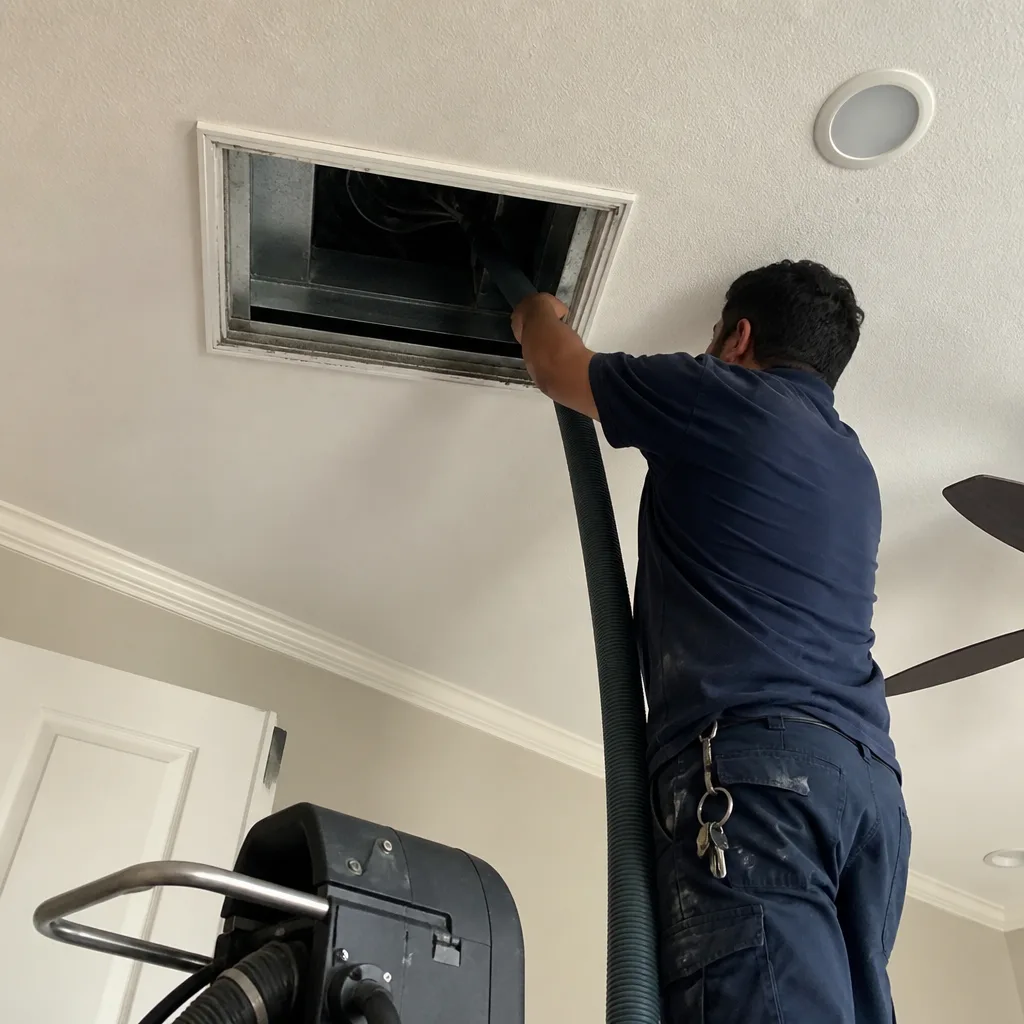
That "$99 whole-house special" is a bait ad - the real number appears once they are in your hallway, or the "clean" is a shop-vac at the register. We photograph the inside of your ducts before and after instead.
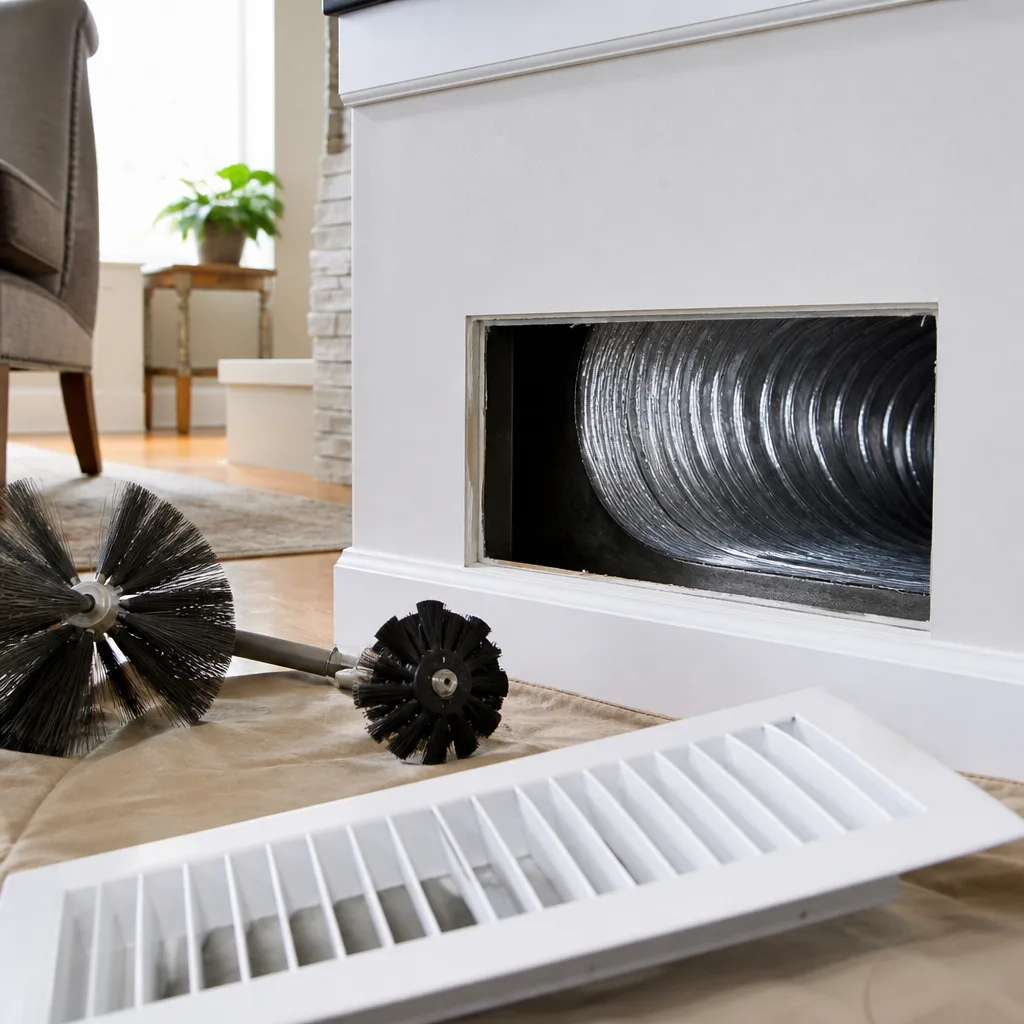
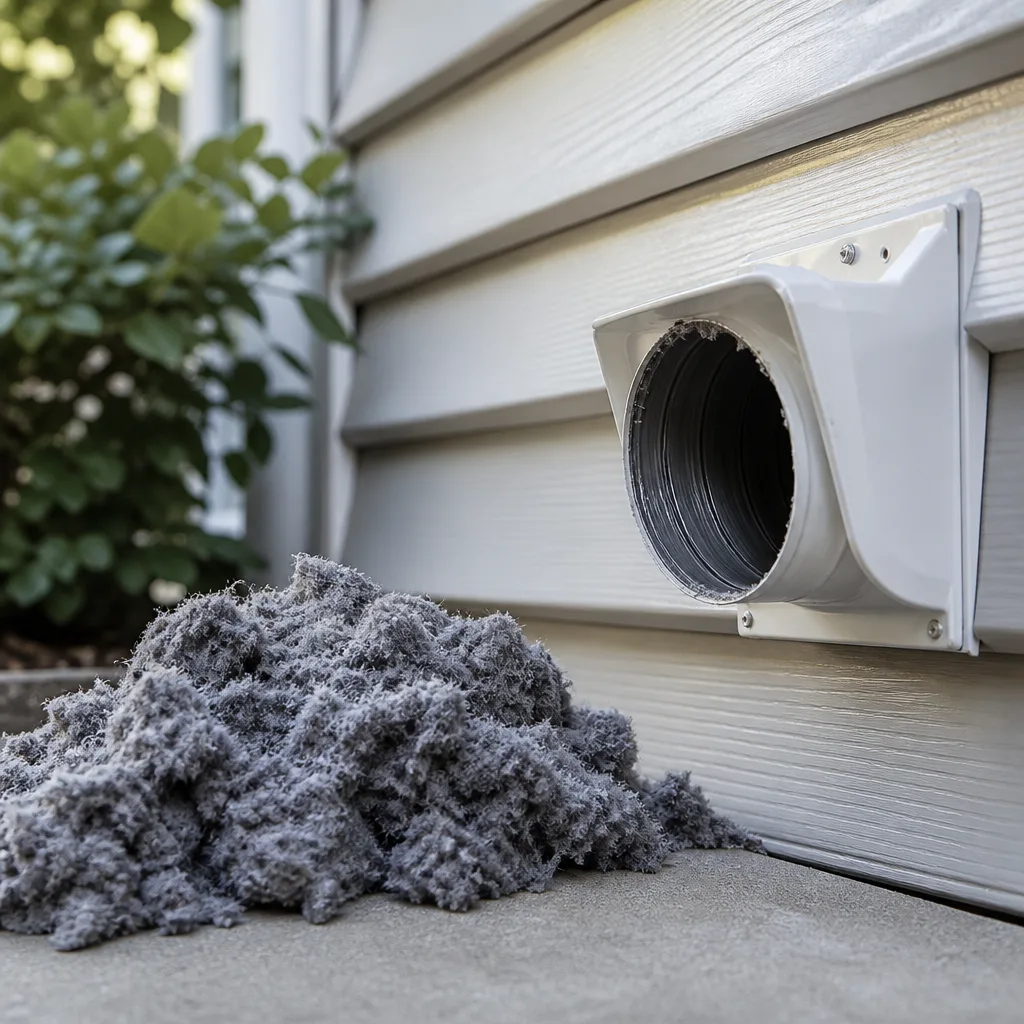
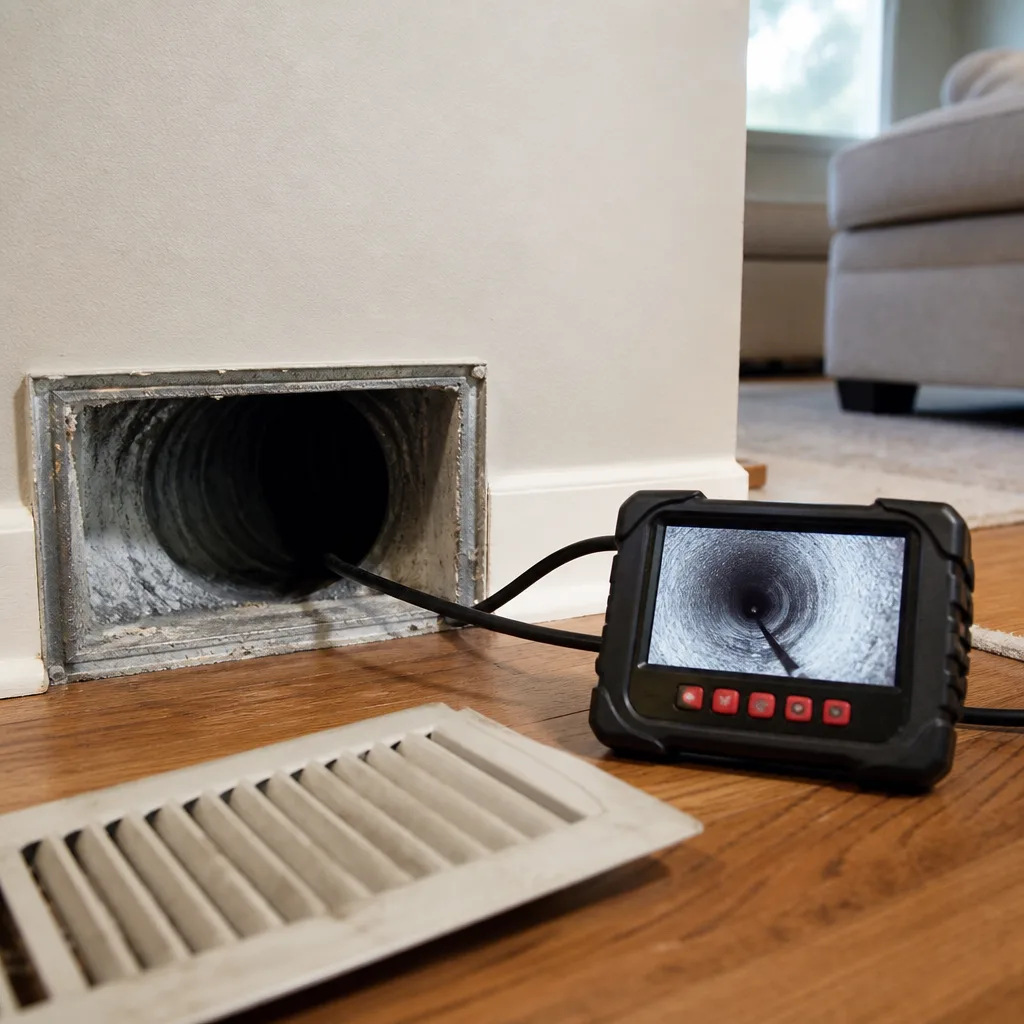
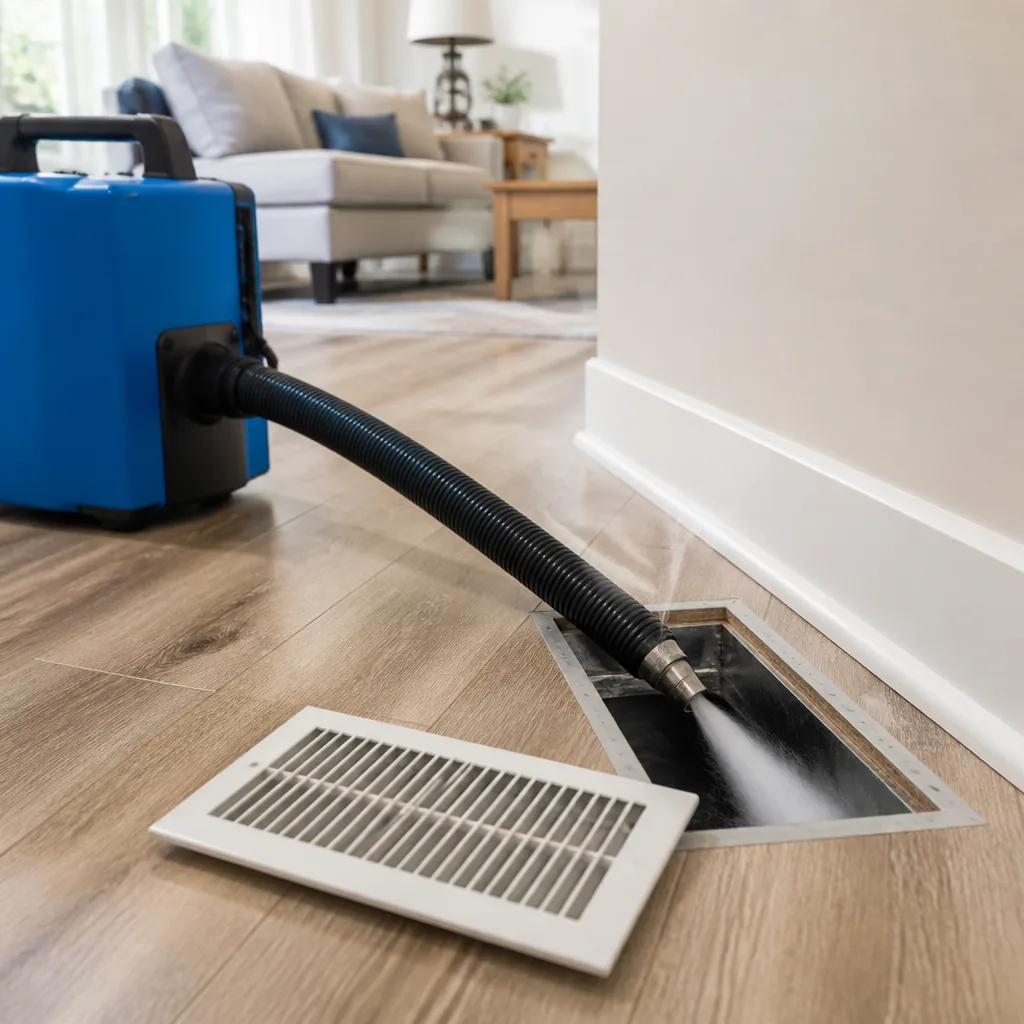
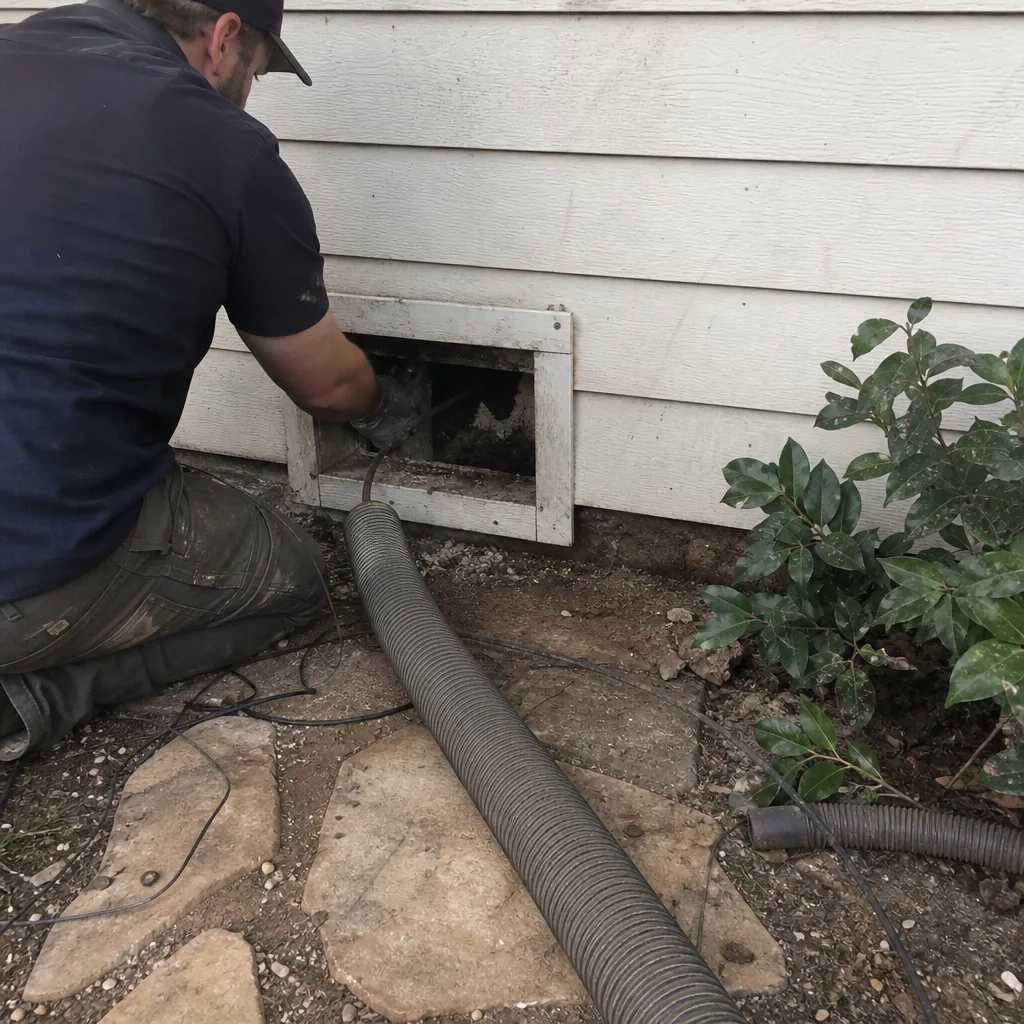 Before
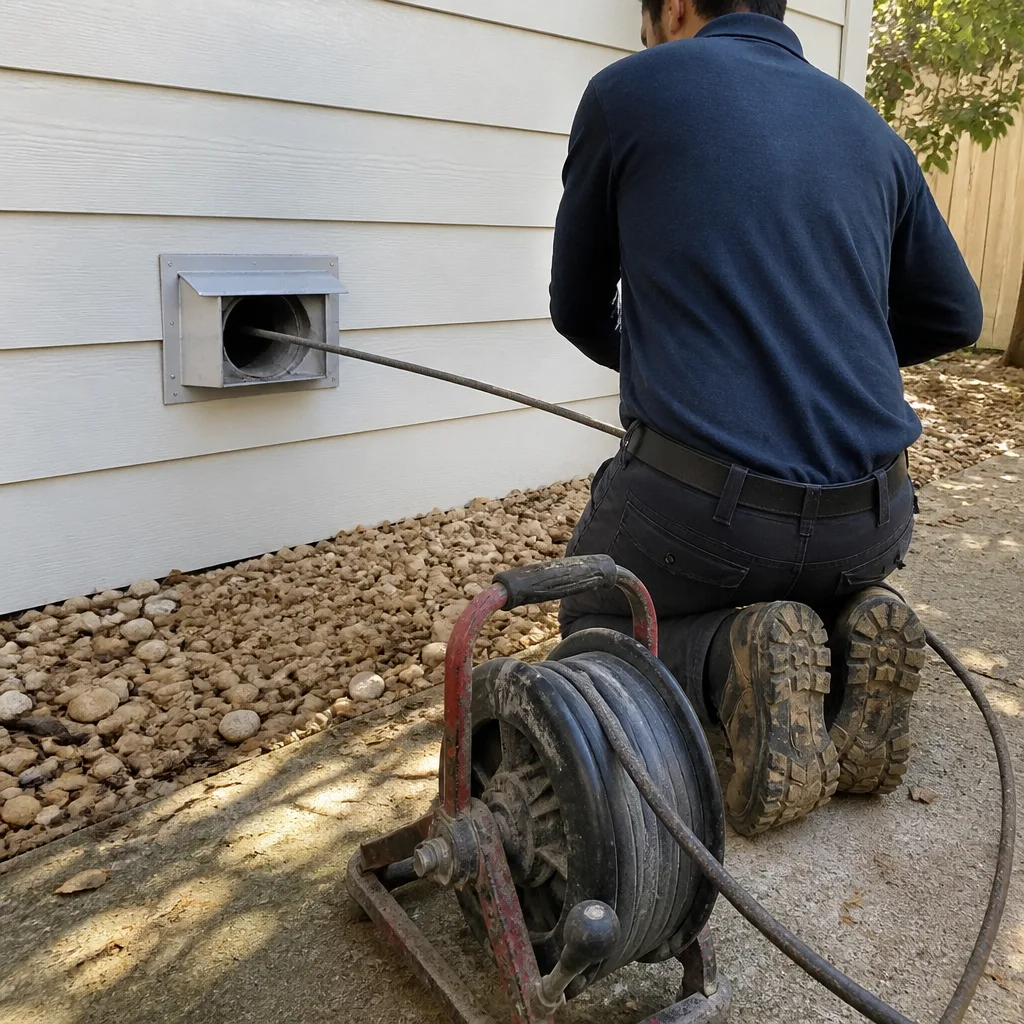 After
After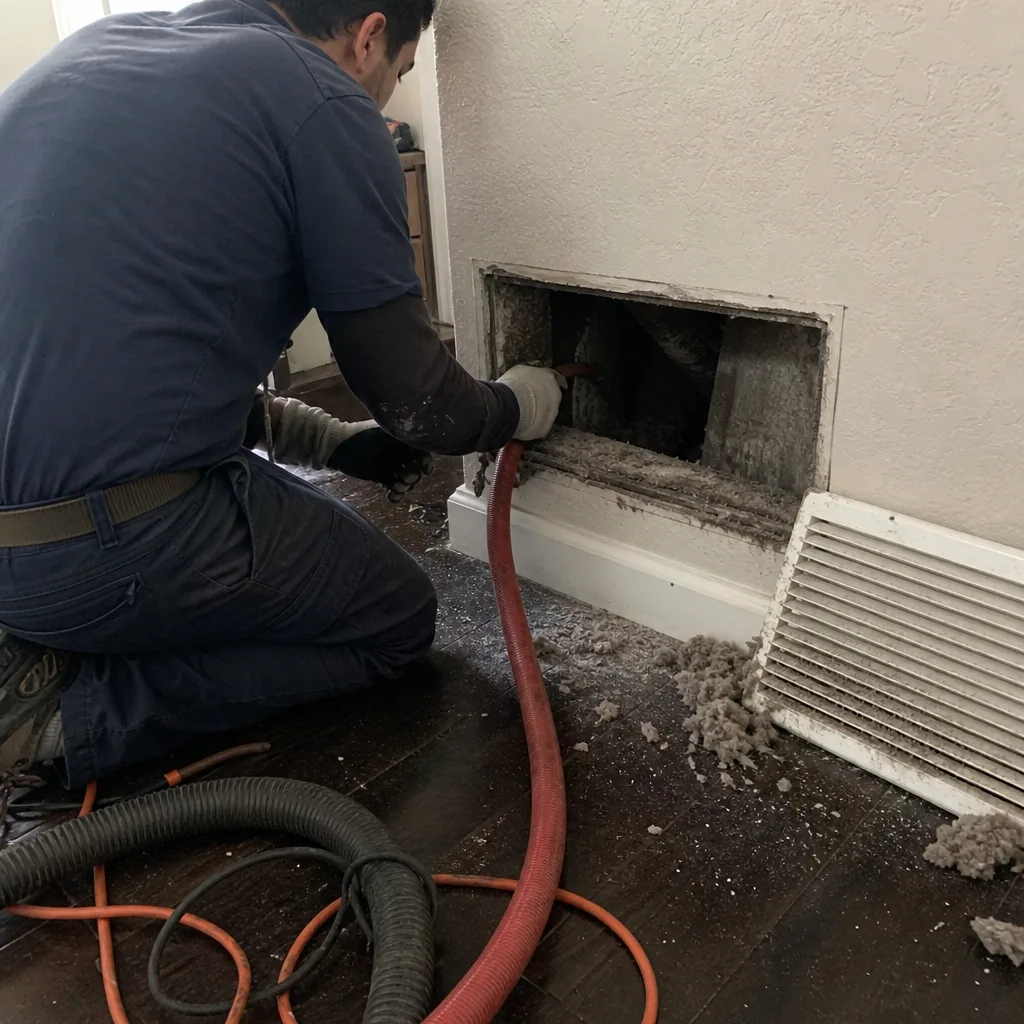 Before
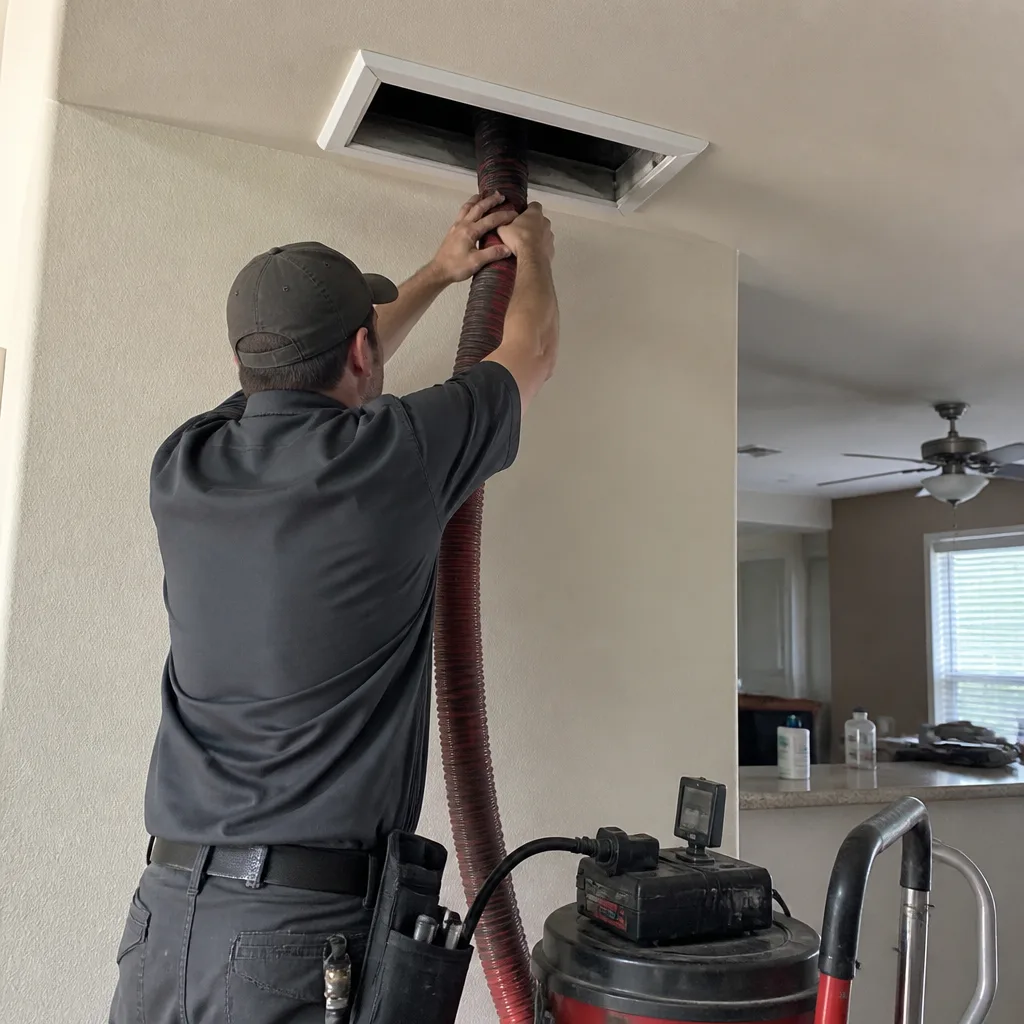 After
After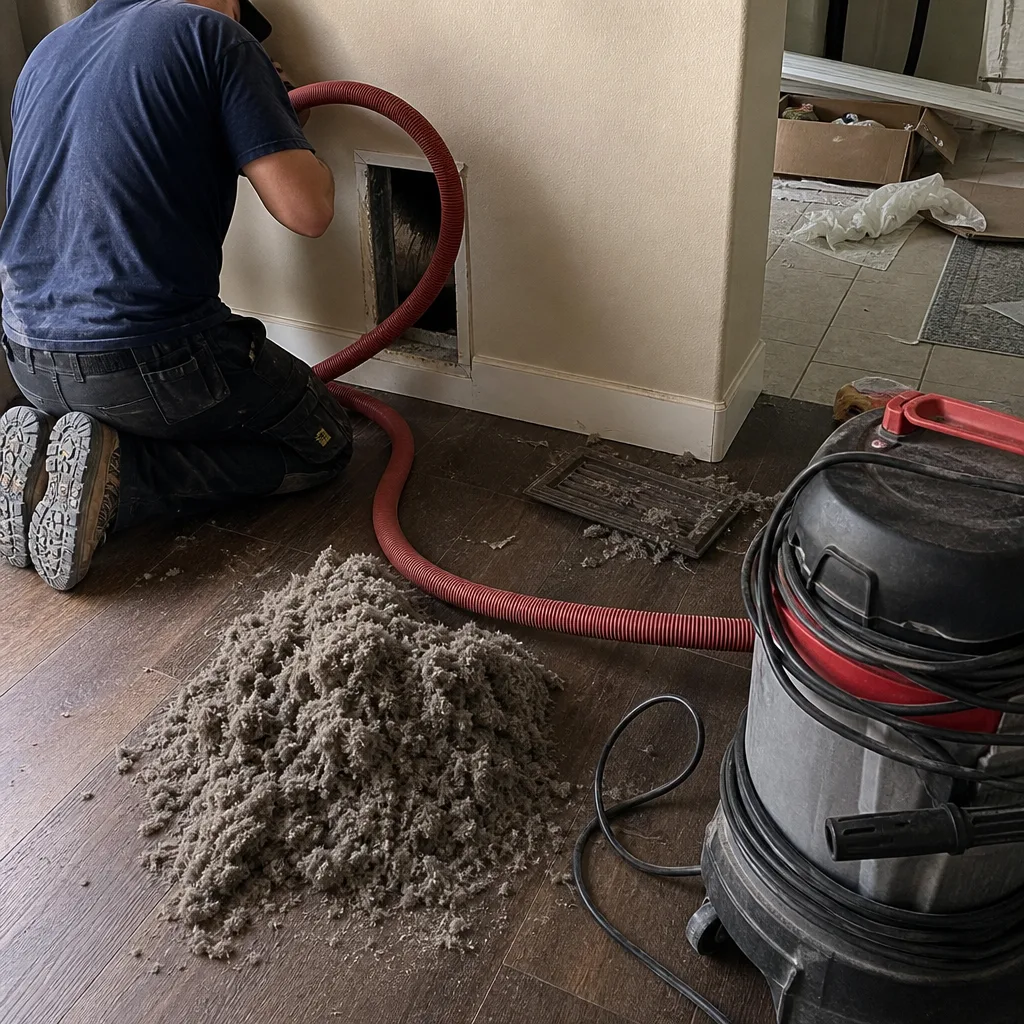 Before
 After
AfterHoneywell Dryer Vent Cleaning in Austin: What to Know First
CleanRun Air Duct Cleaning Austin provides independent Honeywell dryer vent cleaning across Austin, from Mueller new builds to Tarrytown renovations. Most Honeywell exhaust systems we see are cleaned and documented same-day, with a written price delivered before any panel comes off. For a typical single-family home in Austin, dryer vent cleaning runs $180 to $340 depending on run length, access difficulty, and what the camera actually shows inside the duct.
This page is for homeowners who searched their Honeywell model number, confirmed the vent run is underperforming, and want a technician who names the price in writing and shows the photo before explaining what needs to happen next. Call (737) 243-9544 for a free estimate with no obligation.
How Honeywell Products Fail - and How We Fix Them
- DR90 Series: restricted airflow from collapsed flex transitions. The DR90’s factory transition sleeve is a thin foil-flex hybrid that sags where Austin’s summer attic heat softens the adhesive. We replace it with a solid-metal elbow and strap it to structure so it stays round. The photo record shows the collapse before and the corrected pitch after.
- TrueDRY DR65: secondary lint accumulation at the back-pressure sensor port. Honeywell’s DR65 mounts the back-pressure tap inside the primary lint path. When Austin’s high pollen counts combine with fabric softener residue, the port cakes shut and the unit throws false “duct blocked” alerts. We pull the tap, clean it with a bore brush, and photograph the restriction so the owner has evidence if warranty service is needed later.
- Whole-home vent boosters (HVR series): impeller fouling from pet hair and Hill Country limestone dust. Austin’s caliche-heavy soil generates fine particulate that settles in booster impeller housings. The HVR-150 in particular has a tight blade-to-housing tolerance; 1/16 inch of packed dust stalls the motor. We disassemble, clean the housing with negative-pressure extraction, and bench-test the amp draw before reinstallation.
- Honeywell wall caps with flapper dampers: heat-warped flappers that don’t fully close. South-facing exposures in Austin’s 105-degree August heat deform the PVC flapper on older HW-VC series caps. The gap admits wasps, pollen, and attic air. We measure the free area, note the warp in the written scope, and install a replacement cap with a stainless spring and silicone seal rated for Texas sun.
- DR90 vent runs over 25 feet: lint packing at the low point where the duct sags between trusses. Honeywell’s install manual allows 25 feet with two elbows, but Austin’s pier-and-beam crawl spaces and spray-foam attics often force longer runs with more bends. The low spot becomes a lint sump. We locate it with the camera, mark the access point, and install a cleanout tee so future maintenance doesn’t require cutting drywall.
Our Honeywell Dryer Vent Cleaning Process
- 1
Camera inspection before quote. Tomas Reyes or a CleanRun technician runs a bore scope through the full vent run. The customer sees the image on screen before any price is discussed. Show the photo first, then talk about what needs to happen next.
- 2
Written scope and price. Haven Standard Clause 1: the price is typed, printed, and signed before work begins. No exceptions. The scope names the Honeywell model, the specific fault found, and the parts to be used.
- 3
Parts decision: OEM or verified aftermarket. For warranty-active units under 5 years, we quote Honeywell OEM caps, sensors, and transition kits. For out-of-warranty systems, we offer quality aftermarket equivalents from Guardsman and Aprilaire with equivalent specs, noted in writing.
- 4
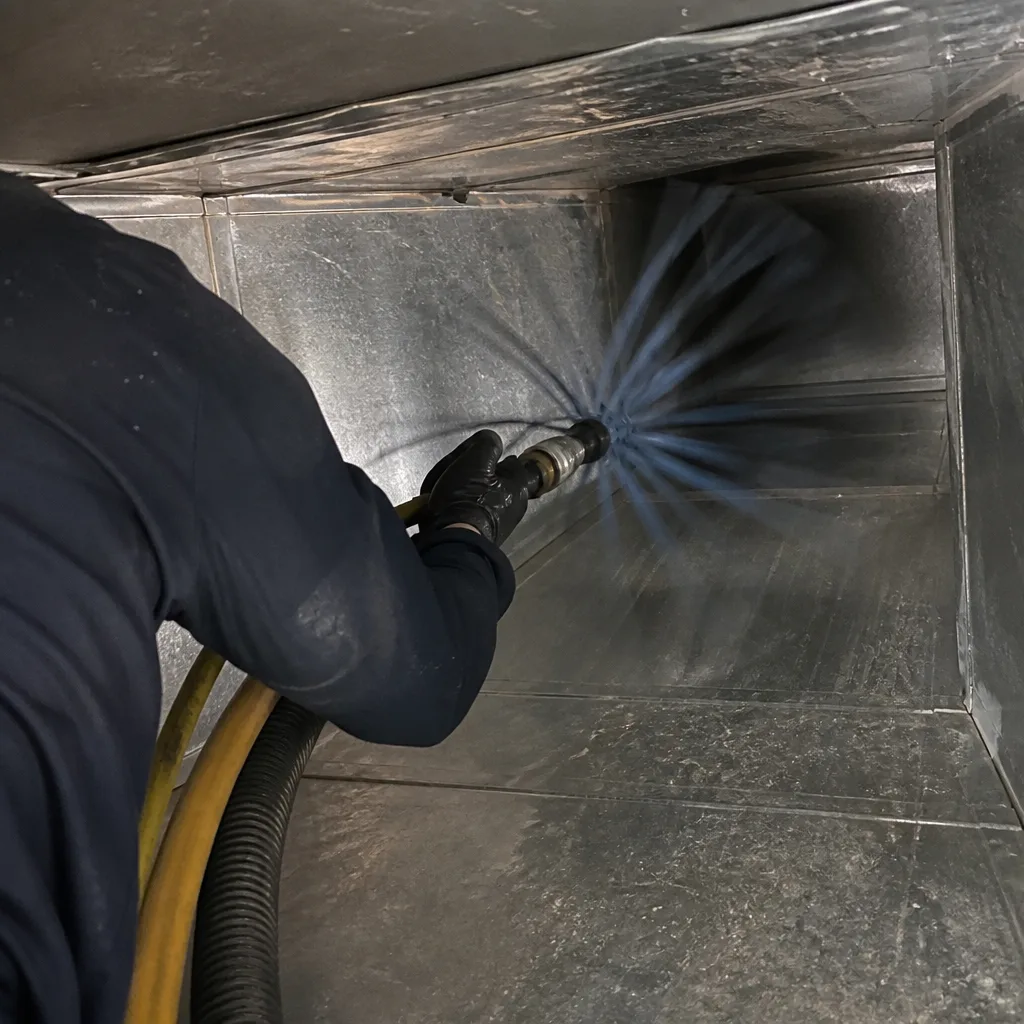
Negative-pressure extraction and mechanical cleaning. We use Rotobrush and Nikro equipment, sized to the duct diameter. The vacuum maintains negative pressure at the register so debris doesn’t enter the living space. Every elbow and transition is brushed, then vacuumed again.
- 5
Back-pressure test and photo record. We measure static pressure at the dryer connection with a digital manometer, compare to Honeywell’s spec, and photograph the reading. The before-and-after photo set, pressure reading, and signed scope are delivered as the standard job record.
- 6
365-Day Done Right Promise activation. The written guarantee is dated and signed. If airflow drops or the fault returns within one year, we return and make it right.
BeforeAfterWhat Honeywell Dryer Vent Cleaning Costs in Austin
| Scenario | Price Range |
|---|---|
| Standard cleaning, single-story, accessible vent (under 15 ft) | $180 - $240 |
| Multi-story run, attic or crawl access, 1-2 elbows | $240 - $290 |
| Long run (25+ ft), booster removal/cleaning, or cleanout tee install | $290 - $340 |
| Honeywell wall cap replacement (OEM) | $85 - $140 parts + labor |
| HVR booster disassembly and cleaning | $160 - $220 additional |
What moves the price: run length, number of elbows, whether the duct is solid metal or flex, attic temperature (Austin’s August attics hit 140°F, so we schedule morning slots when possible), and whether the camera shows packed lint or just surface coating. Every estimate is free. Bring a competitor’s written quote and we’ll put our number next to it under our Free Second Opinion policy.
Why Austin Homeowners Call CleanRun Air Duct Cleaning Austin for Honeywell Work
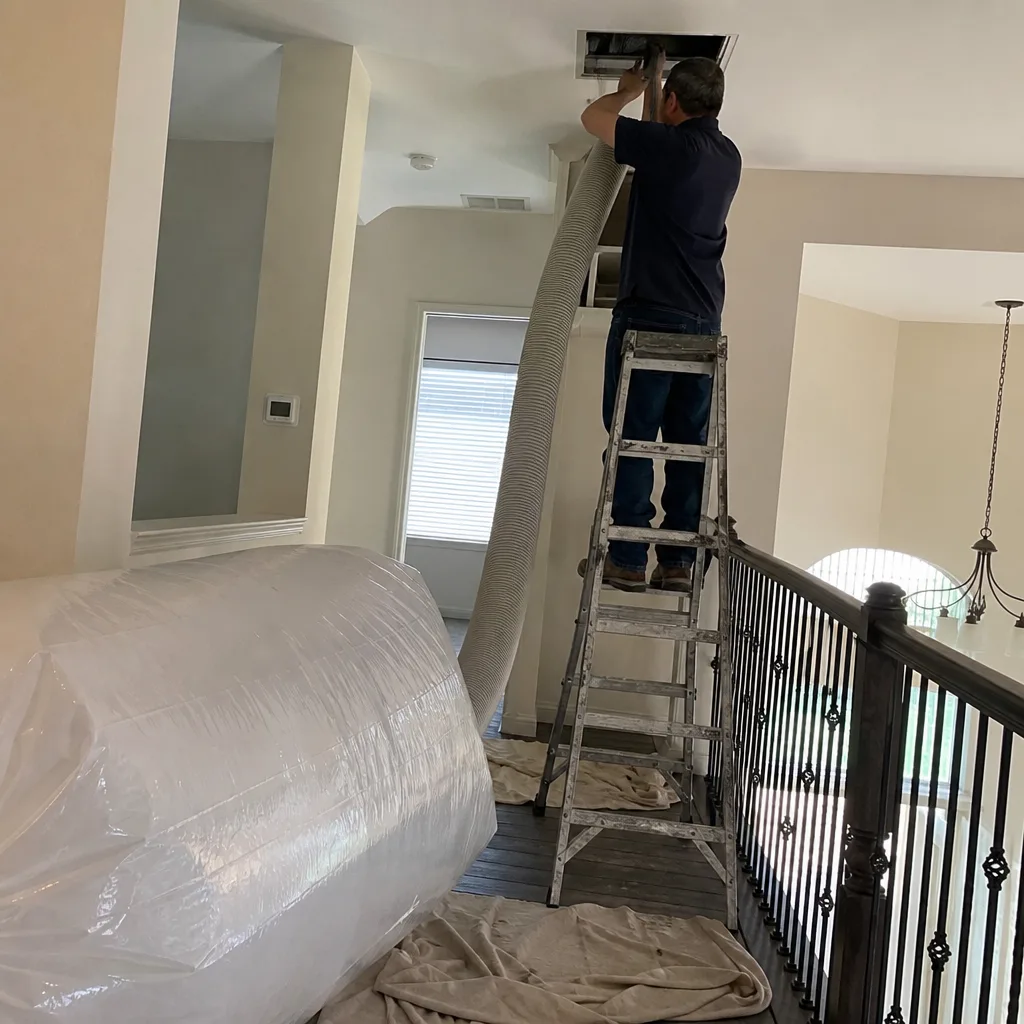
We’ve cleaned dryer vents in Austin since 2013, and Honeywell equipment has been a growing share of our calls as the DR90 and TrueDRY lines gained market presence in the 2018-2023 new construction wave. Our technicians are background-checked and uniformed under Haven Standard Clause 3: Verified Crews. We also service Lennox, Trane, and Carrier vent systems, which matters when a home has mixed-brand HVAC and the owner wants one crew who understands how the dryer vent interacts with the whole-house airflow design.
The 365-Day Done Right Promise is backed in writing, not mentioned in passing. The Documented Photo Record on Every Visit is included, not an upsell. And the price is named before work starts, every time, because Haven Standard Clause 1 doesn’t have exceptions.
FAQs
No. Routine maintenance including vent cleaning does not void Honeywell’s product warranty, provided the work is performed by a qualified technician and no factory components are modified. We document our methods and parts in writing so you have a record if warranty questions arise later. Call (737) 243-9544 if you’d like us to review your specific model’s warranty terms before scheduling.
For units still under factory warranty, we recommend Honeywell OEM parts to preserve coverage. For out-of-warranty systems, we use quality aftermarket components from Guardsman and Aprilaire that match OEM specifications for temperature rating, free area, and pressure drop. The choice is noted in your written scope, and we don’t substitute without your signature.
Every CleanRun job includes a Documented Photo Record of the full duct run, inside, before and after. You see the lint buildup at the elbows, the condition of the transition, and the clear duct after extraction. We also provide a digital manometer reading showing back-pressure before and after. If a company won’t show you the inside of your own duct, you’re buying a procedure, not a result.
Long dry times are most often caused by restricted airflow from lint accumulation in the vent run, not a failing dryer. We measure back-pressure at the dryer connection; if it’s above 0.75 inches water column on a Honeywell DR90 system, the vent is the restriction. If pressure is normal and the dryer still underperforms, we’ll note that in writing and recommend appliance service rather than sell you unnecessary duct work.
Every 12 to 18 months for a typical household, and every 6 to 12 months if you have multiple pets, wash heavy linens weekly, or run the dryer more than 5 loads per week. Austin’s limestone dust and high pollen seasons add particulate load that accelerates buildup in the vent cap and first elbow. We note the recommended next cleaning date on your job record.
Written by Tomas Reyes, Owner & Lead Technician, CleanRun Air Duct Cleaning Austin at CleanRun Air Duct Cleaning Austin, serving Austin and nearby areas.