
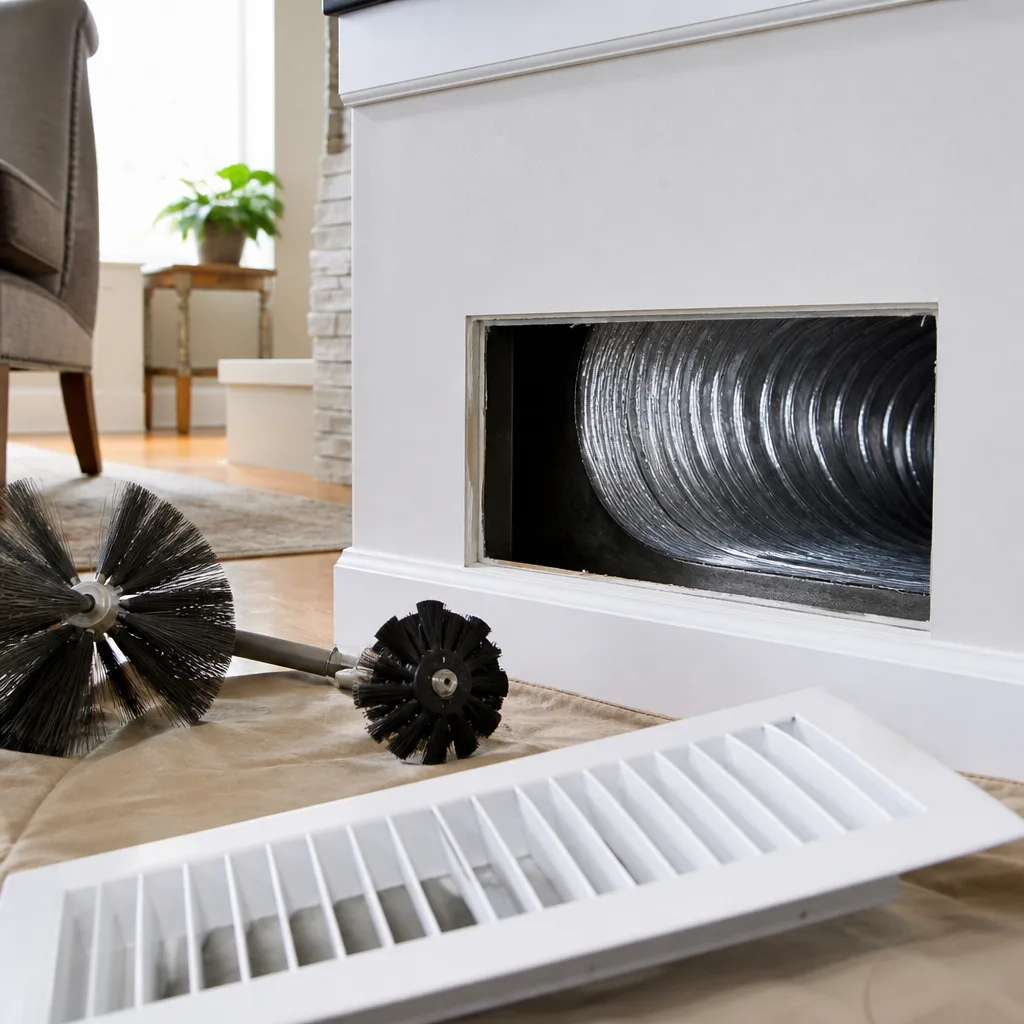
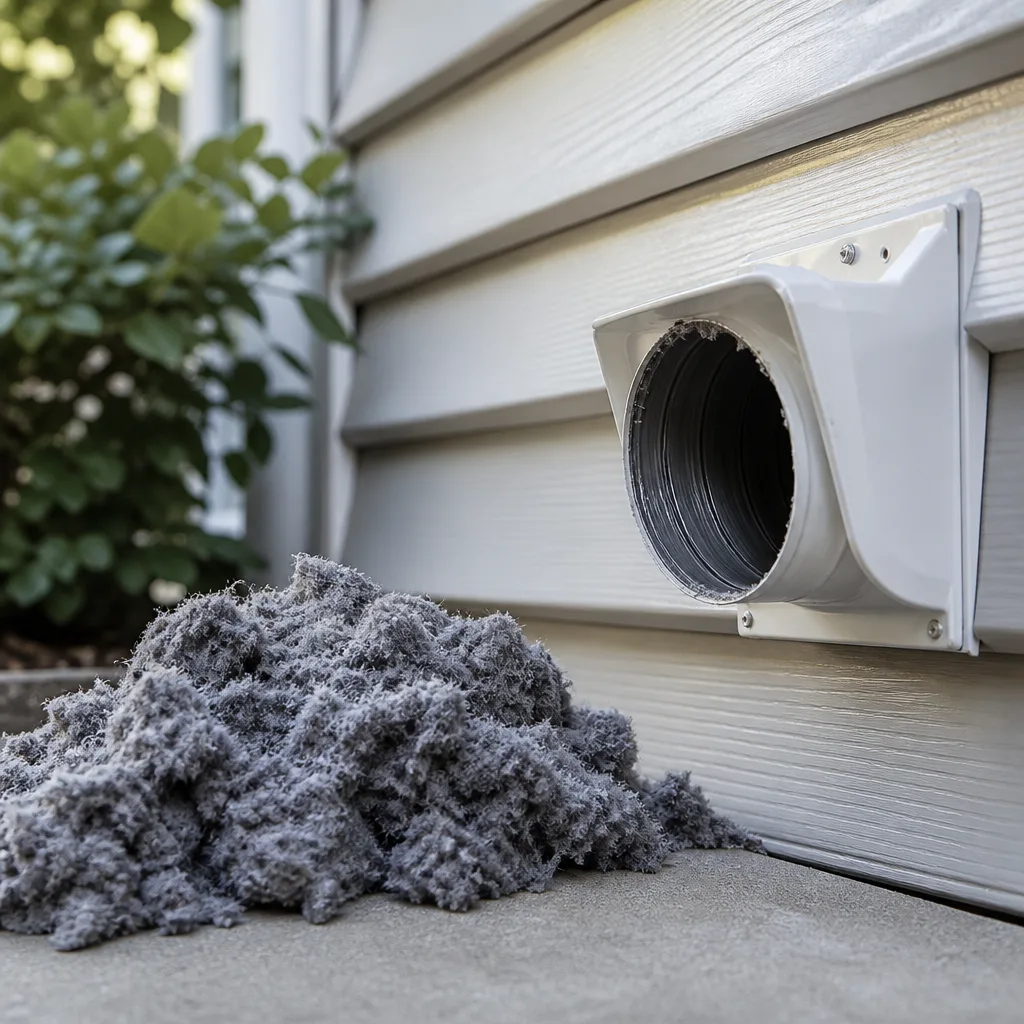
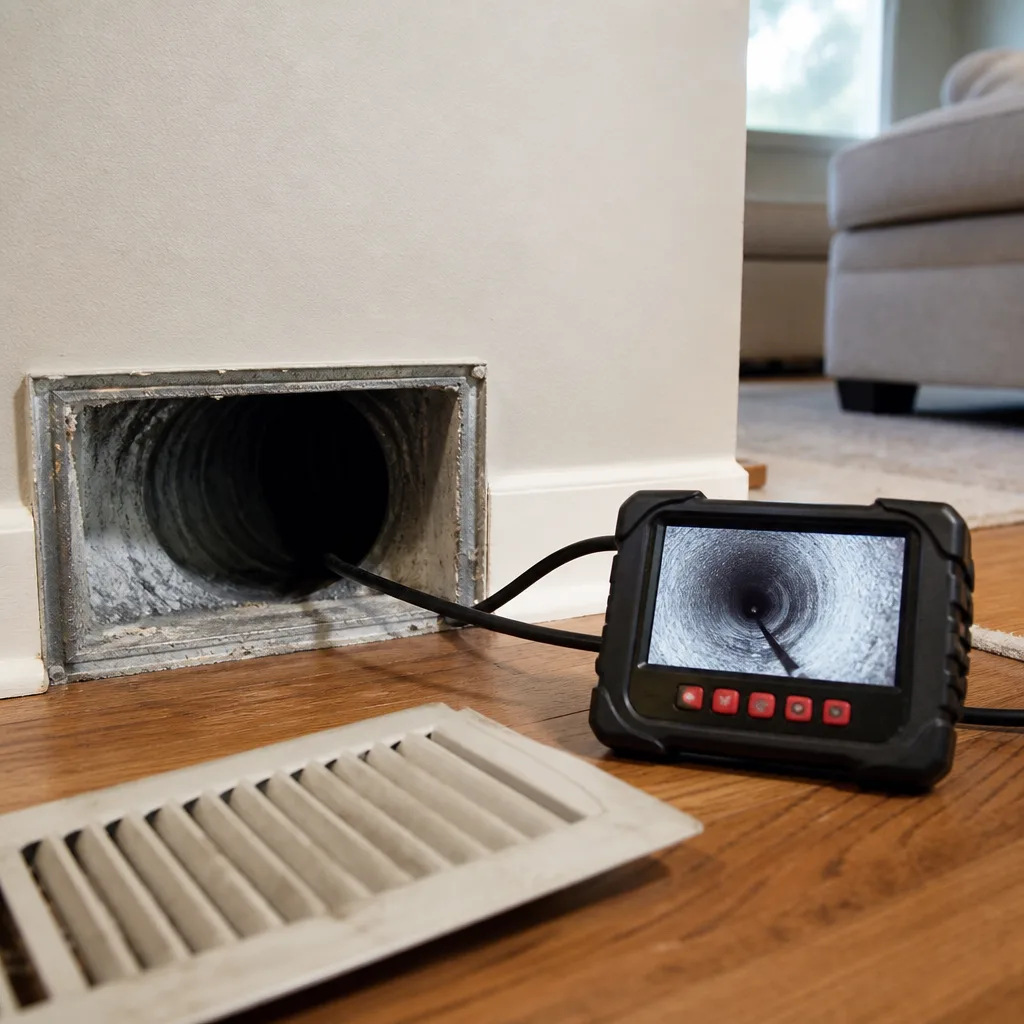
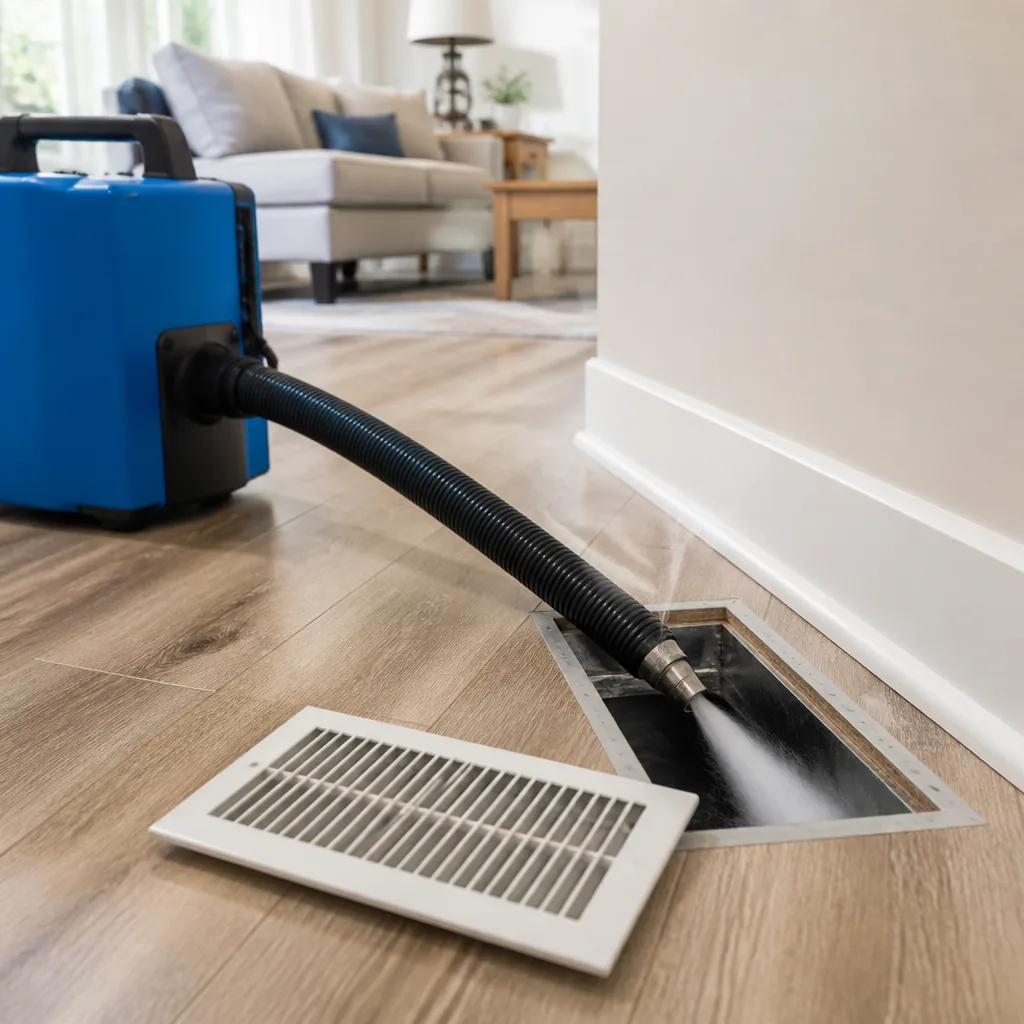
Whole-system duct and dryer vent check with before-and-after photos - you see exactly what came out of your vents
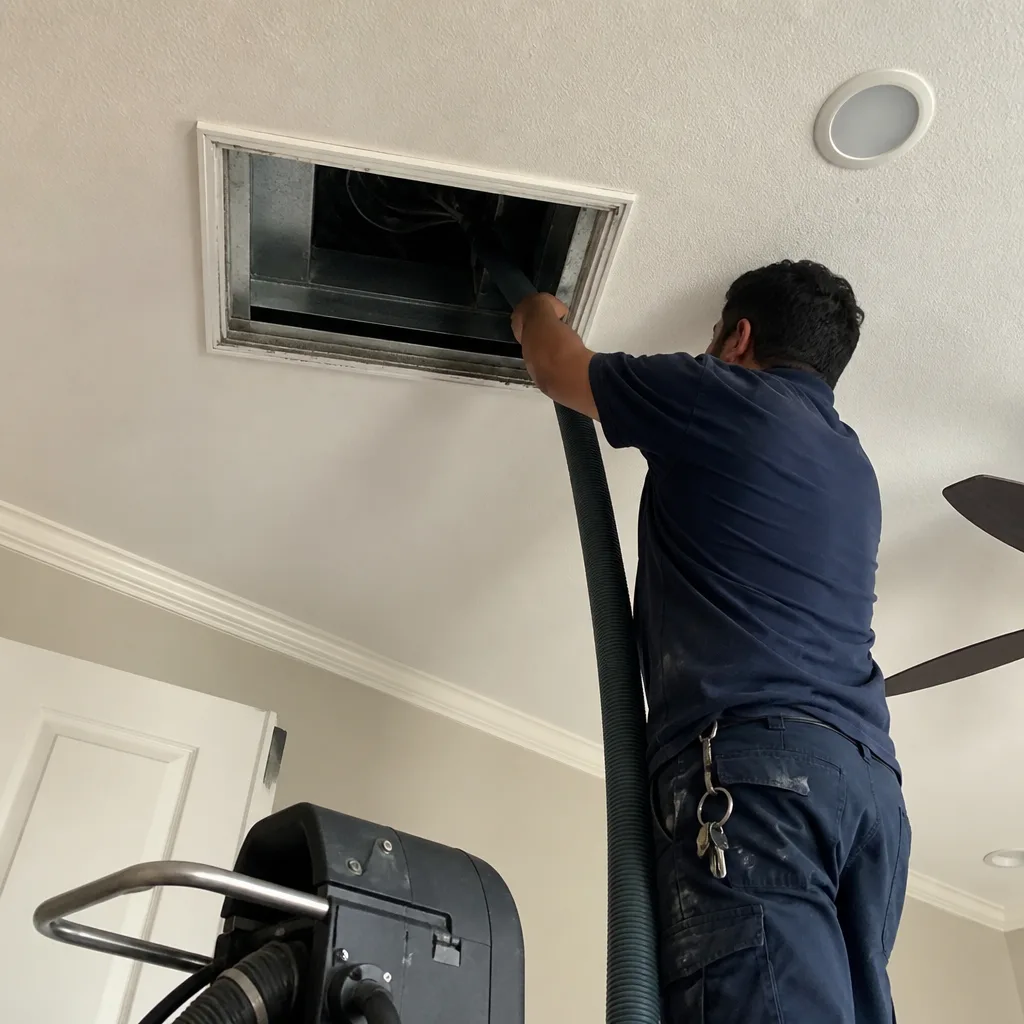
That "$99 whole-house special" is a bait ad - the real number appears once they are in your hallway, or the "clean" is a shop-vac at the register. We photograph the inside of your ducts before and after instead.
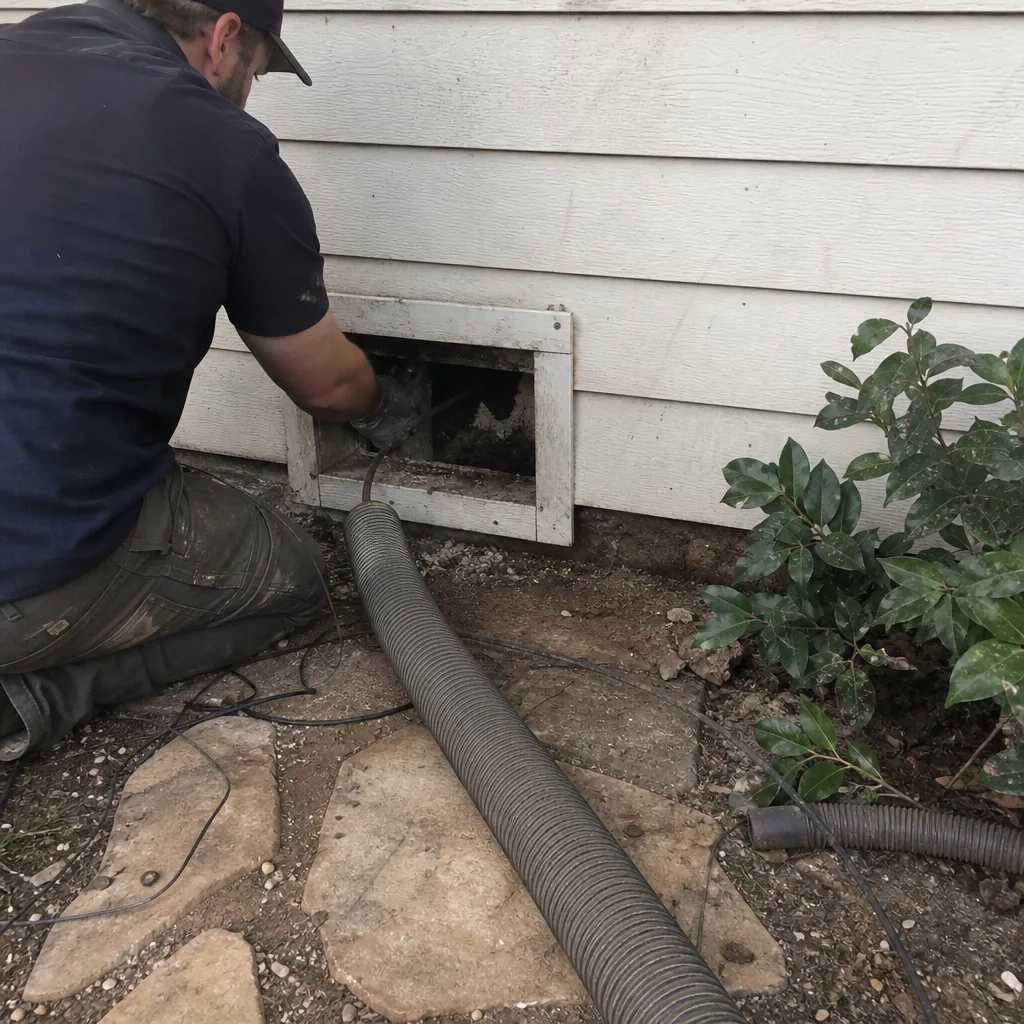 Before
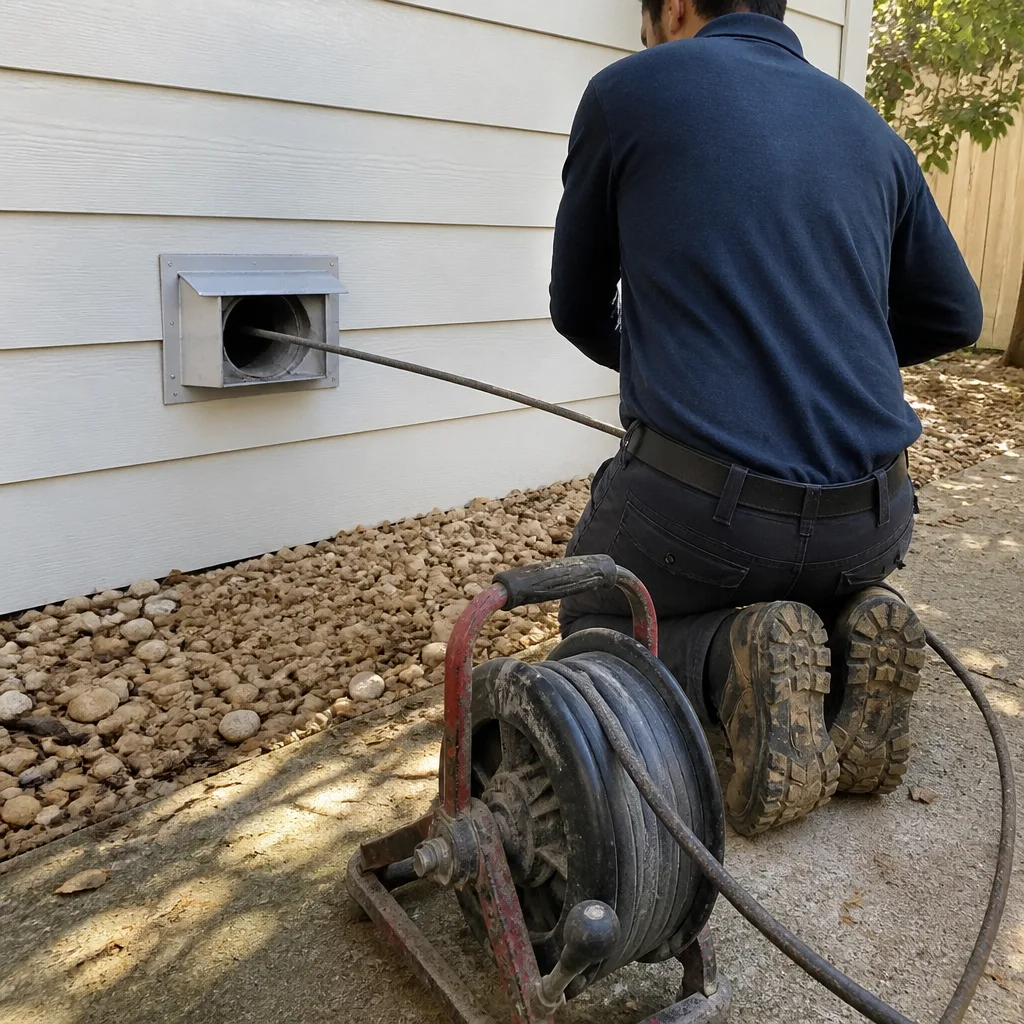 After
After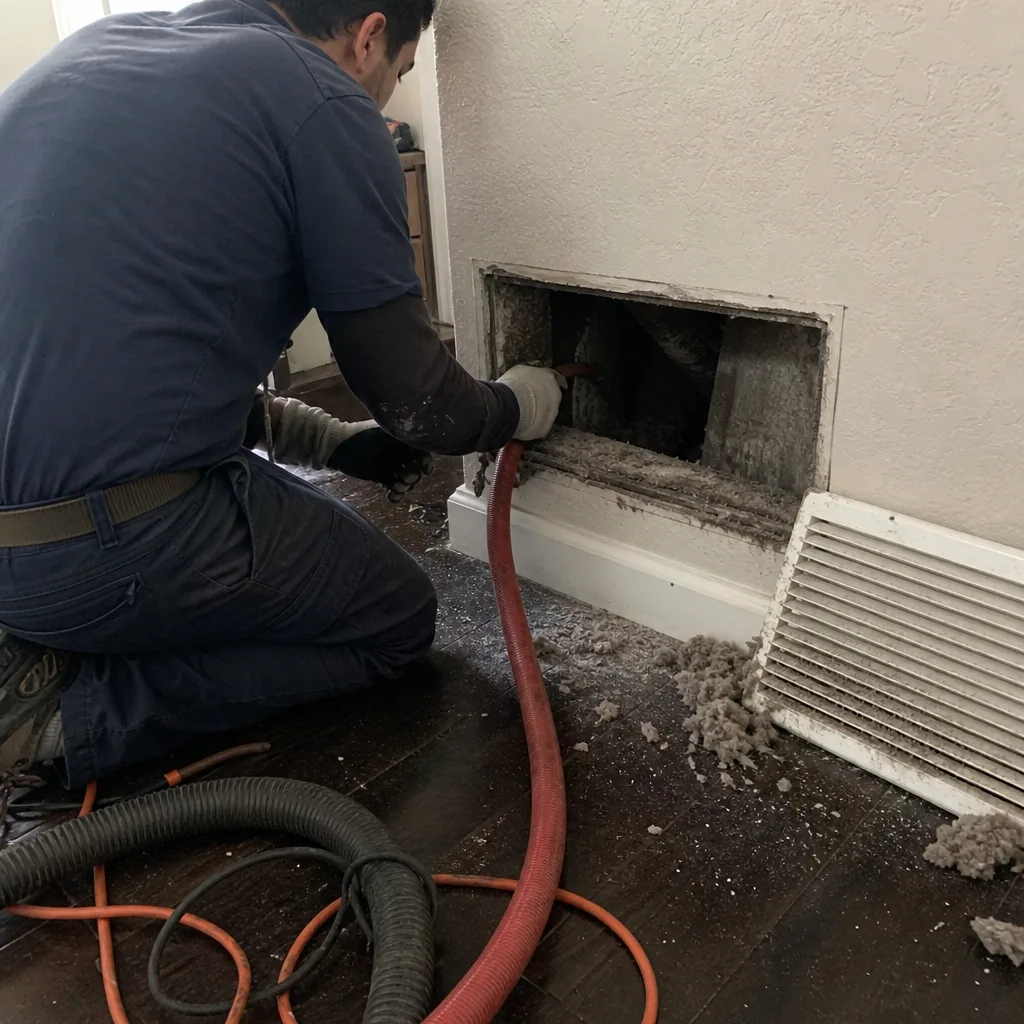 Before
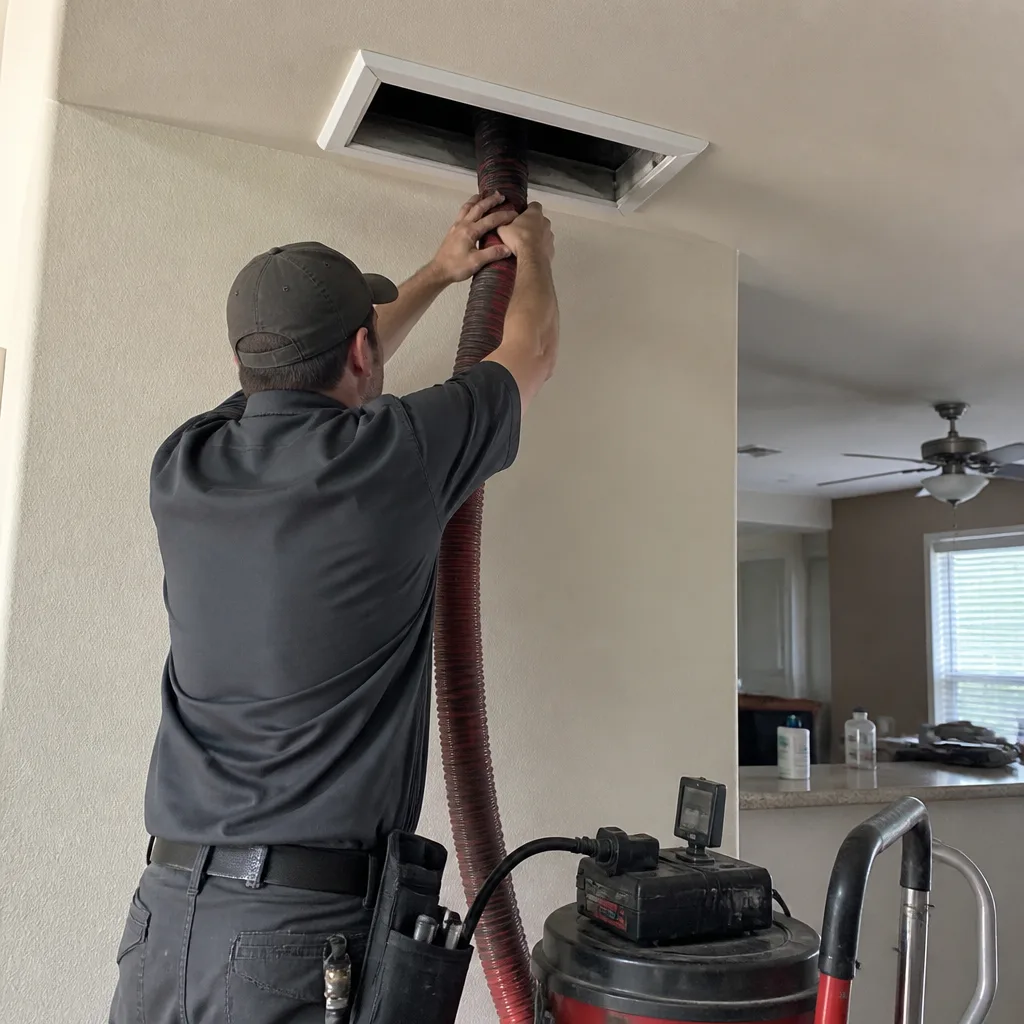 After
After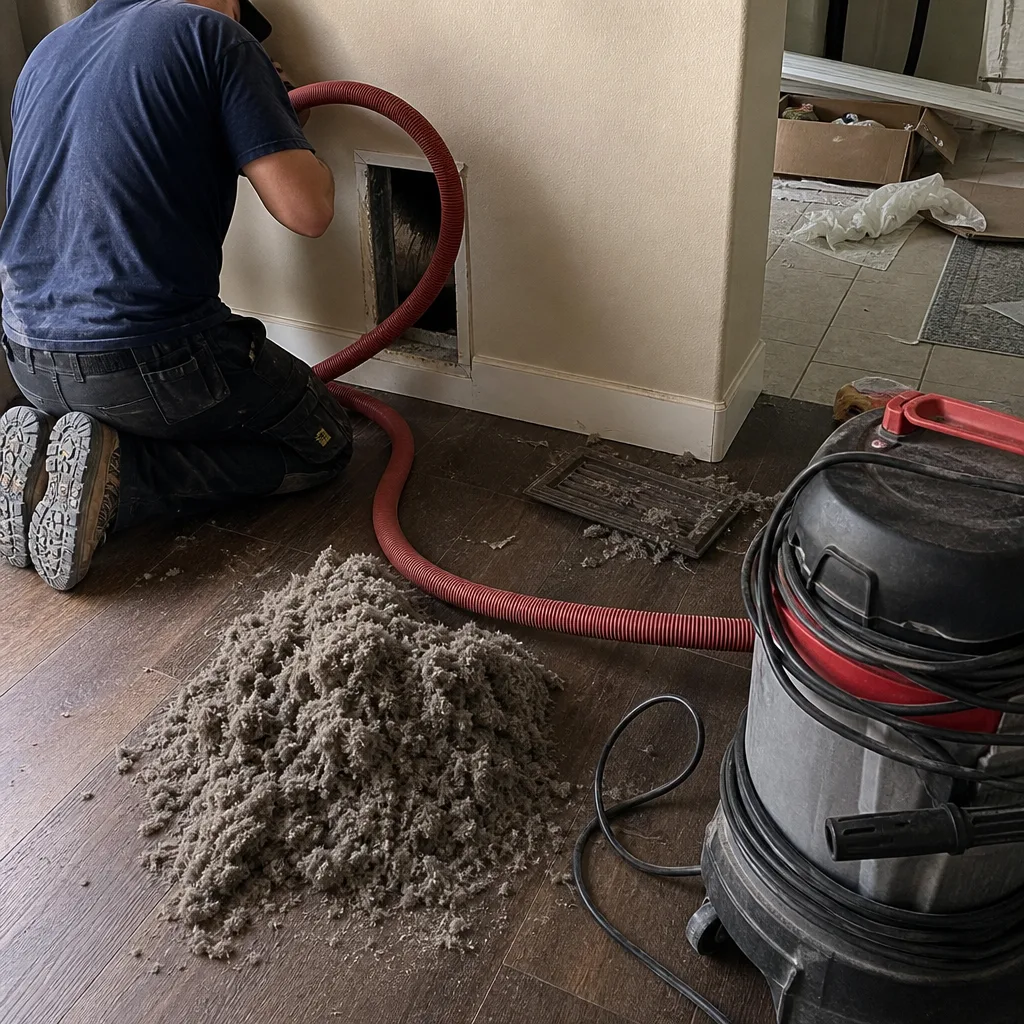 Before
 After
AfterHoneywell Duct Sealing & Repair: The Austin Owner’s Guide
We stock and install Honeywell-compatible duct sealing components and repair hardware for Austin homes, with most jobs quoted and completed same-day at $340-$780 per system depending on accessibility and linear footage. Our trucks carry Honeywell foil tape, mastic sealant, mechanical fasteners, and flex-duct repair sleeves in the widths and temperature ratings matched to local HVAC loads. Homeowners usually notice the failure when a room stops keeping temperature despite the blower running, or when their summer electric bill jumps $80-$150 without explanation - the conditioned air is leaking into the attic or crawlspace through gaps the building inspector never saw.
Which Honeywell Models This Applies To
Honeywell does not manufacture residential ductwork itself; instead, the brand’s name appears on zone dampers, inline booster fans, electronic air cleaners, and the control boards that integrate with a home’s duct system. When we say “Honeywell duct sealing & repair,” we’re addressing the junction where Honeywell components meet the galvanized steel, flex duct, or duct board that carries air through your Austin home.
The critical compatibility gotcha: Honeywell zone dampers (models HZ432, HZ311, and the TrueZONE series) require a specific frame width - 12×12, 14×14, or 16×20 inches - and the damper blade must seat against a flat, square opening. If previous sealing work used expanding foam or layered tape that now protrudes into the frame, the damper won’t close fully and the zone control becomes unreliable. We see this in Circle C Ranch and Mueller builds where homeowners added aftermarket insulation without removing old sealant first.
OEM Honeywell mastic and foil tape are rated to 250°F continuous exposure, which matters in Austin attics that hit 140°F in August. Aftermarket equivalents from Nashua or 3M can perform identically if they carry the same UL 181A-P or 181B-FX listing, but the temperature rating must be printed on the roll - not assumed from the brand name. We stock both and will show you the label before opening it.
Signs Your Honeywell Duct Sealing & Repair Is Failing
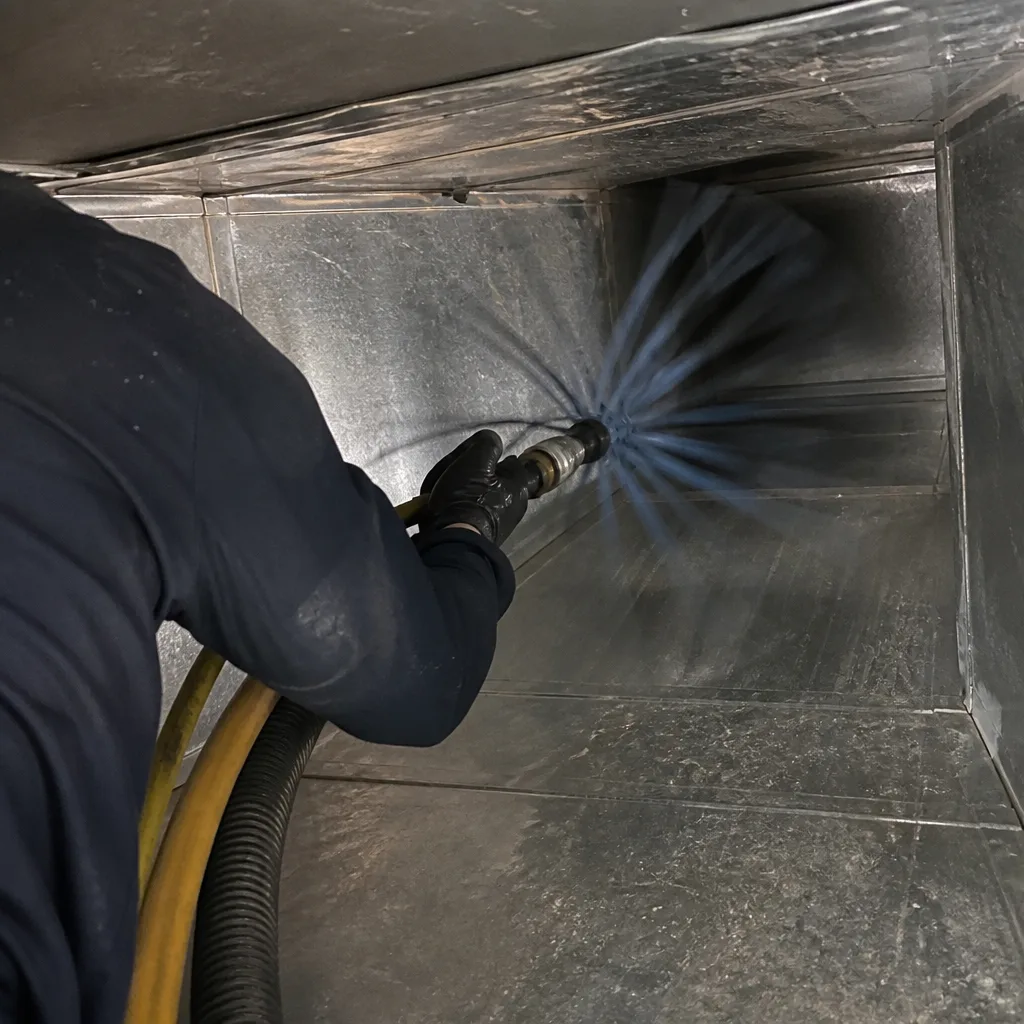
- Uneven temperatures room-to-room. A Honeywell zone system depends on sealed duct runs to direct pressure where the thermostat calls for it. When sealant cracks at the plenum - common after five to seven Austin summers of thermal cycling - the zone damper may read “closed” while half its air escapes into the attic. The bedroom stays hot; the utility room gets overcooled.
- Dust streaking from ceiling registers. This means the duct joint behind the register has pulled apart or the sealant has dried to powder. The negative pressure in the return path (the suction side of your blower) pulls attic insulation, pollen, and rodent debris through the gap. We’ve photographed this in Allandale homes where the streaking pattern matched exactly the gap width visible on camera.
- Whistling or rushing air at the air handler. Honeywell air cleaners and EACs (electronic air cleaners) mount between the return plenum and the blower cabinet. If the gasket or mastic seal at this junction degrades, the blower noise amplifies and the air cleaner’s pressure drop reading becomes meaningless. The unit works harder; the filter loads faster.
- Condensation on duct exterior in summer. Warm, humid attic air infiltrates through a failed seal, hits the 55°F supply air inside, and sweats on the outside. In Austin’s 70%+ summer humidity, this produces visible water staining on drywall within two to three weeks and can breed mold on the duct liner. We found active growth in a Tarrytown crawlspace where a 4-inch gap at the main trunk had gone unsealed since 2019.
- Spiking energy bills with no thermostat change. A 15% duct leakage rate - typical for a system with degraded seals - can raise cooling costs 20-30% in a 2,500-square-foot home. Austin Energy’s rate structure penalizes high summer usage in the upper tiers, so the dollar impact compounds. One homeowner in East Austin saw her July bill drop $127 after we resealed a single disconnected flex run.
BeforeAfterReplacement Cost & What’s Included
| Scope | Typical Range | What Drives It |
|---|---|---|
| Spot seal repair (1-2 joints, accessible attic) | $340-$480 | Linear footage, existing sealant removal, damper re-alignment if needed |
| Zone damper reseat with full perimeter seal | $520-$680 | Frame size, Honeywell model verification, control wire inspection |
| Partial trunk reseal (multiple joints, crawlspace) | $620-$780 | Confined space work, insulation replacement, photo documentation time |
Every quote is a written price delivered before work starts, per Haven Standard Clause 1. The range reflects labor hours and material volume, not a bait-and-switch. We do not price per vent or per linear foot in a way that changes after arrival. The $340-$780 covers mastic, foil tape, mechanical fasteners, and any sleeve material needed. If a Honeywell zone damper itself has failed - the motor, not the seal - we’ll quote the OEM or compatible replacement separately and show you the part number before ordering.
The work is backed by our 365-Day Done Right Promise, in writing on every job. If a seal fails or a damper leaks within that year, we return and make it right. The Documented Photo Record - before and after of every sealed joint - is included as standard, not an upsell.
DIY or Call Us?
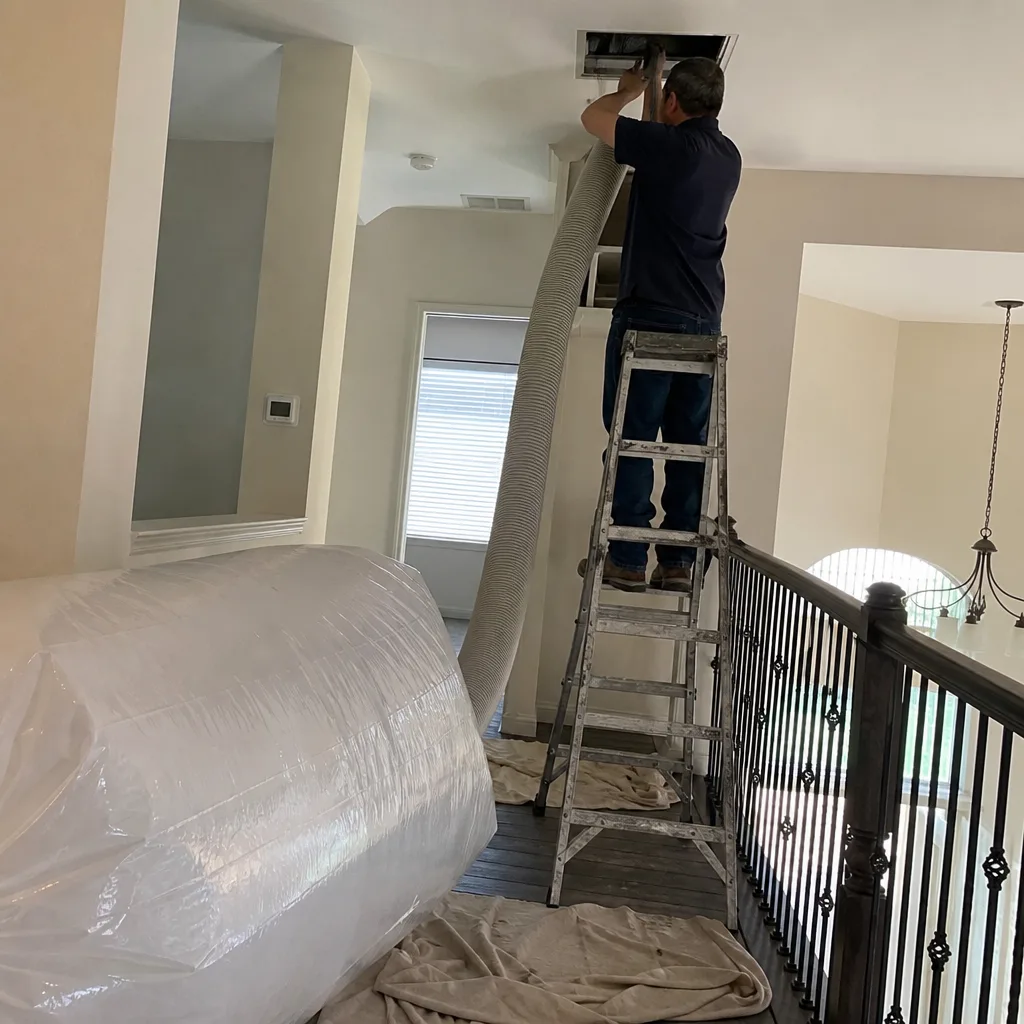
An owner can safely inspect accessible ductwork for obvious gaps, disconnected flex, or crumbling tape. A flashlight and a mirror on a stick will show you what the camera will confirm. Check the Honeywell zone damper frame for tape or foam that intrudes on the blade path; if you see it, photograph it before touching anything.
Where DIY goes wrong: mastic application looks simple and isn’t. Too thin a coat cracks in the first summer. Too thick and it sags before curing, especially on vertical joints in a 130°F attic. Negative-pressure systems require sealed access panels; an untested patch can collapse inward when the blower starts. And any work near the air handler involves electrical interlocks and 240V service - not a place for experimentation.
We carry Honeywell-compatible sealants and fasteners on every truck, and Tomas Reyes scopes every job before quoting. Show the photo first, then talk about what needs to happen next. Call (737) 243-9544 for a written estimate.
FAQs
Properly applied mastic and foil tape typically hold 10-15 years in Austin’s attic conditions, though thermal cycling at the plenum - where metal expands and contracts most - can shorten this to 7-10 years. The 140°F+ peak temperatures in West Austin attics accelerate adhesive degradation compared to shaded crawlspaces. We use high-temp-rated products and verify the substrate is clean and oil-free before application, which is where most DIY attempts fail. Call (737) 243-9544 and we’ll assess your specific configuration.
Sometimes, if the original sealant is intact but cracked at the surface. We remove the failed layer, verify the metal or flex underneath isn’t corroded or torn, and reapply compatible material. If the duct itself has separated from the collar or the flex has torn at the clamp, repair is not reliable - the mechanical connection has failed and needs rebuilding. We photograph the difference and quote both paths when both are viable. Call (737) 243-9544 for an exact assessment.
Most spot sealing jobs run two to three hours; a full zone damper reseat with perimeter seal takes three to four. We schedule a morning or afternoon block, not a vague window, and the technician calls 30 minutes before arrival. The home does not need to be unoccupied, though we ask that pets be secured near the work zone. You’ll receive the photo record and written warranty before we leave. Call (737) 243-9544 to book.
We carry Honeywell-rated mastic, foil tape in 2-inch and 3-inch widths, mechanical fasteners, and flex-duct repair sleeves matched to common Austin trunk sizes. Specific Honeywell zone dampers or control boards are ordered by part number after verification - we do not guess at compatibility. If your damper motor has failed, we’ll identify the series (TrueZONE, RedLINK, or legacy) and source the correct component, typically arriving within one business day. Call (737) 243-9544 with your model number and we’ll confirm stock status.
CleanRun Air Duct Cleaning Austin is an independent service provider and is not affiliated with, endorsed by, or sponsored by Honeywell International Inc. Lennox, Trane, and Carrier parts and compatible sealants are also stocked.
Written by Tomas Reyes, Owner & Lead Technician, CleanRun Air Duct Cleaning Austin at CleanRun Air Duct Cleaning Austin, serving Austin and nearby areas.