
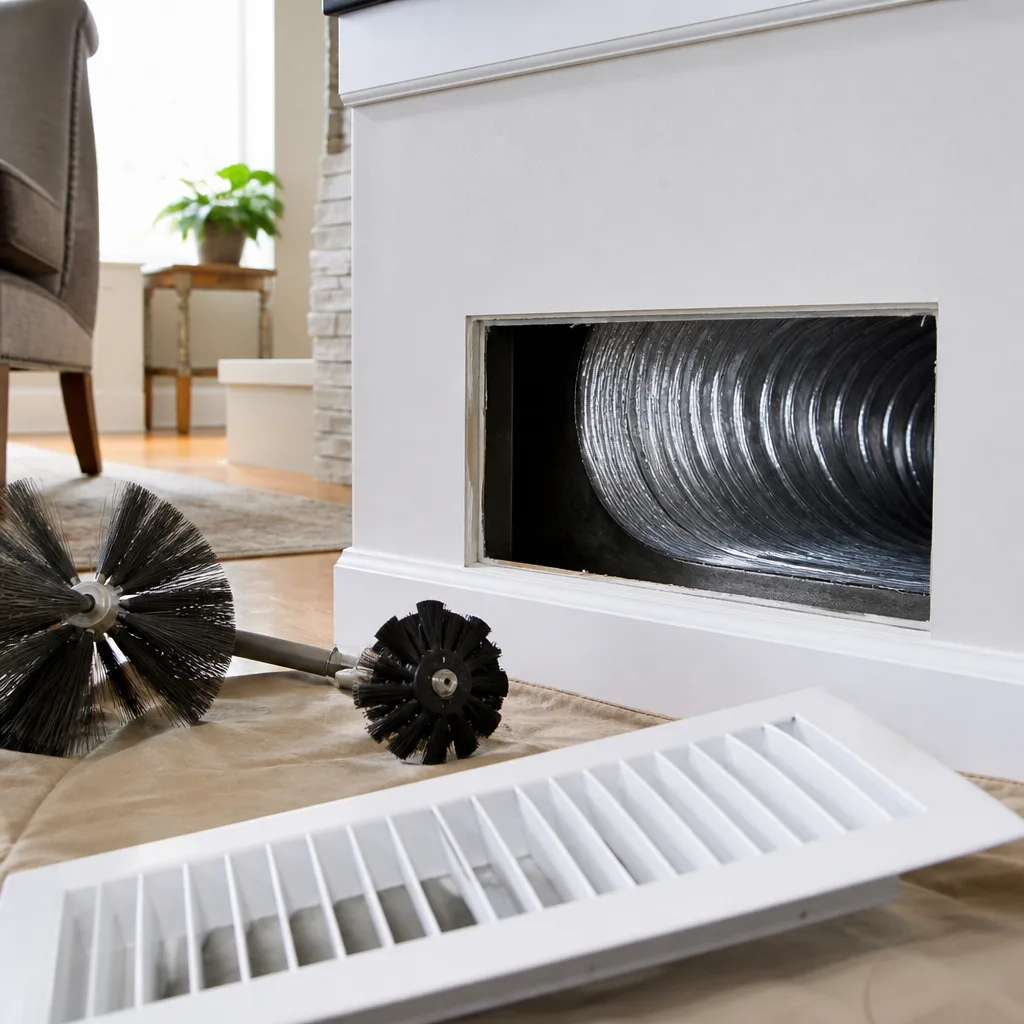
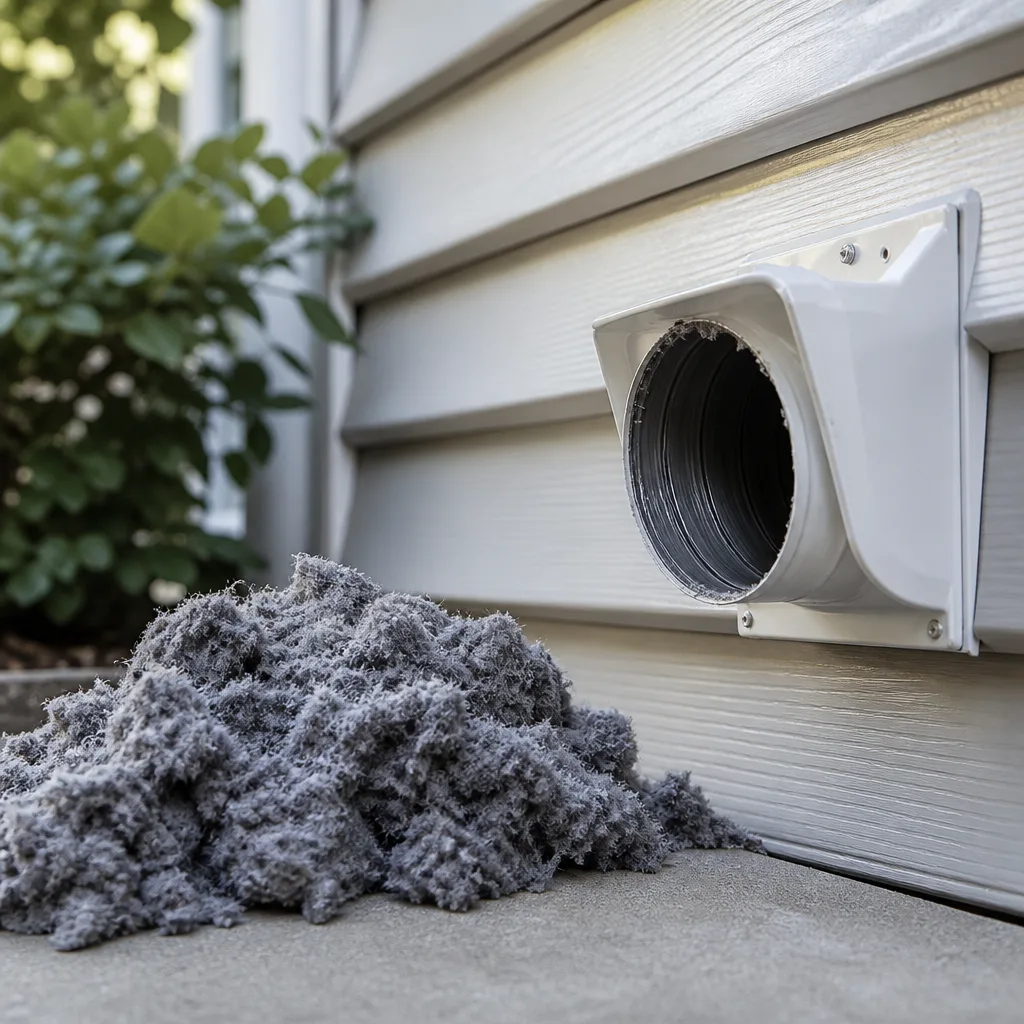
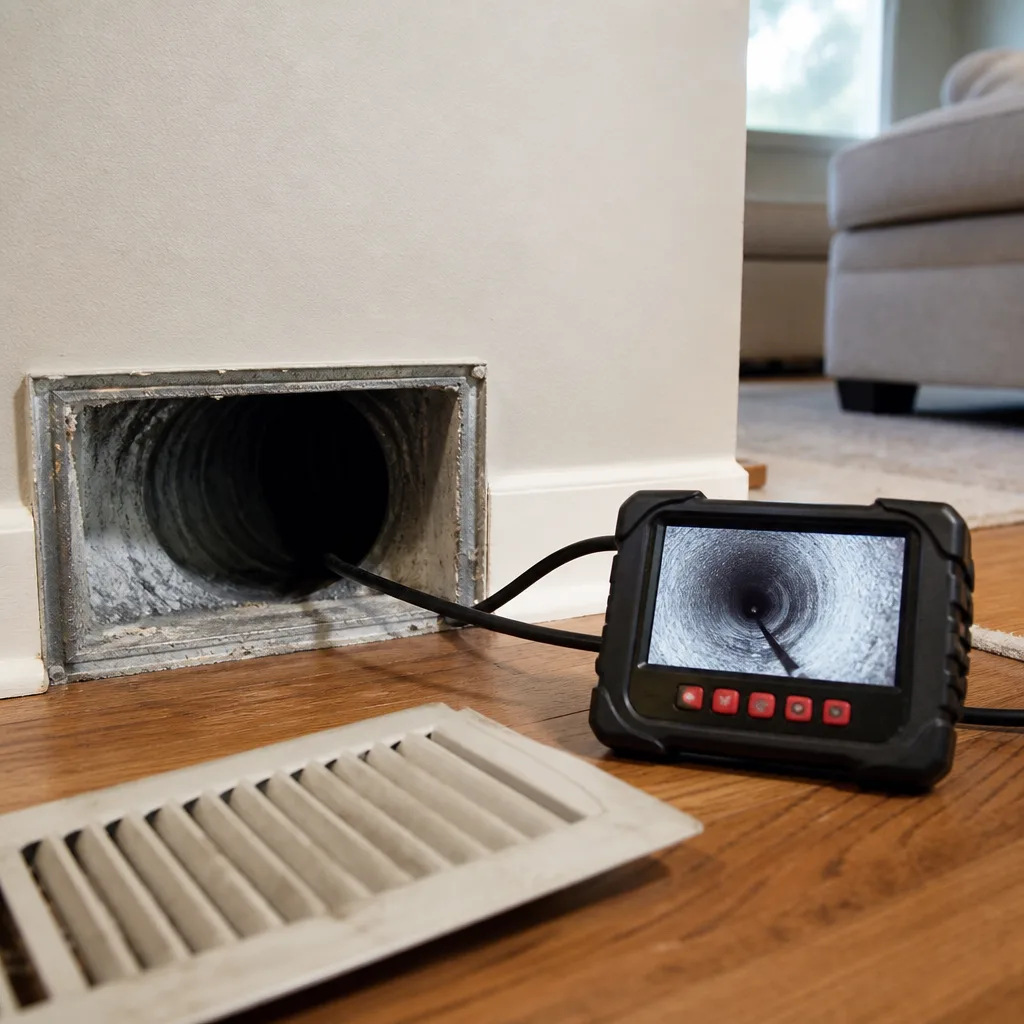
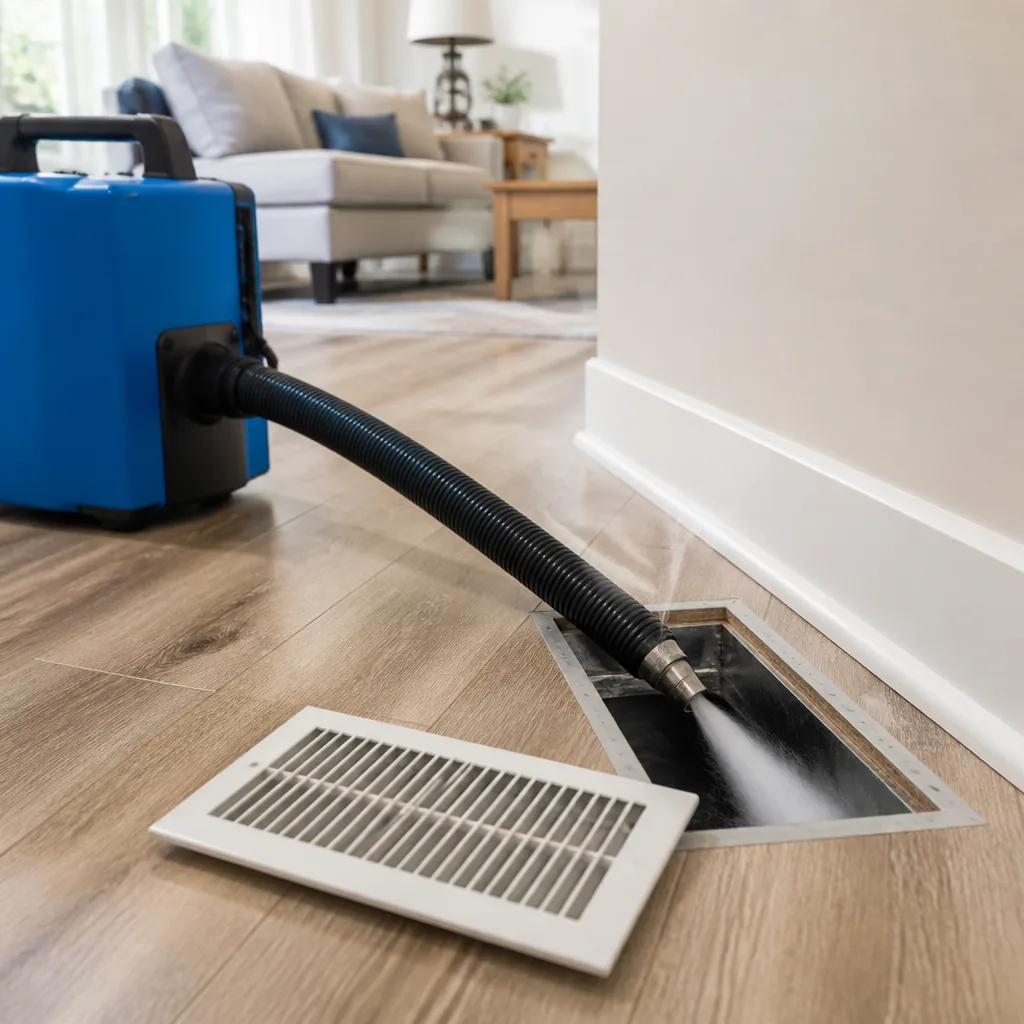
Whole-system duct and dryer vent check with before-and-after photos - you see exactly what came out of your vents
That "$99 whole-house special" is a bait ad - the real number appears once they are in your hallway, or the "clean" is a shop-vac at the register. We photograph the inside of your ducts before and after instead.
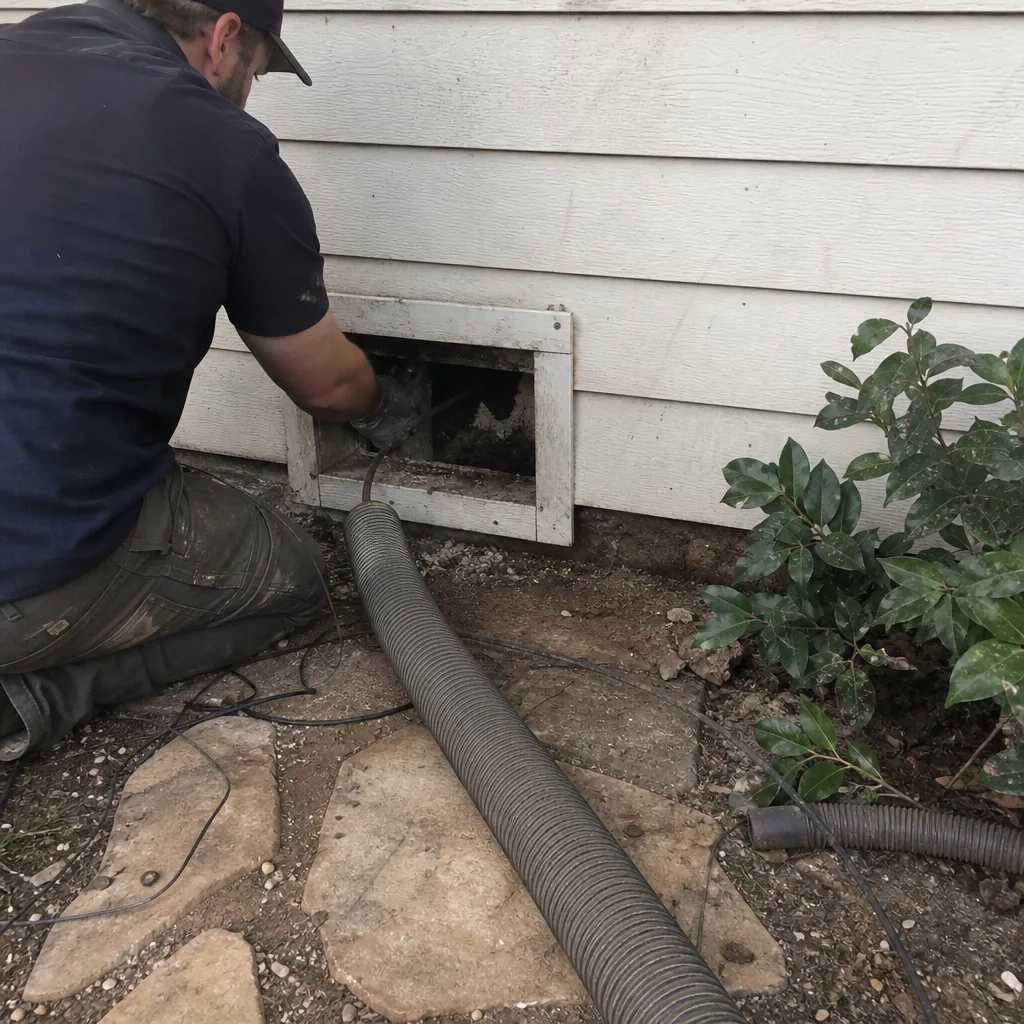 Before
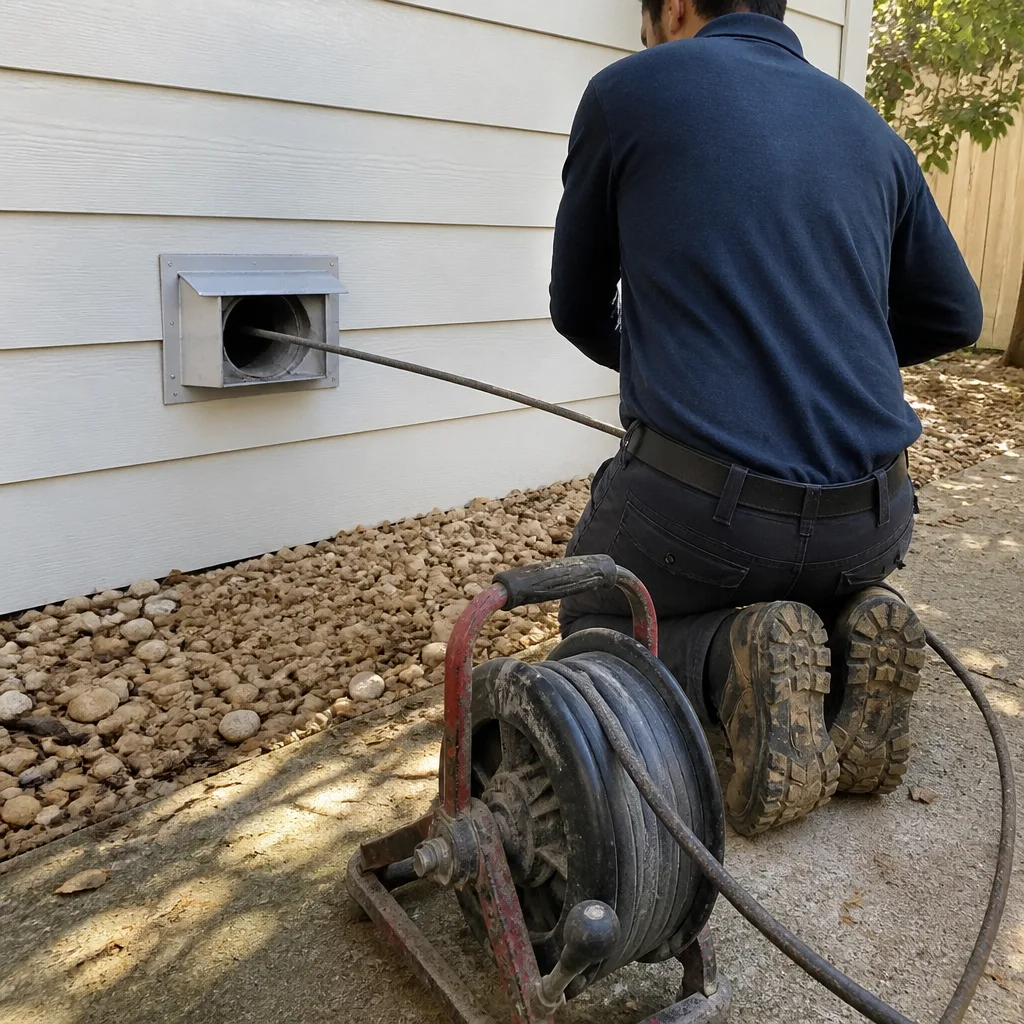 After
After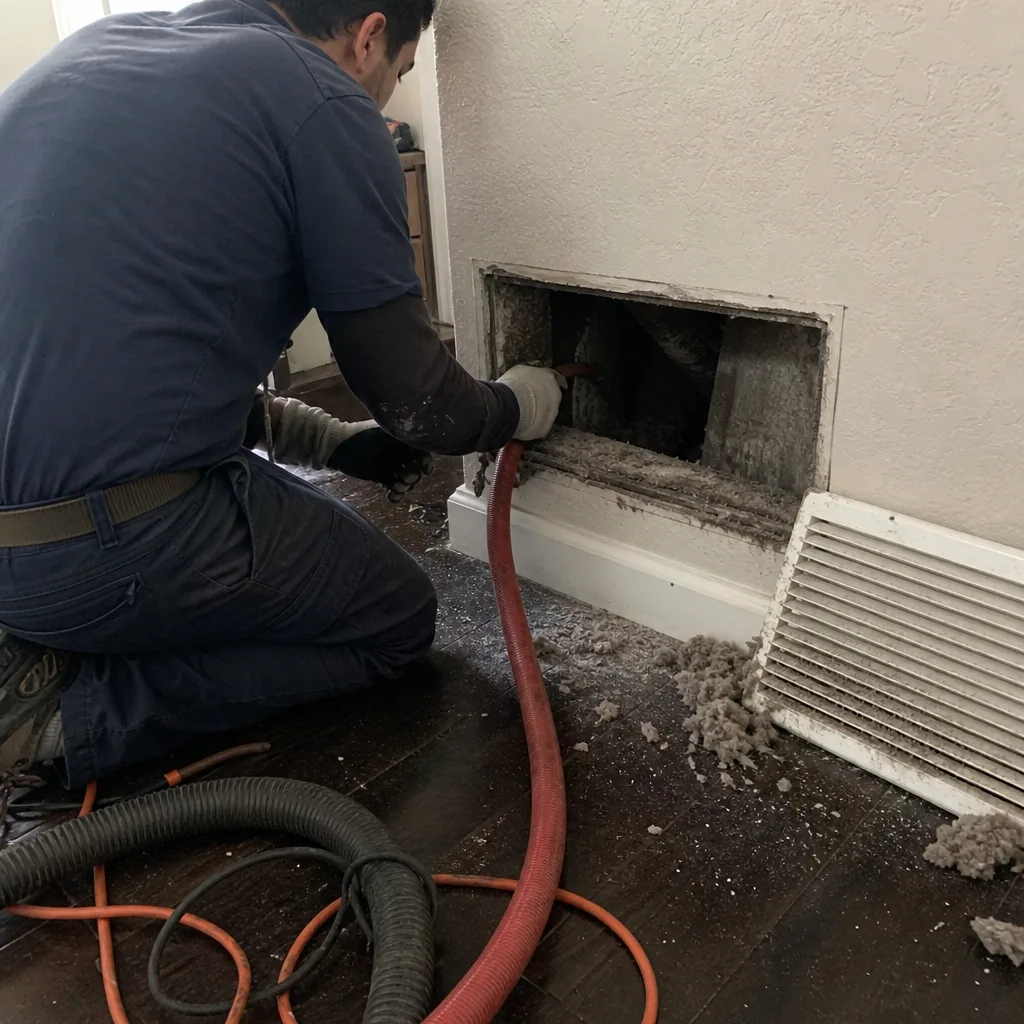 Before
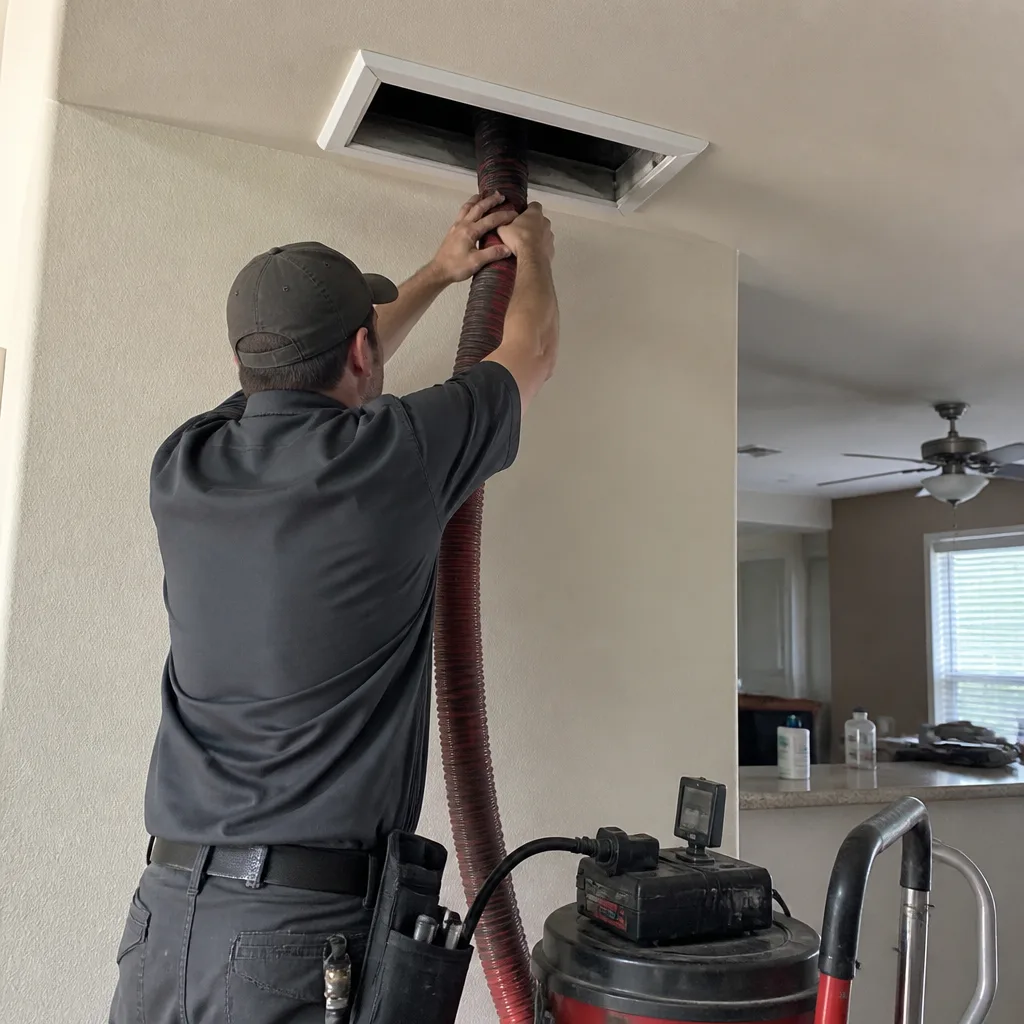 After
After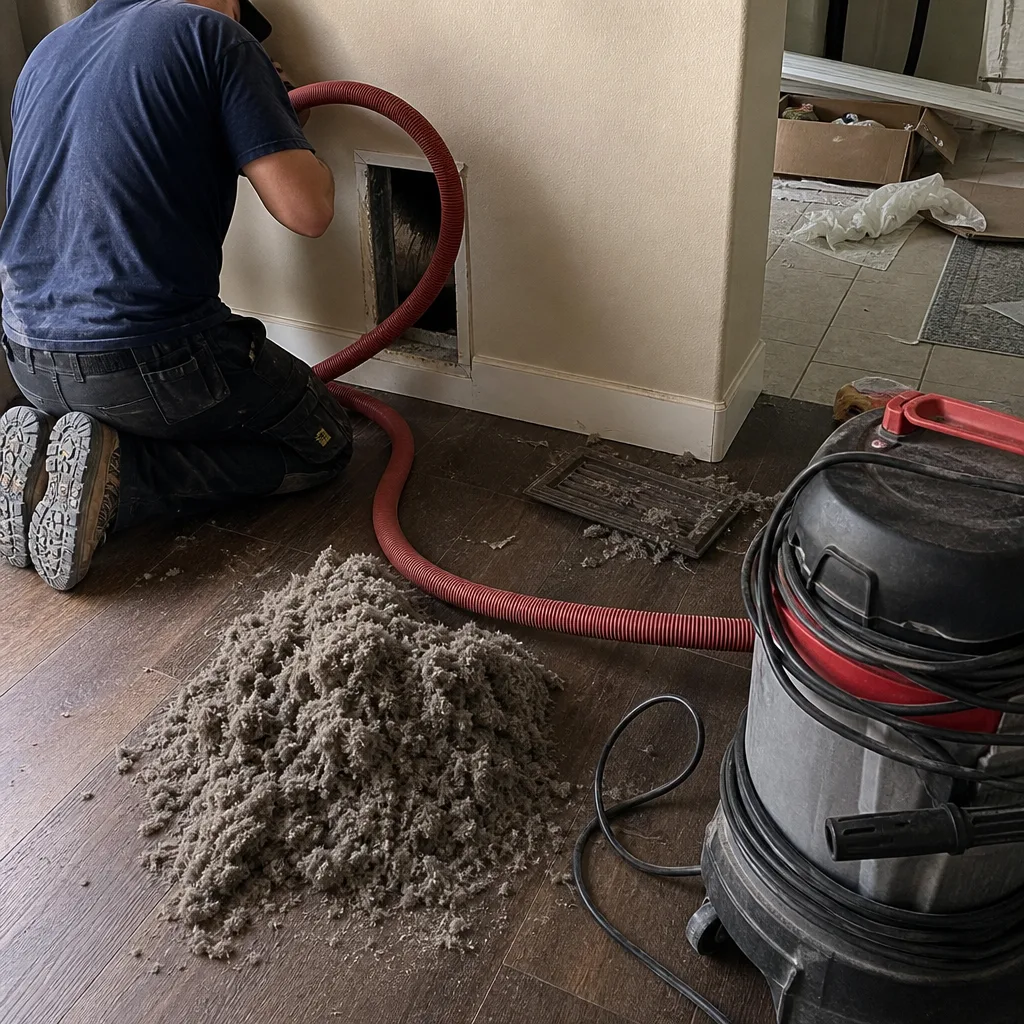 Before
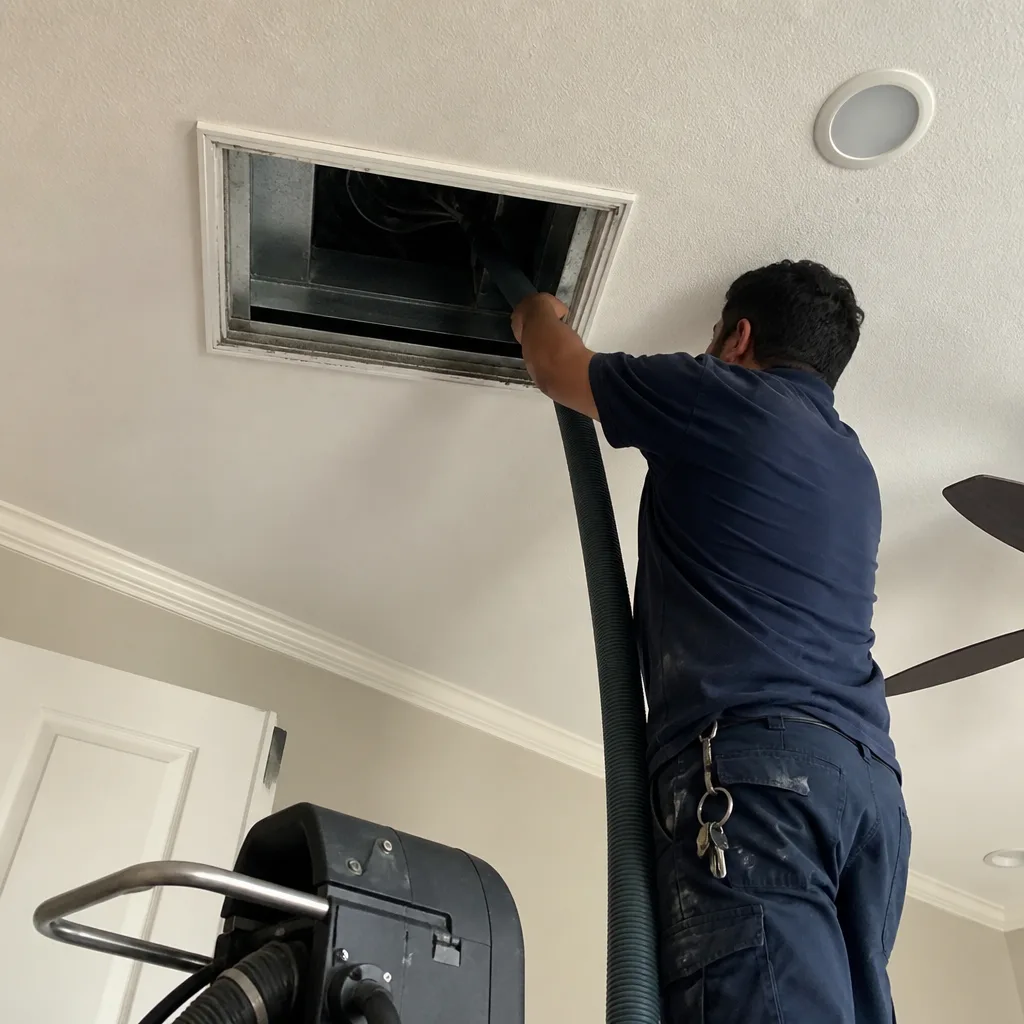 After
AfterRotobrush Duct Sealing & Repair: The Austin Owner’s Guide
Rotobrush-compatible duct sealing and repair in Austin typically runs $340-$680 for a complete system seal depending on accessible linear footage and plenum condition. We stock Rotobrush sealant cartridges, flexible duct repair sleeves, and plenum patch kits on every truck, and most residential jobs are completed in a single visit. Homeowners usually discover the problem when a room stays hot despite the AC running, or when a Rotobrush cleaning visit reveals disconnected flex duct behind a register that hasn’t been opened in years.
Which Rotobrush Models This Applies To
Rotobrush builds two distinct equipment lines that affect which sealing and repair components fit. The Rotobrush BrushBeast series, common in Austin residential jobs since 2018, uses a proprietary 2.5-inch diameter sealant application wand with a quick-connect collar that differs from the standard 2-inch fitting found on older Rotobrush Classic and Roto-Vision units. The BrushBeast HD, released in 2021, added a higher-viscosity sealant pump that requires the newer blue-label cartridges; the gray-label cartridges will thread on but deliver inconsistent bead thickness and premature clogging.
To identify your unit, check the data plate on the motor housing, not the cart frame. The model prefix RB-BB indicates BrushBeast; RB-C or RB-RV indicates Classic or Roto-Vision. For duct repair sleeves, the critical spec is the compressed diameter of your existing flex duct, which in Austin’s 2005-2015 construction boom is almost always 6-inch or 8-inch insulated flex, but we have pulled 10-inch from some Mueller Development builds that used oversized trunks. CleanRun Air Duct Cleaning Austin is an independent service provider, not affiliated with Rotobrush. We source OEM Rotobrush sealant and also stock quality aftermarket equivalents from Nikro and Abatement Technologies that match the viscosity and cure specs at a lower per-cartridge cost, which we note in writing before any work starts.
Signs Your Rotobrush Duct Sealing & Repair Is Failing
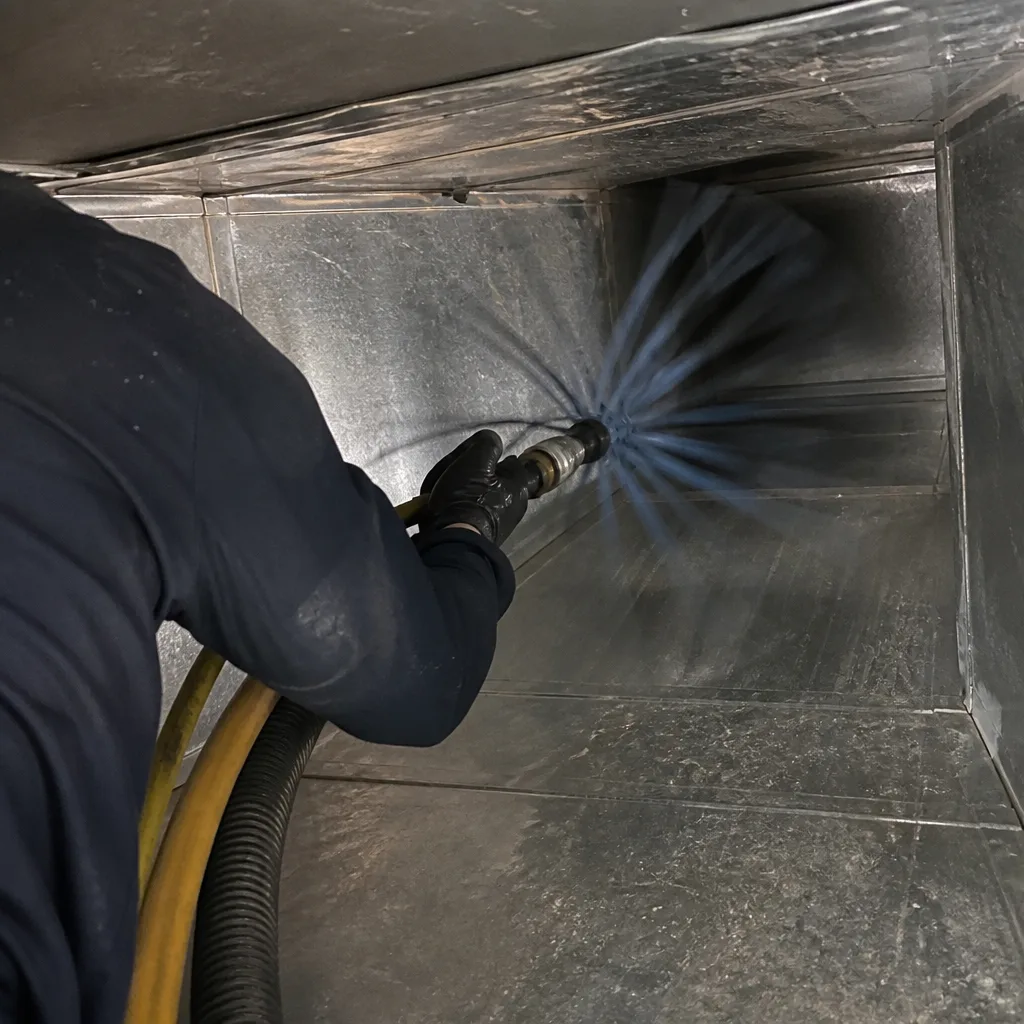
- Uneven cooling across rooms. When the flex duct separating from the plenum (the main distribution box attached to your air handler) leaks conditioned air into the attic, the bedroom at the end of the run starves. In Austin’s August heat, a 15% leak at the plenum collar can raise that room’s temperature by 8-10 degrees despite the thermostat reading 72.
- Dust blowing from registers right after cleaning. A Rotobrush cleaning should leave ducts clean. If debris returns within days, the camera often shows a torn flex duct sleeve in the attic that the brush agitated but didn’t seal, now pulling loose insulation and attic dust into the airflow.
- Whistling or rushing noise from walls or ceiling. This indicates a pressure leak, typically at a failed mastic seal around the plenum takeoff or a disconnected duct collar. The noise is air escaping at velocity, and in Austin’s hard-water belt, corroded sheet metal at the plenum edge accelerates the failure.
- Energy bills climbing without thermostat changes. We see this in Circle C Ranch and Steiner Ranch homes where the original builder-grade duct sealant has dried and cracked after 8-12 years of thermal cycling. The HVAC system runs longer to compensate, and the homeowner notices the kilowatt-hours before noticing the comfort issue.
- Visible mold or moisture at registers. A leaking return duct in a humid Austin attic pulls warm, moist air into the system. When that air hits the cold evaporator coil, condensation forms inside the duct that the original sealant was meant to exclude. The camera shows the water stain pattern before the mold becomes visible to the occupant.
BeforeAfterReplacement Cost & What’s Included
| Scope | Typical Range | What’s Included |
|---|---|---|
| Single duct run repair (flex sleeve + collars) | $340-$480 | Parts, labor, mastic seal, photo documentation |
| Plenum seal and 2-3 takeoff repairs | $480-$580 | OEM or aftermarket sealant, collar replacement, pressure verification |
| Whole-system seal (typical 2,000-2,800 sq ft home) | $580-$680 | All accessible runs, plenum, register boots, photo record, 365-Day Done Right Promise |
The range depends on attic accessibility, whether the duct is buried in blown insulation, and whether the original install used snap-lock collars that can be reused or riveted collars that must be cut out. Haven Standard Clause 1 requires a written price before work starts, so the technician scopes the job with a camera, shows you the image, and delivers the number in writing before opening the sealant. Every job includes the Documented Photo Record: before, during, and after of every duct run, delivered as part of the standard job record. The 365-Day Done Right Promise covers labor and materials; if a seal fails or a repair sleeve separates, we return and make it right at no charge.
DIY or Call Us?
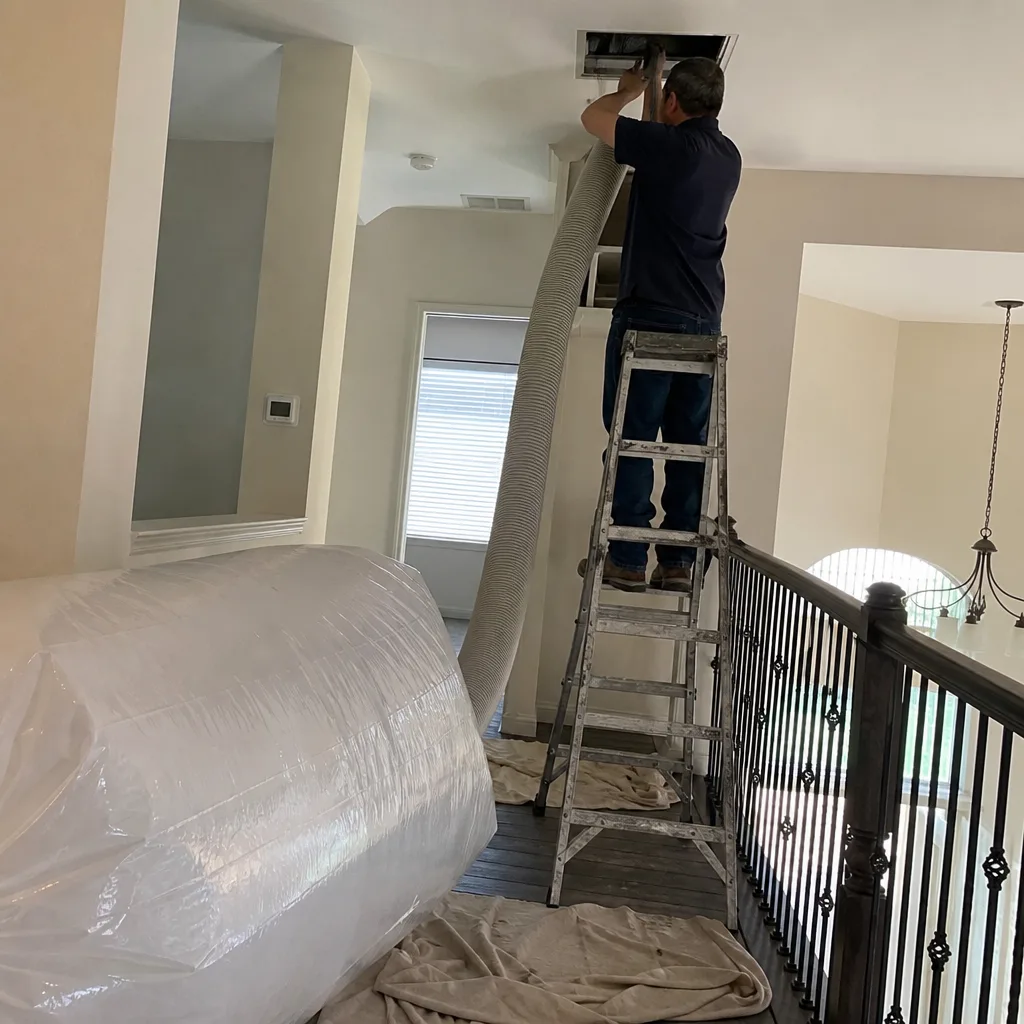
An owner can safely check three things: whether the register is fully open, whether the filter is clean, and whether the attic access panel reveals an obvious disconnected duct within arm’s reach. Beyond that, duct sealing involves working in 140-degree attics, handling mastic that requires skin protection, and diagnosing pressure balance issues that need a manometer to verify. The Rotobrush sealant system runs at 40 PSI; improper application blows sealant into the living space or creates internal obstructions that restrict airflow. We don’t recommend DIY for plenum work or any repair requiring attic navigation in Austin’s summer heat.
If you want to know what you’re actually dealing with before deciding, call us. Tomas Reyes or one of our uniformed, background-checked technicians (Haven Standard Clause 3: Verified Crews) will run the camera, show the photo first, then talk about what needs to happen next. The estimate is free, and the price is written before any work starts.
FAQs
In Austin’s heat and humidity cycles, quality mastic and aerosol sealant typically hold 10-15 years when applied to clean, dry surfaces; we’ve found builder-grade seals failing at 6-8 years in attics with poor ventilation, particularly in older Tarrytown and Clarksville homes with original 1980s ductwork. Call (737) 243-9544 and we’ll scope the actual condition of your seals.
Small punctures or collar separations on otherwise sound flex duct can be patched with a repair sleeve and fresh mastic; if the inner liner is brittle or the insulation is water-damaged, replacement is the only repair that lasts. We show you the camera image and quote both options in writing. Call (737) 243-9544 for an exact assessment.
A single repair runs 90 minutes to 2 hours; a whole-system seal on a standard Austin home takes 3-4 hours including setup, camera documentation, and pressure verification. We schedule a four-hour window and usually finish early. Call (737) 243-9544 to book.
Yes. We carry Rotobrush sealant cartridges in both blue-label (BrushBeast HD) and gray-label (Classic) formulations, plus 6-inch and 8-inch flex repair sleeves, takeoff collars, and mastic in quantities sufficient for most residential jobs without a parts run. If your system requires an unusual size, we source it same-day from our Austin supplier. Call (737) 243-9544 to confirm compatibility.
We also stock parts and perform duct sealing and repair for Lennox, Trane, and Carrier systems.
Ready to see what’s actually in your ducts? Call CleanRun Air Duct Cleaning Austin at (737) 243-9544. A live person answers, 24/7. We’ll schedule a free camera scope and written estimate. Every quote includes the full price before work starts, a Documented Photo Record of every run, and the 365-Day Done Right Promise in writing.
Written by Tomas Reyes, Owner & Lead Technician, CleanRun Air Duct Cleaning Austin at CleanRun Air Duct Cleaning Austin, serving Austin and nearby areas.