
Whole-system duct and dryer vent check with before-and-after photos - you see exactly what came out of your vents
That "$99 whole-house special" is a bait ad - the real number appears once they are in your hallway, or the "clean" is a shop-vac at the register. We photograph the inside of your ducts before and after instead.
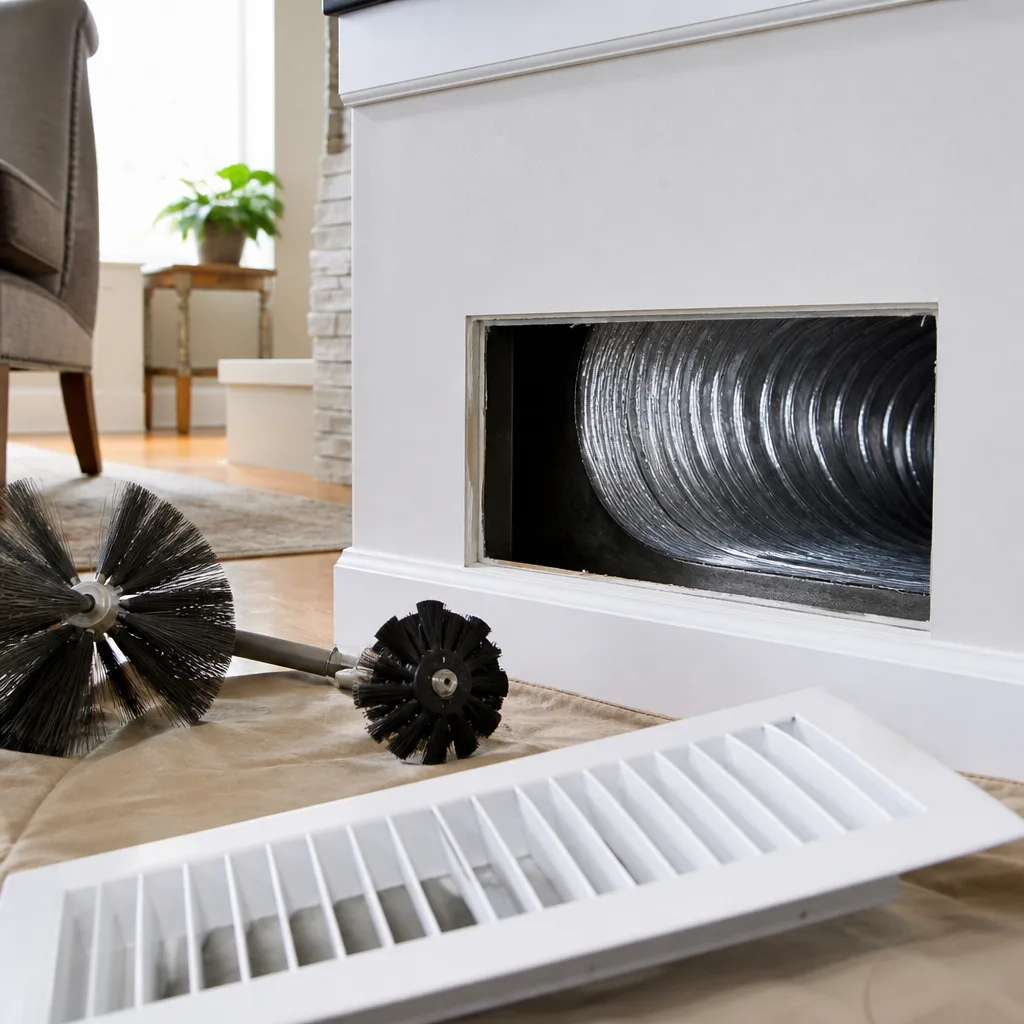
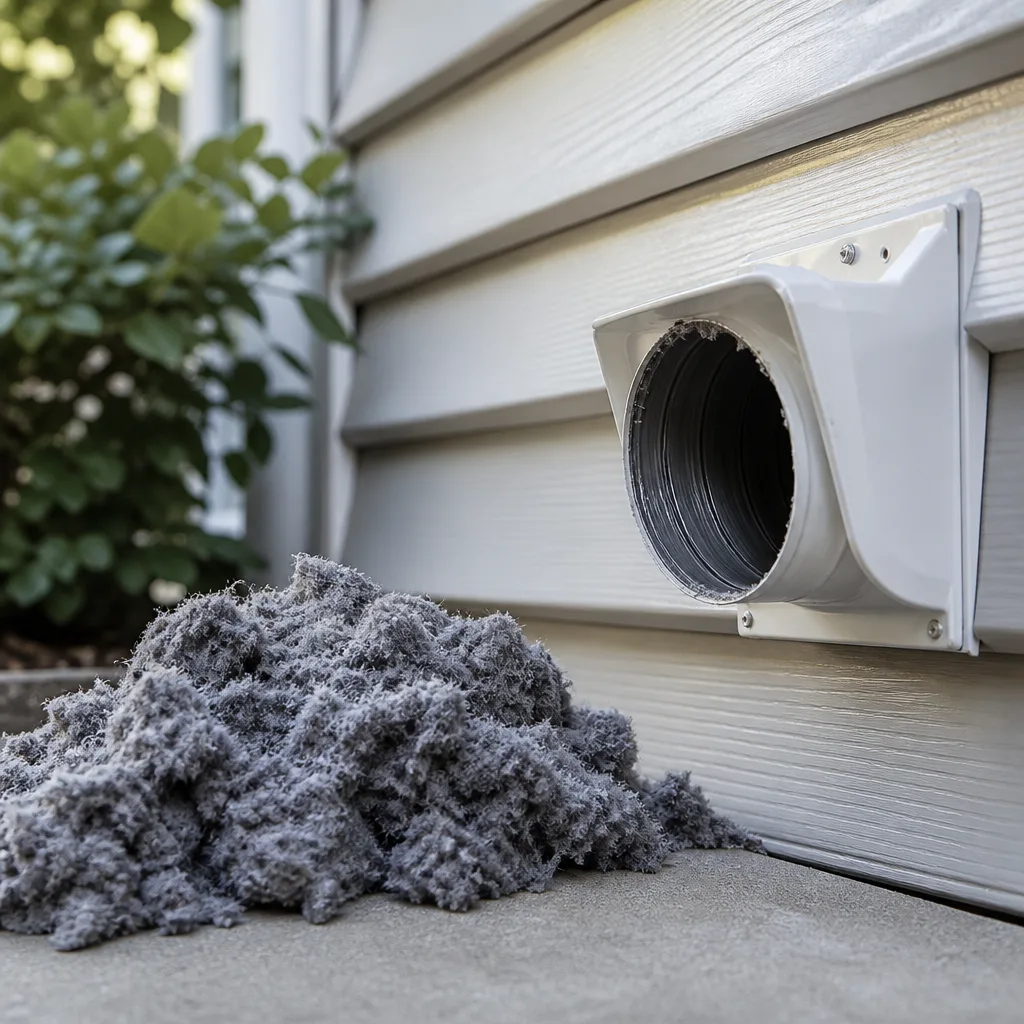
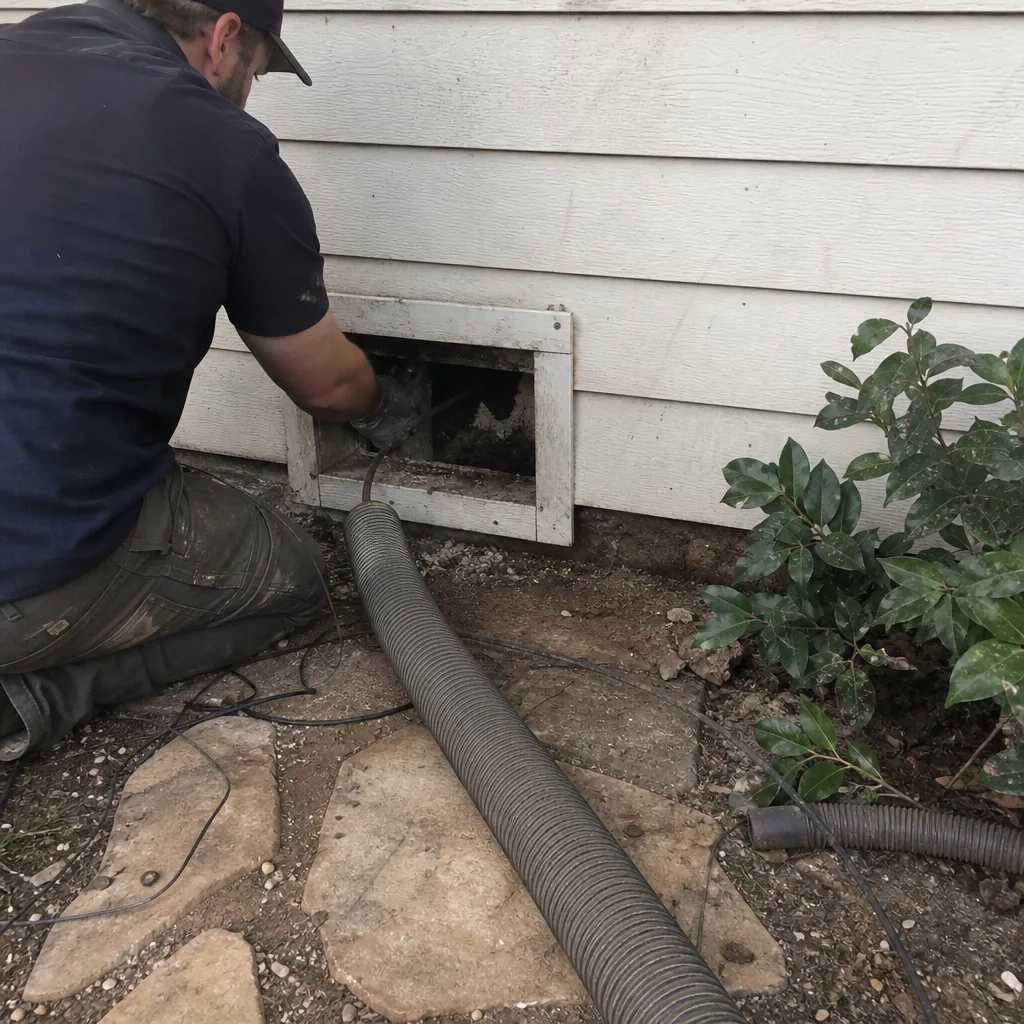 Before
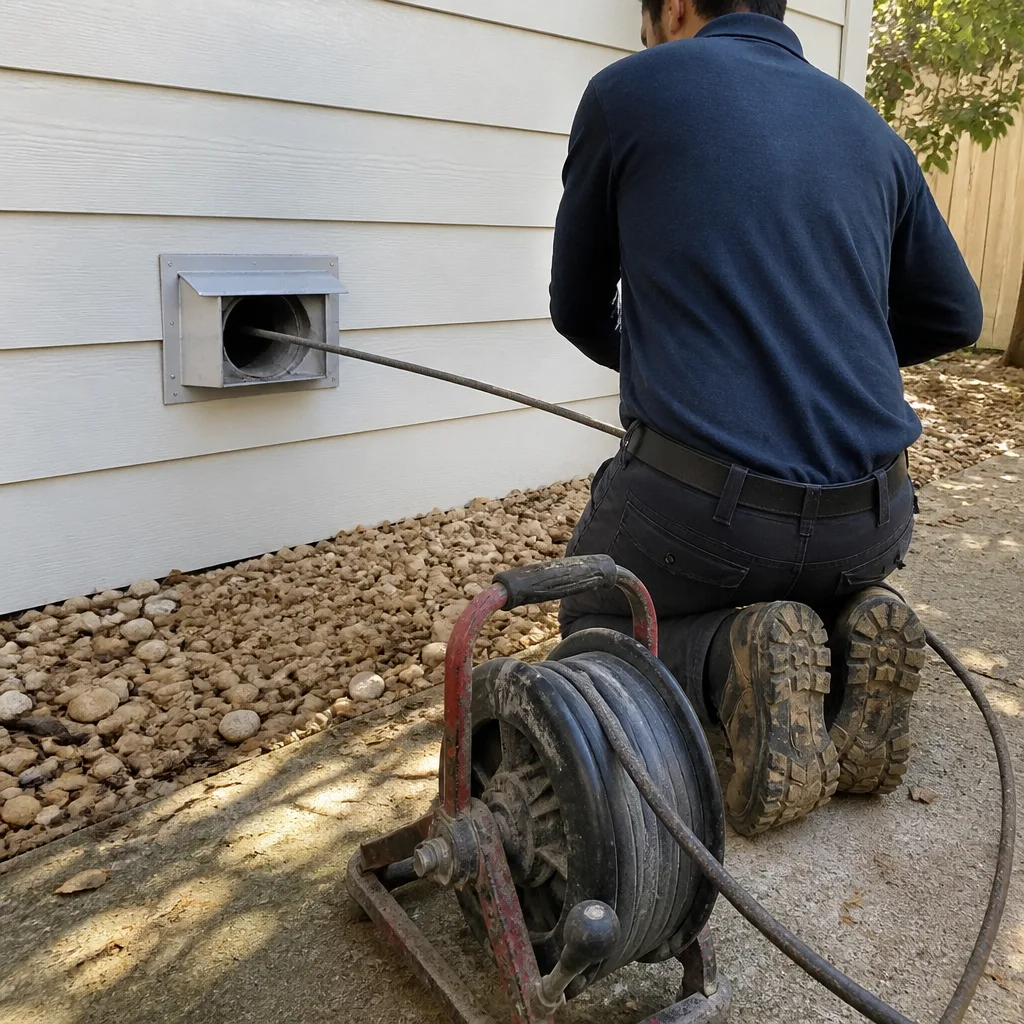 After
After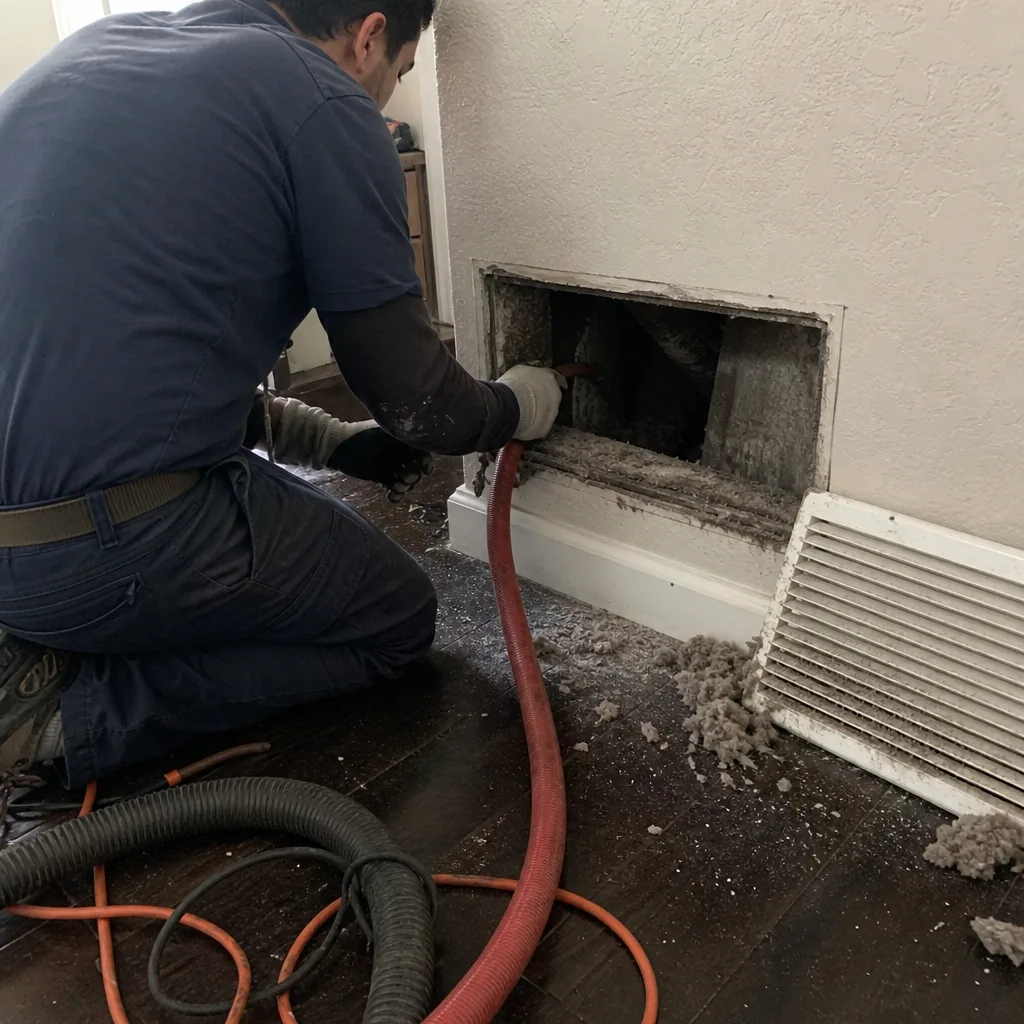 Before
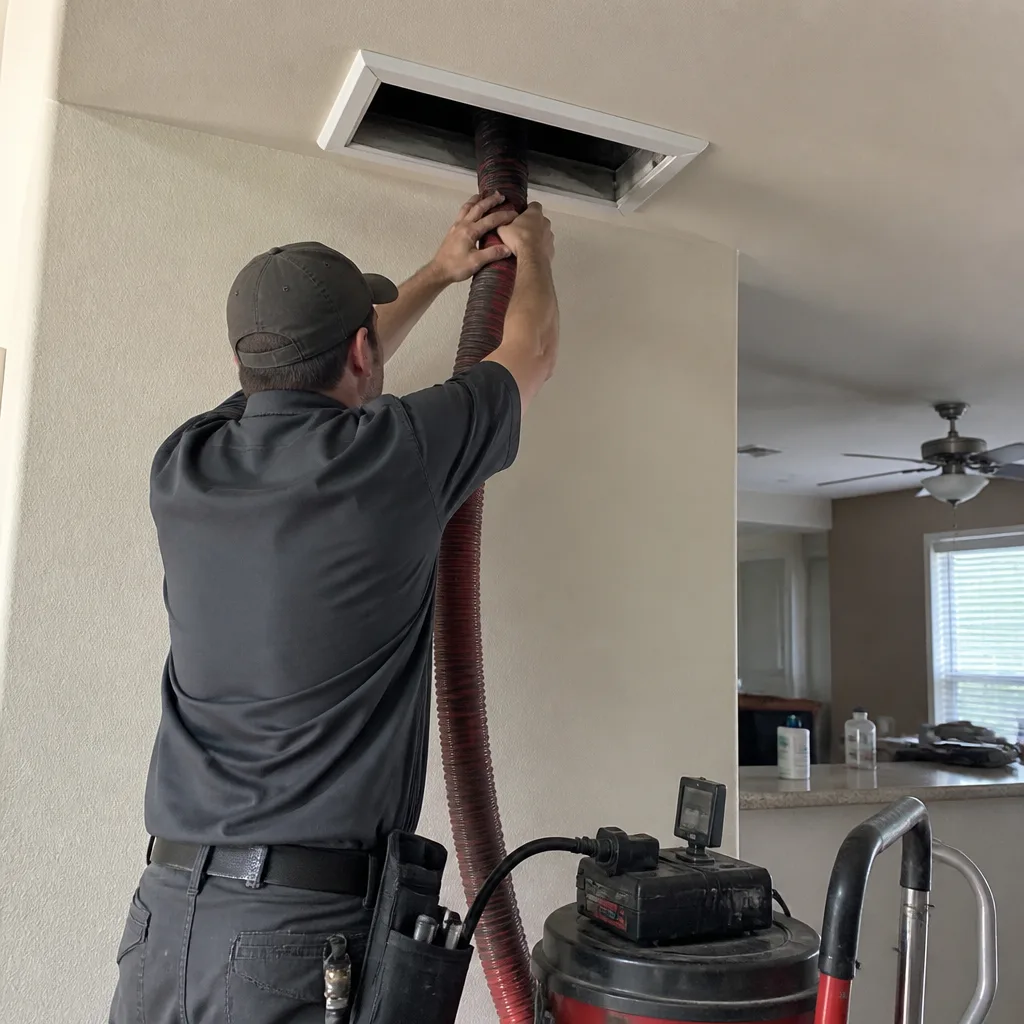 After
After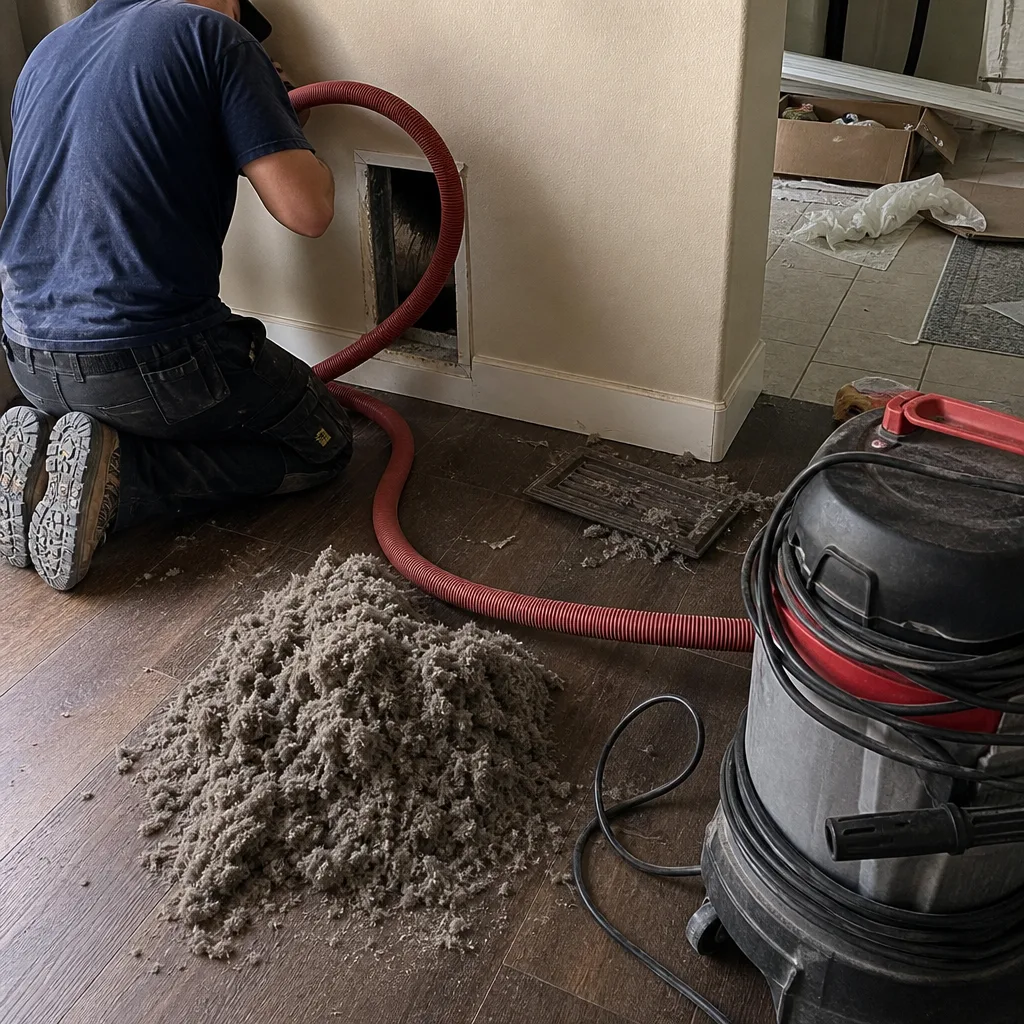 Before
 After
AfterResidential Duct Cleaning in Austin, TX
Air Duct Cleaning in Austin typically costs between $299 and $599 for a standard single-family home, takes three to five hours, and leaves you with a written price before the first panel comes off and a documented photo record of every duct run when the crew leaves. That is the short version. The rest of this page explains exactly what happens during a job, what CleanRun finds inside Austin homes, and how to tell real duct cleaning from a $79 shop-vac visit.
If you want to start at the category level first, the Air Duct Cleaning in Austin page covers every service we offer, how the systems connect, and what a full HVAC cleaning scope looks like. This page is specifically about residential duct cleaning – the process of clearing supply and return duct runs, plenums, and registers in a house.
We’re CleanRun Duct Repair & Cleaning, independently owned and operated, established in 2013, and we’ve completed jobs in more than 52,000 homes – every single one with a written price up front and a photo record delivered at the end. Tomas Reyes leads the team. If you’d rather talk through your situation before reading further, call us at (737) 243-9544 – a live person picks up every time.
What Residential Duct Cleaning Actually Covers
The duct system in your home is two networks running in parallel: supply ducts push conditioned air out through registers in your floors, walls, or ceilings, and return ducts pull room air back to the air handler to be conditioned again. Both sides collect debris. In most Austin homes built between 1990 and 2015, those ducts run through unconditioned attic space, which means they cycle through extreme heat every summer and pull in whatever the insulation, construction dust, and local pollen load has deposited along the way.
Residential duct cleaning means clearing both the supply and return sides – every run, every elbow, every boot where the duct meets the register opening, and the plenum (the central distribution box that connects the air handler to the rest of the system). A job that only hits the main trunk line and skips the branch runs is not duct cleaning. It’s a partial job, and we don’t do partial jobs.
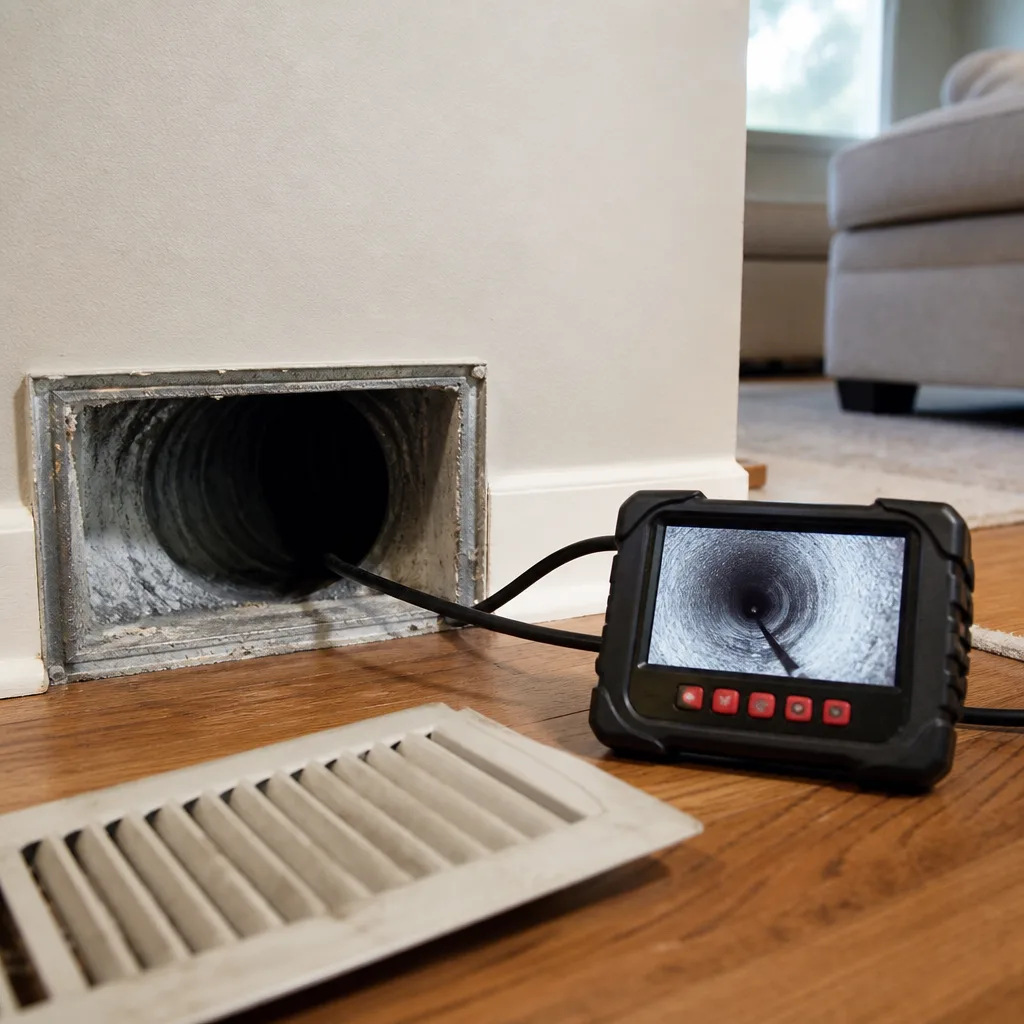
Every duct run at a CleanRun job is photographed before and after using a video inspection camera that goes into the duct – not a phone held near the register opening. That photo record is yours at the end of the job, documented in writing as part of the standard scope under the Haven Standard. It’s how we hold ourselves accountable, and it’s how you know what you actually paid for.
When You Need Residential Duct Cleaning
- Dust reappears on surfaces within days of cleaning. If you wipe down a shelf on Monday and it’s visibly dusty by Thursday, the air handler is recirculating debris from inside the duct system – not just pulling from the room air. Austin’s cedar season (roughly November through February) accelerates this cycle significantly in homes without upgraded filtration.
- You notice uneven airflow between rooms. A bedroom that runs noticeably warmer or cooler than adjacent rooms often has a partially blocked duct run. We’ve found compacted debris at elbows in older Round Rock and South Austin homes that was reducing airflow by more than 40 percent measured at the register.
- Your home sat unoccupied or went through renovation work. Construction dust – drywall particulate, cut wood, concrete – is finer than household dust and packs into duct walls and elbows in ways that don’t clear on their own. A house that sat vacant for a year before you bought it in Bouldin Creek or Travis Heights may have years of accumulated debris the previous owner never addressed.
- You’re seeing visible debris at registers or a musty smell when the system runs. Debris at the register face is usually only the leading edge of what the camera finds further in. Musty odor on startup – particularly common in Austin after a humid summer – often indicates microbial growth inside the duct walls or at the drain pan, which is a separate issue from debris but often found alongside it.
- It’s been more than five years since the last cleaning, or you’ve never had one done. The EPA and NADCA generally suggest evaluating ducts every three to five years under normal occupancy. In Austin, where pollen counts rank among the highest in the country and HVAC systems run hard for seven to eight months a year, five years is the outer edge, not a target.
- You or a household member has worsening allergy or asthma symptoms indoors. We’re not in a position to diagnose medical causes, and we say that plainly. But when a customer describes symptoms that improve when they leave the house and worsen when the HVAC runs, the duct system is a reasonable place to look – and the camera gives a definitive answer either way.
BeforeAfterOur Residential Duct Cleaning Process
- Written scope and price, before anything moves. Before any panel comes off or any tool touches your system, you receive a written price. This is Haven Standard Clause 1 – no exceptions, no “we’ll know more once we get in there.” We assess the duct count, the system layout, and any visible condition issues at the registers and air handler, then write a number. If the scope changes once we’re inside, we stop and revise the written price before continuing. You approve before we proceed.
- Pre-job camera inspection and photo documentation. A camera goes into each duct run before cleaning begins. This is not a sales tool – it’s a baseline record. The images document what was present before we touched anything: debris depth at elbows, particulate type (dust, biological, construction material), and any structural issues in the duct walls. Customers who’ve had a previous “cleaning” done elsewhere are often surprised by what the before photos show.
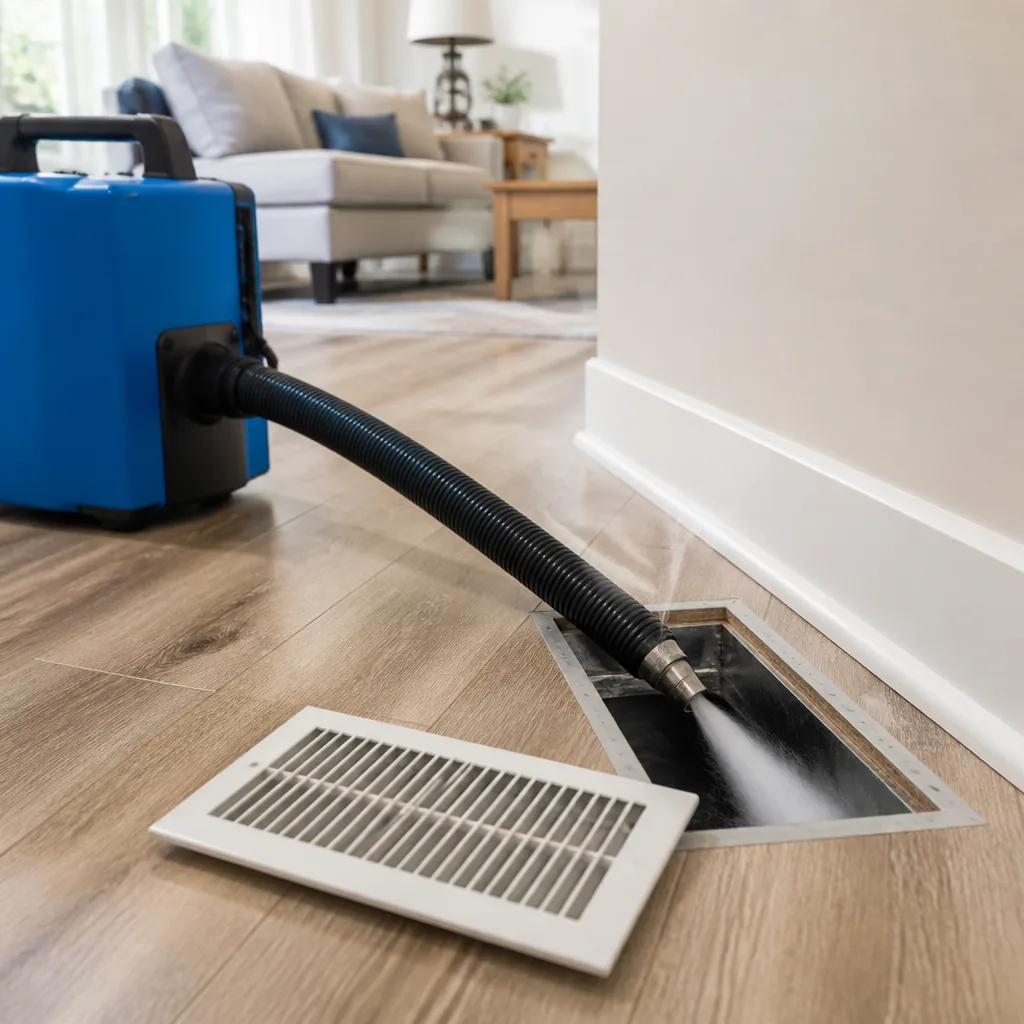
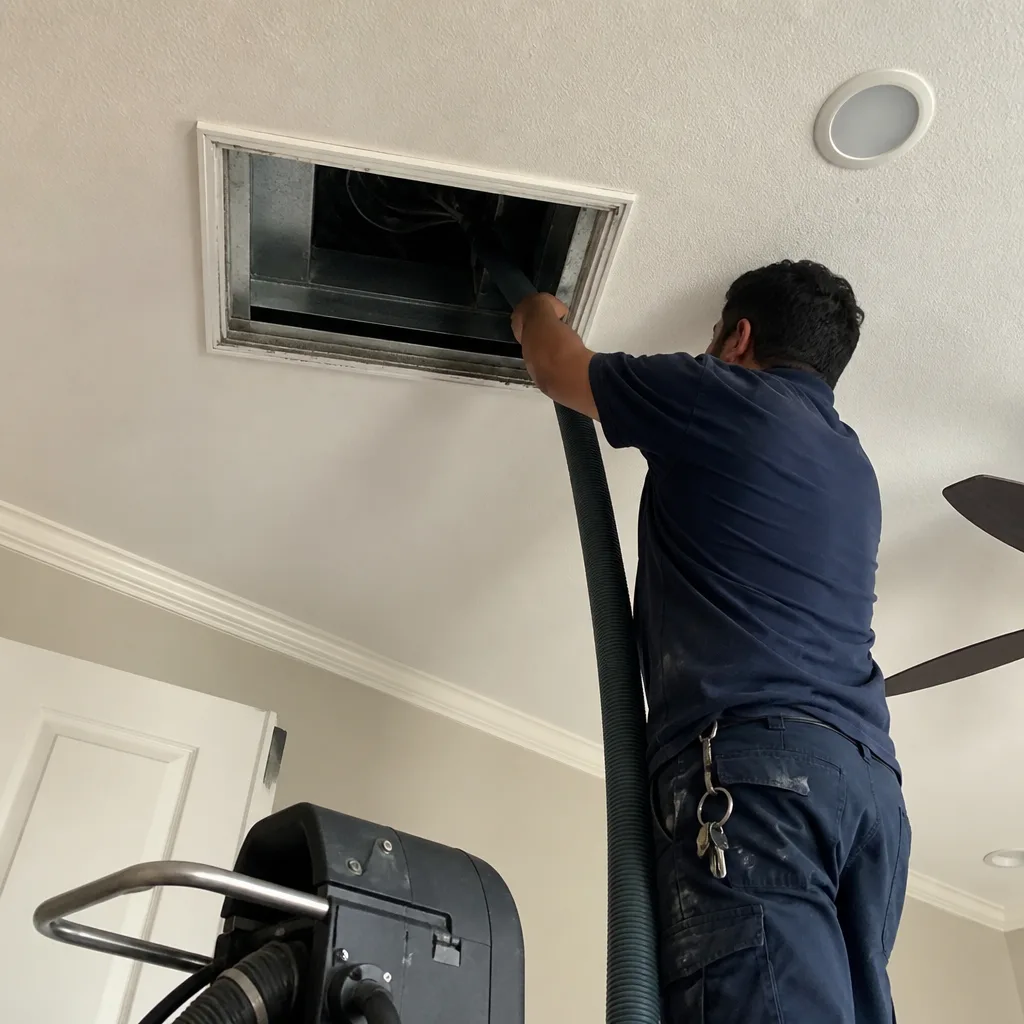
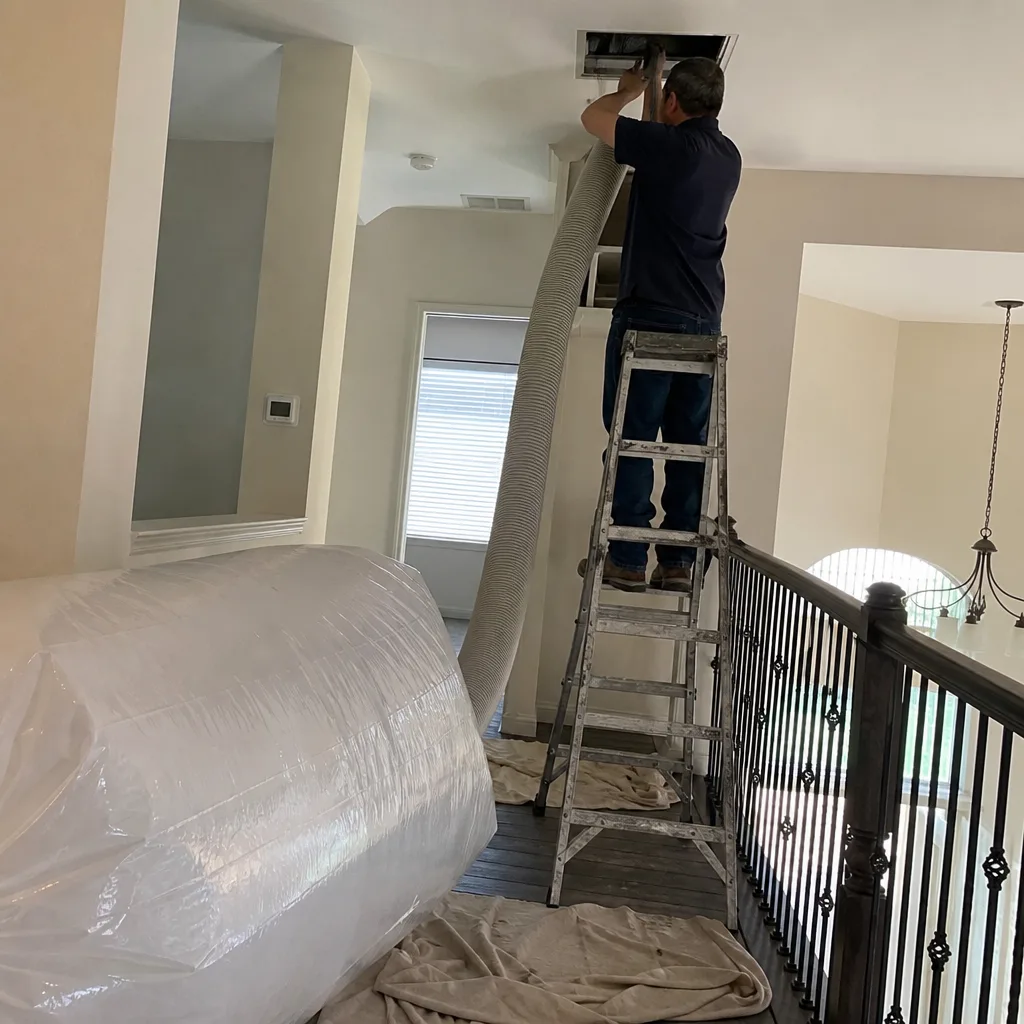
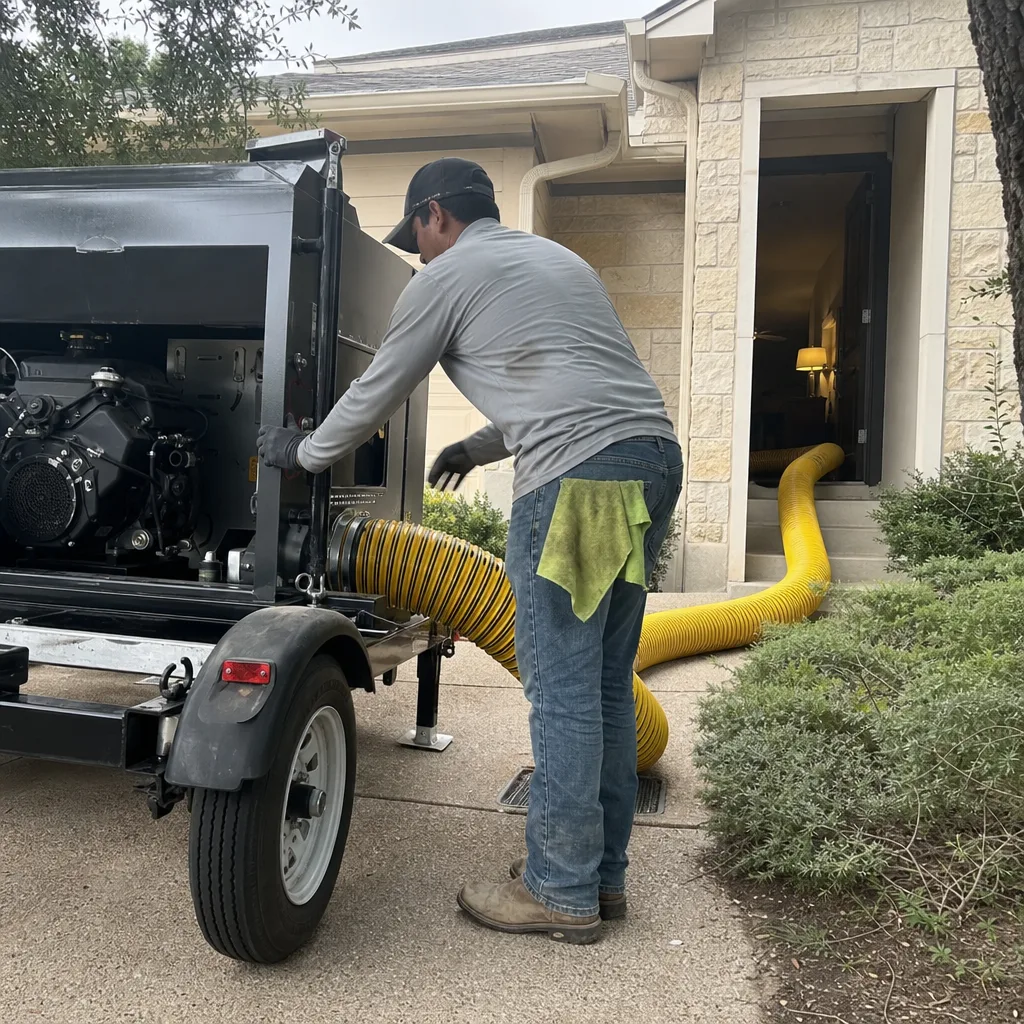
- Negative-pressure extraction setup. We connect a high-powered vacuum collection unit – Nikro equipment, rated for commercial-grade negative pressure – to the main trunk or plenum. Negative-pressure extraction means we’re pulling air and debris toward the collection unit rather than pushing it through the house. The system is under negative pressure during the entire cleaning process, which prevents debris from being redistributed into your living space.
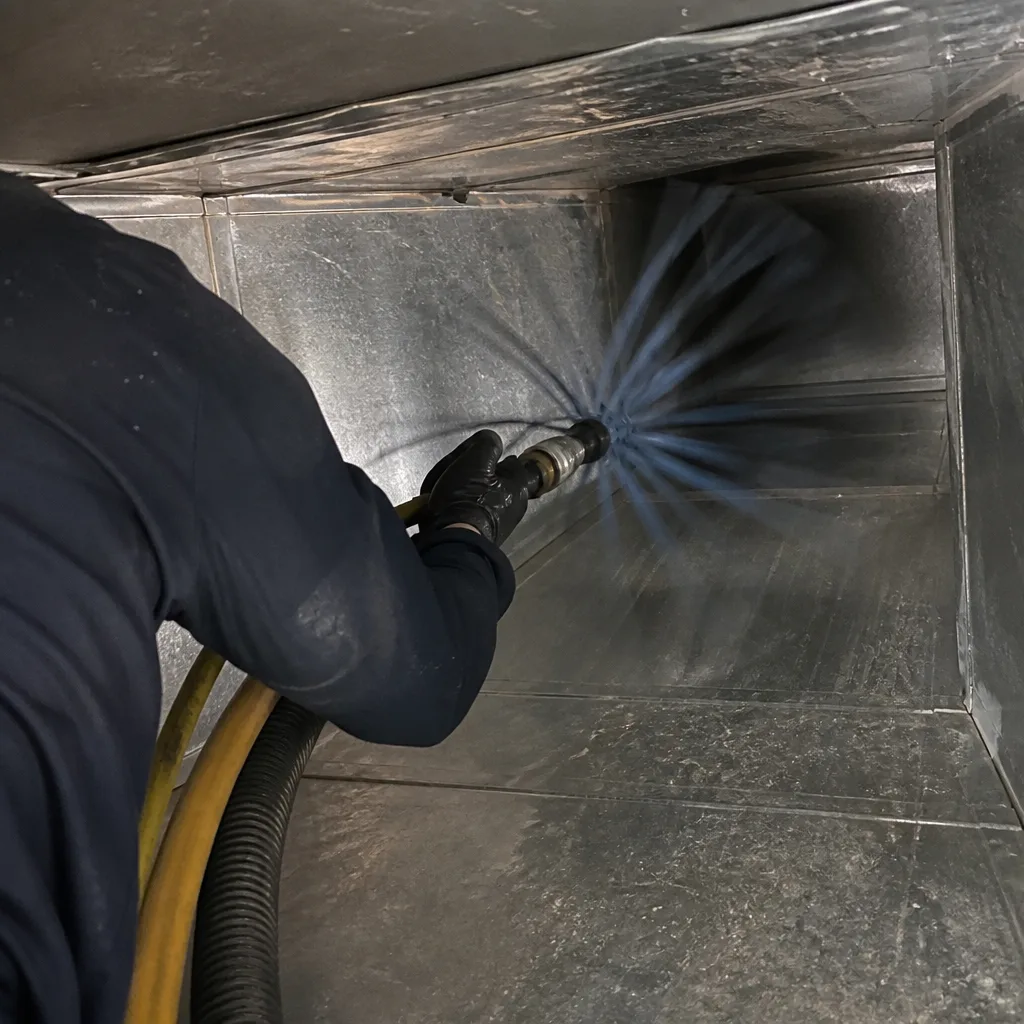
- Mechanical agitation through every run. Negative pressure alone doesn’t clean a duct. It captures what agitation loosens. We use rotary brush systems – Rotobrush equipment – to scrub the interior walls of each duct run while the vacuum is pulling. The brush moves from the register end toward the trunk, dislodging compacted debris that a vacuum alone would leave behind. Every branch run gets this treatment, not just the mains.
- Register, boot, and plenum cleaning. Registers (the grilles at your floor or wall) and boots (the metal fittings where the duct connects to the register opening) are removed, cleaned separately, and reinstalled. The plenum – the distribution box at the air handler – is cleaned by hand. These areas accumulate fine debris that the rotary brush doesn’t reach from inside the run.
- Post-job camera documentation and written job record. After cleaning, the camera goes back into each run. The after photos are compared against the before photos and delivered to you as part of your job record – a concrete deliverable, not a summary email. The written job record includes the scope completed, the written price agreed upon, and the 365-Day Done Right Promise in writing. If anything is not right within 365 days, we come back and make it right.
Residential Duct Cleaning Pricing in Austin
Residential duct cleaning in Austin costs between $299 and $599 for most single-family homes. The range is real – it reflects genuine differences in job scope – and every number we put in front of a customer is a written price, not an estimate that balloons at the door.
| Home Size / Scope | Typical Price Range |
|---|---|
| Small home, up to 1,500 sq ft, 8-10 duct runs | $299 – $369 |
| Mid-size home, 1,500-2,500 sq ft, 11-16 duct runs | $370 – $475 |
| Larger home, 2,500-3,500 sq ft, 17-24 duct runs | $476 – $599 |
| Homes over 3,500 sq ft or with two HVAC systems | Quoted individually – written price before work starts |
The factors that move a job toward the higher end of the range: duct count (a four-bedroom home in Steiner Ranch with 22 runs costs more to clean than a two-bedroom bungalow in East Austin with 10), degree of debris accumulation (a home that hasn’t been cleaned in a decade takes longer), duct material (older flex duct with interior liner damage requires different technique than sheet metal), and access difficulty (attic-routed systems in steep-pitched roofs add time).
What does not affect the price: how far into the job we are when a complication appears. If we open a duct and find conditions that change the scope, we stop, write a revised price, and get your approval before continuing. That’s Haven Standard Clause 1, and it applies to every job, every time.
The $79 coupons circulating in Austin belong to a different business model – a shop vac at the main return, maybe 45 minutes on site, no camera, no before-and-after documentation. We don’t compete on that number because we’re not doing that job. If you’ve received a written estimate from another company, bring it to us. We’ll put our own number next to it in writing at no cost – a free second opinion is available on any written estimate.
What We Find Inside Austin Homes
Because we’ve photographed the inside of duct runs in Austin homes since 2013, we can describe what the camera actually shows rather than what the marketing language suggests. The most common findings, in plain terms:
- Cedar and oak pollen compaction at first elbows. In older homes in Hyde Park, Allandale, and Crestview – neighborhoods with dense tree canopies – pollen infiltration through return-side leaks is common. The camera shows a tan-to-brown compacted layer at the first elbow behind the return register, sometimes three inches deep or more.
- Construction debris in post-renovation homes. Drywall dust is particularly fine and clings to duct walls in a way that doesn’t blow loose under normal system operation. Homes in East Austin that went through gut renovations between 2018 and 2023 frequently show this.
- Biological growth near drain pan connections. Austin humidity combined with aging Honeywell or Aprilaire system components that haven’t been serviced creates conditions where microbial growth can establish at the air handler end of the return plenum. We document this with the camera and note it in the written job record – remediation is a separate scope, quoted separately, and your choice.
- Detached flex duct sections. Particularly in attic-routed systems in North Austin and Cedar Park, flex duct joints that weren’t properly supported at installation work loose over time. The camera shows a partial or full gap where conditioned air is dumping into attic space rather than reaching the register. This is a duct repair issue, not a cleaning issue, and we separate the two in the written scope.
FAQs – Residential Duct Cleaning
How much does residential duct cleaning cost in Austin?
Residential duct cleaning in Austin costs between $299 and $599 for most single-family homes, depending on duct count, home size, debris level, and duct material. Every CleanRun job starts with a written price before any work begins – the number you see is the number you pay unless you approve a scope change. Call (737) 243-9544 and we’ll walk through your home’s specifics and give you a written price, not a range with room to grow at the door.
How often should Austin homeowners have their ducts cleaned?
Every three to five years is a reasonable general guideline, but Austin conditions push most homes toward the shorter end of that window. Pollen counts here are among the highest in the country – mountain cedar alone runs heavy from November through February – and HVAC systems run hard enough that filter loading and duct infiltration happen faster than in milder climates. Homes with pets, recent renovations, or systems that haven’t been inspected since purchase should be evaluated sooner. The camera inspection at the start of every CleanRun job gives you a definitive answer either way, documented in writing.
Can you clean ducts in an older home with flex duct, or only metal?
We clean both sheet metal and flex duct systems. Flex duct – the insulated, corrugated tubing used in most Austin homes built after the 1980s – requires different technique than rigid sheet metal, and the rotary brush speed and pressure are adjusted accordingly to avoid liner damage. Before any cleaning begins, the pre-job camera inspection will show the condition of the interior liner. If the liner is already deteriorated, we note it in the written scope and separate any repair work from the cleaning scope so you know exactly what you’re agreeing to.
What is the 365-Day Done Right Promise?
The 365-Day Done Right Promise means that if any part of the work we performed is not right within 365 days of the job date, CleanRun comes back and makes it right – at no additional charge. It’s written on every job record, not stated verbally and forgotten when the truck leaves. It applies to the cleaning scope, not to new conditions that develop in the system afterward. The promise is there because documented work should be accountable work, and because a photo record that shows before and after makes the standard clear for both parties.
Why CleanRun for Residential Duct Cleaning in Austin
Austin has no shortage of duct cleaning companies. Most of them compete on a low entry price and make the math work by rushing the job. We’ve built a different approach since 2013, and it comes down to a few specifics that are either present on a job or they’re not.
First, the written price. Haven Standard Clause 1 means you see the number before any panel comes off. Not a range. A number. And if the scope changes once we’re in, we stop, revise it, and get your sign-off before continuing.
Second, the camera. The inside of every duct run is photographed before and after, and those photos are yours. Not stored somewhere in case you ask. Delivered as part of the standard job record. If a company can’t show you a before photo, you have no way to know whether the after matters.
Third, the equipment. We use Rotobrush for rotary brush agitation and Abatement Technologies-grade vacuum collection for negative-pressure extraction. These are trade-recognized tools. You can look them up independently before agreeing to a price – which is exactly the point.
Fourth, the 365-Day Done Right Promise – in writing, on every job, covering the full scope of work we performed.
Tomas Reyes has run CleanRun on these terms since the first job in 2013. The standards are the same on job 52,001 as they were on job one.
If you’d like to start with a written price for your home in Austin – whether you’re in Tarrytown, Pflugerville, South Congress, or anywhere in the metro – call (737) 243-9544. A live person answers every call. We’ll take the details on your home, describe exactly what the job covers, and give you a written price. No estimate that grows. No pressure to book before you’re ready.
Written by Tomas Reyes, Owner at CleanRun Air Duct Cleaning Austin, serving Austin since 2013.