
Last updated September 23, 2026
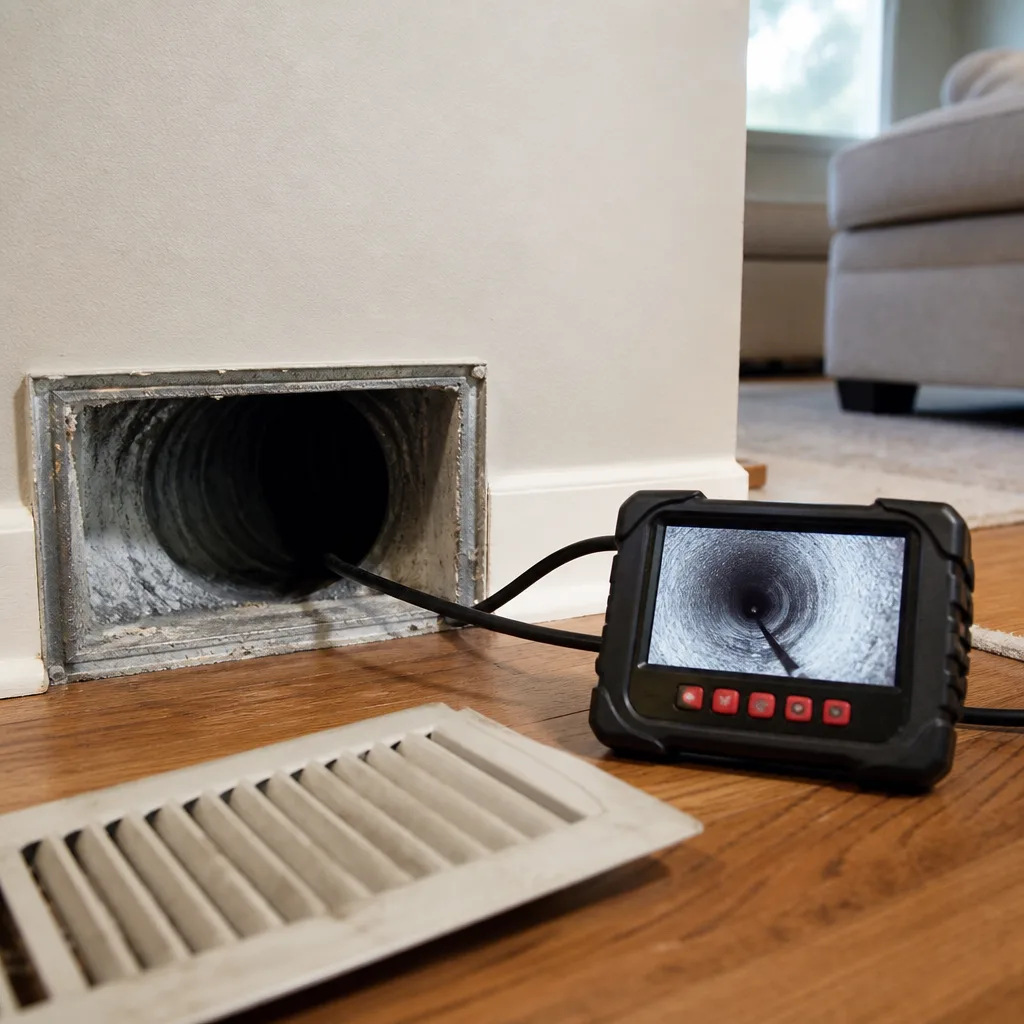
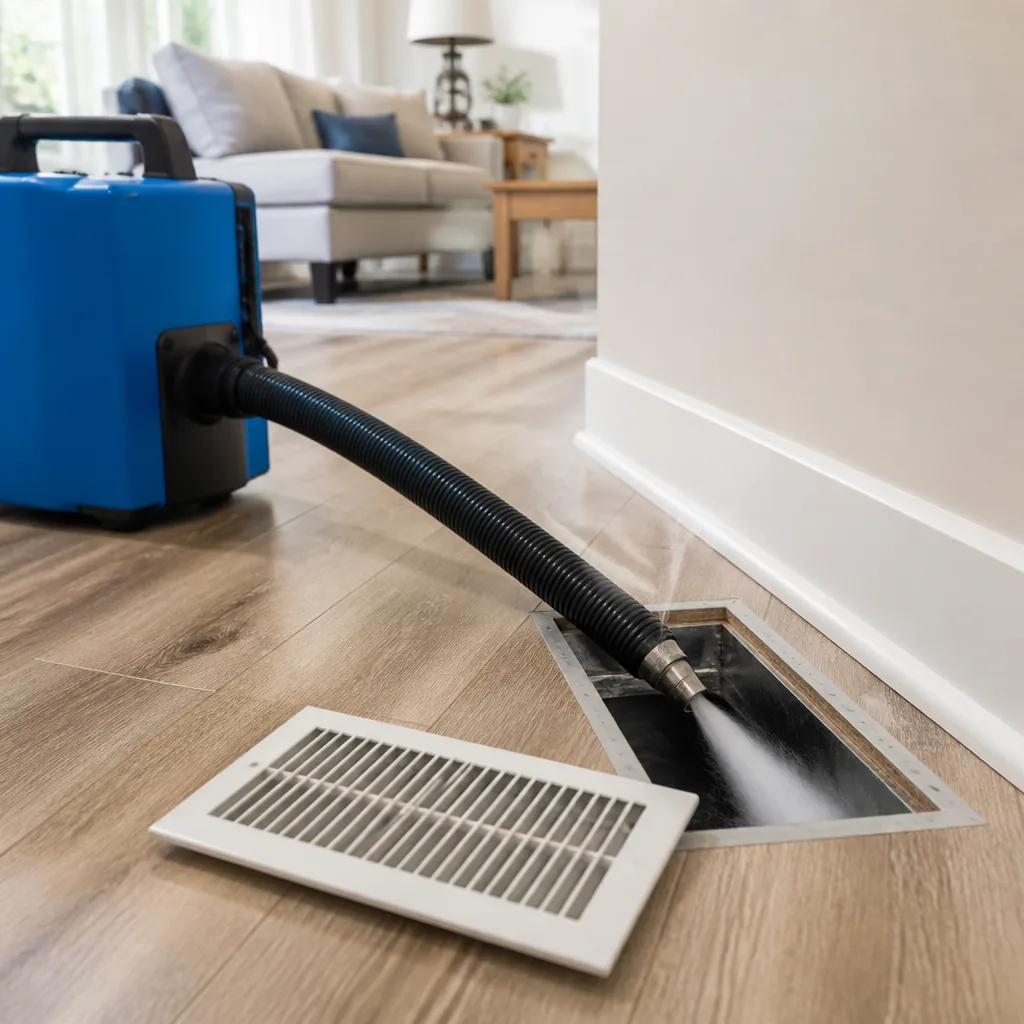
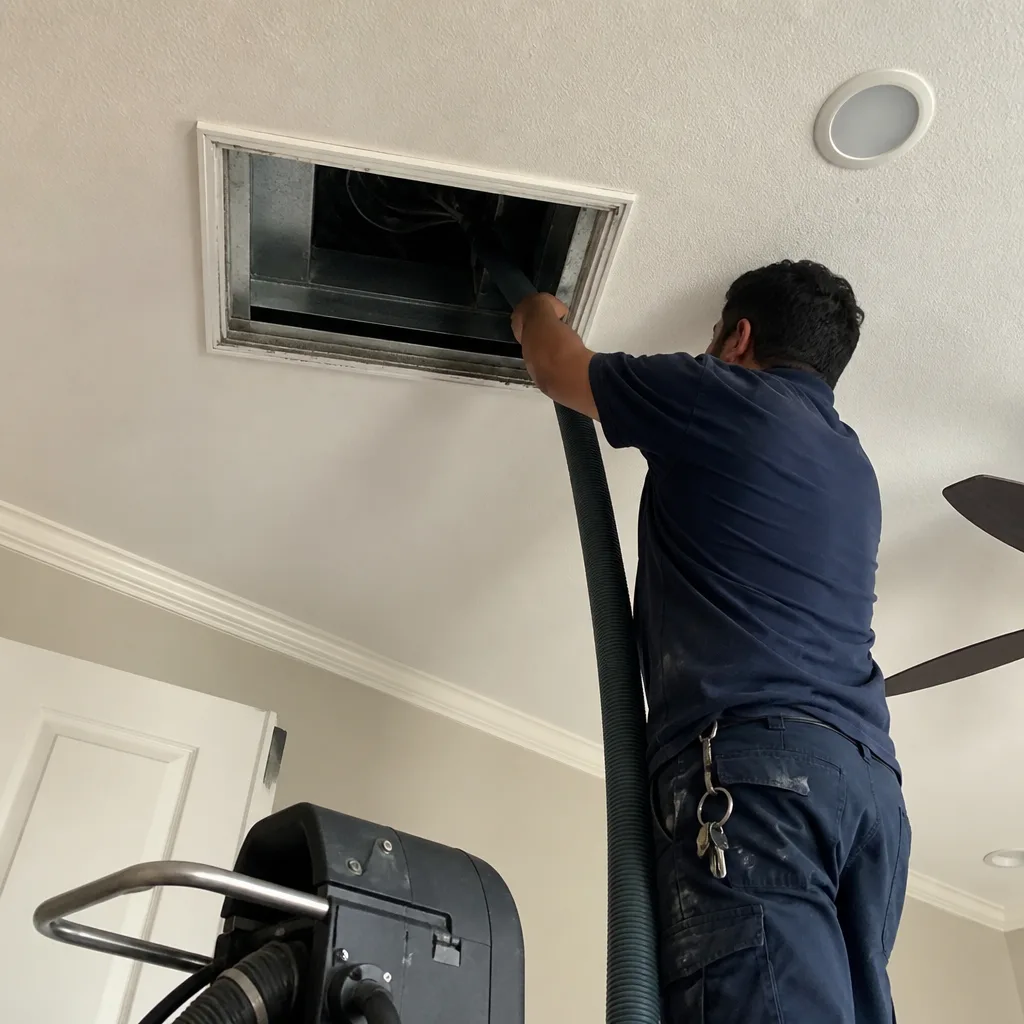
Whole-system duct and dryer vent check with before-and-after photos - you see exactly what came out of your vents
That "$99 whole-house special" is a bait ad - the real number appears once they are in your hallway, or the "clean" is a shop-vac at the register. We photograph the inside of your ducts before and after instead.
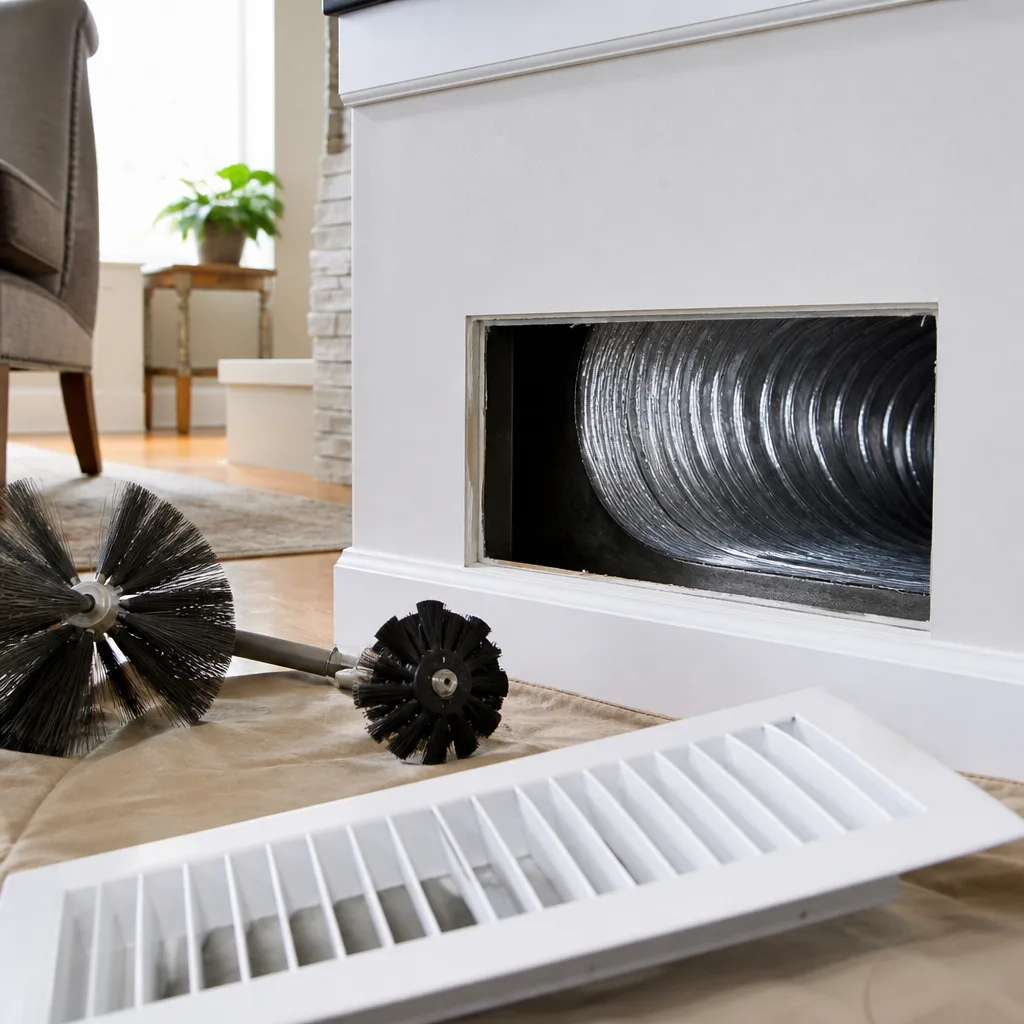
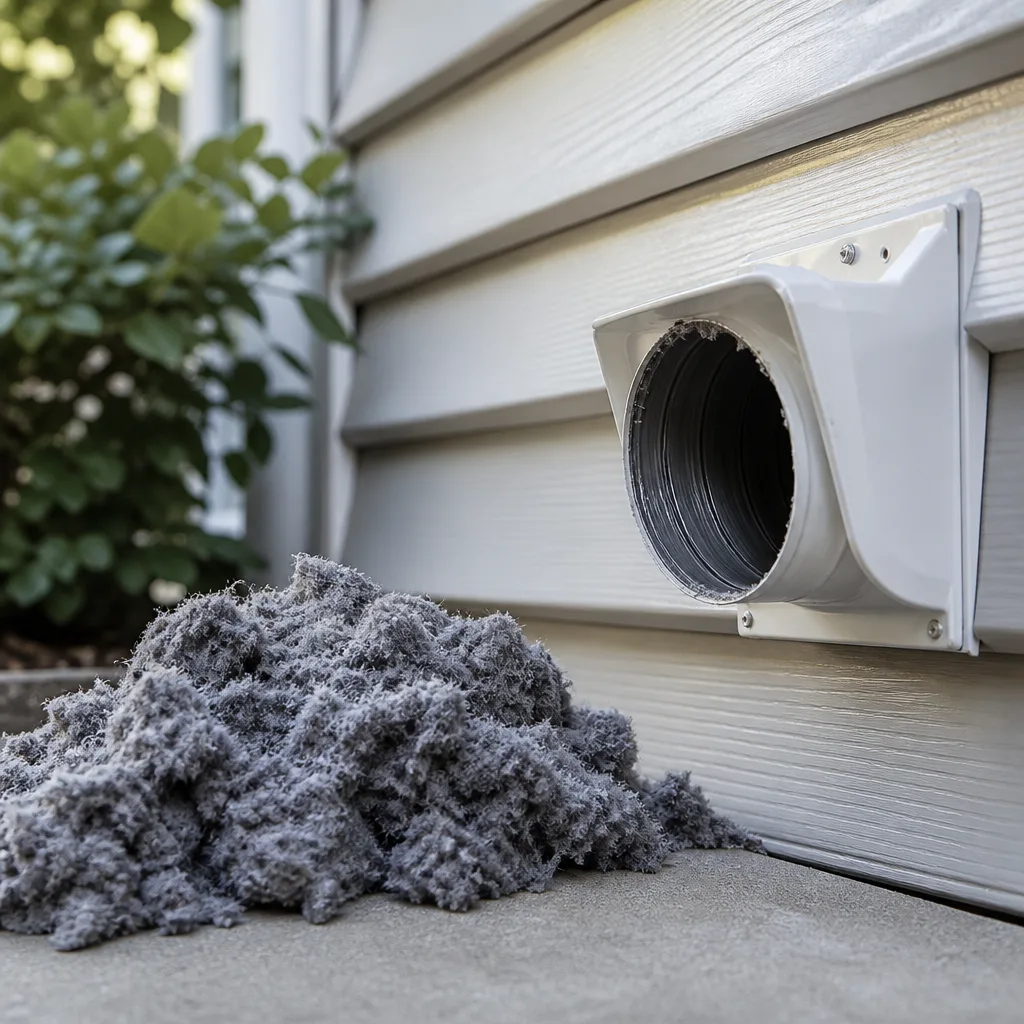
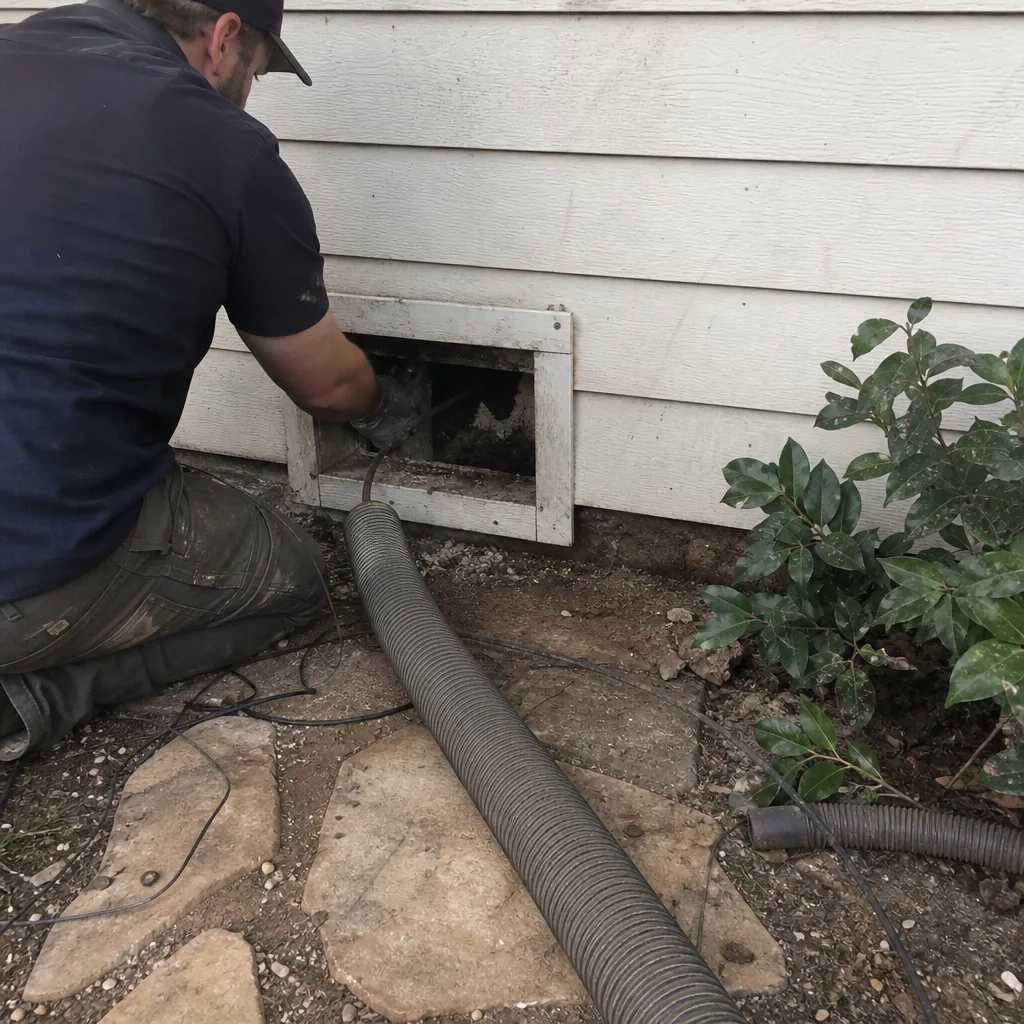 Before
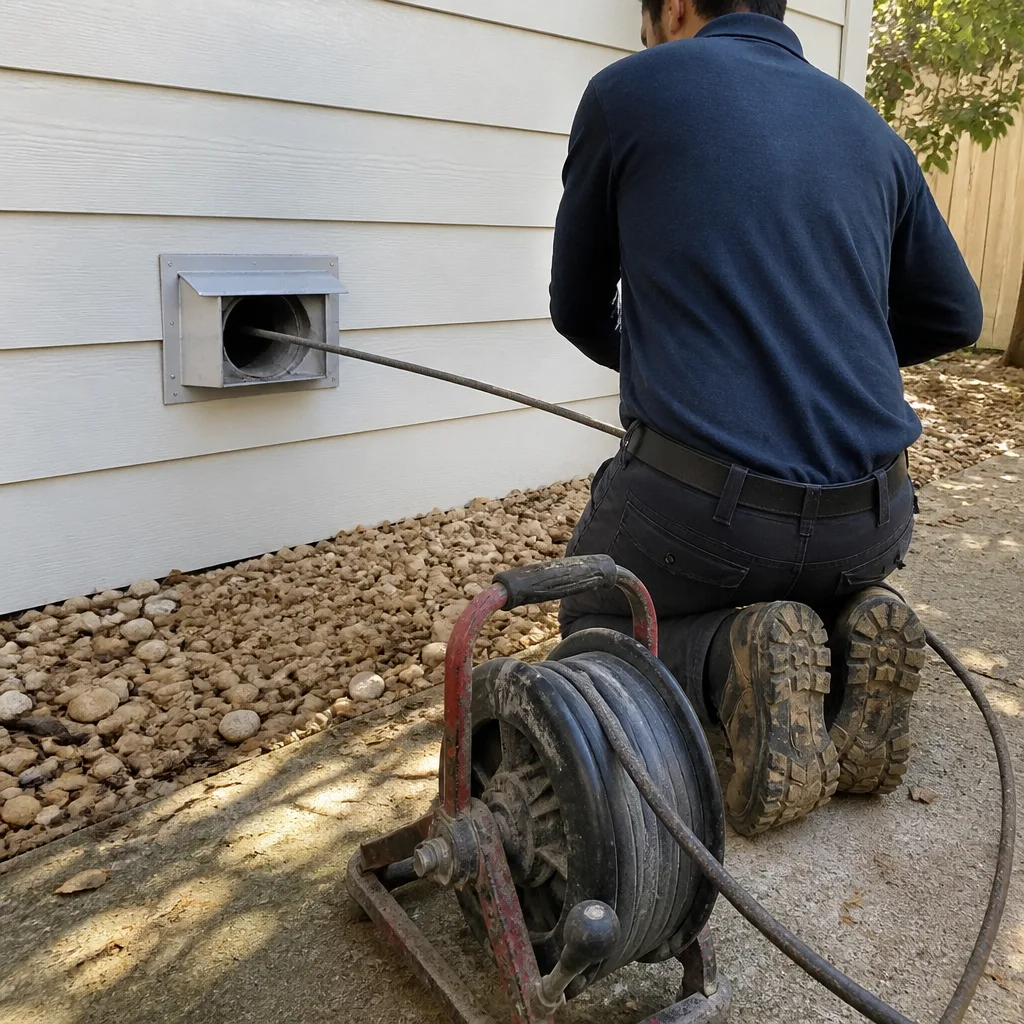 After
After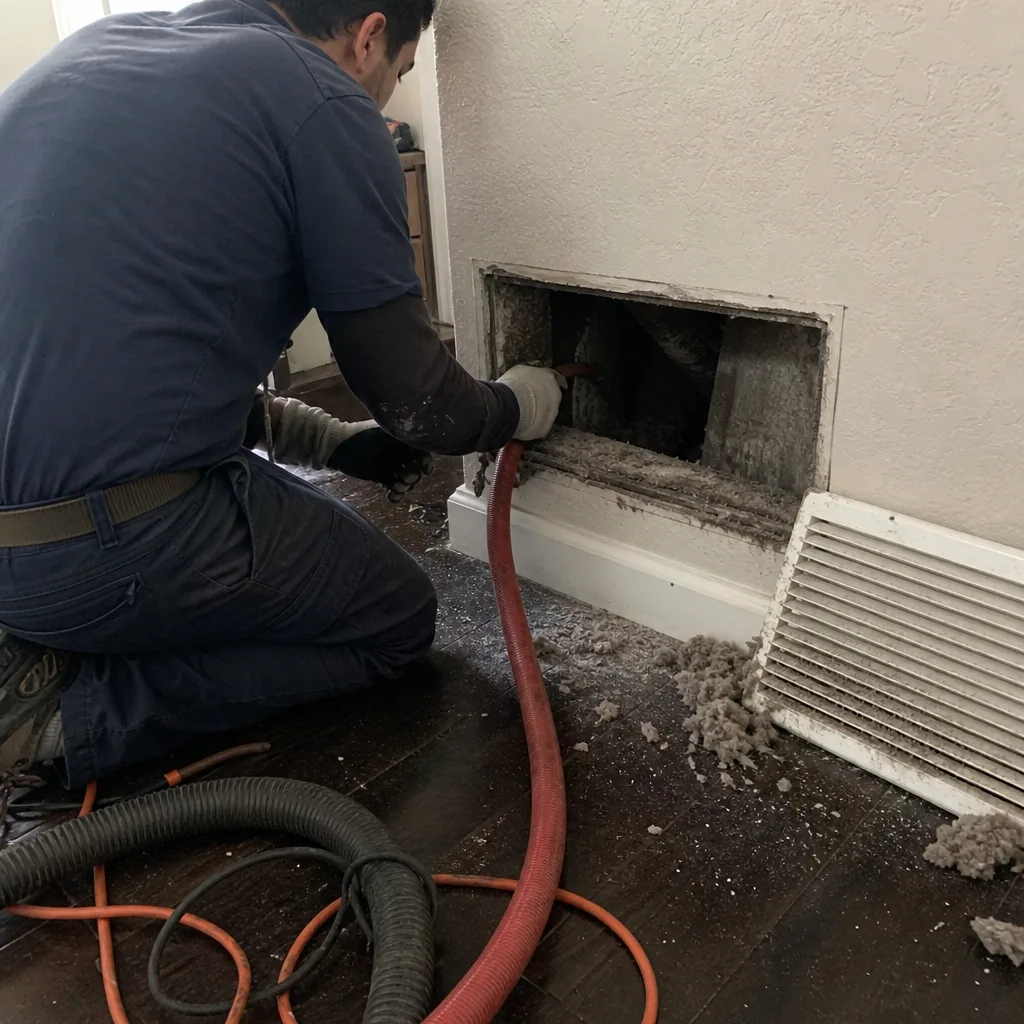 Before
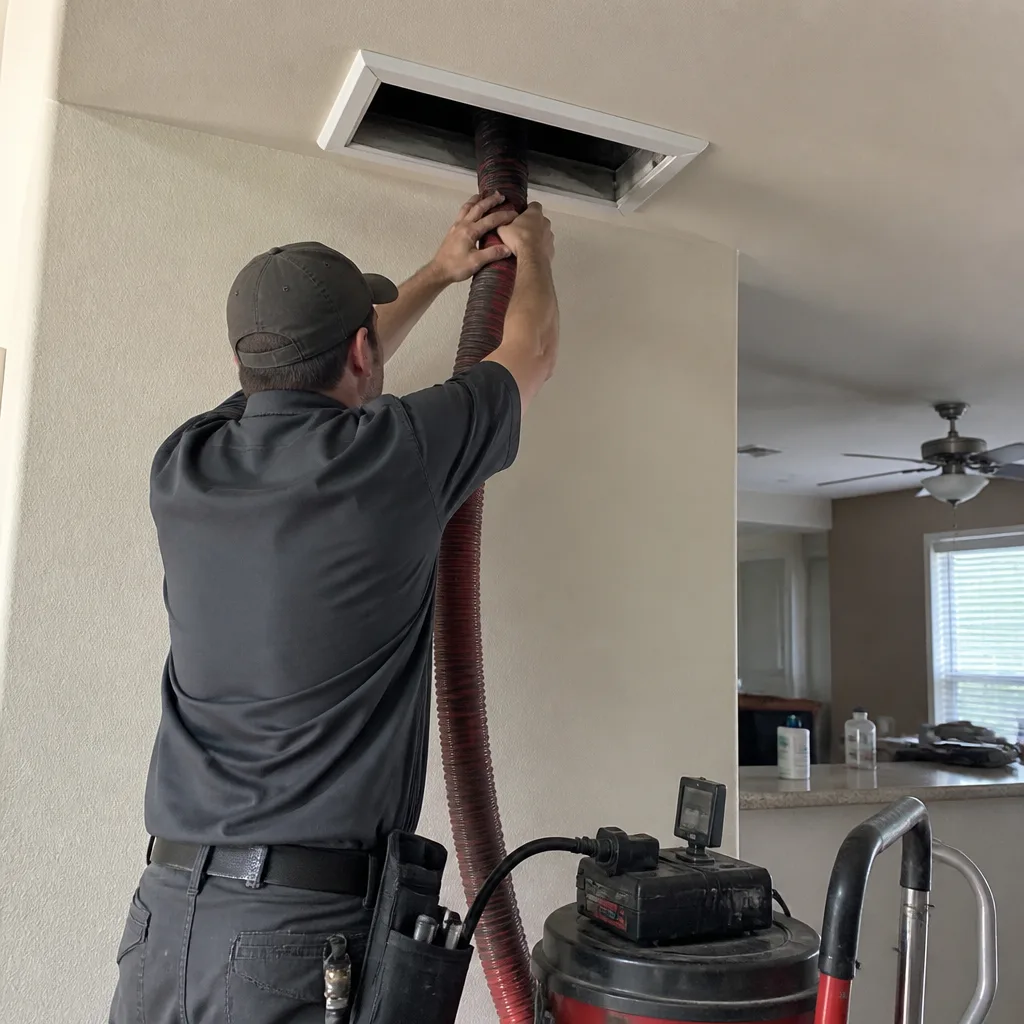 After
After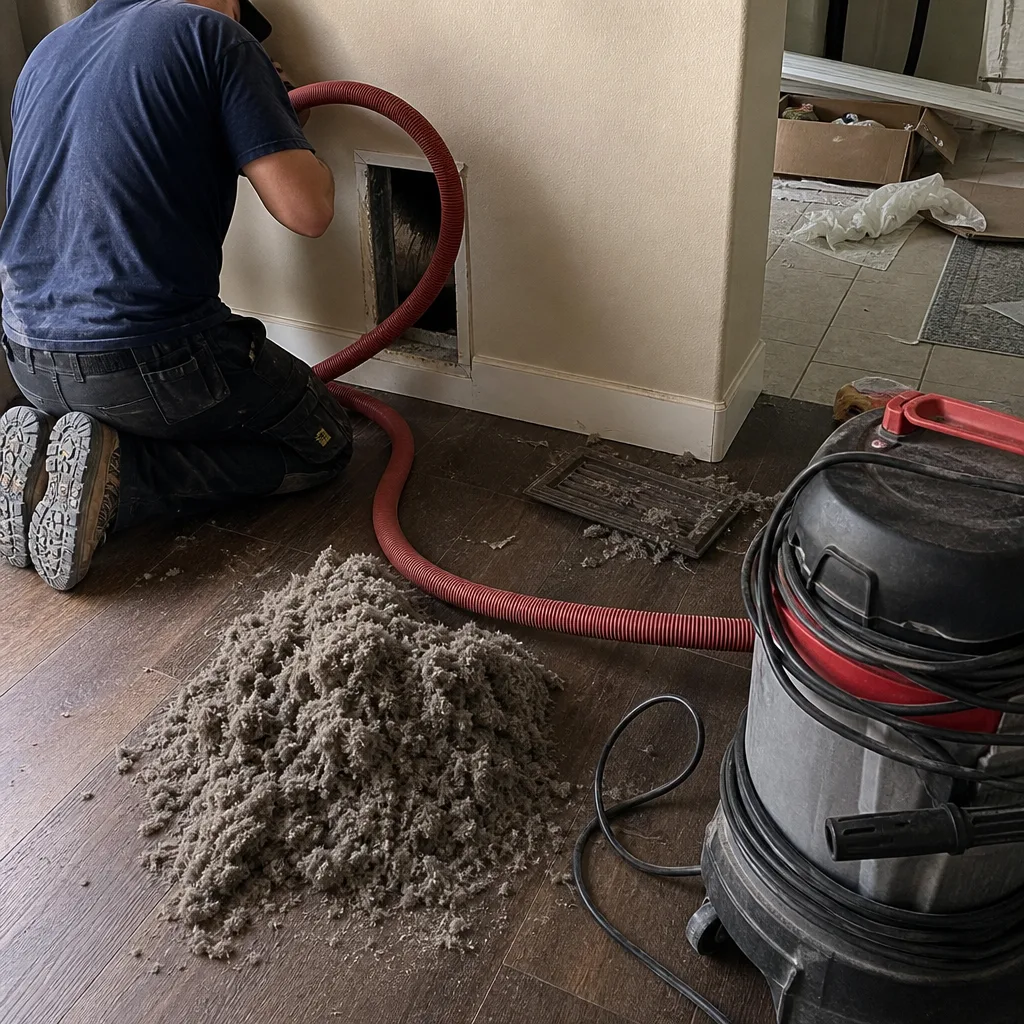 Before
 After
AfterAir Duct Cleaning Warning Signs: A Austin Homeowner’s Reference Guide
The most common upsell in the duct cleaning industry is a technician pointing a flashlight at normal dust accumulation and calling it a health hazard. In a market like Austin, where rapid construction in corridors like Pflugerville and Manor keeps particulate loads high, homeowners hear this pitch constantly. Our Complete Guide to Air Duct Cleaning in Austin describes each warning sign with a camera-verifiable standard: what you can photograph at a supply grille, what your energy bill can prove, and what your nose can confirm. When you know what “normal,” “borderline,” and “needs cleaning” actually look like, no technician can manufacture a concern you cannot check yourself.
Quick Answer
Air ducts in Austin need our Air Duct Cleaning services when you can document visible mold growth (not dark dust), persistent rodent debris or odor, supply grilles with dust rings exceeding 1/4 inch depth, or HVAC filters loading faster than 45 days in summer. Unexplained energy bill increases above your established summer baseline, uneven room temperatures that correlate with specific duct runs, and post-renovation drywall dust accumulation are additional measurable triggers. Normal household dust at register edges is not a warning sign.
Table of Contents
- Visual Warning Signs You Can Photograph
- HVAC Performance Indicators That Show Up on Bills
- Austin-Specific Triggers: Wildfire Smoke, Construction, and Renovation
- Cleaning vs. Repair: Different Problems, Different Costs
- Warning Signs That Are NOT Legitimate Reasons to Clean
- How to Inspect Your Own Ductwork: A Step-by-Step Method
- Timeline: When Each Sign Becomes Urgent
- What Documentation You Should Demand
BeforeAfterVisual Warning Signs You Can Photograph
Every legitimate warning sign has a visual standard. We have delivered CleanRun Air Duct Cleaning Austin home services since 2013, and our Documented Photo Record on every job means we have thousands of before-and-after images establishing what each level of contamination looks like on camera. Here is what you can verify yourself before calling anyone.
The Dust Ring at Supply Grilles
Supply grilles (the vents that blow conditioned air into rooms) accumulate dust at their edges because air turbulence drops particulates as velocity decreases. This is normal. What matters is depth and texture.
- Normal (30-60 days): A faint gray shadow at the grille edges, easily wiped away with a damp cloth. Photographs as light gray against white metal.
- Borderline (6-12 months without cleaning): A visible ridge of dust, 1/8 to 1/4 inch deep, with a fuzzy texture. Wiping removes most but not all; the metal underneath shows discoloration.
- Needs cleaning (18+ months, or specific conditions): A dense mat exceeding 1/4 inch, often dark gray to brown, that compresses rather than wipes away. The metal behind it is stained. In Austin homes near active construction in Mueller or East Riverside, we have seen this develop in 8-10 months due to elevated particulate loads.
Photograph your grille with a ruler or coin for scale. If the dust depth exceeds the thickness of a quarter, document it. That measurement is objective evidence a technician cannot dispute.
Visible Mold vs. Dark Dust
This distinction matters because mold remediation and duct cleaning are different services with different price points. Mold requires EPA-registered treatment; dark dust does not.
Mold growth in ductwork appears as irregular spotting or branching patterns, often green, black, or white, with a slightly raised or slimy texture. It prefers the supply plenum (the main distribution box connected to your air handler) and the first few feet of duct runs where temperature differentials create condensation. Dust photographs uniformly dark and dry; mold shows variation in color and surface texture.
In Austin’s humid shoulder seasons, particularly April-May and September-October, we inspect plenums where condensation has activated dormant spores. If you see spotting that wipes away as dry powder, it is dust. If it smears, holds moisture, or returns within two weeks of cleaning, it is mold and requires different treatment.
Rodent Debris: What It Actually Looks Like
Rodent presence in ductwork leaves specific evidence. You may find:
- Seeds, insulation fragments, or shredded paper concentrated at a single register or duct run
- Droppings: rice-grain-sized, dark, and cylindrical, often in clusters
- A distinct ammonia odor that intensifies when the system first cycles on
- Grease marks (sebum trails) along duct walls where bodies have passed repeatedly
In Austin’s established neighborhoods like Tarrytown and Clarksville, where mature trees and older foundations create entry points, we document rodent debris in roughly 15% of homes built before 1990. The debris is not distributed evenly; it concentrates where a duct run has been breached. Photograph any cluster with location notes (which room, which register). A single dropping is evidence of passage; a cluster indicates habitation and requires both cleaning and sealing.
HVAC Performance Indicators That Show Up on Bills
Your utility records and filter change log are more reliable warning systems than visual inspection alone. These indicators measure duct system function, not just cleanliness.
Filter Loading Timelines That Signal Duct Problems
A standard 1-inch pleated filter in a properly sealed Austin home should last 90 days in typical use. Track your changes. If you are replacing filters at 30-45 days and the loaded filter shows dust loading on the blower side (the side facing the air handler), your return ductwork is pulling unfiltered air from attic, crawl space, or wall cavities. This is a duct integrity problem, not a cleanliness problem.
We see this pattern frequently in Austin homes built during the 2015-2020 boom, particularly in fast-developed corridors like Pflugerville and Manor, where construction quality sometimes left return plenums poorly sealed to platform framing. The filter is doing its job; the ductwork is bypassing it. Cleaning will not fix this. Sealing will.
Energy Bill Baselines and Unexplained Increases
Establish your summer baseline: the kilowatt-hours your home uses in July-August at your typical thermostat setting. In Austin, where cooling dominates energy use, a duct system with significant blockage or leakage forces longer compressor runtimes.
An increase of 15% or more above your established summer baseline, without thermostat change or rate increase, suggests:
- Supply blockage: restricted airflow forces the system to run longer to achieve setpoint
- Return leakage: unconditioned attic air raises the effective load
- Coil fouling: the evaporator coil inside the air handler, not the ducts themselves, may need cleaning
Before attributing the increase to duct contamination, verify your baseline against Austin Energy or Pedernales Electric billing history. Weather normalization matters: a 105-degree August will spike usage regardless of duct condition.
Uneven Room Temperatures: Blockage vs. Leakage
A single room that runs 4-6 degrees warmer in summer or cooler in winter has a duct problem. The diagnostic question is which kind.
Blockage (cleaning issue): The room’s supply register has weak airflow compared to others. A tissue held at the register barely moves. The duct run serving that room has accumulated debris at an elbow or transition, common in flex duct with sagging sections. In Austin’s clay soils, foundation movement can compress or kink under-slab ductwork, trapping debris at the restriction.
Leakage (repair issue): The register has normal or strong airflow, but the room never reaches setpoint. Conditioned air is escaping into the attic or wall cavity through a separated joint. This is particularly common in homes with ductwork in ventilated attics, standard in Austin construction until recent energy code updates.
Before calling for Air Duct Cleaning in Austin, perform the tissue test at each register. Weak airflow suggests cleaning may help; normal airflow with poor temperature response suggests leakage repair.
Austin-Specific Triggers: Wildfire Smoke, Construction, and Renovation
Austin’s geography and growth patterns create particulate events that accelerate duct contamination beyond normal timelines.
Post-Renovation Drywall Dust
Interior renovation generates ultrafine drywall dust (calcium sulfate and silica) that standard residential HVAC filters do not capture effectively. If your renovation included drywall work, texture repair, or significant sanding, that dust has entered your return ducts and distributed through the supply system. It appears as a uniform white or pale gray film on register interiors and grille fins.
Unlike household dust, drywall dust is hygroscopic: it attracts moisture. In Austin’s humid seasons, it cakes on duct walls and becomes resistant to standard vacuuming. We have documented 2-3 inch accumulations in homes six months post-renovation where homeowners assumed the dust had “settled.” It had; inside the ductwork.
Wildfire Smoke Events
The 2021 Barton Hills fire and subsequent Central Texas wildfire seasons introduced fine particulate matter (PM2.5) into Austin’s outdoor air at concentrations that overwhelmed standard filtration. Homes that ran HVAC during smoke events pulled those particles through return grilles. The residue is distinctive: a dark, oily film that accumulates on the blower side of filters and on the interior surfaces of return ductwork.
If your home was occupied during a wildfire smoke event and you did not upgrade to MERV 13+ filtration or run portable air cleaners, your ducts contain that residue. It does not degrade; it accumulates. We have photographed this specific contamination profile in homes from Circle C to Windsor Park, and it requires negative-pressure extraction (vacuuming the duct run while maintaining suction at the register) to remove completely.
Proximity to Active Construction
Austin’s high-growth corridors generate construction particulates at scale. Homes within 0.5 miles of active earthwork, framing, or road construction experience elevated loads of silica dust, wood fiber, and diesel particulate. In developments like Easton Park, Whisper Valley, and the ongoing buildout of Manor and Pflugerville, we see filter loading timelines compressed by 40-60%.
This is not a duct cleanliness issue in the traditional sense; it is an environmental loading issue that requires more frequent maintenance. Homeowners in these areas should inspect supply grilles quarterly and establish a filter change schedule based on observed loading, not calendar date.
Cleaning vs. Repair: Different Problems, Different Costs
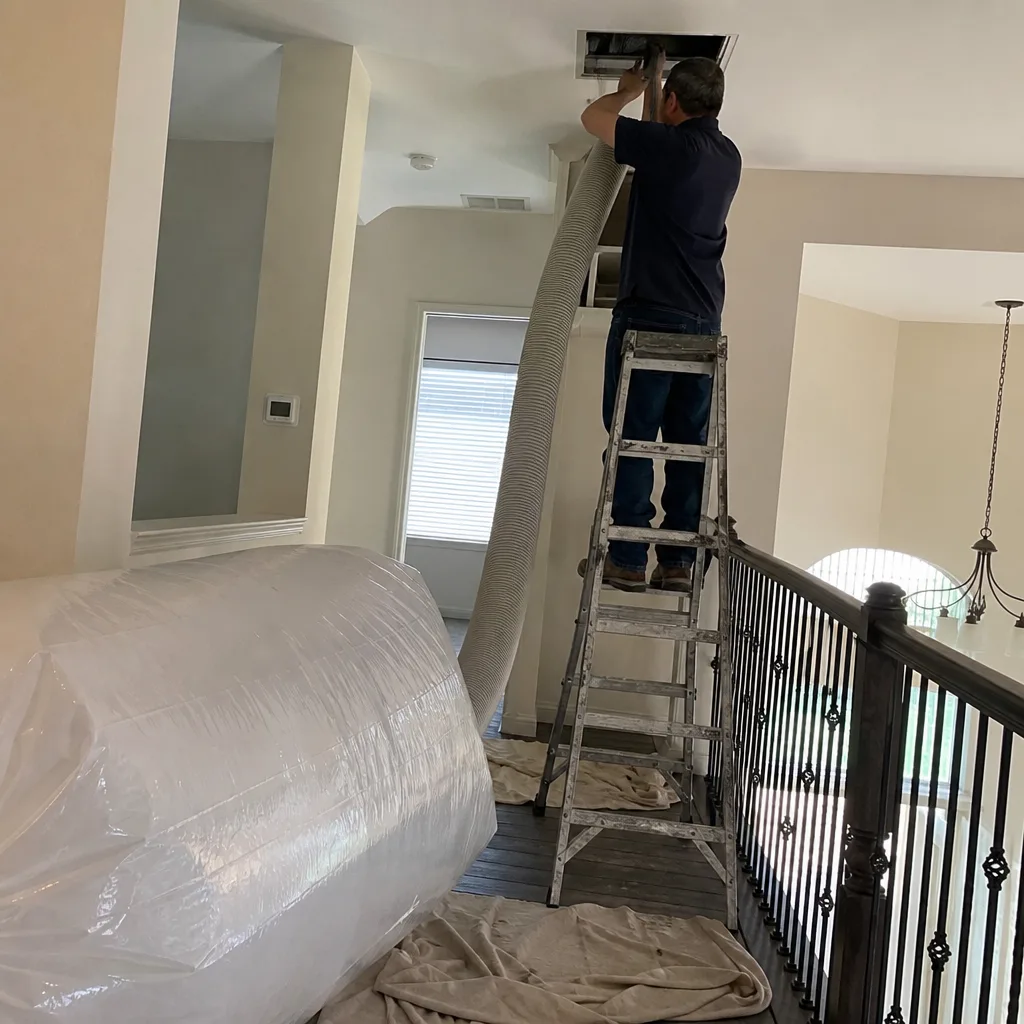
This distinction determines whether your invoice reflects $400-800 for cleaning or $1,500-4,000 for repair. Misidentifying the problem is the most expensive mistake homeowners make.
| Symptom | Indicates Cleaning | Indicates Repair |
|---|---|---|
| Visible debris at registers | Yes: dust, hair, construction residue | No |
| Weak airflow at single register | Sometimes: blockage in that duct run | Often: disconnected or crushed duct |
| Weak airflow at all registers | Rarely: severe system-wide contamination | Usually: blower or duct leakage issue |
| Uneven temperatures, normal airflow | No | Yes: duct leakage to unconditioned space |
| Filter loading faster than 45 days | No | Yes: return duct leakage bypassing filter |
| Musty odor when system cycles | Sometimes: organic debris in ducts | Often: mold in plenum or coil pan |
| Energy increase 15%+ above baseline | Rarely | Usually: leakage or coil fouling |
Cleaning addresses contamination inside intact ductwork. Repair addresses structural failures: separated joints, crushed flex duct, corroded plenums, or improperly sized runs. A technician who proposes cleaning for a symptom that indicates repair is either uninformed or selling what they have.
At CleanRun, we separate these assessments. Our written scope under Haven Standard Clause 1 specifies whether we are proposing cleaning, repair, or both, with distinct pricing for each. A homeowner should never pay for cleaning and discover later that leakage was the actual problem.
Warning Signs That Are NOT Legitimate Reasons to Clean
The industry runs on manufactured concern. These observations are normal and do not indicate duct cleaning is needed.
- Faint dust at register edges. This is air turbulence deposition, not duct contamination. Wipe it quarterly. It returns because air moves, not because your ducts are “filled with dust.”
- A single dark filter after 90 days. Filters are designed to load. A dark filter has done its job. Replace it. The darkness proves filtration worked, not that ducts are dirty.
- Visible dust on furniture. Indoor dust sources (skin cells, textile fiber, pet dander) exceed duct contribution by an order of magnitude. Your ducts did not create the dust on your coffee table.
- “You haven’t had them cleaned in X years.” Time alone is not a warning sign. We have inspected 15-year-old duct systems with minimal accumulation and 3-year-old systems with severe contamination due to construction or rodent activity. The condition matters; the calendar does not.
- A technician’s verbal claim without photographic evidence. Any contamination a technician describes should be photographable. If they will not or cannot show you, the evidence does not meet the standard that CleanRun applies on every job.
- Static pressure readings without context. Elevated static pressure can indicate a dirty filter, closed damper, or undersized ductwork. It does not, by itself, prove duct contamination. Demand the specific cause, not the number.
- “Your ducts are making you sick.” This is unprovable in a residential setting. Duct cleaning can reduce particulate load; it does not treat illness. Any health claim should be treated as a sales tactic, not a diagnostic conclusion.
How to Inspect Your Own Ductwork: A Step-by-Step Method
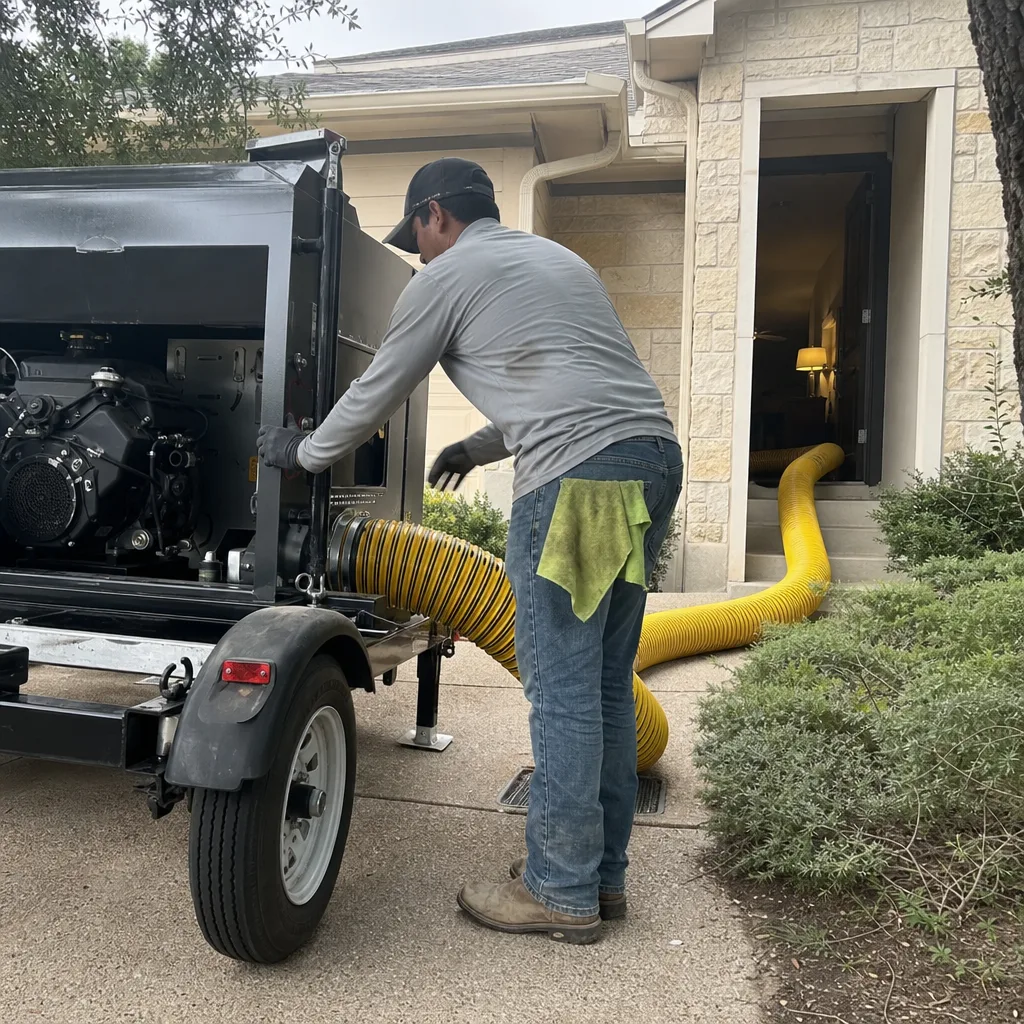
You do not need specialized equipment to perform a preliminary inspection that rivals what many technicians offer. You need a flashlight, a smartphone camera, and a mirror on an extension handle.
Step 1: Document Your Registers
Remove one supply grille and one return grille. Photograph the duct opening from multiple angles with your flashlight aimed down the run. Note:
- Color and texture of visible surfaces
- Depth of any accumulation (use a ruler or coin for scale)
- Presence of irregular spotting (possible mold) vs. uniform coating (dust)
Step 2: Inspect the Filter Slot
Remove the filter and photograph the blower side of the filter frame and the visible return plenum behind it. Heavy loading on the blower side indicates return leakage; loading on the grille side indicates normal operation.
Step 3: Check the Condensate Pan and Coil (If Accessible)
At the air handler, open the access panel and photograph the evaporator coil and drain pan. Mold in the pan or on the coil produces musty odors that distribute through ducts but originate in the air handler. This is an HVAC maintenance issue, not a duct cleaning issue.
Step 4: Perform the Tissue Test
Hold a single tissue at each supply register with the system running. Note which registers have noticeably weaker airflow. Map these locations to your floor plan. Clustered weak registers suggest a main trunk blockage; isolated weak registers suggest a single duct run problem.
Step 5: Compile Your Evidence
Your photographs and notes now constitute an objective record. When you contact HVAC Cleaning in Austin services, you can describe specific findings rather than general concerns. Any technician who dismisses your documentation or claims they “need to see it themselves” before quoting is avoiding the transparency that a written price requires.
Timeline: When Each Sign Becomes Urgent
Not all warning signs demand immediate action; find more guides & resources on our blog. This timeline prioritizes based on system risk and health impact.
| Sign | Observe | Schedule | Urgent |
|---|---|---|---|
| Dust ring >1/4 inch at grilles | Document quarterly | Within 90 days | If airflow reduced |
| Visible mold growth | Photograph immediately | Within 14 days | Yes: spore proliferation |
| Rodent debris or odor | Locate source duct run | Within 7 days | Yes: contamination + breach |
| Filter loading <45 days | Track 3 changes | After pattern confirmed | If energy bills rise |
| Energy increase 15%+ | Verify vs. weather data | Within 30 days | If trend continues |
| Uneven room temperatures | Tissue test all registers | Within 60 days | If comfort critical |
| Post-renovation dust | Inspect within 30 days of completion | Within 90 days | If respiratory symptoms |
| Wildfire smoke exposure | Check filters and grilles | Within 60 days of event | If odor persists |
What Documentation You Should Demand
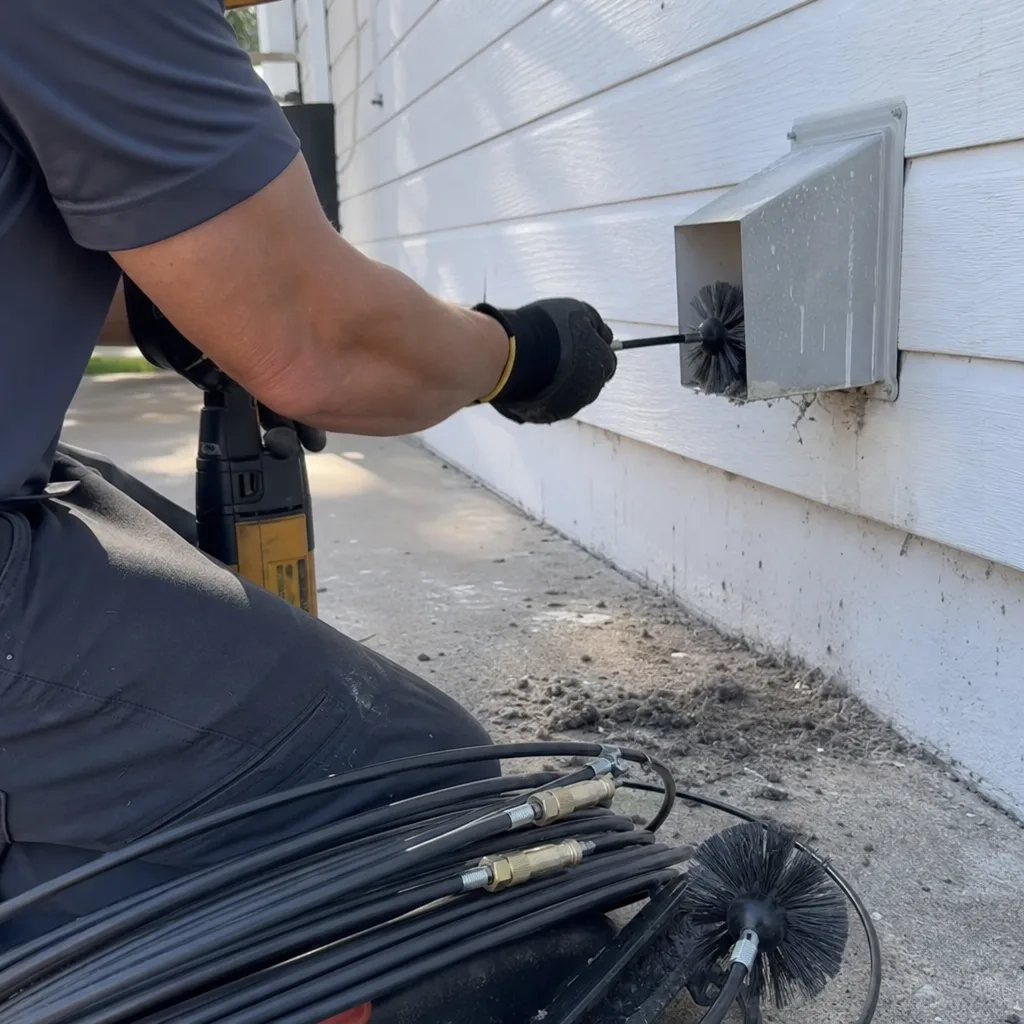
The gap between promised and delivered work is the industry’s central failure. These documents close it.
Written scope and price before work starts. Haven Standard Clause 1 requires this. The scope should specify: number of duct runs to be cleaned, equipment to be used (we operate Rotobrush, Nikro, and Abatement Technologies systems), and any repair work distinguished from cleaning. The price should be a flat rate per system, not per vent. Per-vent pricing invites inflation.
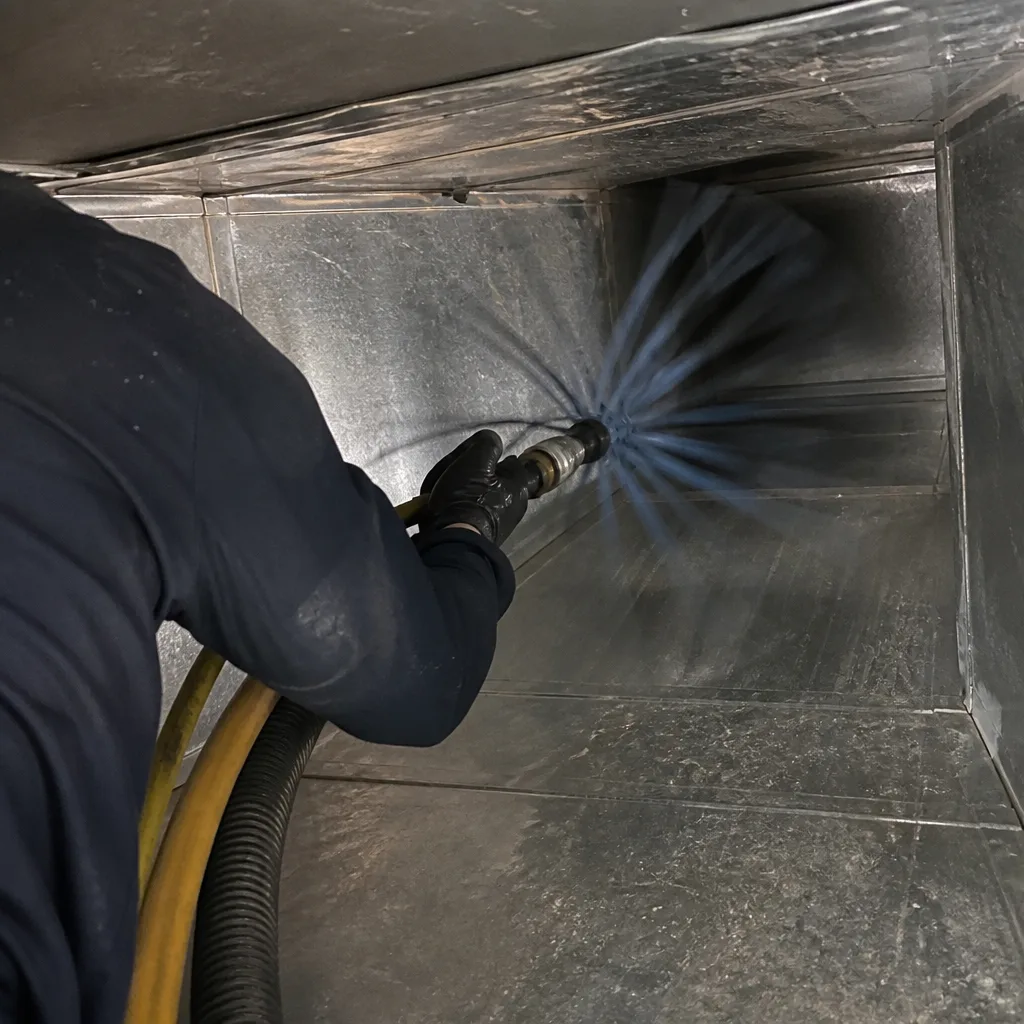
Before-and-after photographic record. Every duct run, photographed at the access point, with timestamp. CleanRun has delivered this as standard since 2013; it is not an upgrade. The photos should show the interior surface of the duct, not just the register opening.
Written warranty. Our 365-Day Done Right Promise is backed in writing on every job, not stated in marketing copy alone. It specifies what constitutes “done right” and the remediation process if the standard is not met.
Equipment verification. Professional-grade negative-pressure extraction systems from recognized manufacturers (Honeywell, Aprilaire, Guardsman, and others named in this guide) should be verifiable. A shop vacuum with a brush attachment is not duct cleaning equipment.
Common Mistakes to Avoid
- Booking based on a coupon price. The $79 duct cleaning special in Austin invariably becomes a $600+ invoice once the technician “discovers” additional vents, mold, or “heavy contamination.” A written flat price before work starts eliminates this trajectory entirely.
- Confusing duct cleaning with duct sealing. Aeroseal and similar sealing services address leakage, not contamination. They are valuable for energy efficiency but do not remove debris. Do not pay for one expecting the other.
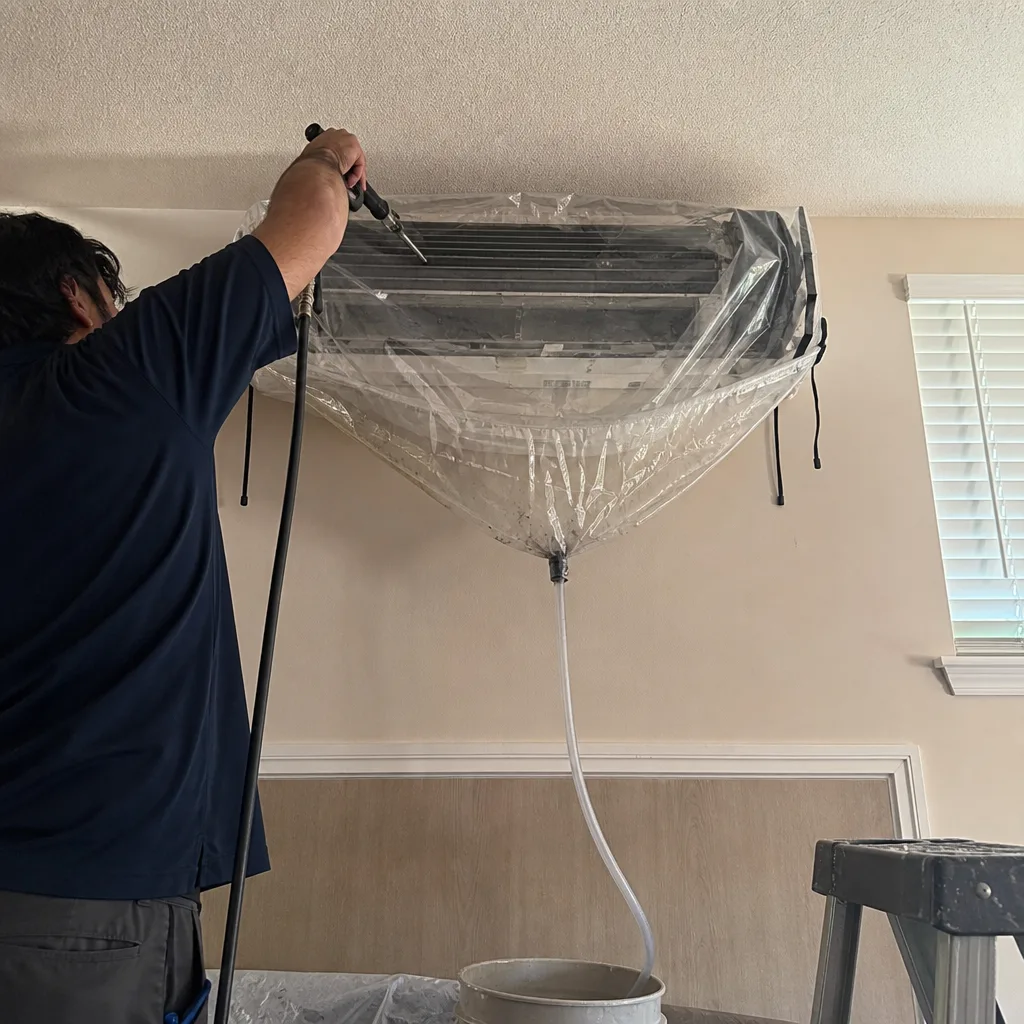
- Ignoring the air handler. The evaporator coil, blower wheel, and drain pan are integral to system hygiene. A duct cleaning that does not address these components leaves the primary contamination sources untouched. Verify whether your quote includes HVAC cleaning or ducts only.
- Accepting “mold” without lab confirmation. Dark dust is frequently misidentified as mold. If mold is claimed, demand the specific species and concentration. Remediation protocols vary by mold type; generic treatment suggests generic knowledge.
- Scheduling cleaning after rodent activity without sealing entry points. The debris will return. Rodent exclusion is a separate trade, but any duct cleaning after rodent habitation should include identification of the breach point and recommendation for repair.
- Assuming new homes are clean. Construction debris in new Austin homes is severe: drywall dust, wood chips, insulation fragments, and worker debris. We have documented 2-inch accumulations in homes never occupied. The “new home smell” is often off-gassing from construction materials trapped in ductwork.
- Using the wrong filter after cleaning. A thoroughly cleaned system with a MERV 8 filter recontaminates faster than one with MERV 11-13 filtration. The cleaning investment is partially wasted if filtration is not upgraded to match.
When to Call a Professional
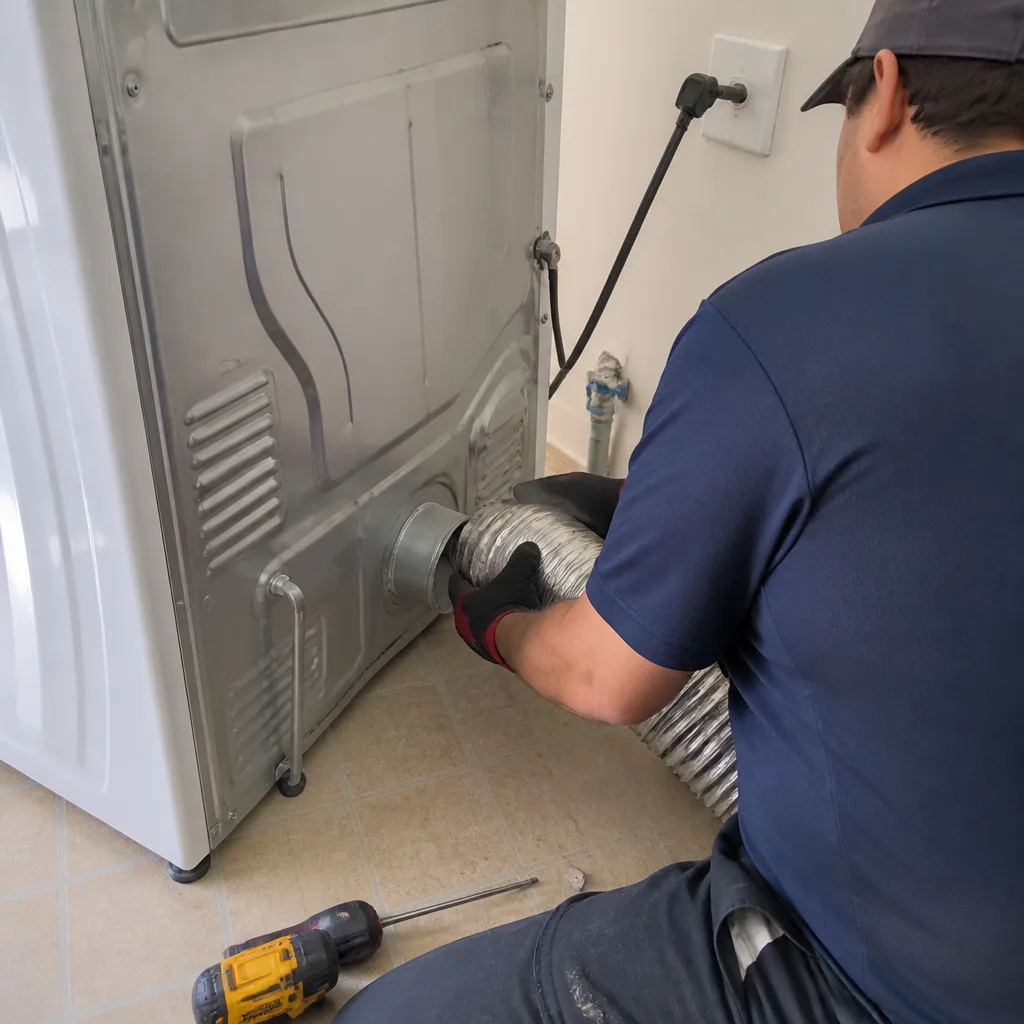
Call when you have documented evidence that exceeds the thresholds in this guide: mold that photographs as irregular growth, not dark dust; rodent debris that localizes to a specific duct run; energy increases verified against your baseline; or post-renovation dust accumulation you can measure. Do not call because a calendar says you should, because a coupon arrived, or because a technician pointed a flashlight and used the word “hazard.”
CleanRun Air Duct Cleaning Austin offers free estimates in Austin. We will review your documentation, perform our own inspection with photographic verification, and deliver a written price before any work begins. Call (737) 243-9544. If you have a competitor’s written estimate, we provide a Free Second Opinion under the H.A.V.E.N. Standard, with our number next to theirs for direct comparison.
Frequently Asked Questions
Whole-system air duct cleaning in Austin typically ranges from $400 to $800 for a single HVAC system in a home up to 3,500 square feet, depending on accessibility, contamination level, and whether the air handler components are included. Prices below $300 generally indicate per-vent pricing that inflates on arrival or equipment insufficient for negative-pressure extraction. CleanRun quotes one flat price per system under Haven Standard Clause 1, agreed in writing before work starts. Call (737) 243-9544 for an exact quote based on your home’s specific layout and documented condition.
Low quotes rely on three revenue mechanisms: per-vent pricing that multiplies the base rate, upselling “mold” or “heavy contamination” on arrival, and equipment that is essentially a shop vacuum with marketing. A legitimate quote specifies the number of duct runs, the equipment to be used, and a flat system price. If a company will not put this in writing before scheduling, the quoted price is not the price you will pay. CleanRun has operated since 2013 with written pricing on every job; we have never used per-vent or teaser pricing.
Demand a timestamped photographic record of every duct run, before and after, delivered as part of the job record. Verbal assurance or a post-service “all clear” without images is unverifiable. CleanRun’s Documented Photo Record on Every Visit has been standard practice since our first job; the images are delivered to the customer, not retained only for internal use. If your technician cannot show you what was inside your ducts, you cannot know what was removed.
There is no universal interval. Homes with no pets, no recent construction, standard filtration, and no environmental events may maintain acceptable duct condition indefinitely. Homes with pets, recent renovation, proximity to construction, or wildfire smoke exposure may need cleaning every 2-4 years. The correct interval is determined by inspection and documentation, not calendar rotation. We recommend photographing your registers annually and cleaning when measurable accumulation exceeds the thresholds described in this guide.
Surface cleaning of registers and visible duct openings is safe homeowner maintenance. Internal duct runs require negative-pressure extraction equipment and access tools that are not available for residential rental. More critically, ductwork in Austin homes often runs through attics that reach 140+ degrees in summer; the physical risk and fall hazard outweigh any cost savings. For documented, safe cleaning that preserves your warranty and provides photographic verification, professional service is the practical choice.
Austin’s specific climate factors create localized risks: high summer attic temperatures accelerate flex duct degradation and joint separation; humid shoulder seasons promote condensation and mold in poorly insulated plenums; and rapid construction in surrounding corridors generates particulate loads that exceed filtration capacity. These factors do not make cleaning universally necessary, but they accelerate the timeline for homes in affected conditions. Annual inspection is prudent in this environment; automatic cleaning is not.
The Bottom Line
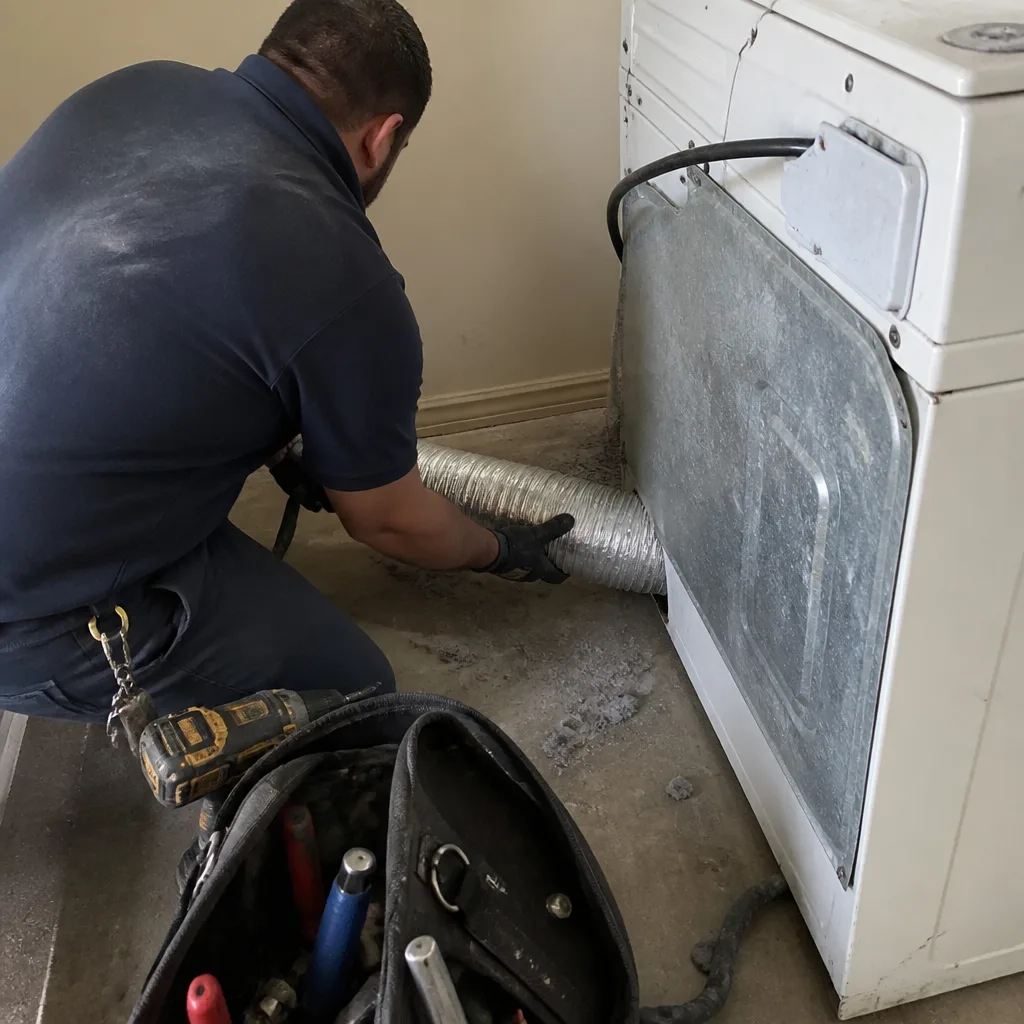
Every warning sign in this guide can be verified before a technician arrives. The dust ring at your grille has a measurable depth. Your energy bill has a documented baseline. Your filter change log has a pattern. When you approach duct maintenance with this evidence, you transform from a sales target into an informed customer who can distinguish legitimate service from manufactured concern.
The industry built on $79 coupons and flashlight theater depends on your uncertainty. The alternative is documented, written, and photographed: a scope you approve, a price that does not change, and a record that proves what was done. That is the standard CleanRun has applied across 52,000 homes since 2013, and it is available to any Austin homeowner who demands it.
Written by Tomas Reyes, Owner at CleanRun Air Duct Cleaning Austin, serving Austin since 2013.