
Last updated September 23, 2026
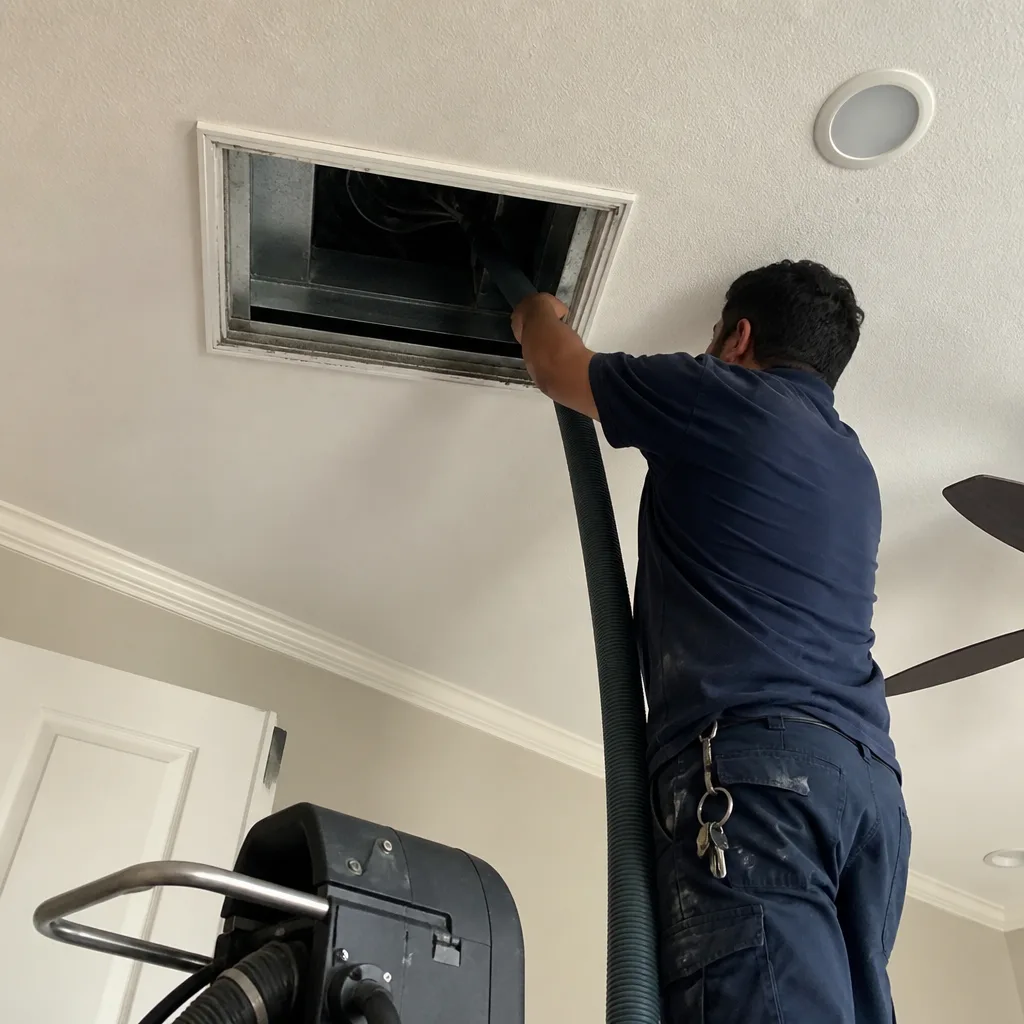
Whole-system duct and dryer vent check with before-and-after photos - you see exactly what came out of your vents
That "$99 whole-house special" is a bait ad - the real number appears once they are in your hallway, or the "clean" is a shop-vac at the register. We photograph the inside of your ducts before and after instead.
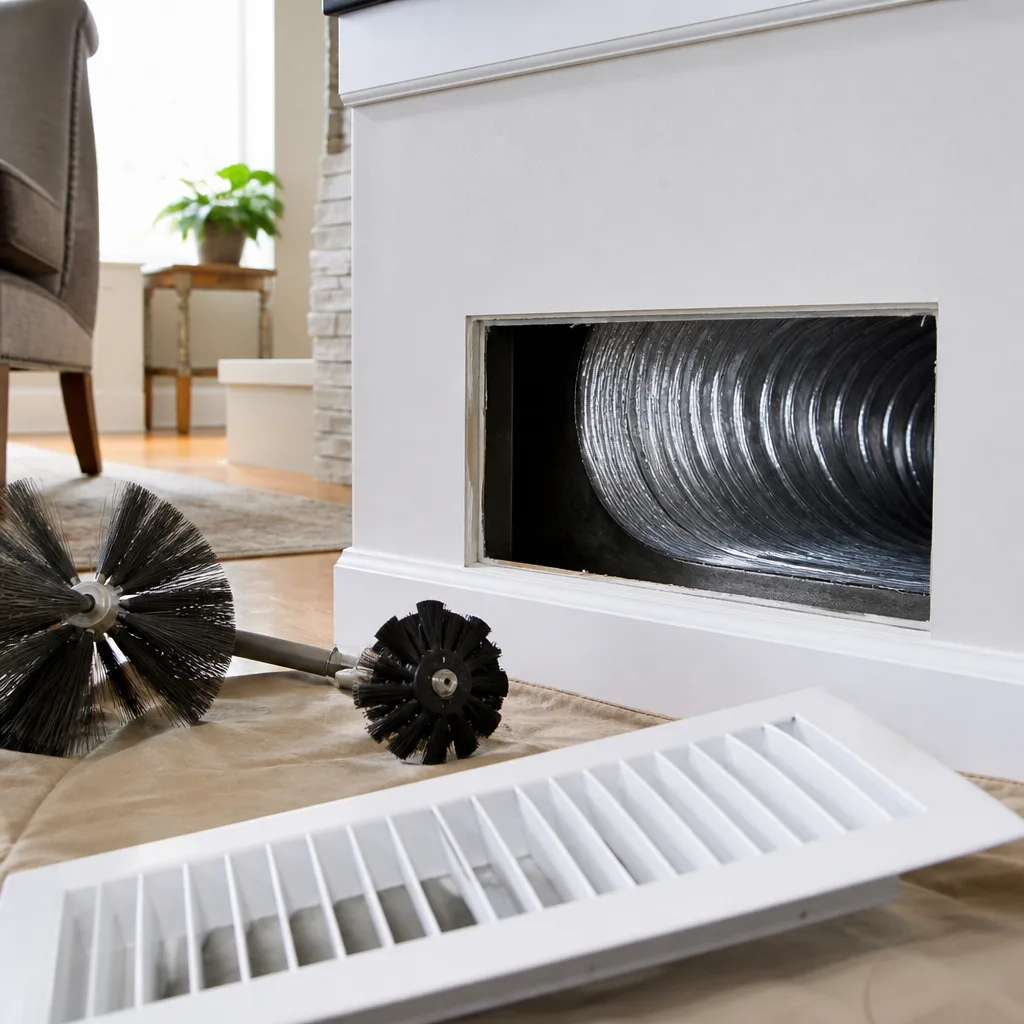
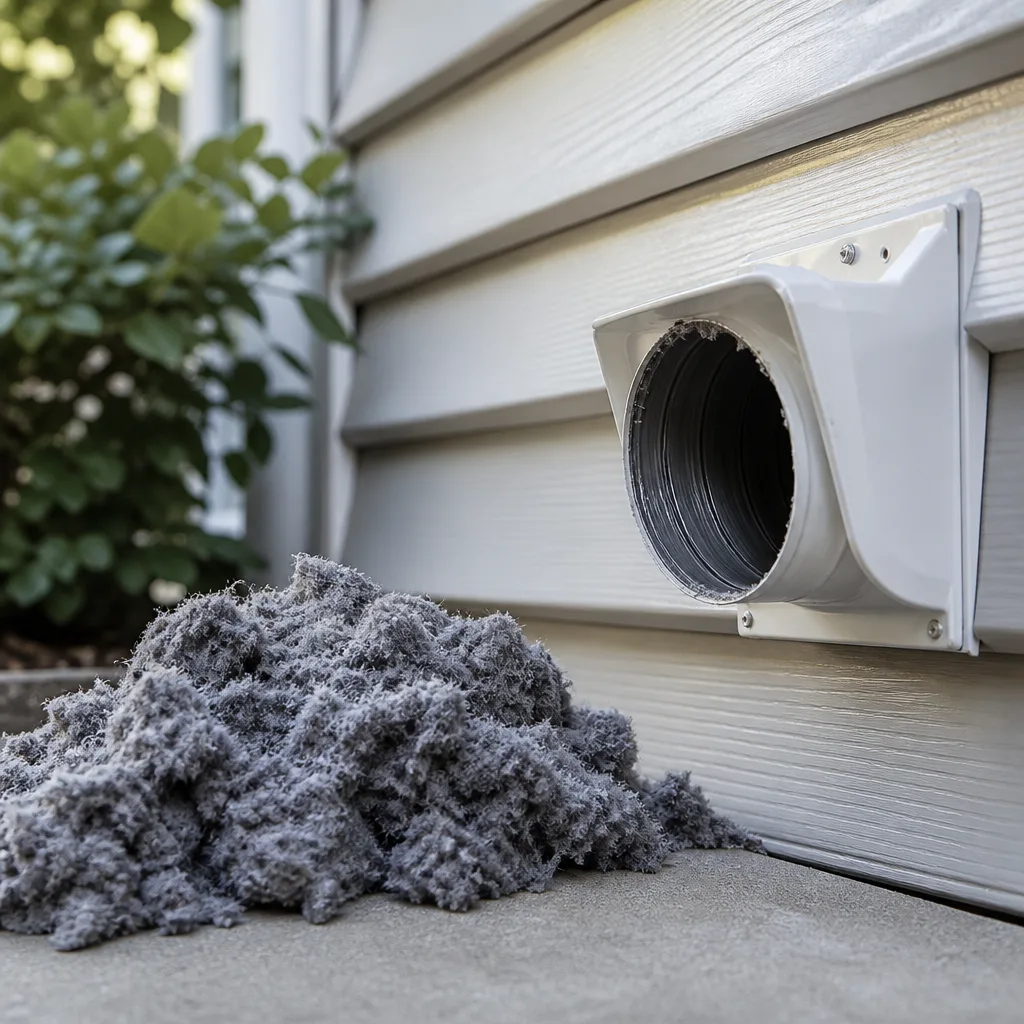
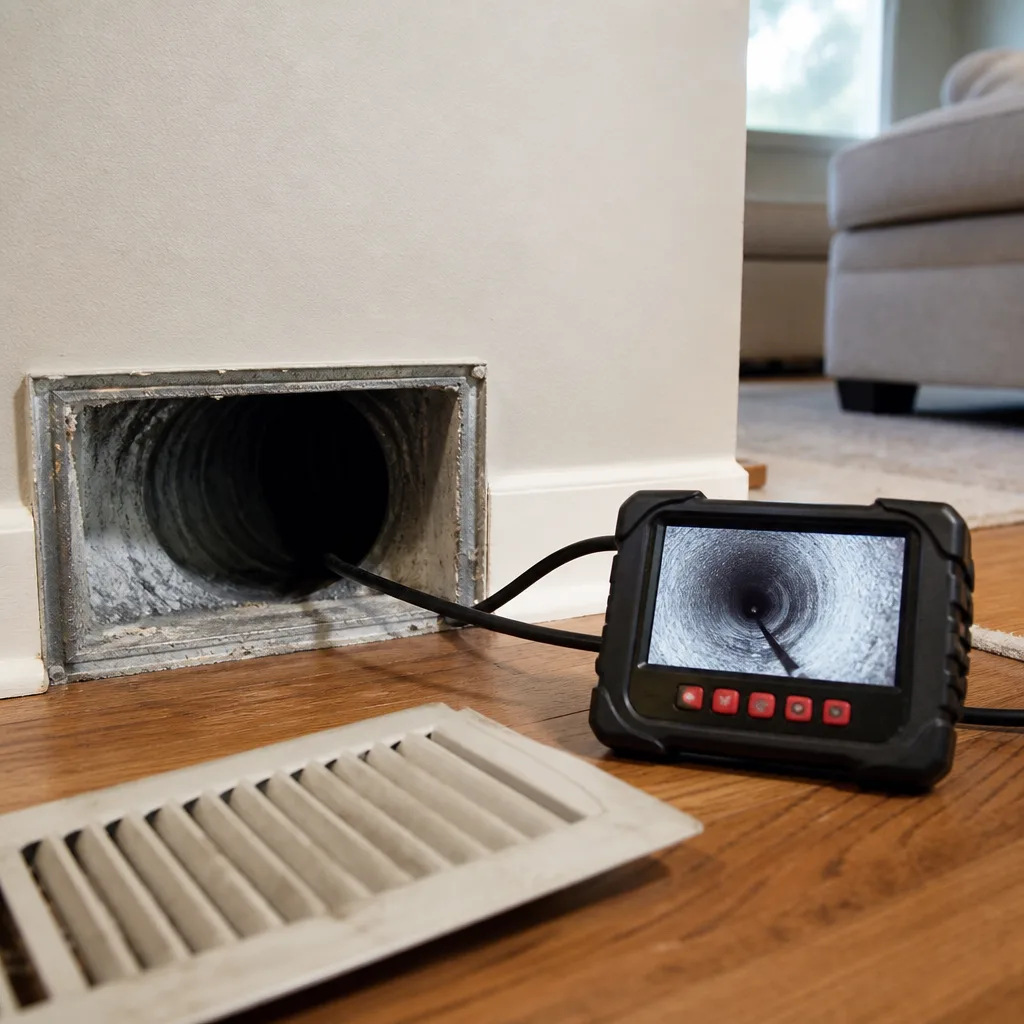
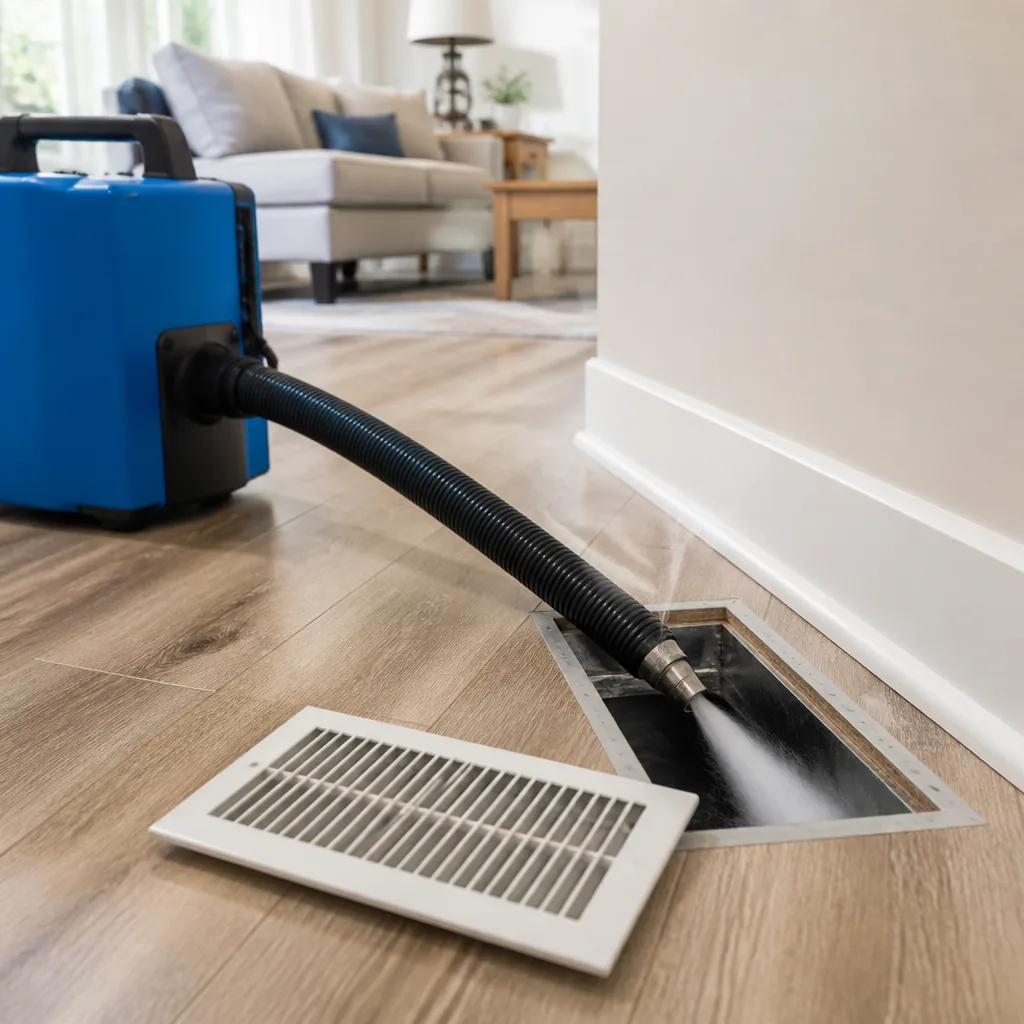
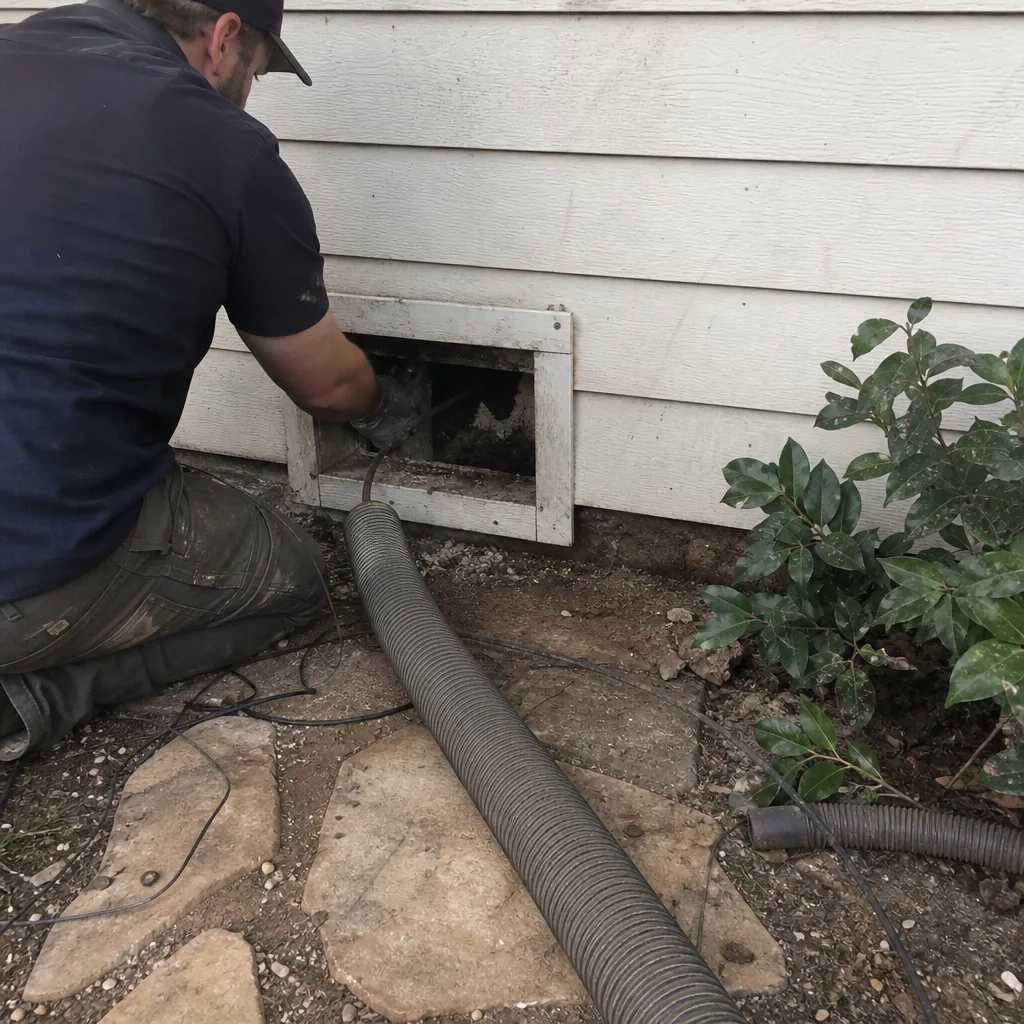 Before
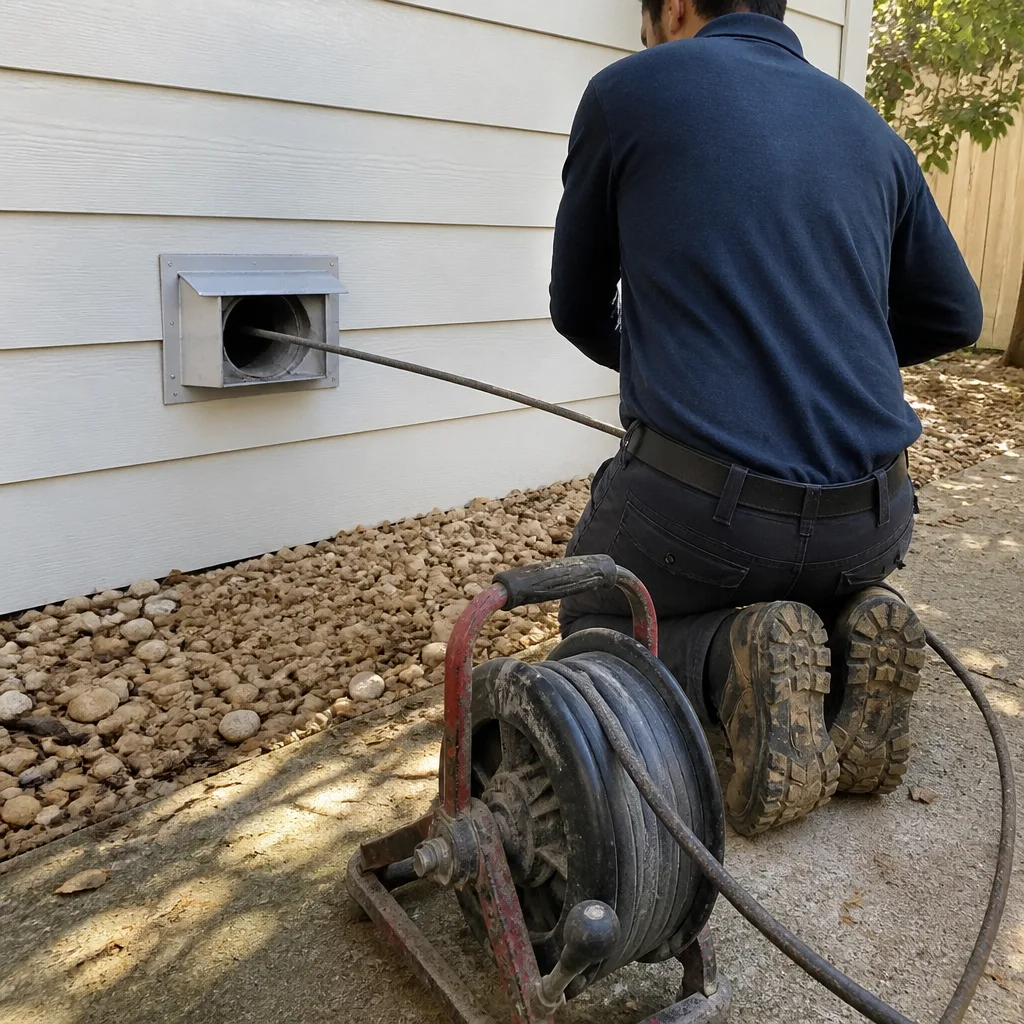 After
After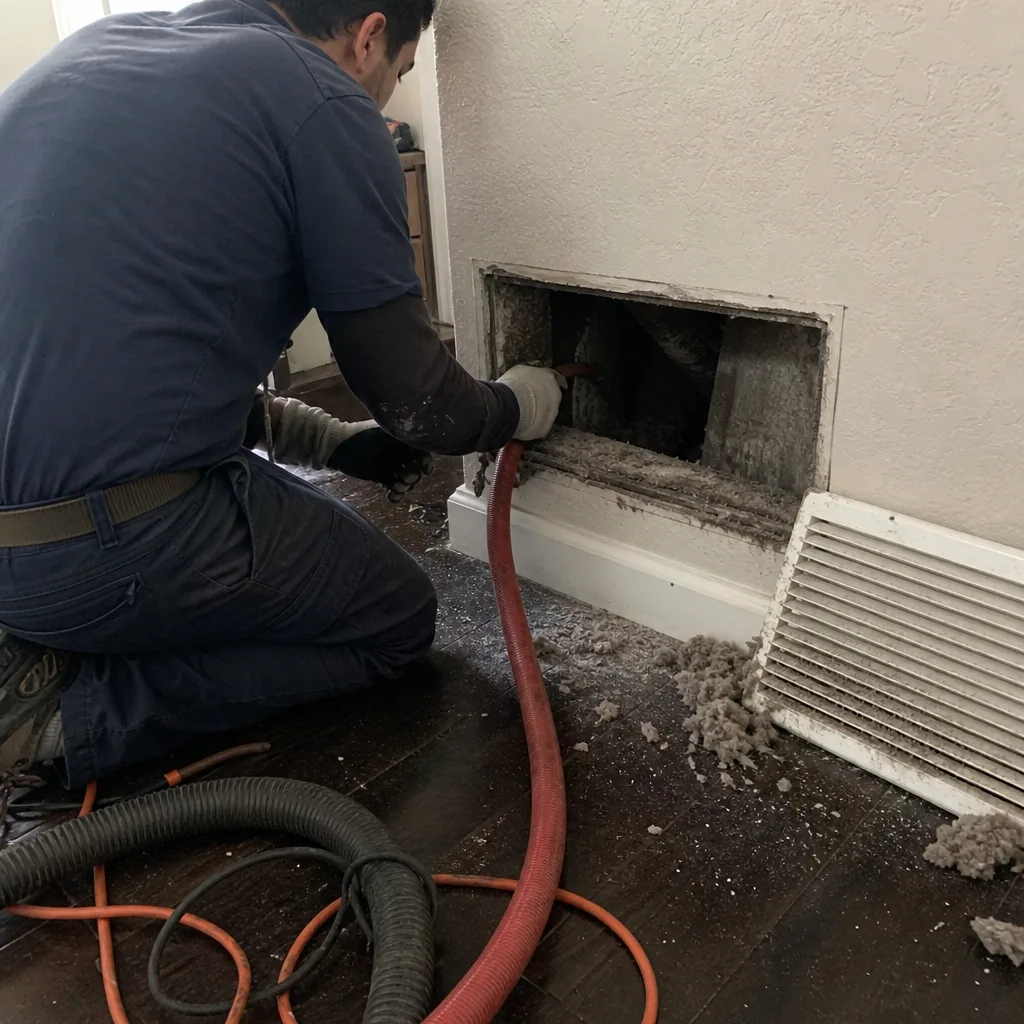 Before
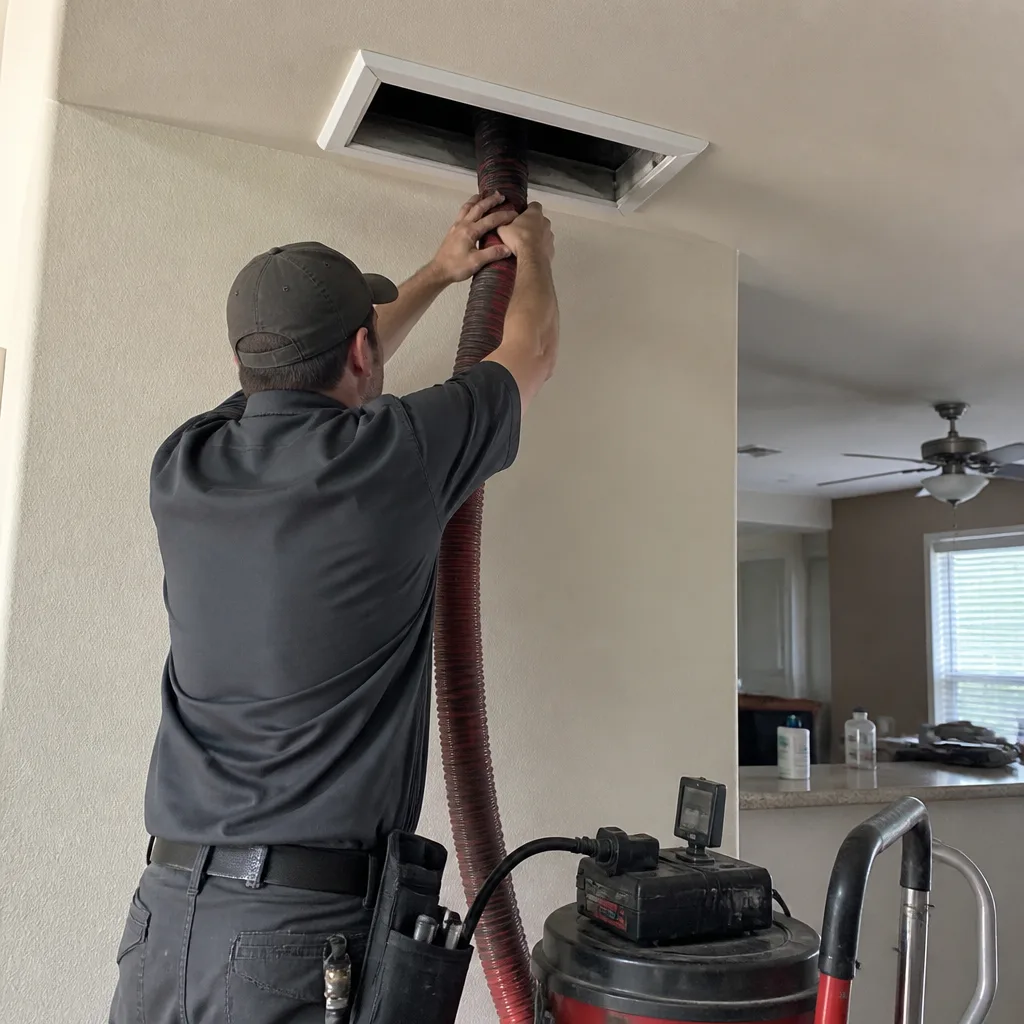 After
After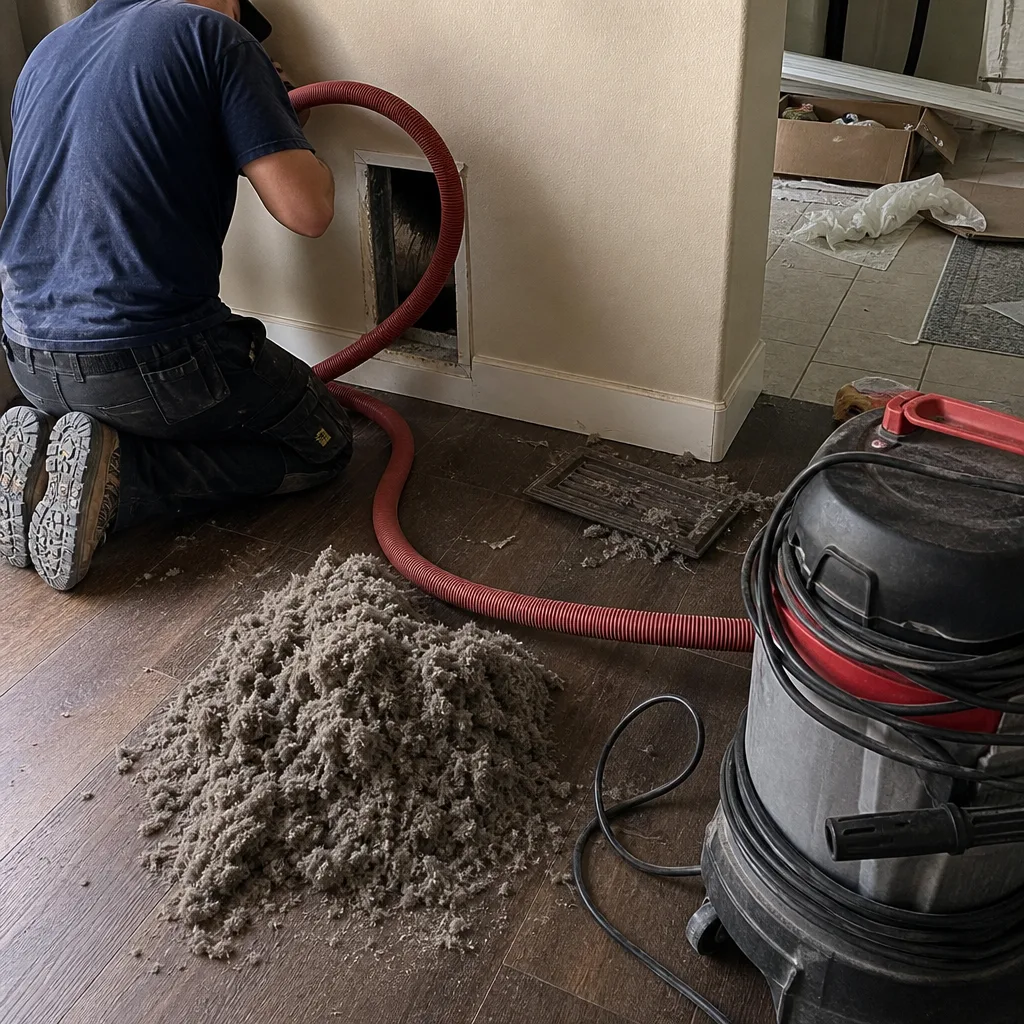 Before
 After
AfterAir Duct Cleaning Permits, Codes & Inspections in TX: What You Need to Know
If a duct cleaning company replaces a collapsed flex duct section in your Austin home without pulling a mechanical permit, you may have an unrecorded modification that surfaces during a home inspection at resale. This is not a hypothetical scenario. In 2023, a Barton Hills seller we spoke with had to delay closing for eleven days while a registered mechanical contractor pulled a retroactive permit for a “simple” duct repair done two years prior by a cleaning company that did not hold the proper license. This guide draws the line between cleaning and construction, explains exactly when Texas law requires a permit, and shows how to verify that any contractor crossing that line is qualified to do so. For more background, see our Complete Guide to Air Duct Cleaning in Austin.
Quick Answer
Our Air Duct Cleaning services involve debris removal from existing ductwork without altering the system, which requires no permit in Texas. The moment a technician repairs, replaces, or modifies any duct section, plenum, or air handler connection, the work falls under the 2021 International Mechanical Code as adopted by Texas and may require a mechanical permit and inspection through your local building department or Austin Energy. Homeowners should ask whether bundled “cleaning and repair” quotes include permit costs and verify the contractor holds either a Texas HVAC Technician license or Registered Mechanical Contractor registration.
Table of Contents
- Duct Cleaning vs. Duct Repair: Where the Permit Line Is Drawn
- What the Texas Mechanical Code Actually Requires
- Austin Energy’s Role in Duct Inspections
- Contractor License Classes in Texas: What to Verify
- How Unpermitted Duct Work Surfaces at Resale
- What Homeowners Should Ask Before Signing
- Permit Costs and Remediation in Austin’s Market
- How CleanRun Handles the Cleaning-Repair Boundary
BeforeAfterDuct Cleaning vs. Duct Repair: Where the Permit Line Is Drawn
Texas law distinguishes between maintenance and modification, and the distinction matters more than most homeowners realize. Understanding which side of the line your job falls on determines whether you need a permit, what contractor qualifications apply, and whether the work will appear in municipal records.
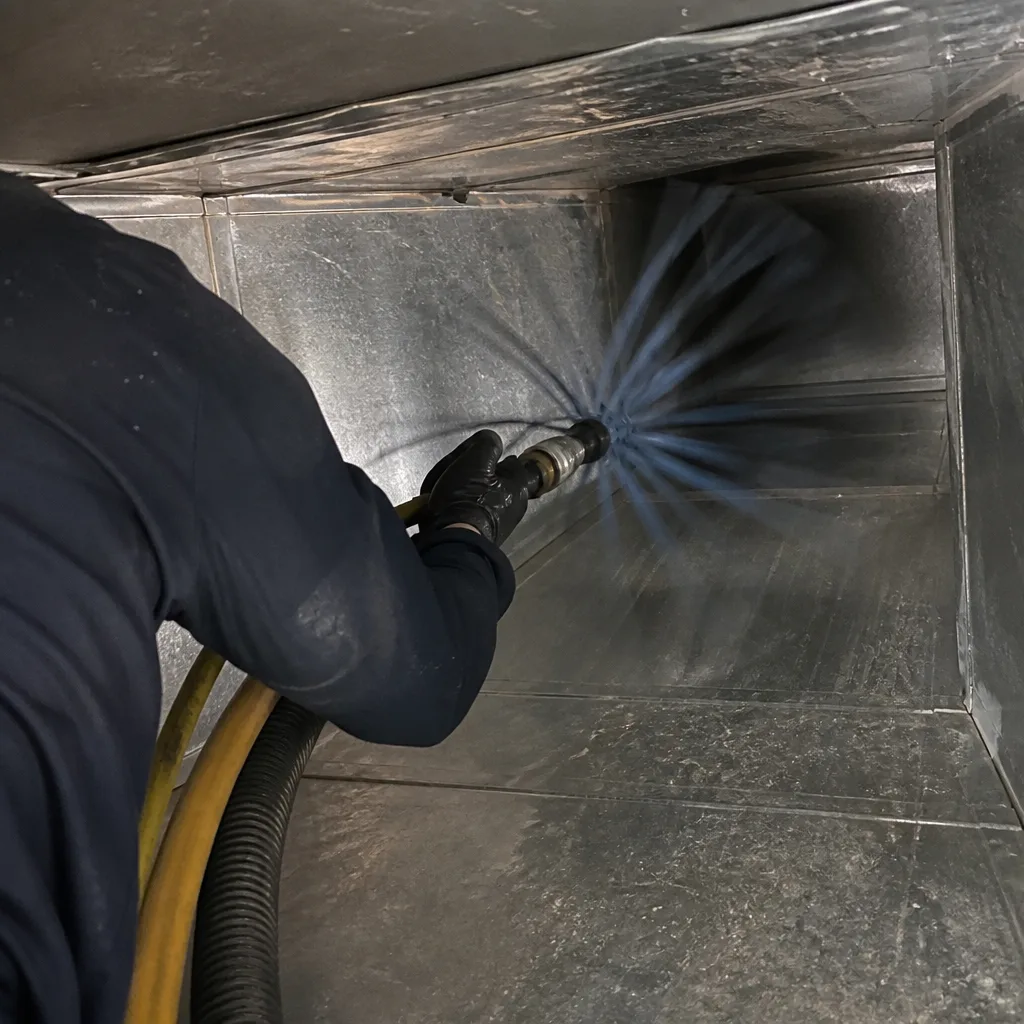
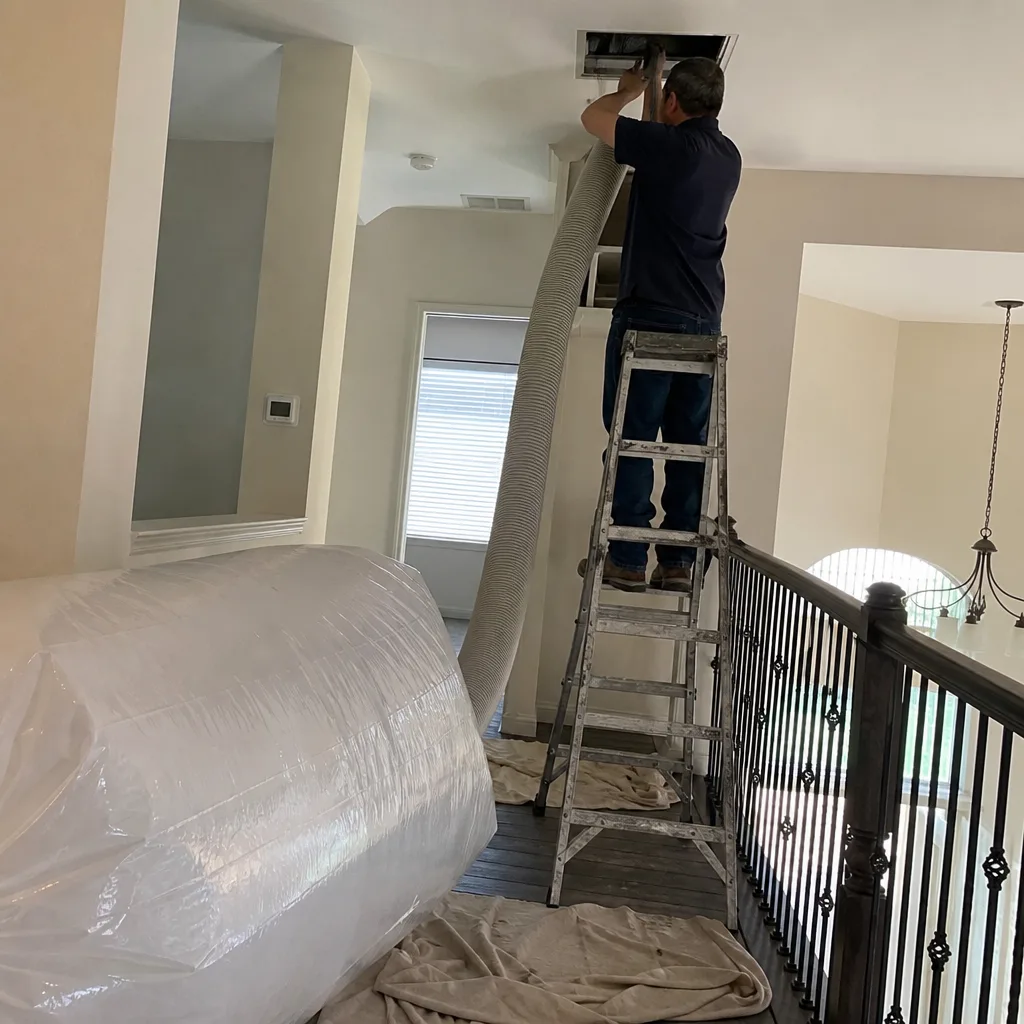
Duct cleaning, in its pure form, is maintenance. It involves debris removal from existing duct runs (the individual pathways that carry conditioned air from the plenum to each room) using negative-pressure extraction (vacuum systems that pull contaminants out while the ductwork remains sealed) or mechanical agitation. The technician does not cut, splice, replace, or reconfigure anything. No permit required. No inspection triggered.
Duct repair crosses into construction. Examples that require a mechanical permit under the Texas Administrative Code include:
- Replacing a section of collapsed or rodent-damaged flex duct with new material
- Installing a new supply branch (an additional duct run) to serve a converted garage or finished basement in a Tarrytown bungalow
- Modifying the plenum connection (the central distribution box attached to your air handler) to accommodate a new HVAC system
- Sealing duct joints with mastic or tape in a way that alters the original design airflow - this last point surprises many homeowners
Here’s where Austin’s climate creates practical confusion. Our extended cooling season means flex duct in attics degrades faster than in cooler regions. A cleaning technician in Circle C Ranch or Mueller Development may discover a separated duct run while photographing the system interior-one of the Air Duct Cleaning Warning Signs every Austin homeowner should know. The homeowner, understandably, wants it fixed during the same visit. If the technician obliges without proper licensing and permitting, both parties risk future complications.
At CleanRun Air Duct Cleaning Austin home, we document everything we find with before-and-after photography. When our camera shows a separated joint or collapsed section, we explain the finding, provide a written scope that separates cleaning from repair, and, if repair is needed, connect the homeowner with a properly licensed partner or advise them on permit requirements. Haven Standard Clause 1 - Written Price Before Any Work Starts - applies to cleaning only; repair work is never bundled into a cleaning quote without explicit disclosure of the permit status.
What the Texas Mechanical Code Actually Requires
Texas adopts the International Mechanical Code (IMC) with state amendments. The 2021 edition, currently in effect, governs all mechanical systems including heating, ventilation, and air conditioning ductwork. Understanding which sections apply to residential ductwork helps homeowners evaluate contractor claims.
Section 301.2 requires permits for “the installation, alteration, repair, replacement, or modification of any mechanical system.” The key word is “alteration.” Cleaning does not alter the system. Replacing a duct run does.
Section 603 covers duct construction and installation. It specifies materials, sealing requirements, and support spacing. Any new duct material must meet these standards, and inspection verifies compliance.
Section 903 addresses insulation. In Austin’s climate, uninsulated or poorly insulated attic ductwork loses significant cooling efficiency. New or replacement duct in unconditioned spaces must carry R-6 insulation minimum, rising to R-8 in some jurisdictions.
The permitting process typically works as follows:
- Homeowner or contractor submits application to the local building department - in Austin, this is the Development Services Department (DSD)
- Plans or scope description is reviewed for code compliance; simple residential duct repair may qualify for over-the-counter review
- Permit fee is paid; for residential mechanical permits in Austin, this typically runs $100-$250 depending on project scope
- Work is performed by a licensed contractor
- Inspection is scheduled; for duct repair, this is usually a rough inspection if accessible, or final if the work is visible and testable
- Permit is finalized and closed, creating a permanent record
Some Texas municipalities delegate residential mechanical inspection to third parties or, in Austin’s case, coordinate with Austin Energy for efficiency-related verification. The permit itself remains a municipal document, searchable in public records.
Homeowners in Travis County’s unincorporated areas fall under Travis County Development Services, which follows the same state-adopted code but with its own fee schedule and inspection scheduling. The principle remains identical: cleaning needs no permit, repair does.
Austin Energy’s Role in Duct Inspections
Austin Energy, the municipal electric utility, maintains programs that intersect with ductwork integrity in ways that surprise many homeowners. While Austin Energy does not issue mechanical permits, its efficiency programs and rebate structures create inspection touchpoints that can reveal unpermitted modifications.
The Home Performance with ENERGY STAR Program offers rebates for comprehensive efficiency improvements, including duct sealing and HVAC upgrades. Participation requires a pre- and post-work assessment by a certified auditor. During the pre-assessment, the auditor examines ductwork accessibility and condition. If they find new duct material that does not match the home’s original permit records, they may flag the discrepancy. This does not automatically trigger enforcement, but it creates documentation that can surface later.
Air conditioning rebate programs require that new systems be installed by licensed contractors with proper permits. If a homeowner replaces an HVAC system and the connected ductwork has been previously modified without permit, the installing contractor may refuse to connect to unverified ductwork or may require inspection before proceeding. We’ve seen this delay projects in Allandale and Rosedale by two to three weeks.
Commercial and multi-family properties face additional scrutiny. Austin Energy’s commercial efficiency programs require documented commissioning, which includes verification that duct modifications match permitted plans. Residential single-family homes are not subject to commissioning, but the documentation habits are spreading as energy code enforcement tightens.
The practical implication: even if unpermitted duct repair never triggers a building code enforcement action, it can complicate efficiency rebates, HVAC replacements, and home sales. The record gap matters.
For homeowners considering HVAC Cleaning in Austin, the distinction is worth noting. HVAC cleaning, like duct cleaning, is maintenance. But HVAC cleaning often reveals conditions that suggest repair needs, and the same permit logic applies to any resulting modification work.
Contractor License Classes in Texas: What to Verify
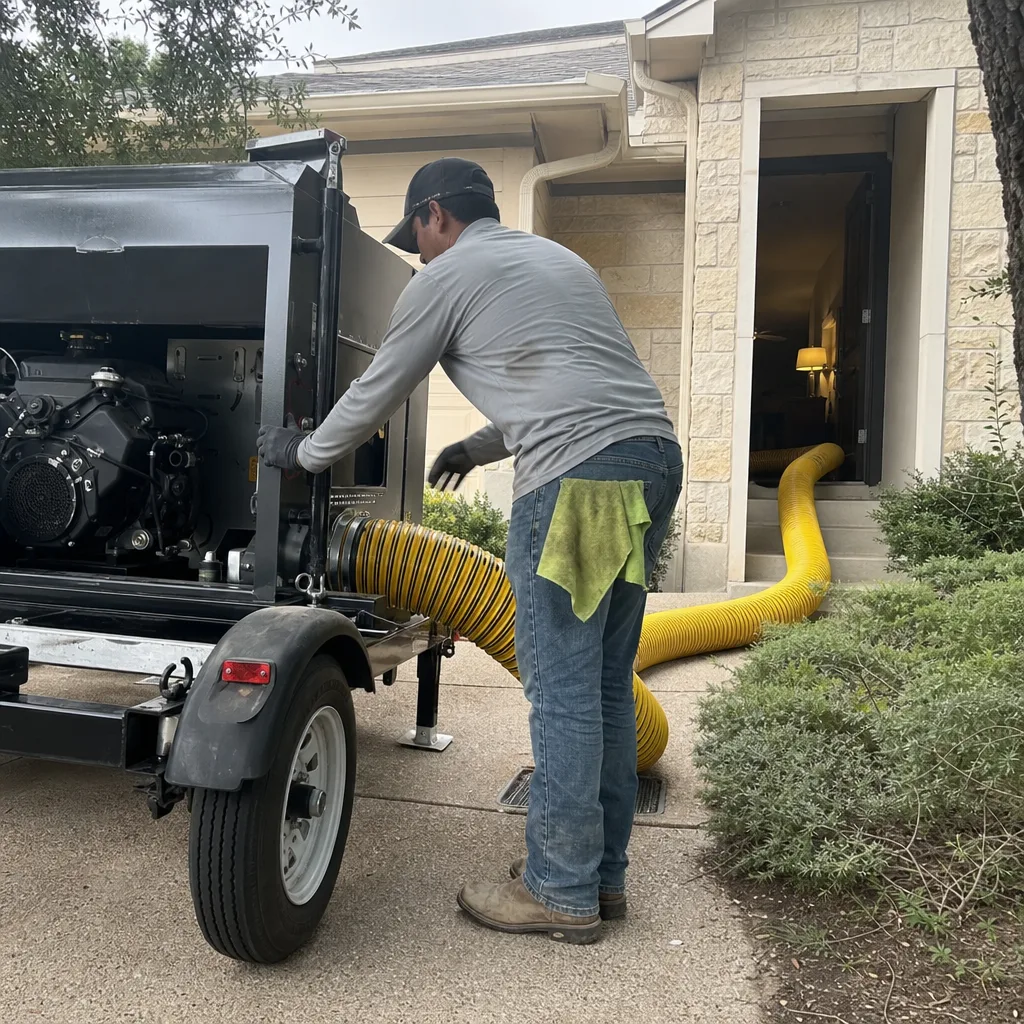
Texas licenses mechanical work at two levels relevant to residential ductwork. Homeowners should understand which level applies to their project and verify credentials before work begins.
Texas HVAC Technician License
Issued by the Texas Department of Licensing and Regulation (TDLR), this license allows individuals to perform HVAC installation, repair, and maintenance under the supervision of a licensed contractor. There are Class A (any size system) and Class B (systems up to 25 tons cooling, 1.5 million BTU heating) classifications. For residential duct repair, either class suffices. Technicians must carry their license card and display the number on advertising and contracts.
Registered Mechanical Contractor
This is the business-level registration, also through TDLR. A contractor holding this registration can pull permits, employ technicians, and take legal responsibility for code-compliant work. The registration number must appear on contracts and permit applications. Critically, a technician license alone does not authorize permit pulling; the contractor registration does.
What this means for duct cleaning customers:
- A duct cleaning company employing only technicians, with no contractor registration, cannot legally pull a mechanical permit
- If such a company offers “repair” as an add-on to cleaning, they must either subcontract to a registered contractor or operate in violation
- Homeowners can verify any license or registration at www.tdlr.texas.gov using the licensee lookup tool
- CleanRun publishes its license information and encourages verification; Haven Standard Clause 3: Verified Crews requires background-checked, properly credentialed technicians for any work we perform or coordinate
We have encountered competitors in the Austin market who hold cleaning business registrations (often as general contractors or simply as LLCs with no trade license) but lack mechanical contractor registration. They may perform competent cleaning with equipment from recognized brands like Rotobrush or Nikro. When they cross into repair, the legal foundation disappears. Ask directly: “Will this job require a permit, and if so, whose contractor registration will appear on the application?”
How Unpermitted Duct Work Surfaces at Resale
The most common and expensive discovery point for unpermitted duct modification is the pre-sale home inspection. In Austin’s competitive market, where homes in Zilker, Bouldin Creek, and East Austin frequently draw multiple offers, inspection findings can derail timelines or trigger renegotiation.
The inspection process:
- Buyer’s inspector examines visible HVAC components, including attic ductwork where accessible
- Inspector notes new or inconsistent duct material, unsupported flex runs, or missing insulation
- Inspector checks municipal permit history online or requests a permit search from the seller
- If no permit exists for visible modifications, the finding appears in the inspection report as “unpermitted work”
- Lender or insurer may require permit resolution before closing; cash buyers may waive this, but the disclosure obligation remains
Typical remediation paths:
- Retroactive permit: A registered contractor examines the work, pulls a permit, and schedules inspection. If the work meets code, the permit closes. Cost: $400-$1,200 in Austin’s current market, depending on accessibility and extent. Timeline: 1-3 weeks.
- Remove and replace with permitted work: Required if the unpermitted work fails inspection. Cost: $800-$2,500, depending on duct run length and attic conditions.
- Seller credit or price reduction: Buyers may accept financial compensation in lieu of repair, but this requires disclosure and may affect appraisal.
The Barton Hills case we referenced involved a $79 cleaning special that included “free duct repair” for a separated kitchen supply run. The technician was unlicensed, the work unpermitted, and the material substandard. Two years later, the seller faced a $1,100 retroactive permit process plus a $400 repair when the inspector flagged insufficient support spacing. The original “free” repair cost $1,500 to legitimize, plus eleven days of carrying costs on a $900,000 home sale.
In Austin’s 2024-2025 market, where median home prices exceed $550,000 and transactions move quickly, these delays carry real financial weight. A seller in Mueller Development or Windsor Park who discovers unpermitted work during the option period may lose backup buyers while resolving the issue.
What Homeowners Should Ask Before Signing
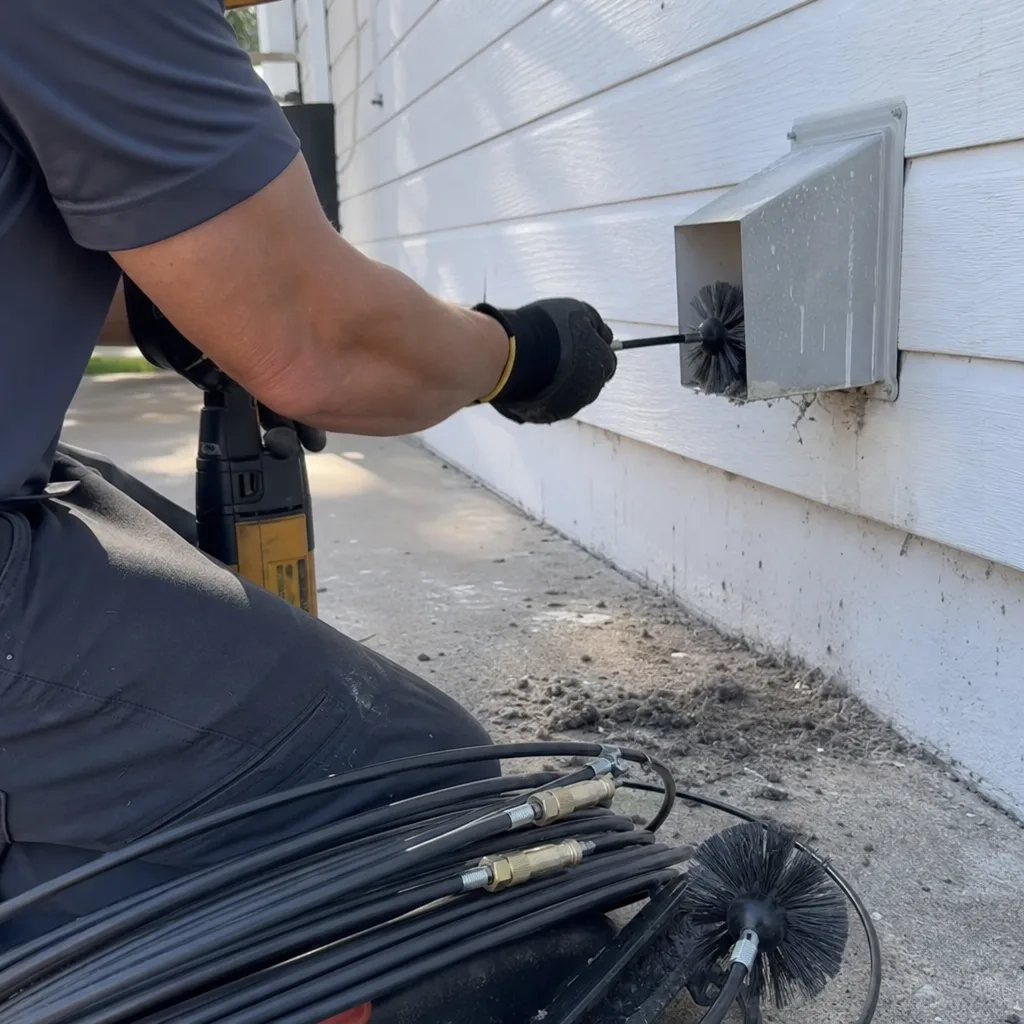
The right questions, asked before any work begins, prevent permit problems entirely. We recommend homeowners treat any duct service quote as a document to interrogate, not simply accept.
Question 1: “Does this scope include any repair, replacement, or modification of duct material?”
If yes, follow with: “Will you pull a mechanical permit for that portion, and may I see your contractor registration number?”
Question 2: “If you discover damage during cleaning, what is your protocol?”
A legitimate operation describes the documentation process, separates cleaning from repair pricing, and either holds contractor registration or names the subcontractor who will perform permitted work. At CleanRun, our protocol is written into the Haven Standard: photograph the finding, deliver the image to the homeowner, provide a separate written scope for repair with permit disclosure, and proceed only with explicit authorization.
Question 3: “What equipment will you use, and may I verify the manufacturer?”
Professional-grade equipment from trade-recognized brands indicates investment in proper technique. CleanRun uses Rotobrush mechanical agitation systems, Nikro negative-pressure extractors, and Honeywell air quality monitoring tools on appropriate jobs. These are not consumer devices; they are equipment homeowners can research independently to verify capabilities.
Question 4: “What documentation will I receive?”
The answer should include: before-and-after photography of every duct run, a written scope of work performed, and, for any repair, permit closure documentation. CleanRun’s Documented Photo Record is standard on every visit, delivered as part of the job record, not as an optional add-on.
Question 5: “What is your license or registration number, and may I verify it with TDLR?”
Any hesitation or deflection is a signal. Legitimate contractors provide this information readily; it is legally required on advertising and contracts in any case.
Question 6: “If I bring a competitor’s quote, will you provide a written second opinion?”
CleanRun offers a Free Second Opinion on any written estimate at no cost. This is not a marketing gesture; it is a mechanism to help homeowners identify scope gaps, including permit omissions. A competitor quoting $149 for “complete duct cleaning and repair” without permit line items is not offering a bargain; they are offering undocumented work.
Permit Costs and Remediation in Austin’s Market
Understanding actual costs helps homeowners evaluate whether a low quote reflects genuine efficiency or corner-cutting. The following ranges reflect Austin’s current market as of 2024-2025 and include both municipal fees and contractor charges.
Preventive permit costs (doing it right the first time):
- Residential mechanical permit, simple duct repair: $120-$200 (DSD fee + plan review)
- Residential mechanical permit, new supply branch or plenum modification: $180-$350
- Contractor permit expediting fee (if applicable): $75-$150
- Inspection scheduling: typically included in permit fee; re-inspection $50-$100 if failed
Remediation costs (fixing unpermitted work):
- Retroactive permit with compliant existing work: $400-$800
- Retroactive permit requiring modification to pass inspection: $800-$1,500
- Complete removal and permitted replacement of failed work: $1,200-$2,800
- Transaction delay costs (carrying, temporary housing, backup buyer loss): highly variable, $500-$5,000+
CleanRun’s pricing context:
Our Air Duct Cleaning in Austin service is quoted as a flat price per system, agreed in writing before work begins. A typical single-system residential cleaning in Austin runs $350-$650 depending on system size, accessibility, and contamination level. This includes the Documented Photo Record, before-and-after photography of every duct run, and the 365-Day Done Right Promise. Repair work, when needed, is quoted separately with explicit permit disclosure. We do not absorb permit costs into cleaning prices to create artificial “bundled savings.”
For Dryer Vent Cleaning in Austin, the same principle applies. Dryer vent cleaning is maintenance. Dryer vent replacement or rerouting may trigger permit requirements if it modifies the building’s exhaust penetration or involves combustion appliance venting.
How CleanRun Handles the Cleaning-Repair Boundary
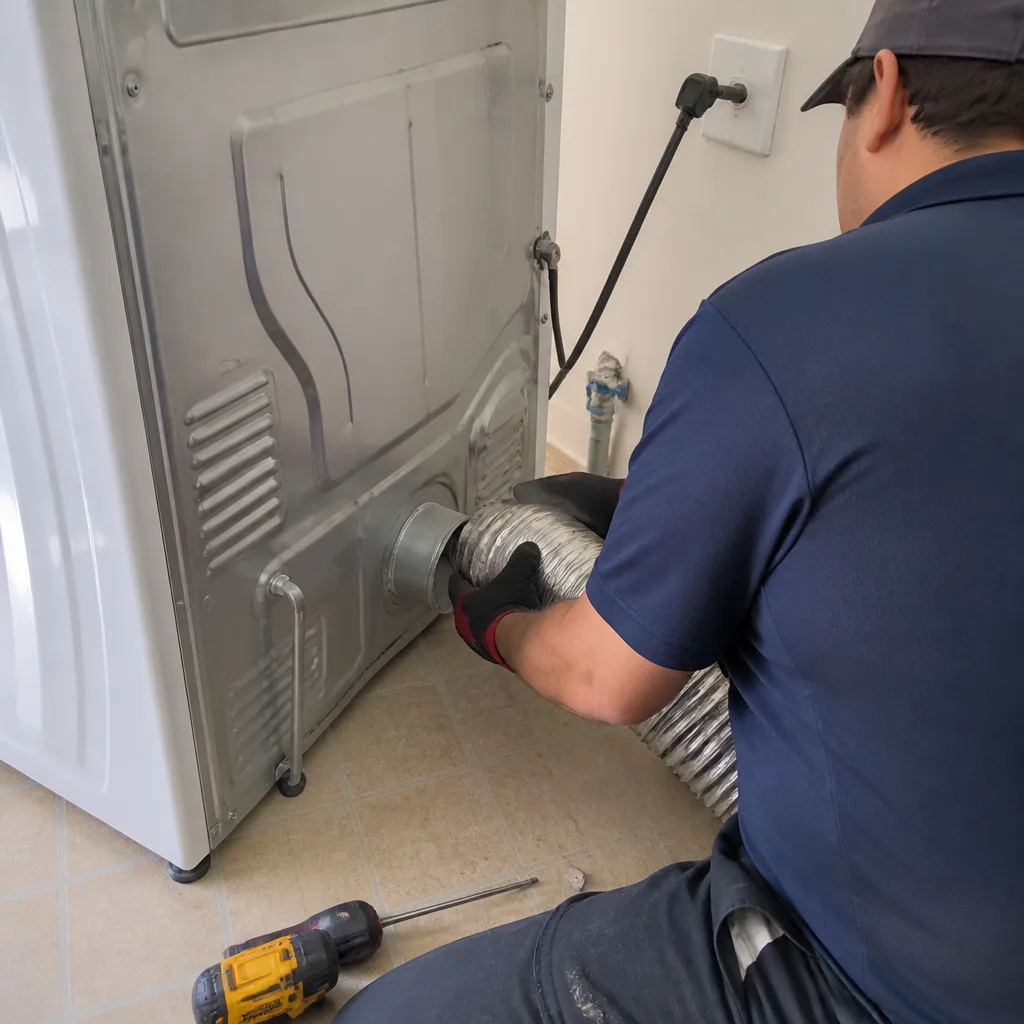
Our approach is governed by the H.A.V.E.N. Standard, a documented operational framework that governs every customer interaction. Explore more guides & resources on our blog. Relevant clauses for this topic:
Haven Standard Clause 1: Written Price Before Any Work Starts
Every cleaning quote is itemized, fixed, and delivered in writing before a single panel is removed. If our inspection camera reveals repair needs, the cleaning price does not change. A separate repair scope, with permit status noted, is provided for separate authorization.
Haven Standard Clause 2: Documented Photo Record
Every duct run is photographed before and after cleaning. If damage is found, the image is shown to the homeowner in real time. This eliminates dispute about what was discovered and when.
Haven Standard Clause 3: Verified Crews
All technicians are background-checked, uniformed, and identified by name before arrival. License and registration information is available on request.
Haven Standard Clause 6: The 365-Day Done Right Promise
If any work we perform is not done right, we make it right. This is backed in writing on every job, not stated only in marketing materials. For cleaning, this means re-service if contamination recurs abnormally. For repair work we coordinate, it means standing behind our subcontractor verification.
Our equipment roster includes professional-grade tools from Rotobrush, Nikro, Abatement Technologies, Honeywell, Aprilaire, and Guardsman. We name these brands so customers can verify specifications independently, not to imply performance beyond manufacturer claims.
Since 2013, CleanRun has served over 52,000 homes. Every job started with a written price. Every job concluded with a documented photo record. No exceptions.
Common Mistakes to Avoid
- Assuming “cleaning” covers everything. A company advertising “complete duct service” may intend to repair without disclosing the permit requirement. Get the scope in writing.
- Accepting verbal assurances about permits. “We’ll take care of it” means nothing without a permit number you can verify with the city. Ask for the application date and tracking number.
- Ignoring the license-verification step. TDLR’s online lookup takes 90 seconds. Use it. A valid registration will show status, expiration, and any disciplinary history.
- Paying for repair work before permit closure. In Austin, final payment should follow final inspection, or at minimum be contingent upon permit closure documentation. This protects against contractors who pull permits but never close them.
- Assuming new construction ductwork is properly permitted. Austin’s rapid growth means some production builders in outlying areas have faced enforcement actions for mechanical permit shortcuts. Verify permit history for any home purchase, not just older properties.
- Letting low quotes override documentation. A $199 “cleaning and sealing” special that includes material replacement is almost certainly omitting permit costs or using unlicensed labor. The true cost surfaces later.
When to Call a Professional
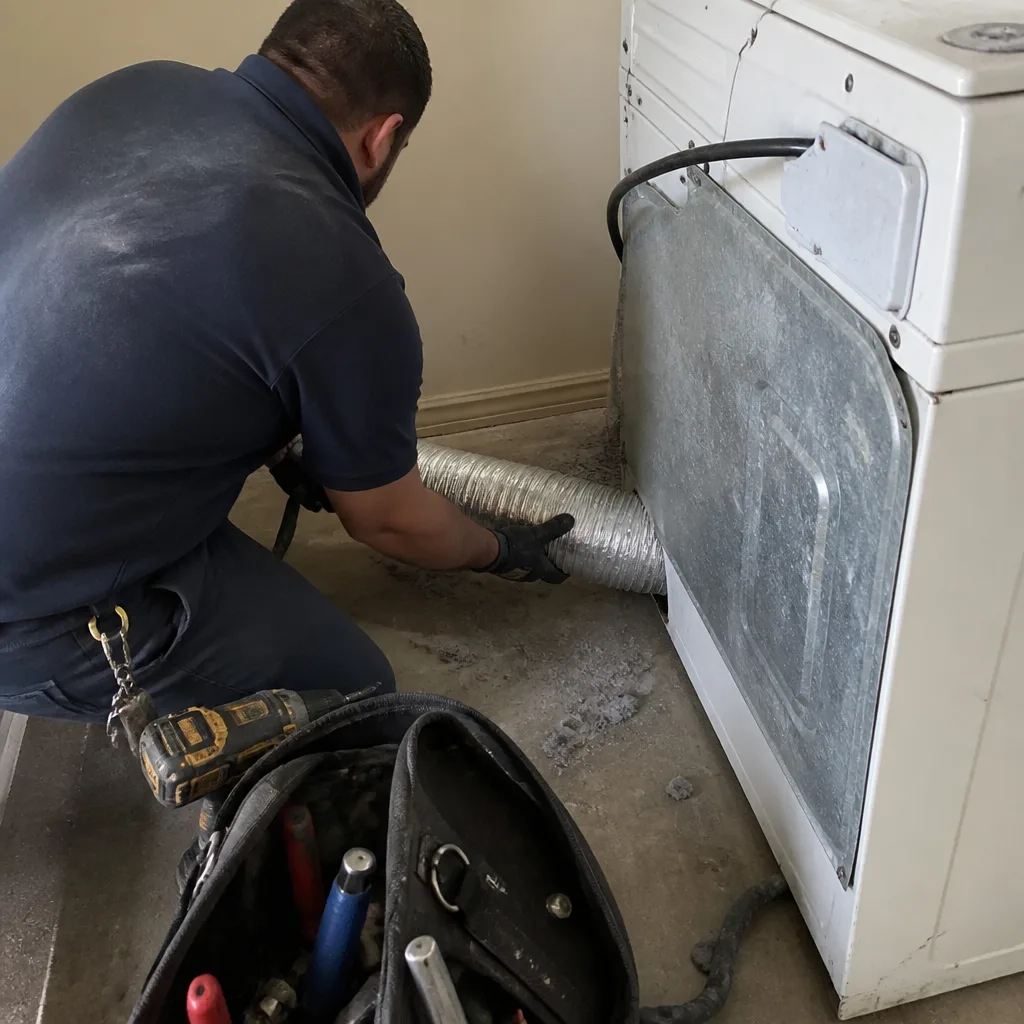
Call a licensed professional when your project involves any duct material modification, when you’re unsure whether discovered damage constitutes repair, or when you’re preparing a home for sale and need to verify permit history. In Austin’s market, the cost of verification is trivial compared to the cost of discovery during transaction.
CleanRun Air Duct Cleaning Austin offers free estimates for cleaning services and free second opinions on any competitor’s written estimate. For repair needs beyond our scope, we provide documented findings and referrals to properly licensed contractors. Call (737) 243-9544 to schedule. All calls are answered by a live person, and technicians are identified by name before arrival.
Frequently Asked Questions
No. Pure air duct cleaning, defined as debris removal from existing ductwork without altering materials or configuration, requires no permit under Texas law. The moment repair, replacement, or modification is involved, a mechanical permit may be required through your local building department.
Residential mechanical permits for simple duct repair typically cost $120-$200 through Austin’s Development Services Department, including plan review. More complex work involving new supply branches or plenum modifications runs $180-$350. Contractor expediting fees, if charged, add $75-$150.
Only if they hold or work under a Registered Mechanical Contractor registration through TDLR. A cleaning business without this registration cannot pull permits and cannot legally perform repair work. Ask for the contractor registration number and verify it at www.tdlr.texas.gov.
Request a permit history search from Austin’s Development Services Department or check online through the Austin Build + Connect portal. For homes in Travis County’s unincorporated areas, contact Travis County Development Services. Permit records are public and searchable by address.
The finding appears in the inspection report, potentially triggering lender or insurer requirements for remediation. Sellers typically face three options: obtain a retroactive permit ($400-$1,200), remove and replace with permitted work ($800-$2,500), or negotiate a credit with disclosure. Timeline impact ranges from days to weeks.
Use the Texas Department of Licensing and Regulation’s online Licensee Lookup at www.tdlr.texas.gov. Enter the individual’s HVAC Technician license number or the business’s Registered Mechanical Contractor registration number. Verify status is “Active” and check for any disciplinary history.
The Bottom Line
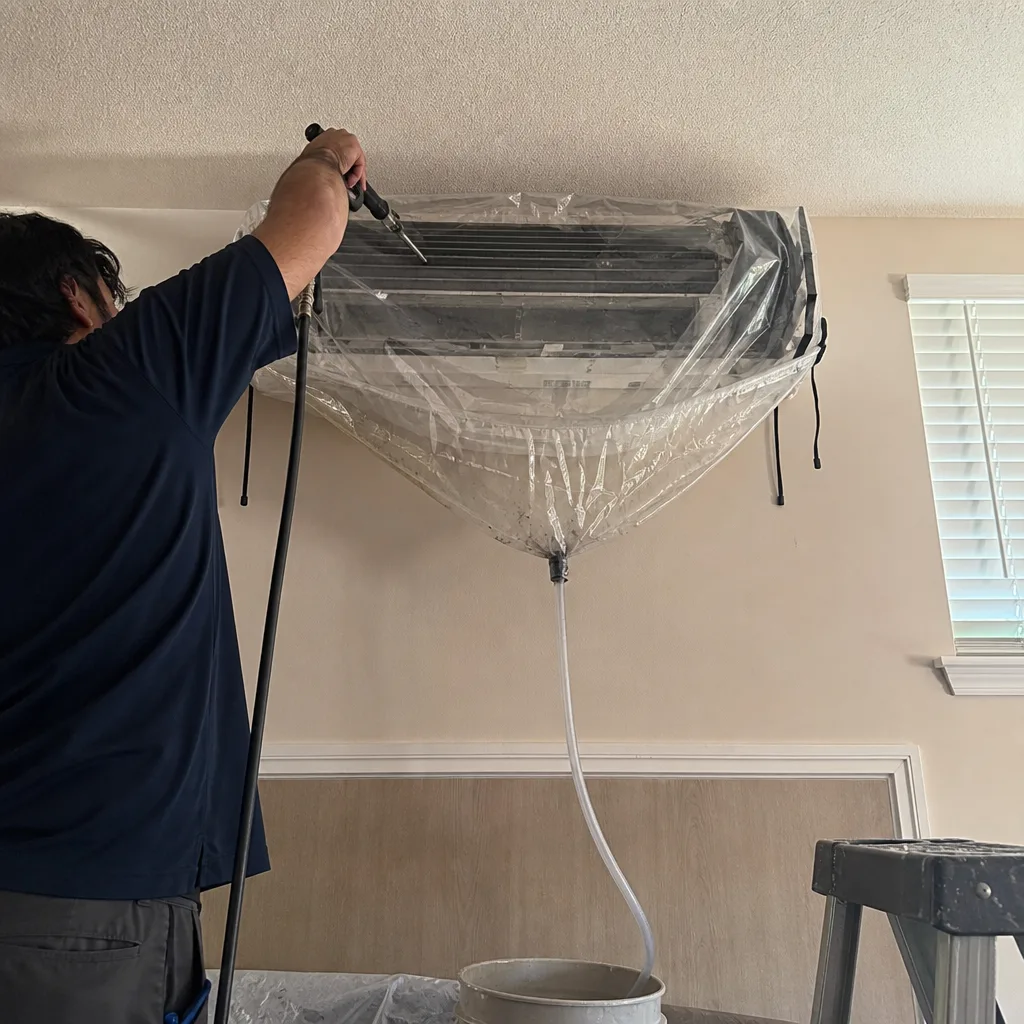
Air duct cleaning in Texas requires no permit. Duct repair, replacement, or modification does. The boundary between these categories is clear in law but often blurred in marketing. Homeowners who understand the distinction, verify contractor credentials, and demand written documentation avoid the transaction delays and remediation costs that unpermitted work creates. In Austin’s active real estate market, the few minutes spent on verification pay dividends at sale time. For cleaning services that stay on the right side of the line, with documented results and transparent pricing, CleanRun Air Duct Cleaning Austin home provides estimates at (737) 243-9544.
Written by Tomas Reyes, Owner at CleanRun Air Duct Cleaning Austin, serving Austin since 2013.