
Last updated September 23, 2026
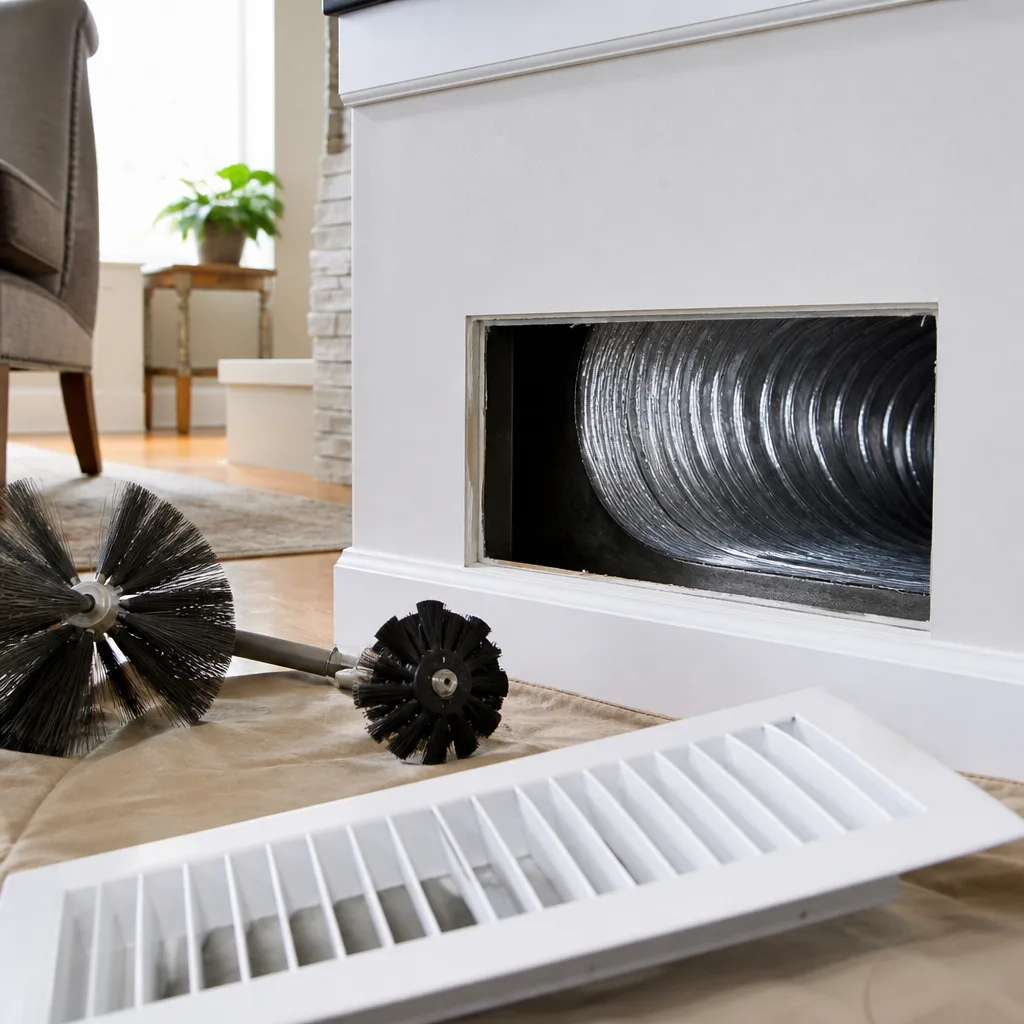
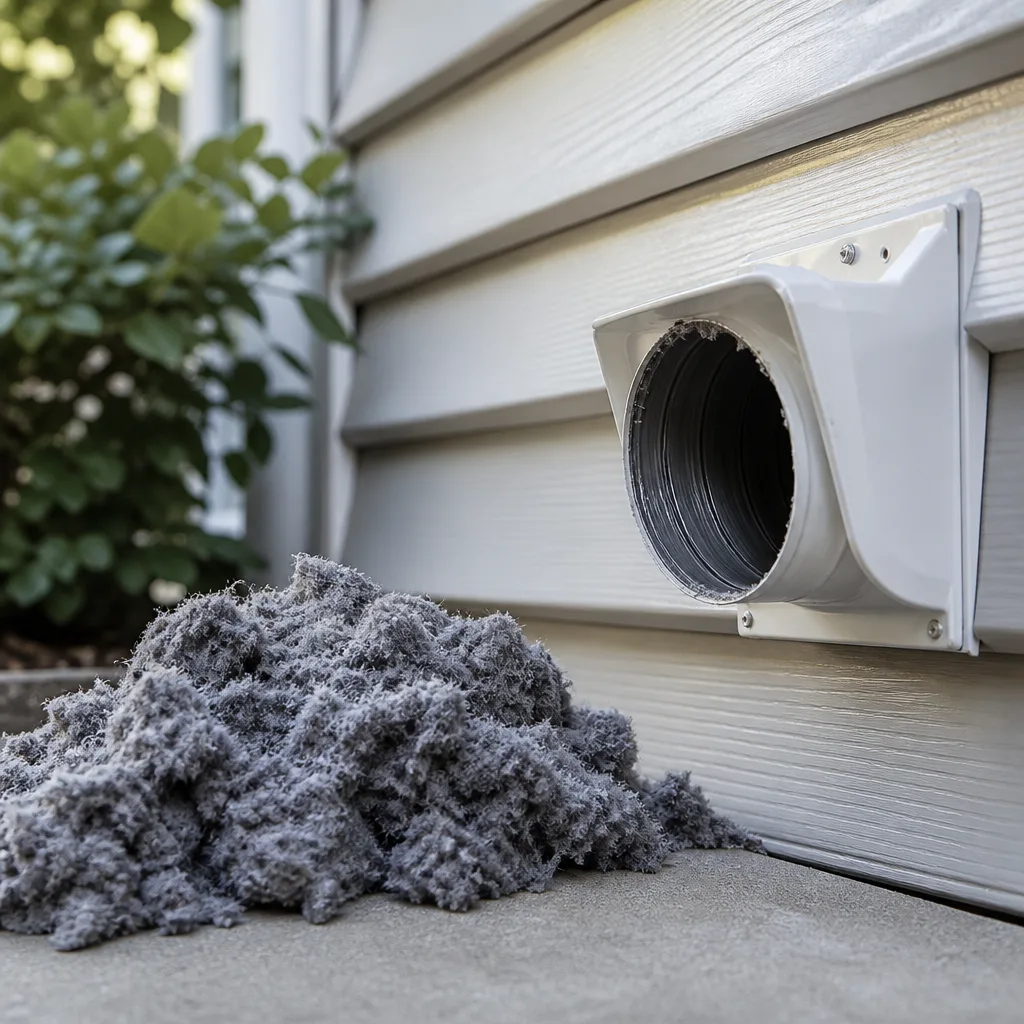
Whole-system duct and dryer vent check with before-and-after photos - you see exactly what came out of your vents
That "$99 whole-house special" is a bait ad - the real number appears once they are in your hallway, or the "clean" is a shop-vac at the register. We photograph the inside of your ducts before and after instead.
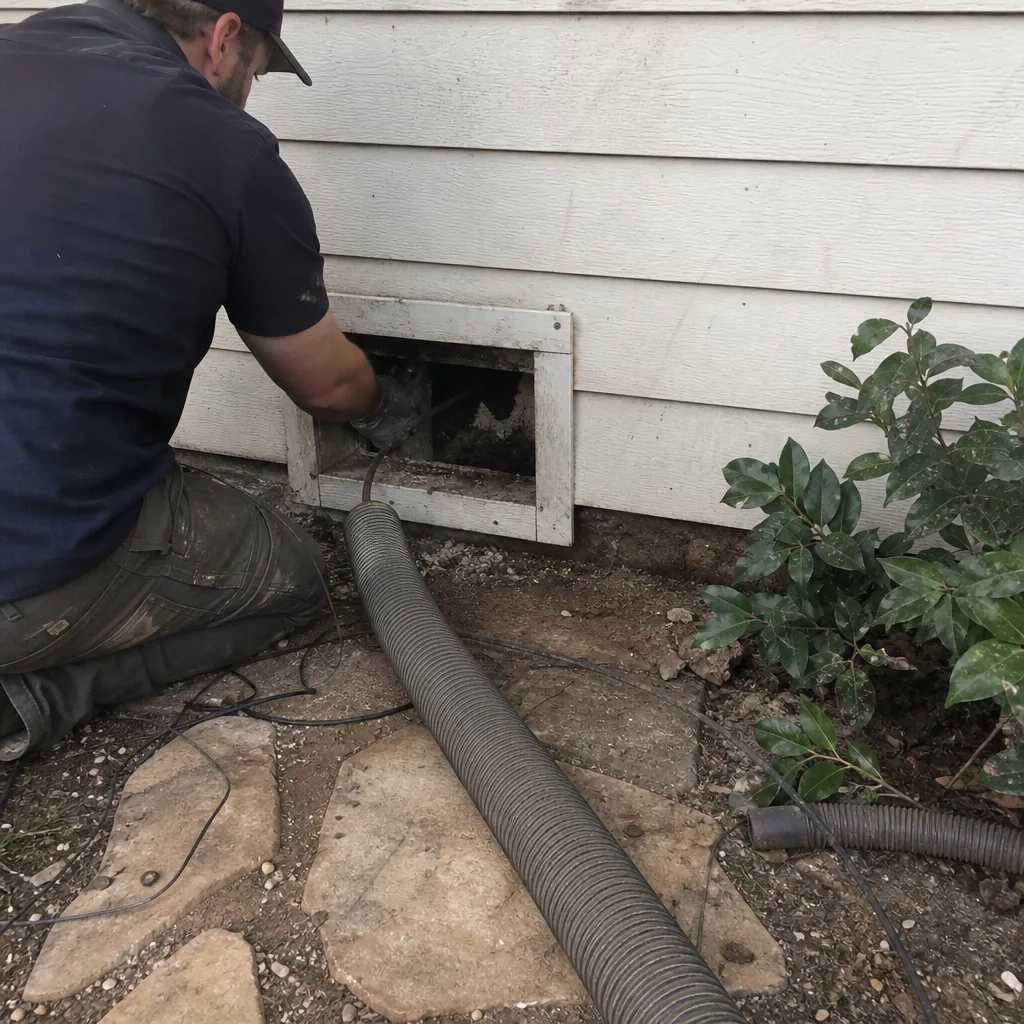 Before
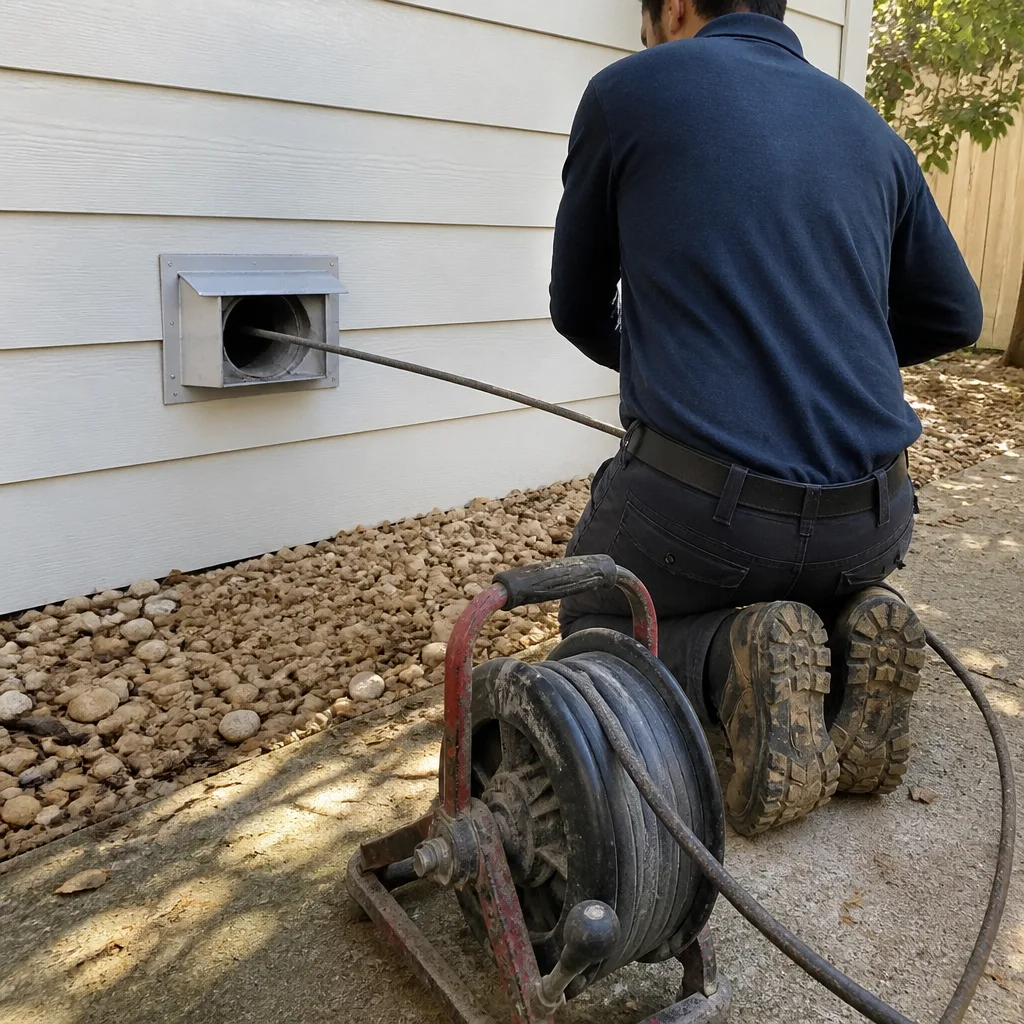 After
After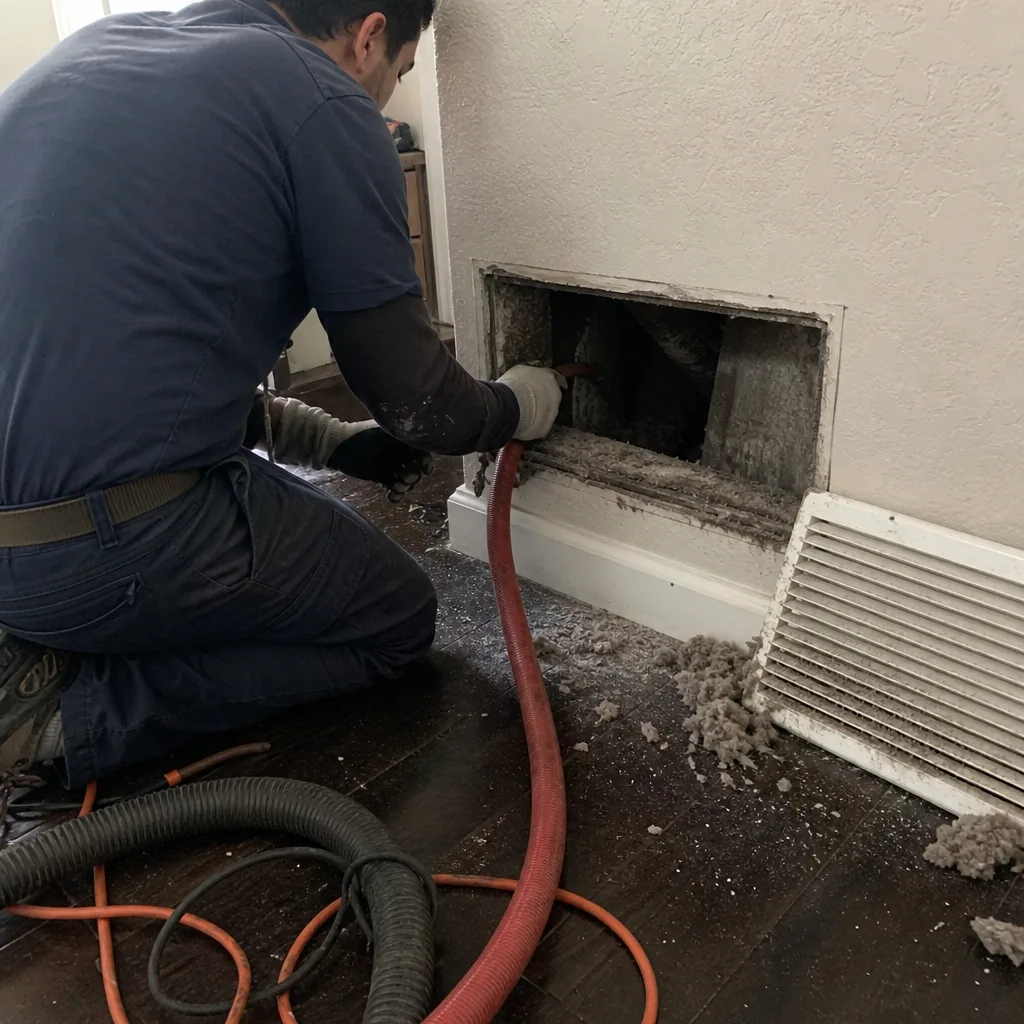 Before
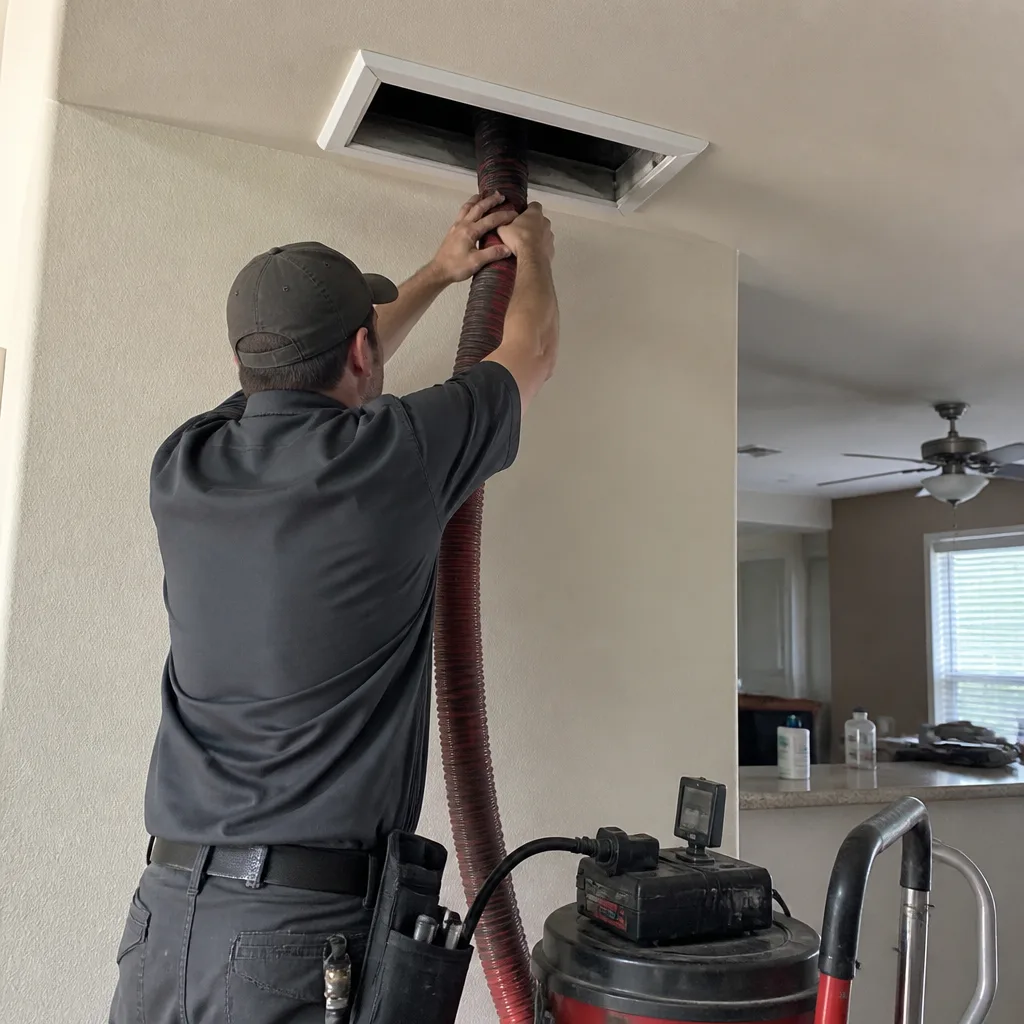 After
After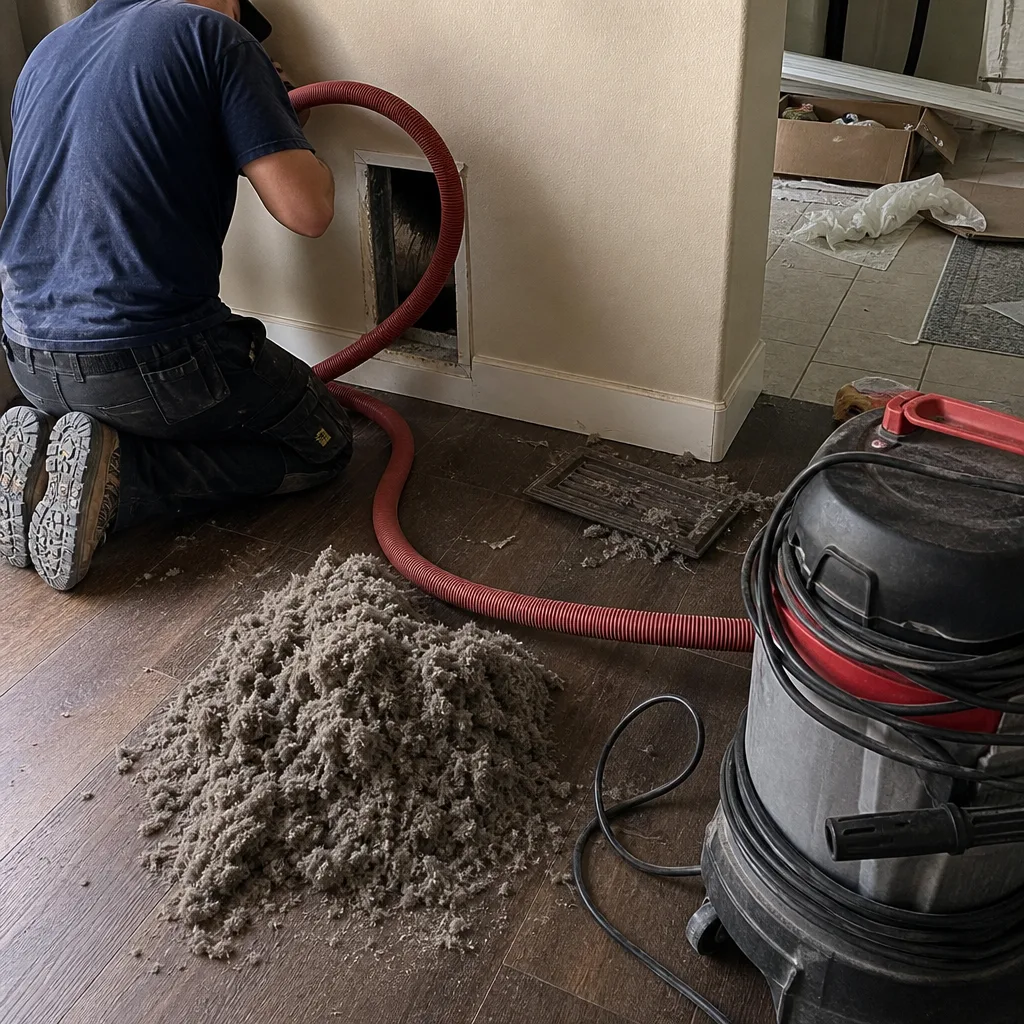 Before
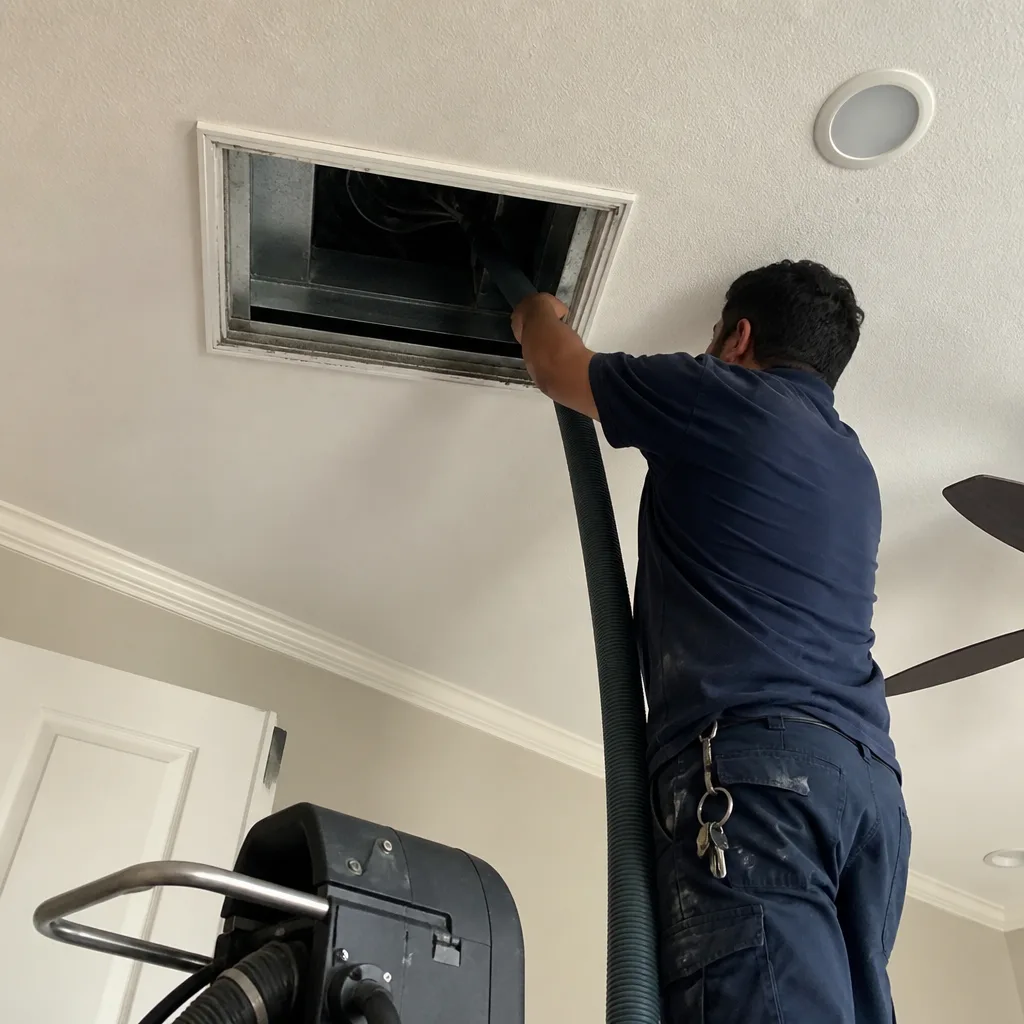 After
AfterHow to Hire a Air Duct Cleaning Contractor in Austin: A Step-by-Step Guide
Texas does not license air duct cleaners. Anyone with a Shop-Vac and a Craigslist ad can legally clean your ducts in Austin tomorrow. That single fact changes everything about how you hire. This Air Duct Cleaning guide gives you a five-step verification process that separates documented professionals from price-bait operators before anyone sets foot in your house. By the end, you’ll know how to read a written scope of work, how to verify NADCA membership in two minutes, and how to tell a real before-and-after photo from a stock image pulled off Google.
Quick Answer
To hire an air duct cleaning contractor in Austin, verify NADCA membership at nadca.com, demand a written scope with duct count and method specified, reject any per-vent pricing model, request before-and-after photos of your actual ductwork (not stock images), and get a written guarantee that lasts longer than the technician’s drive home. The hiring decision should happen before the first phone call, not after the crew has already pulled your furnace panel.
Table of Contents
- Why Texas’s Lack of Licensing Changes Everything
- Step 1: Verify NADCA Membership (And Know What It Actually Means)
- Step 2: Demand a Written Scope of Work Before Booking
- Step 3: Reject Per-Vent Pricing (Here’s the Math)
- Step 4: Demand Real Photos, Not Stock Images
- Step 5: Get a Written Guarantee With Actual Terms
- The Five Questions That Disqualify Most Contractors
- Austin-Specific Risks: Climate, Construction, and Code
- Common Mistakes to Avoid
- When to Call a Professional
- Frequently Asked Questions
- The Bottom Line
BeforeAfterWhy Texas’s Lack of Licensing Changes Everything
In Texas, air duct cleaning sits in a regulatory gray zone. The Texas Department of Licensing and Regulation oversees HVAC contractors who work on refrigerant lines and electrical connections, but the actual cleaning of ductwork requires no state license, no bonding requirement, and no continuing education. A technician can show up at your door in Westlake or Mueller with zero training, zero insurance verification, and a machine that may or may not be capable of actual negative-pressure extraction.
This matters because Austin’s housing stock creates real demand. Homes built during the 2015-2023 boom in East Austin, North Loop, and the Domain area often share ductwork with attic spaces that hit 140°F in July. That heat cycling degrades flex duct, loosens mastic seals, and turns settled construction debris into airborne particulate every time the system kicks on. A competent cleaner needs to recognize when a duct run has separated at the collar, not just run a brush through it and invoice you.
Without a state license, the only quality filter is your due diligence. The steps below are that filter.
Step 1: Verify NADCA Membership (And Know What It Actually Means)
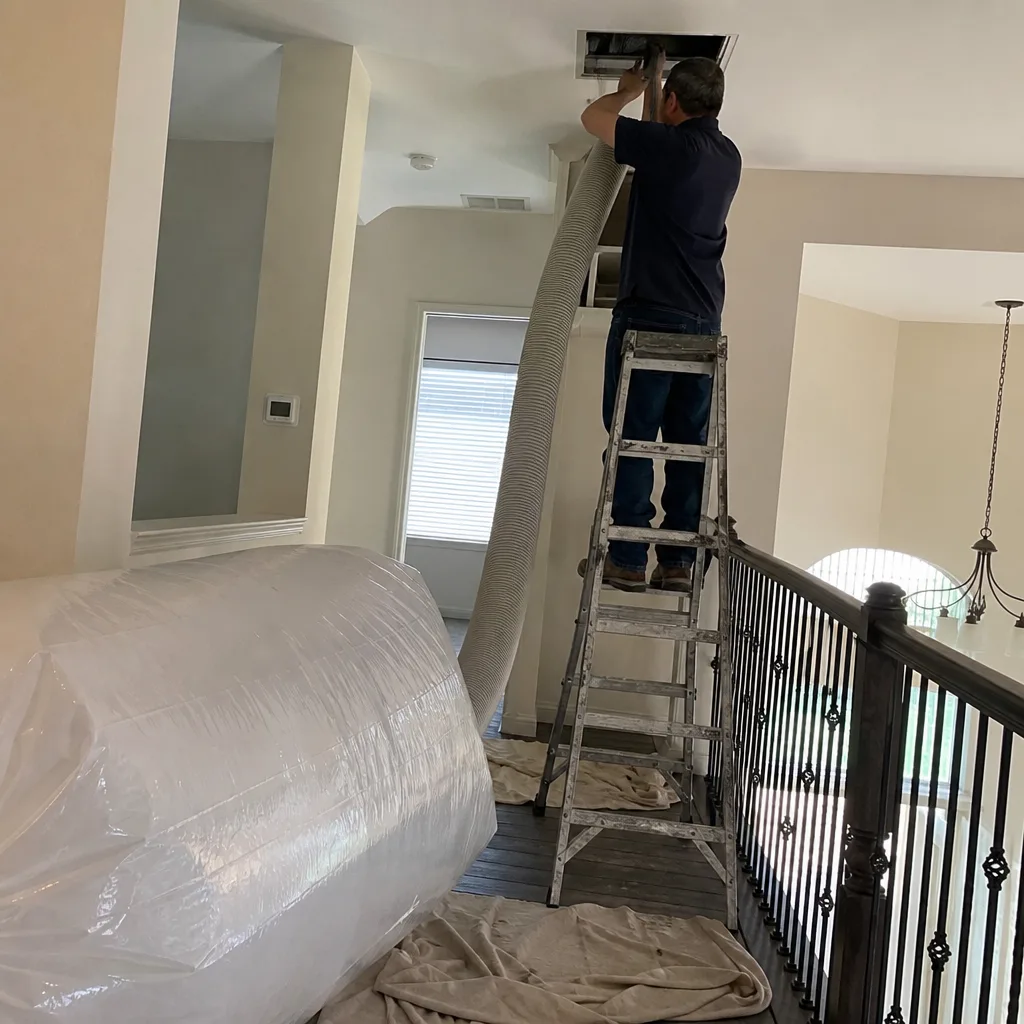
NADCA, the National Air Duct Cleaners Association, is the closest thing to a credentialing body in this unlicensed trade. But membership is not a magic seal of quality, and understanding what it does and doesn’t guarantee will save you from false confidence.
What NADCA membership requires: A contractor must have at least one Air Systems Cleaning Specialist (ASCS) on staff, maintain general liability insurance, and agree to follow NADCA’s Assessment, Cleaning, and Restoration (ACR) standard. The ASCS exam covers HVAC system components, cleaning methods, and health and safety protocols. It is a legitimate credential, not a weekend seminar.
What NADCA membership does NOT guarantee: It does not mean every technician on the crew holds the credential. It does not mean the company uses equipment capable of negative-pressure extraction. It does not prevent a member from using the $79 coupon model that balloons to $800 once inside your home. NADCA can and does discipline members for violations, but enforcement is complaint-driven, not proactive.
How to verify in under two minutes:
- Go to nadca.com and click “Find a Professional.”
- Enter your ZIP code or search by company name.
- Look for the ASCS badge next to the company listing. Note the name of the certified individual.
- When you call the contractor, ask for that person by name. Ask if they will be on your job site.
In our experience at CleanRun Air Duct Cleaning Austin home, roughly half the “NADCA certified” claims we see on Austin-area websites don’t hold up to this search. The company may have let membership lapse, or the ASCS may have left for another employer. The two-minute check is worth it.
One more thing: NADCA membership is meaningful, but it is not the only credential that matters. A contractor should also carry general liability insurance, workers’ compensation for employees, and be willing to put their license and insurance details in writing. Haven Standard Clause 3, Verified Crews, requires background checks and uniformed identification for every technician who enters a customer’s home. Ask about this directly. A contractor who deflects has something to hide.
Step 2: Demand a Written Scope of Work Before Booking
The written scope is where most bait-and-switch schemes fall apart. A legitimate contractor can tell you exactly what will be done, to which components, with what equipment, and what constitutes completion. A price-bait operator will resist specificity because specificity kills the upsell.
A proper written scope for Austin homes must include:
- Duct count and type: Number of supply runs and return runs, whether they are rigid metal, flex duct, or fiberboard. In Austin’s 2015-2020 construction, flex duct is common in attics and requires gentler handling than rigid metal.
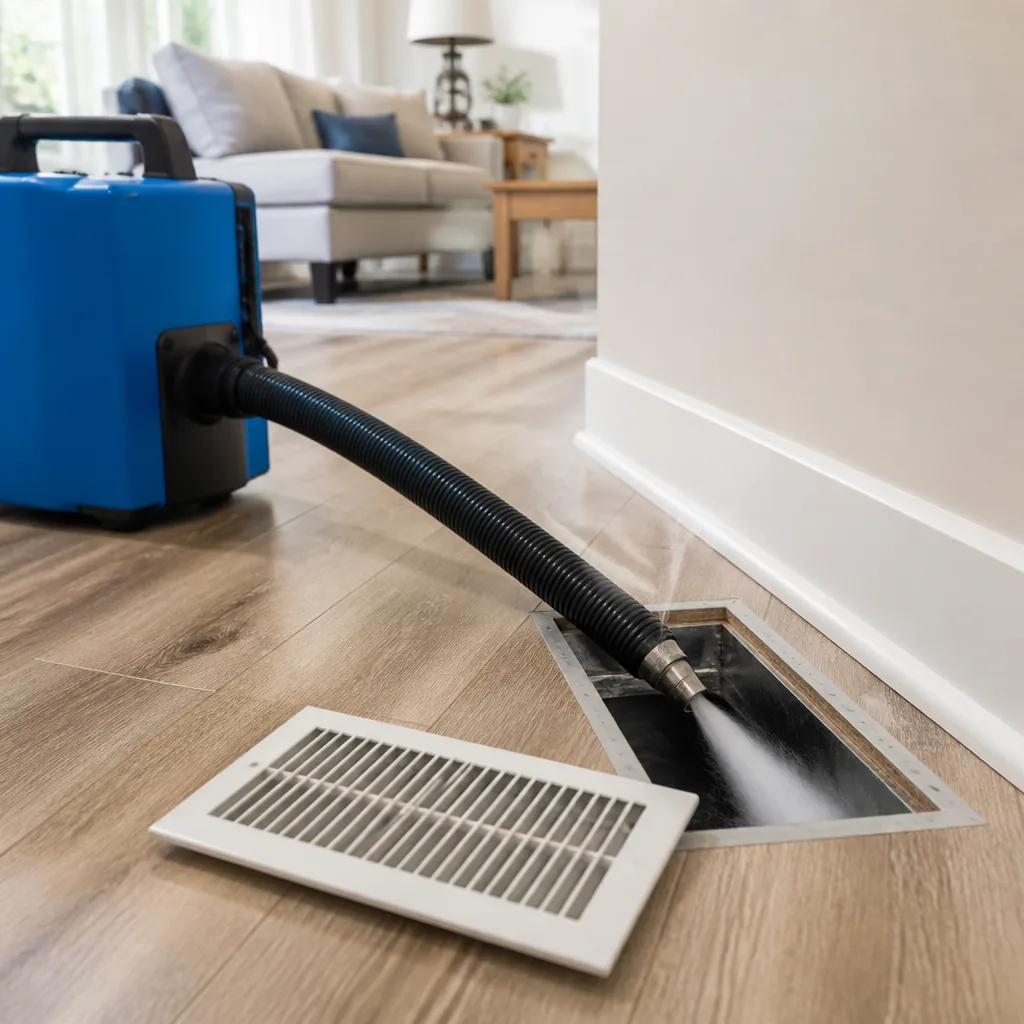
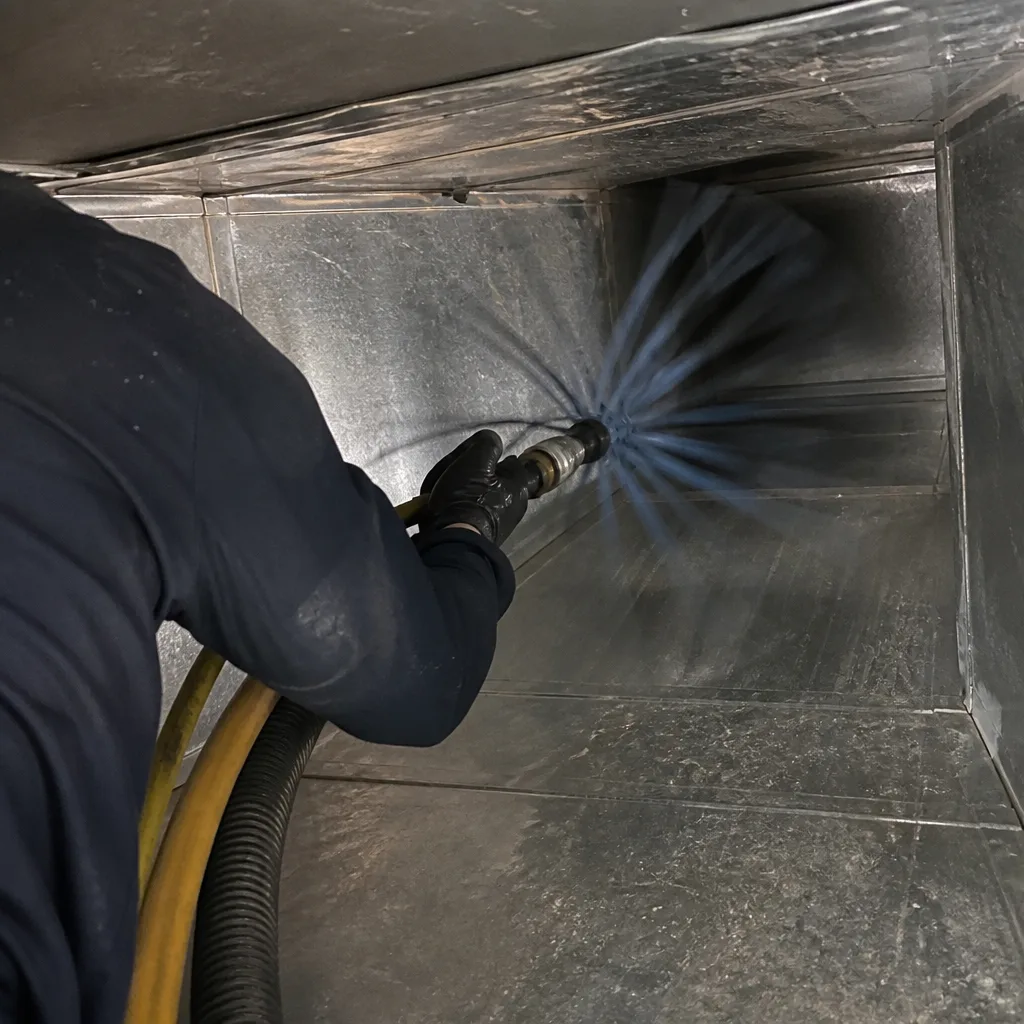
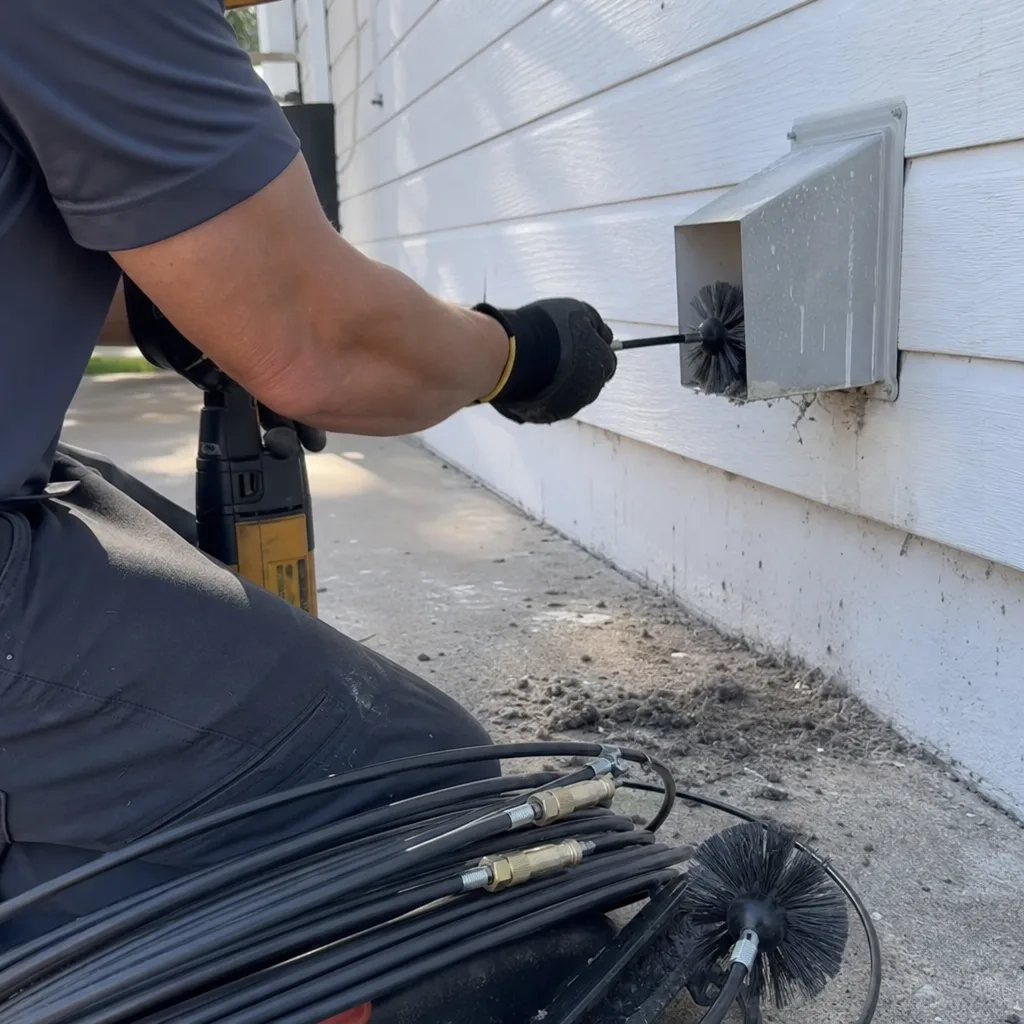
- Method: Rotary brush with negative-pressure extraction, or contact vacuum only. Rotary brush systems like Rotobrush agitate debris from duct walls while a vacuum maintains negative pressure to capture it. Contact vacuum alone, essentially a powerful shop vac at each register, does not clean the full duct run and can damage flex duct if mishandled.
- Components included: Supply ducts, return ducts, registers, grilles, plenum (the central distribution box, usually near your furnace), and blower compartment. Some scopes exclude the blower to hit a lower price point, then charge extra on arrival.
- Access points: Where the technician will cut access panels to reach the ductwork, and whether those cuts will be sealed afterward per industry standard.
- Completion criteria: What determines the job is done. At CleanRun, this is defined as debris removal verified by post-cleaning photography of every duct run, delivered to the customer as part of the standard job record.
Haven Standard Clause 1, Upfront Written Pricing, means the price on that scope is the price you pay. No exceptions. If a contractor says “we need to see it first” or “the final price depends on what we find,” you are not looking at a written scope. You are looking at a blank check.
We have served over 52,000 homes since 2013, and every one started with a written price before a single panel came off. The scope is not a formality. It is the contract.
Step 3: Reject Per-Vent Pricing (Here’s the Math)
Per-vent pricing is the most common bait-and-switch model in Austin’s duct cleaning market. It sounds transparent. It is designed to obscure.
How the math works against you:
A typical Austin home built 2015-2023 has 10-14 supply vents and 2-4 return vents. A contractor advertises “$15 per vent” for a 12-vent system. That suggests $180. But on arrival, the technician explains that returns cost extra (“they’re larger”), the main trunk line is not included (“that’s not a vent”), the plenum is separate, and the blower compartment requires an additional fee. The $180 quote becomes $640 before any actual work begins.
Worse, per-vent pricing incentivizes speed over thoroughness. A technician paid per vent has every reason to spend 90 seconds at each register with a contact vacuum, never entering the duct run itself, and every reason to skip the returns entirely if you balk at the upsell.
The alternative: flat pricing per system.
A legitimate contractor prices by system size and complexity, not by counting registers. For a typical Austin home, this means:
- Small system (1,200-1,800 sq ft, single HVAC unit): $350-$500
- Medium system (1,800-2,800 sq ft, single unit or dual-zone): $450-$700
- Large system (2,800+ sq ft, multiple units, complex duct layout): $650-$950
These ranges assume rotary brush cleaning with negative-pressure extraction, full system photography, and a written guarantee. For detailed pricing factors, see our Air Duct Cleaning Cost Breakdown: The Austin Homeowner’s Reference for 2026. Prices below $300 for any whole-system cleaning should trigger immediate skepticism. The equipment alone, professional-grade tools from manufacturers like Nikro and Abatement Technologies, costs more than that to operate for a single job when you factor in maintenance, fuel, and technician wages.
At Air Duct Cleaning in Austin, we publish our pricing methodology because Haven Standard Clause 1 requires it. There is no “call for a quote” in our process. The price is written, agreed, and fixed before work starts.
Step 4: Demand Real Photos, Not Stock Images
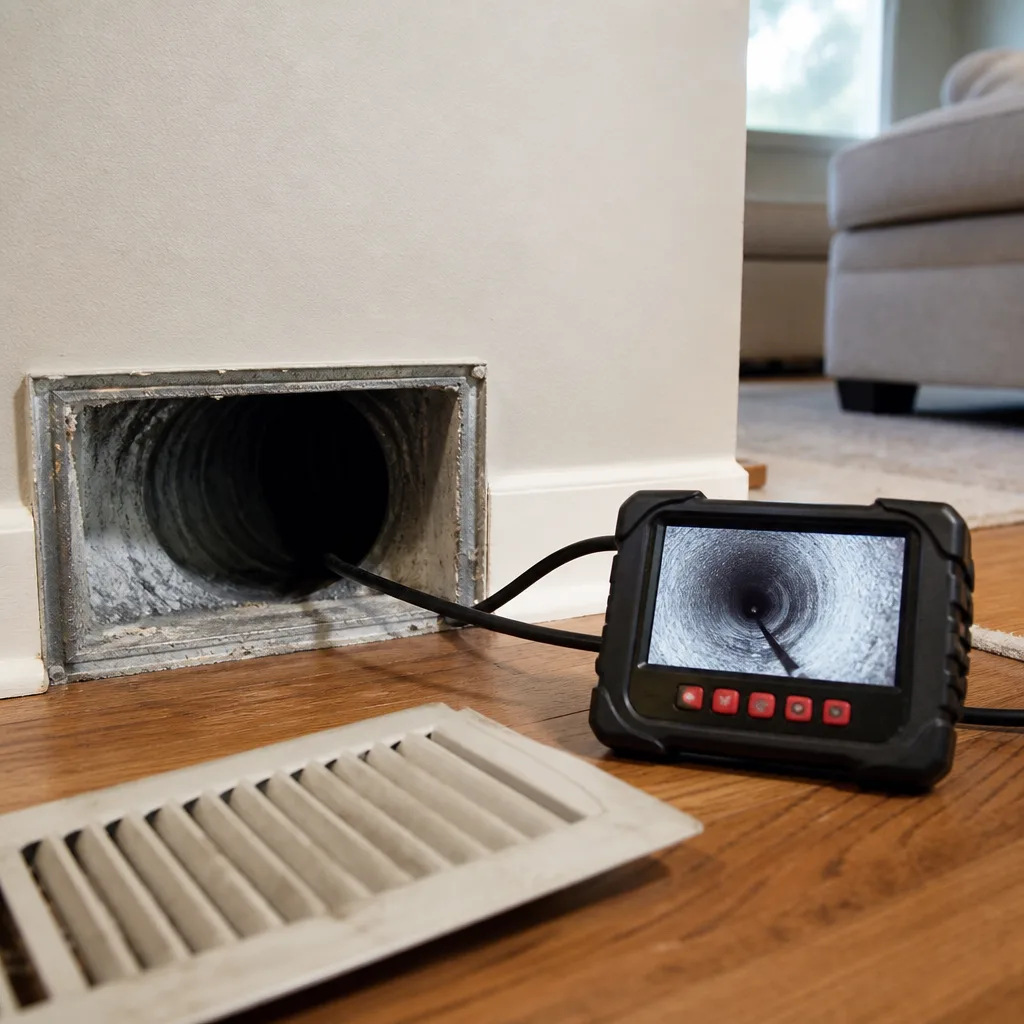
Before-and-after photos are the only proof that work actually happened inside your ducts. But not all photo packages are equal, and some are outright fabricated. Knowing how to read them protects you from paying for vacuum noise.
What a contractor should photograph on your job:
- Each supply run, before and after: The camera should enter the duct 3-6 feet from the register, showing the duct wall, not just the boot (the metal fitting behind the vent cover).
- Each return run, before and after: Returns pull air back to the system and typically accumulate more debris. A photo package without returns is incomplete.
- The plenum: This central distribution box is where debris concentrates. It is also the hardest to clean properly.
- The blower compartment: If included in the scope, the blower wheel and housing should be photographed.
- A timestamp or job identifier: This can be as simple as a photo of the work order with the date, or metadata embedded in the image file.
How to spot a stock photo:
- Perfect lighting and composition. Real duct photography is awkward, lit by a camera-mounted LED, and shows irregular surfaces.
- No identifying features of your home. No register style, no wall color, no construction era that matches your neighborhood.
- Generic debris patterns. Real debris follows airflow patterns and construction history. Stock images show uniform, almost artistic dust distribution.
- Reverse image search. Save the photo and search it on Google Images. Stock photos appear on multiple contractor websites across different cities.
Since 2013, CleanRun has photographed every duct run on every job. The customer receives these photos as a documented deliverable, not a marketing promise. In Tarrytown, we once showed a homeowner photos of a 3-inch debris build-up at the first elbow of their master bedroom supply. The camera showed what a register-level vacuum would have missed entirely. That is the difference between documented work and performed work.
Step 5: Get a Written Guarantee With Actual Terms
A verbal “satisfaction guarantee” is not a guarantee. It is a phrase. A real guarantee has terms, duration, and a mechanism for enforcement. Without these, you have no recourse if debris remains, access panels leak, or a register gets damaged.
What a duct cleaning guarantee should include in writing:
- Duration: Minimum 30 days, preferably 90 days or longer. The 365-Day Done Right Promise means the work is accountable long after the truck leaves, not just until the check clears.
- Coverage scope: What specifically is guaranteed. Debris removal? Seal integrity? Damage caused during cleaning? All three should be addressed.
- Response mechanism: How to invoke the guarantee. A phone number is not enough. There should be a written process, a response timeline, and a defined remedy (re-clean, repair, or refund).
- Exclusions: What the guarantee does not cover. This is actually a positive sign, a contractor that states exclusions is being transparent. Common exclusions include pre-existing duct damage, rodent infestation requiring pest control, or subsequent construction dust.
The 365-Day Done Right Promise at CleanRun is backed in writing on every job, not just stated in marketing copy. If the work is not right, we make it right. The mechanism is simple: call the number, reference the job record (which includes the photo documentation), and we schedule return service. No manager approval, no “let us look into it.” Haven Standard Clause 5, Accountable Completion, requires this.
Compare this to the typical Austin competitor guarantee: “Call if you’re not happy.” No duration, no scope, no mechanism. That is not a guarantee. That is a hope.
The Five Questions That Disqualify Most Contractors
Ask these before booking. The wrong answer to any one is a disqualifier.
- “Are you NADCA members, and is your ASCS on my job?” Wrong answer: “We’re certified” without specifics, or “Our technician has training.” Ask for the ASCS name and verify it at nadca.com while on the call.
- “Will you put the full scope and price in writing before work starts?” Wrong answer: “We need to see it first,” or “The technician will explain everything on site.” This is per-vent pricing in disguise. Disqualify immediately.
- “What equipment will you use, and can I verify the manufacturer?” Wrong answer: “Professional-grade equipment” without naming brands. Legitimate contractors use equipment from trade-recognized manufacturers like Rotobrush, Nikro, or Abatement Technologies. They name them because they have nothing to hide.
- “Will I receive photos of my actual ducts, before and after?” Wrong answer: “We can show you some examples,” or “The technician will let you know.” This means they don’t photograph every job. The photo record is either standard or it isn’t.
- “What does your guarantee say in writing?” Wrong answer: “We stand behind our work,” or “Just call us if there’s a problem.” A guarantee without written terms is not a guarantee. It is a conversation.
In our experience, fewer than one in five Austin-area duct cleaning companies pass all five questions cleanly. That is not elitism. That is market reality in an unlicensed trade.
Austin-Specific Risks: Climate, Construction, and Code
Austin’s environment creates duct cleaning scenarios that don’t apply uniformly across Texas. Understanding these local factors helps you evaluate whether a contractor actually knows this market.
Cedar fever and extended pollen seasons: Austin’s mountain cedar (ashe juniper) releases pollen December through February, often peaking in January when residents keep windows closed and run HVAC continuously. This pollen enters duct systems through intake vents and accumulates in returns. A contractor who treats Austin like Houston or Dallas may not account for this winter particulate load. Ask specifically: “How do you handle heavy pollen accumulation in returns?” The answer should mention extended contact time, brush agitation, or post-cleaning verification, not just “we vacuum it out.”
Attic heat and flex duct degradation: Austin attic temperatures regularly exceed 130°F in summer. Flex duct, common in homes built 2015-2023 in neighborhoods like East Austin, Mueller, and the Domain, degrades at these temperatures. The inner liner separates from insulation, creating debris and airflow restriction. A competent cleaner inspects for this damage and reports it rather than brushing through a compromised duct run. In our work in Circle C Ranch and Steiner Ranch, we’ve found separated flex duct that the homeowner didn’t know existed until the camera went in.
Post-construction debris in newer homes: Homes built during Austin’s rapid expansion often have significant construction debris in ducts: drywall dust, wood fragments, insulation scraps. This is not “dirt” in the conventional sense; it is abrasive material that can damage blower wheels and coils. A contractor should recognize construction debris by texture and composition, not just treat it as routine household dust.
Local code context: While Texas does not license duct cleaners, Austin Energy and some municipal utilities require duct sealing for rebate programs. A contractor working on homes participating in these programs should understand the testing requirements (duct blaster test, typically) and not compromise seals during cleaning. Ask if they have worked with Austin Energy rebate projects. The answer reveals whether they operate at the level of documented accountability these programs require.
Common Mistakes to Avoid
- Booking based on coupon price alone. The $79 Austin special universally becomes $400-$800 on arrival. The coupon is not a price; it is an appointment fee disguised as a deal.
- Assuming NADCA membership means every technician is certified. Only the ASCS holder need be certified. Ask who will actually be in your home.
- Accepting verbal scope descriptions. “We’ll clean everything” means nothing. Without a written list of components, you have no basis to dispute incomplete work.
- Ignoring the return ductwork. Returns are harder to access and clean, so they are often skipped in low-quality jobs. Your scope should explicitly include them.
- Not verifying insurance. An uninsured technician who falls in your attic or damages your HVAC system becomes your financial problem. Ask for a certificate of insurance, not a verbal assurance.
- Treating all debris as equal. Construction debris, rodent droppings, and routine household dust require different handling. A contractor who does not distinguish them is not inspecting properly.
- Booking without checking Austin-specific experience. A contractor from Round Rock or San Antonio may be competent, but Austin’s cedar pollen, attic heat, and construction-era debris patterns are local knowledge. Ask how many Austin homes they have serviced in the last year.
When to Call a Professional
Call a professional when you can see debris at registers, when airflow varies significantly between rooms, when your HVAC filters clog faster than manufacturer specifications suggest, or when you’ve completed renovation work that generated construction dust. In Austin’s climate, we also recommend professional evaluation if your home was built 2015-2023 and has never had ductwork inspected, given the documented construction debris issues in that era’s rapid-build inventory.
CleanRun Air Duct Cleaning Austin offers free estimates in Austin. Every estimate includes a written scope and fixed price before any work begins, delivered under Haven Standard Clause 1. Our technicians are background-checked, uniformed, and identified by name before arrival. Call (737) 243-9544 to schedule.
Frequently Asked Questions
Whole-system air duct cleaning in Austin typically ranges from $350 to $950 depending on system size, with most single-family homes falling between $450 and $700. Prices below $300 should be viewed with skepticism, as they rarely cover proper rotary brush cleaning with negative-pressure extraction across all components. Call (737) 243-9544 for an exact quote on your system - estimates are free and include a written price before any work starts.
The cheap quotes use per-vent pricing that balloons on arrival, contact vacuum only (not full duct cleaning), or exclude returns and the plenum. A $79 coupon becomes $600 because each “extra” was always part of the actual scope. The honest price is the flat system price agreed in writing before work begins.
Demand timestamped before-and-after photos of your actual ductwork, not stock images. The photo package should show each supply run, each return run, and the plenum from inside the duct. At CleanRun, this documented photo record is included on every visit as a standard deliverable, not an upgrade.
Every 3-5 years for typical Austin homes, sooner if you have pets that shed heavily, have completed renovation work, or notice visible debris at registers. Homes in pollen-heavy areas like Northwest Hills or near construction zones may need more frequent evaluation. The camera doesn’t lie - if the photo shows buildup, it’s time.
No. Texas requires no license for duct cleaning, and NADCA membership is voluntary. It is, however, the most credible voluntary credential available. Verify any claimed membership at nadca.com before booking, and ask if the ASCS-certified individual will be on your job site.
A real guarantee specifies duration (minimum 30 days, ideally longer), coverage scope (debris removal, seal integrity, damage), and response mechanism (how to invoke it, timeline, remedy). The 365-Day Done Right Promise at CleanRun is backed in writing on every job - if it’s not done right, we make it right, with a defined process and no manager approval gate.
The Bottom Line
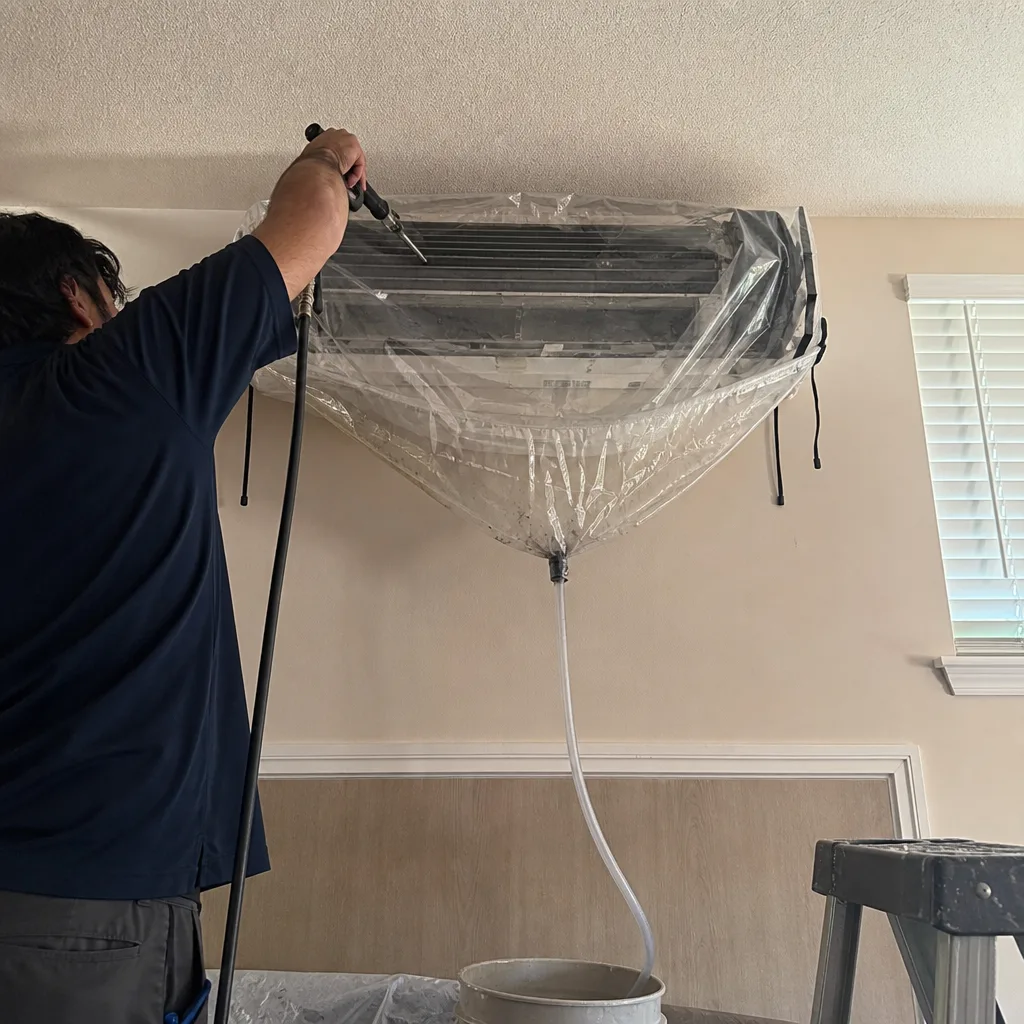
Hiring an air duct cleaning contractor in Austin requires active verification because the state provides none. Check NADCA membership at the source. Reject per-vent pricing and demand a flat, written system price. Require real photos of your actual ductwork, not marketing examples. Get a guarantee with terms, not a slogan. The contractors who pass this filter are the ones who have built their business on documentation rather than deception. Explore more guides & resources to protect your home investment. The ones who fail it are why the $79 coupon still exists.
Since 2013, CleanRun has served over 52,000 homes with a written price before every job and a documented photo record after. Our equipment roster includes Rotobrush, Nikro, and Abatement Technologies - brands you can verify independently. Every technician operates under the H.A.V.E.N. Standard, with background checks and uniformed identification. The 365-Day Done Right Promise is in writing on every job, not just in our marketing.
For a free estimate with upfront written pricing in Austin, call (737) 243-9544. We also offer a Free Second Opinion on any written estimate from a competitor - bring their quote, and we’ll put our number next to it in writing.
Written by Tomas Reyes, Owner at CleanRun Air Duct Cleaning Austin, serving Austin since 2013.