
Last updated September 23, 2026
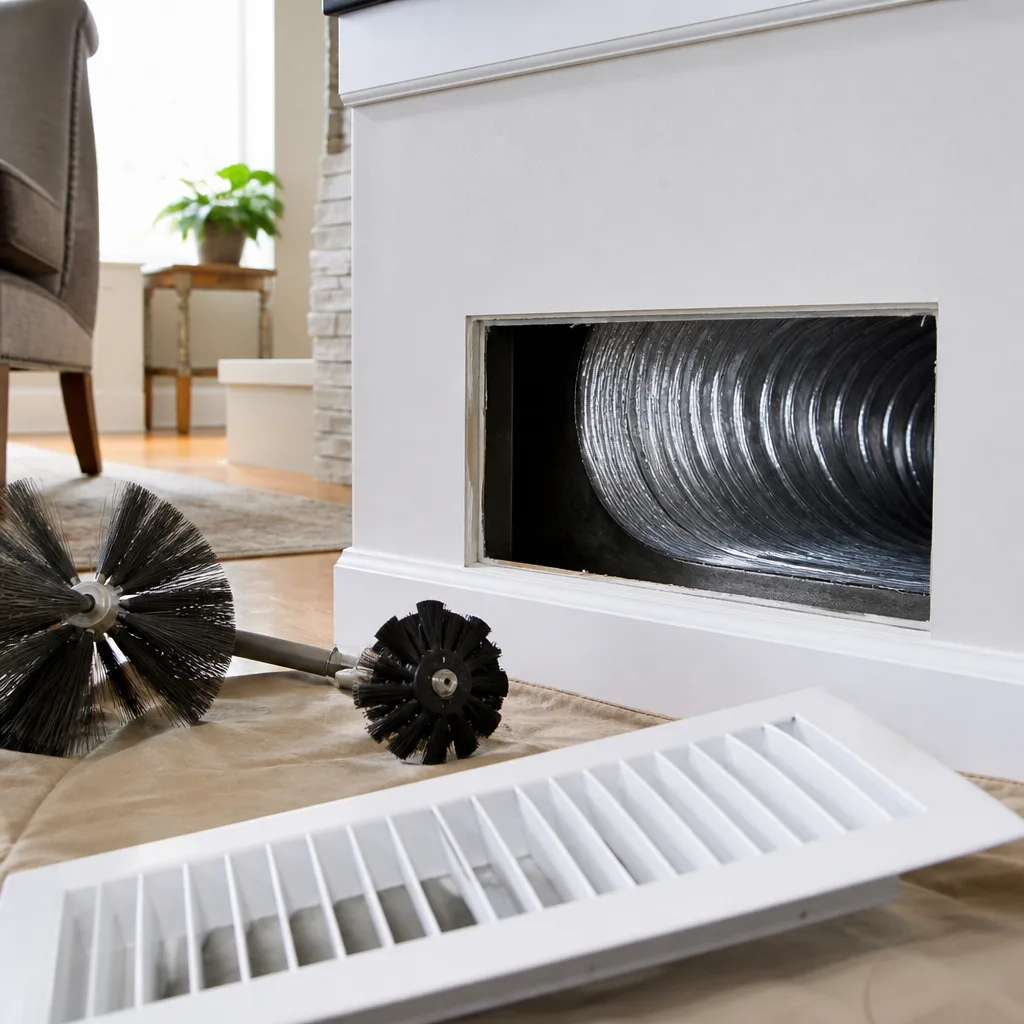
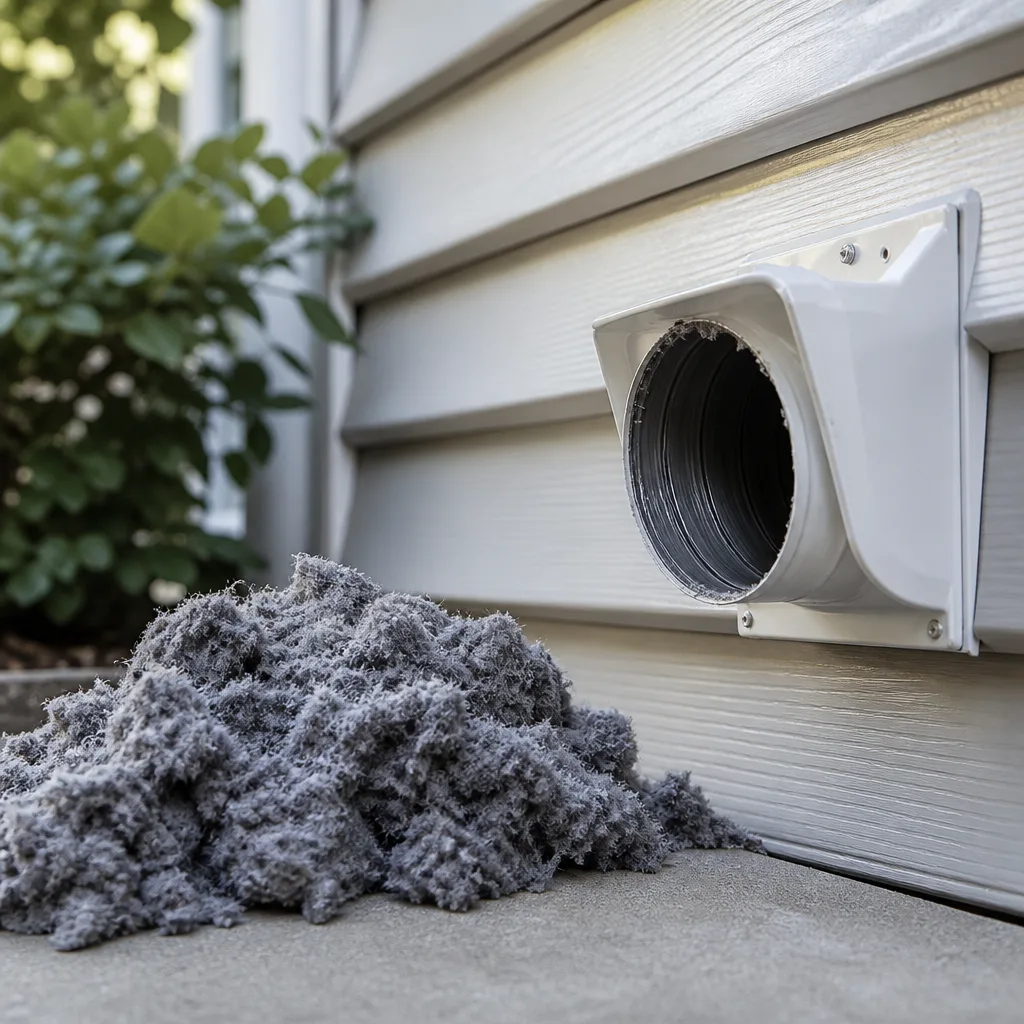
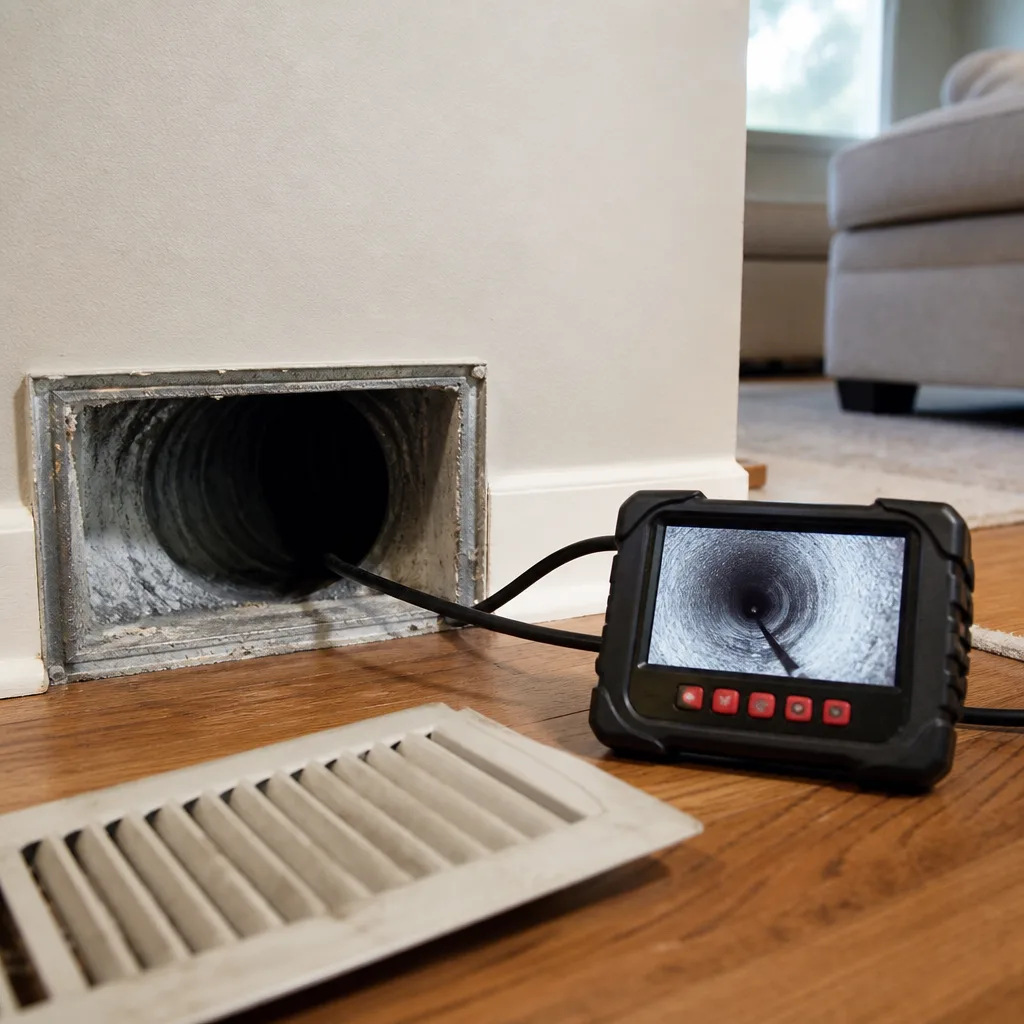
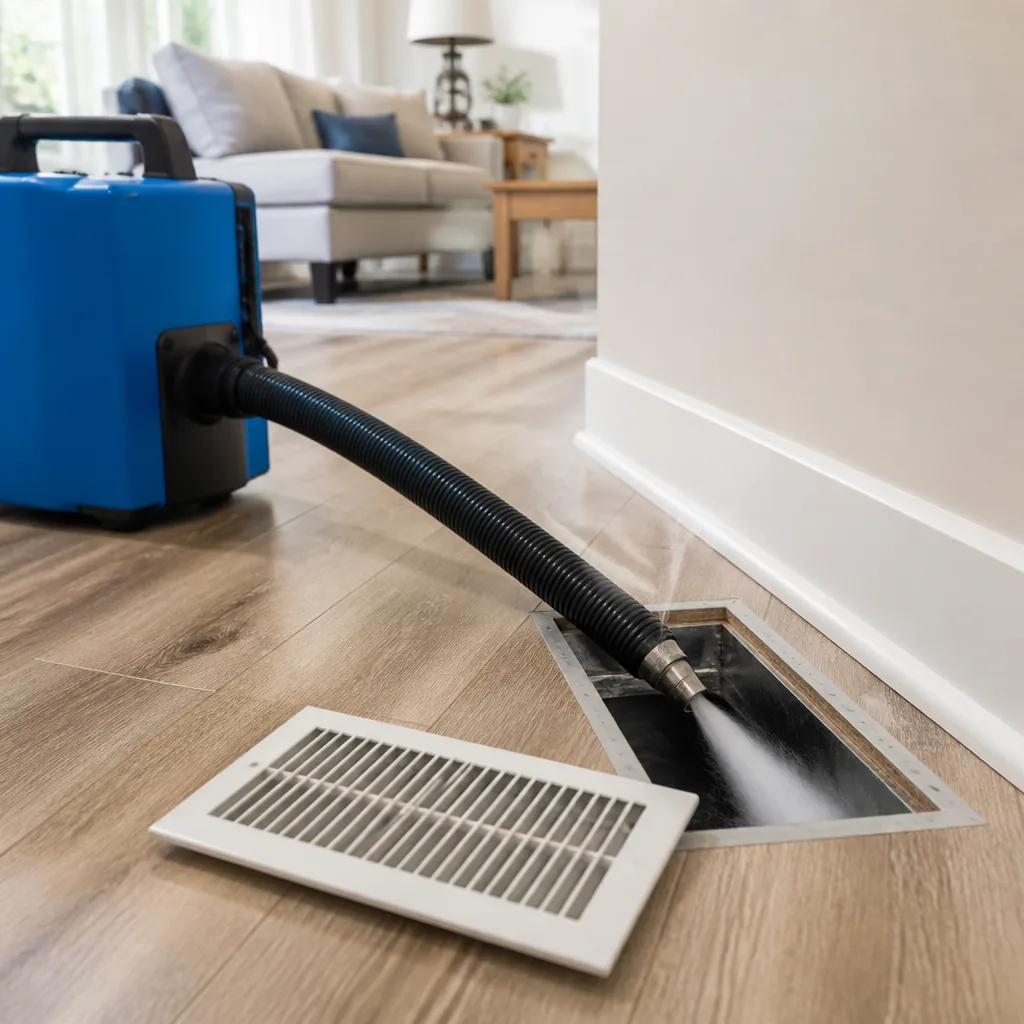
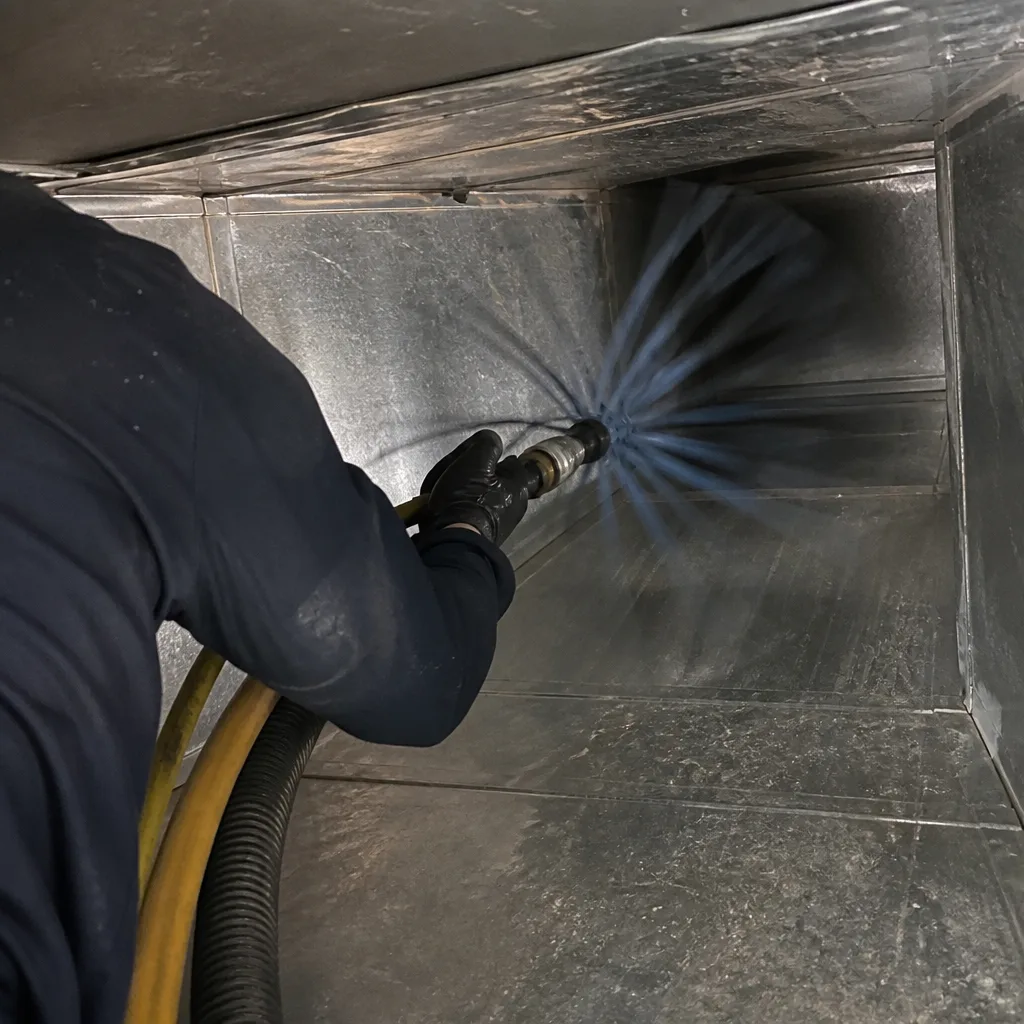
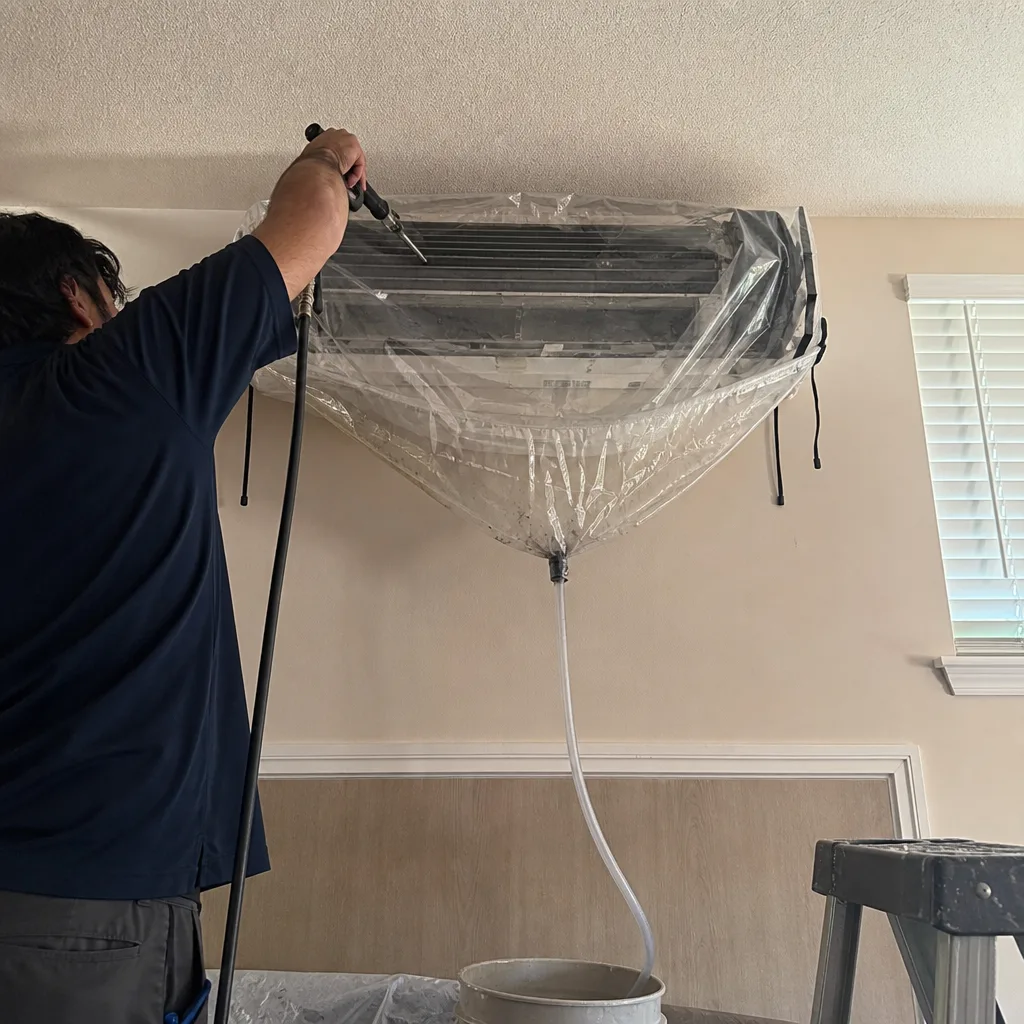
Whole-system duct and dryer vent check with before-and-after photos - you see exactly what came out of your vents
That "$99 whole-house special" is a bait ad - the real number appears once they are in your hallway, or the "clean" is a shop-vac at the register. We photograph the inside of your ducts before and after instead.
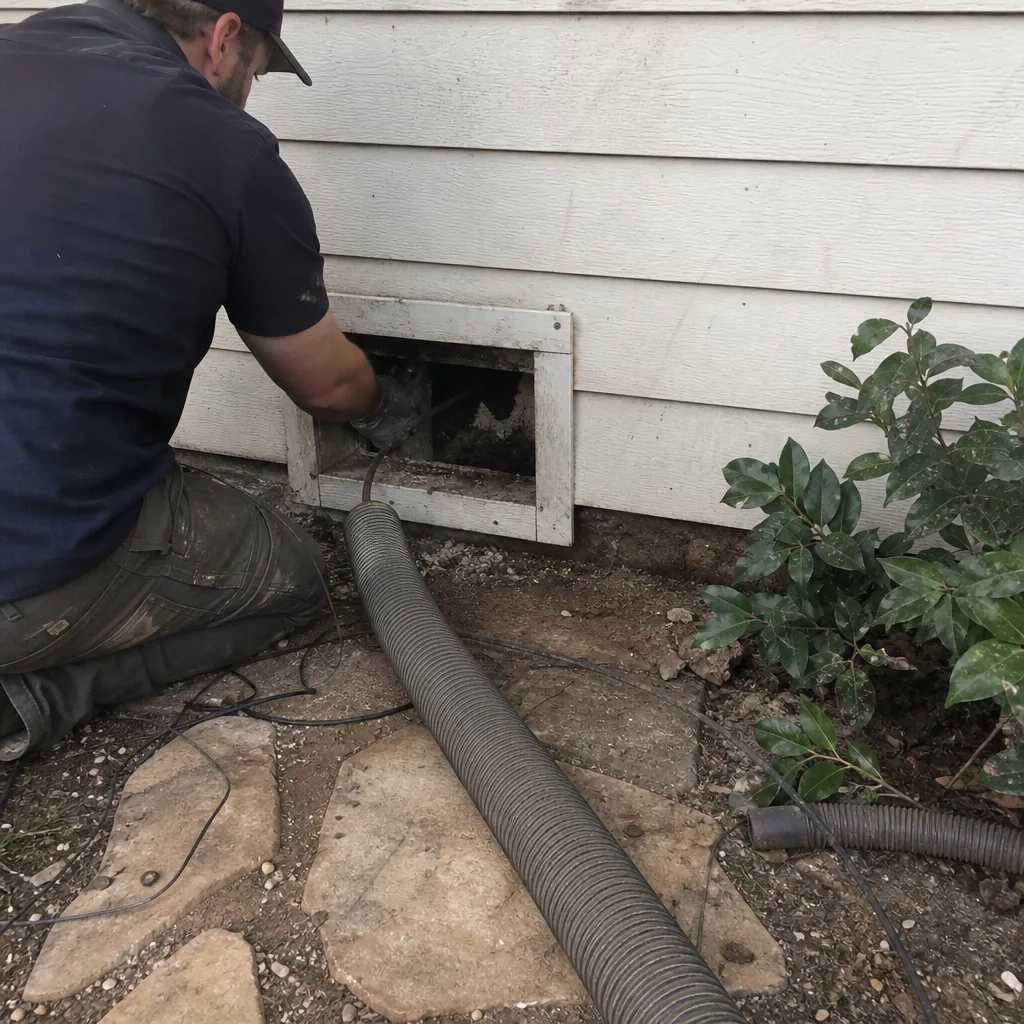 Before
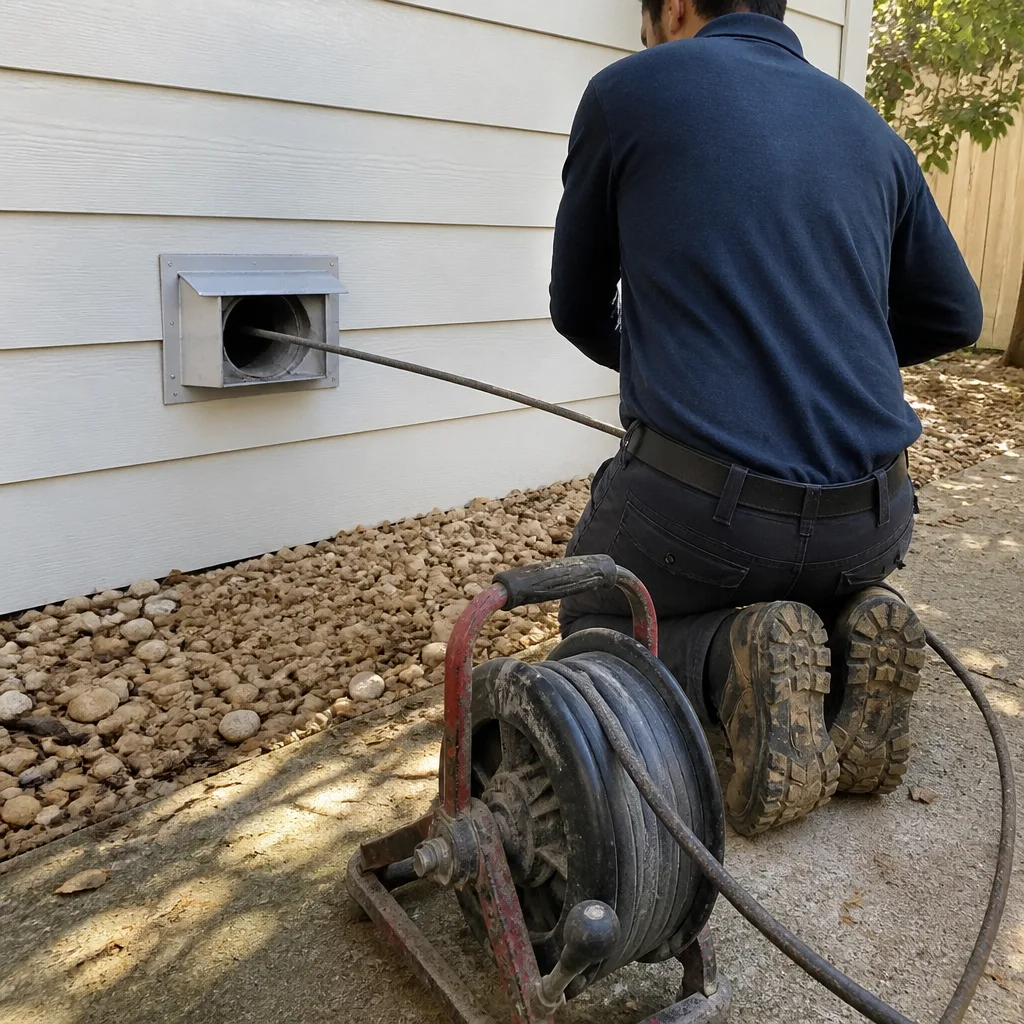 After
After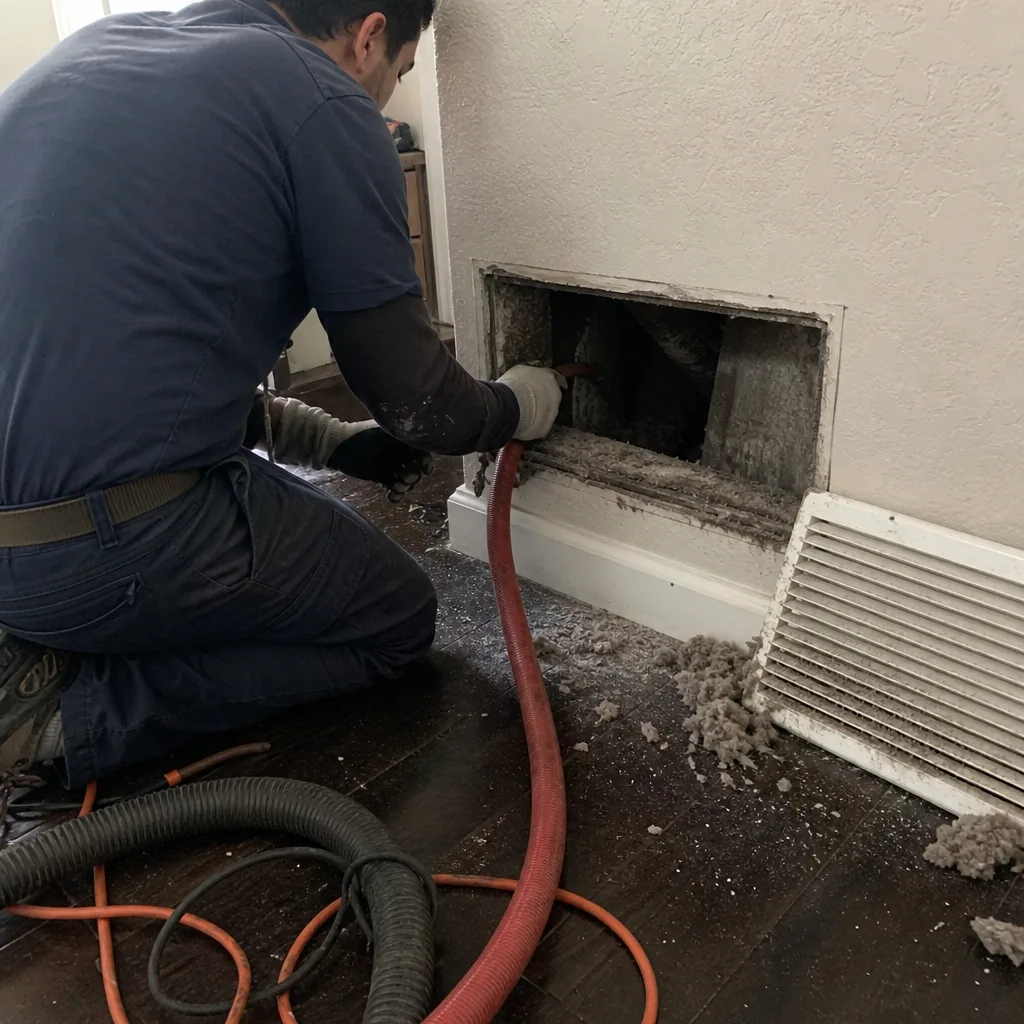 Before
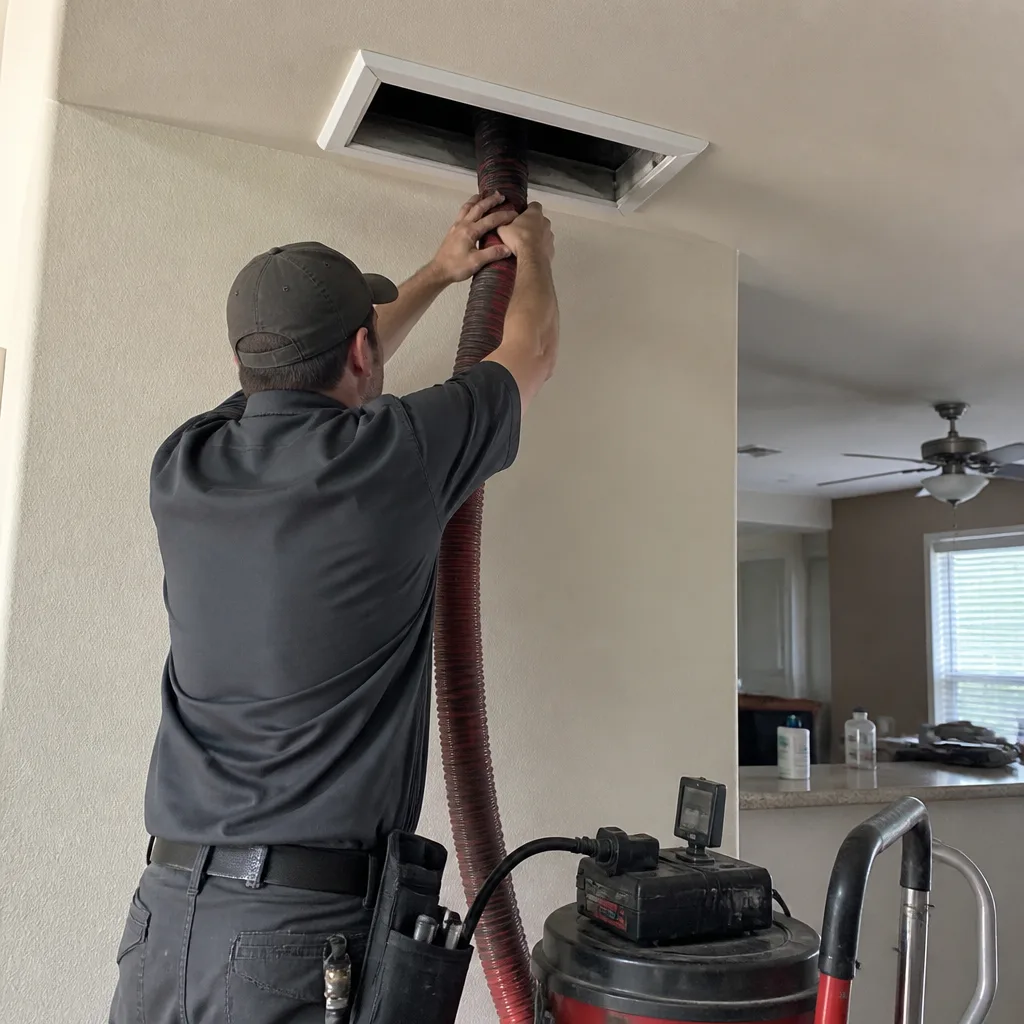 After
After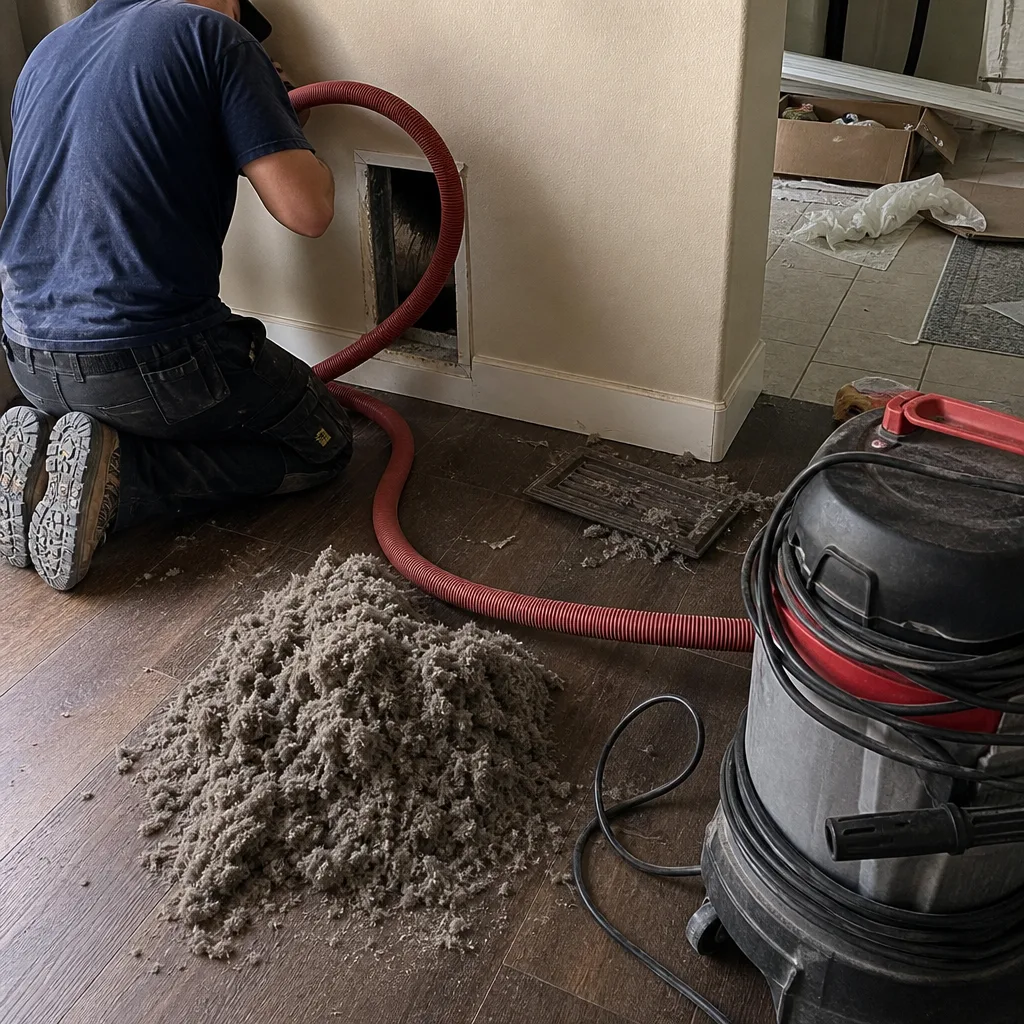 Before
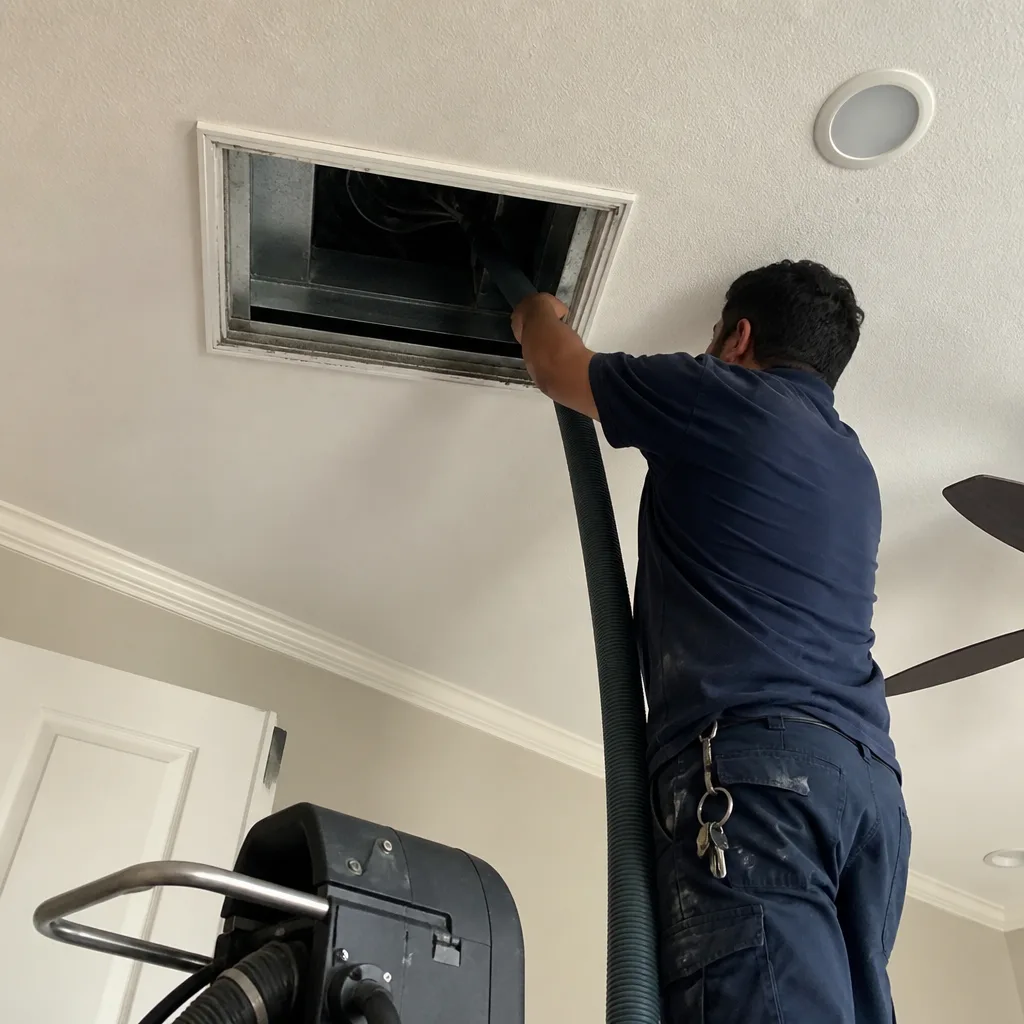 After
AfterSeasonal Air Duct Cleaning Care for Austin: Year-Round Homeowner’s Guide
Austin’s mountain cedar season deposits more allergenic particulate into residential ductwork than any other single event in the calendar year. Yet most homeowners schedule duct cleaning in spring, after the pollen load is already caked to interior duct walls and the damage is done. In our experience serving Austin since 2013, the homeowners who breathe easiest are the ones who align duct maintenance with what Austin weather actually does - not with a generic four-season template that doesn’t fit Central Texas. This guide maps each distinct Austin weather period to its specific stress on your duct system, gives you a month-by-month action calendar, and shows you when Air Duct Cleaning services deliver the highest return.
Quick Answer
Air duct cleaning in Austin should be scheduled after mountain cedar season ends in February but before the first sustained 90°F day, with a second maintenance window in October before cedar returns. For most Austin homes, this means professional cleaning every 18-24 months, with filter changes every 60 days during cedar season and monthly during peak cooling. The highest-value timing is late February through mid-March, when cedar debris is fresh and removable but hasn’t been baked into duct walls by summer attic temperatures.
Table of Contents
- Cedar Season (December-February): The Hidden Pollen Load
- Pre-Summer Cleaning Window (March-May): The Critical Timing
- The 100-Day Cooling Marathon (June-September): Attic Stress and Duct Sweat
- The Short Mild Window (October-November): Maintenance and Inspection
- Ice Storm Risk Period (January): Condensation and Flex Duct Damage
- Drought-and-Flood Patterns: Crawlspace vs. Slab-Edge Duct Runs
- Your 12-Month Austin Duct Care Calendar
- What Professional Duct Cleaning Costs in Austin
BeforeAfterCedar Season (December-February): The Hidden Pollen Load
Mountain cedar (Juniperus ashei) releases pollen from December through February in the Texas Hill Country, and prevailing northwesterly winds carry it directly into Austin’s urban core. This isn’t ordinary pollen. Cedar pollen grains are small enough to pass through standard fiberglass filters and accumulate inside duct runs, particularly at elbows and where flex duct sags between supports.
We’ve photographed the aftermath in homes from Tarrytown to Mueller. In February 2024, a camera inspection in a 2019-built home in East Austin showed a 2-inch buildup of gray-green material at the first elbow of the main return - the homeowner had changed filters monthly but never considered the interior duct walls. The pollen had combined with normal household dust to form a cohesive layer that standard airflow couldn’t dislodge.
What this means for your system:
- Standard 1-inch pleated filters capture roughly 60-70% of cedar pollen; the remainder enters the duct network
- Return duct runs (the large channels pulling air back to your HVAC unit) accumulate debris faster than supply runs because they’re under negative pressure, drawing in particulate from every register
- Once pollen adheres to duct walls, summer attic heat above 140°F bakes it into a hardened film that requires agitation equipment to remove
The practical response during cedar season is defensive, not curative. Upgrade to MERV 11-13 filters for these three months, but understand their limitation: they’ll load faster and restrict airflow if not changed every 30-45 days. Check your filter’s pressure drop monthly. If the filter appears gray or green at the pleat edges before the scheduled change date, the pollen load is higher than the filter’s capacity.
We do not recommend duct cleaning during active cedar season. The system will be re-contaminated within days. The correct sequence is: protect during December-February, then clean in late February or early March before the first sustained heat.
Pre-Summer Cleaning Window (March-May): The Critical Timing
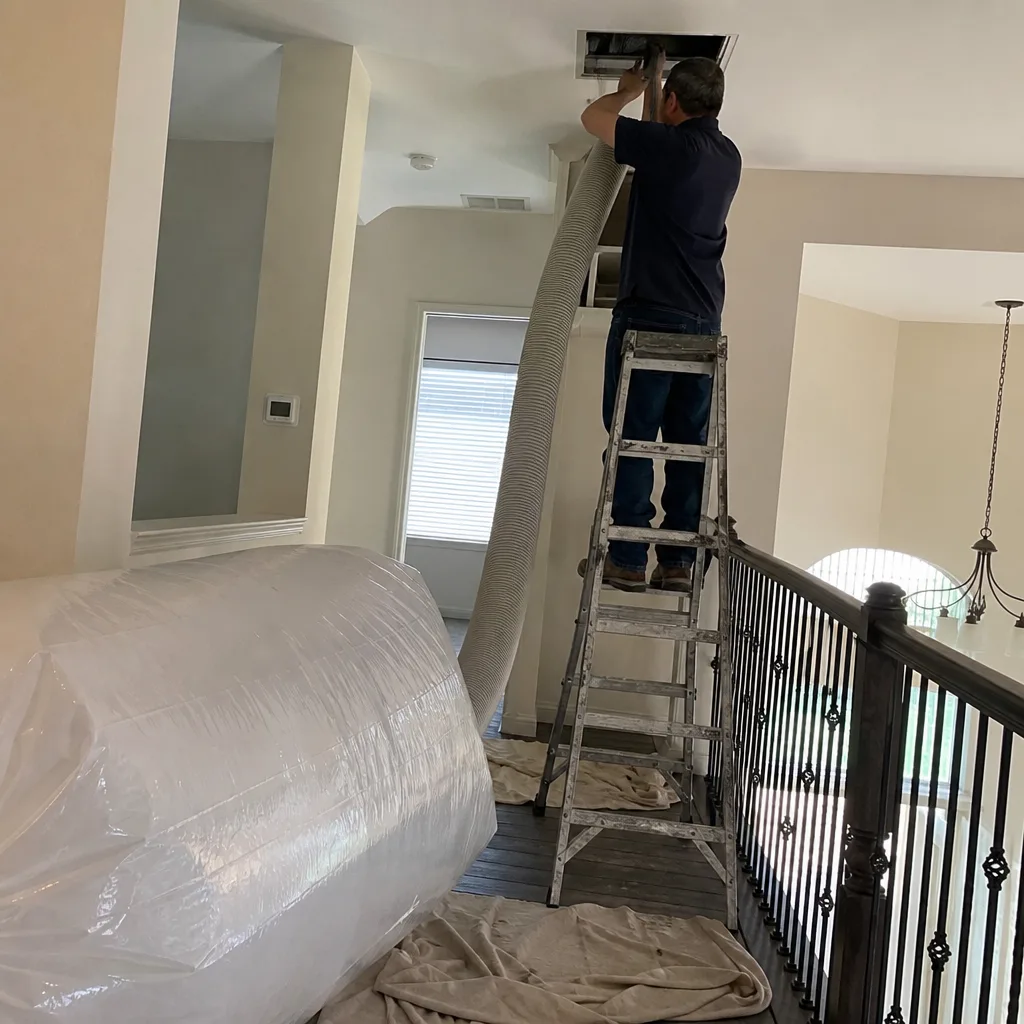
Late February through mid-March is the highest-value duct cleaning window in Austin. Cedar pollen has peaked but hasn’t been baked in. Attic temperatures are still moderate. Your first major AC cycle of the year hasn’t yet forced accumulated debris through supply registers and into living spaces.
This timing also precedes the period when Austin HVAC systems work hardest. From June through September, most central air units in Austin run 10-14 hours daily. Starting that marathon with clean ductwork reduces static pressure (the resistance your blower motor works against), which directly affects energy consumption and equipment lifespan.
Here’s the pre-summer task sequence we recommend:
- Schedule inspection by March 15. A camera inspection of key duct runs - particularly the main return and any runs serving bedrooms - shows whether cedar season loading warrants full cleaning or targeted maintenance.
- Replace all filters with standard pleated (MERV 8-10). The high-MERV cedar season filters have done their job; now you want balanced airflow for cooling season.
- Verify condensate drain clearance. Austin’s spring humidity (often 70-80% RH in April) tests drainage systems before peak load arrives.
- Check supply register airflow at each room. Reduced airflow at one register often indicates duct blockage or leakage at a joint upstream - both are easier to address before summer demand.
- Schedule professional cleaning if inspection shows debris buildup exceeding 1/8 inch on duct walls or visible pollen accumulation at elbows.
For homes in Westlake Hills, Barton Creek, and other areas with mature cedar stands nearby, we typically recommend annual inspection and cleaning on this schedule. For newer construction in East Austin or Mueller with less surrounding juniper, 18-24 month intervals are usually sufficient.
The Air Duct Cleaning in Austin service page details our full process, including the documented photo record you’ll receive.
The 100-Day Cooling Marathon (June-September): Attic Stress and Duct Sweat
Austin attic temperatures routinely exceed 140°F from late June through August. For ductwork running through that space, the thermal stress is continuous and severe. Metal ducts expand and contract daily. Flex duct insulation compresses over time. Mastic seals at joints degrade faster than in cooler climates.
More specific to Austin is “duct sweating” - condensation that forms on the exterior of cool supply ducts when humid attic air contacts the metal surface. This isn’t a minor cosmetic issue. Persistent moisture degrades duct lining, supports mold growth in fiberglass insulation, and can drip onto ceiling drywall. We’ve documented cases in Circle C Ranch and Steiner Ranch where duct sweating created visible ceiling stains before the homeowner connected it to HVAC performance.
Identifying duct sweating at supply registers:
- Look for moisture or dark staining around ceiling supply registers, particularly on humid mornings after overnight AC operation
- Feel for cool, damp air at the register face - not just cooled air, but air with excess humidity that suggests condensation upstream
- Check for musty odor when the system first cycles on, which can indicate moisture in duct insulation
The distinction matters for what you do next. Duct sweating is primarily an insulation and air-sealing problem, not a cleanliness problem. Adding R-8 insulation to exposed metal ducts or replacing degraded flex duct solves the moisture; cleaning doesn’t. However, if moisture has been present long enough to support microbial growth on interior duct walls, cleaning becomes necessary after the thermal issue is fixed.
During peak cooling, your maintenance focus should shift to:
- Monthly filter changes - the system is moving maximum air volume, loading filters faster
- Visual inspection of accessible ductwork in attic for insulation gaps or moisture stains
- Monitoring energy bills for unexplained increases that could indicate duct leakage forcing the system to work harder
We do not recommend scheduling duct cleaning during peak summer. Attic work is hazardous at extreme temperatures, and opening the system during maximum load can introduce contaminants when the blower is running hardest. If summer inspection reveals a problem, address it in September or October.
The Short Mild Window (October-November): Maintenance and Inspection
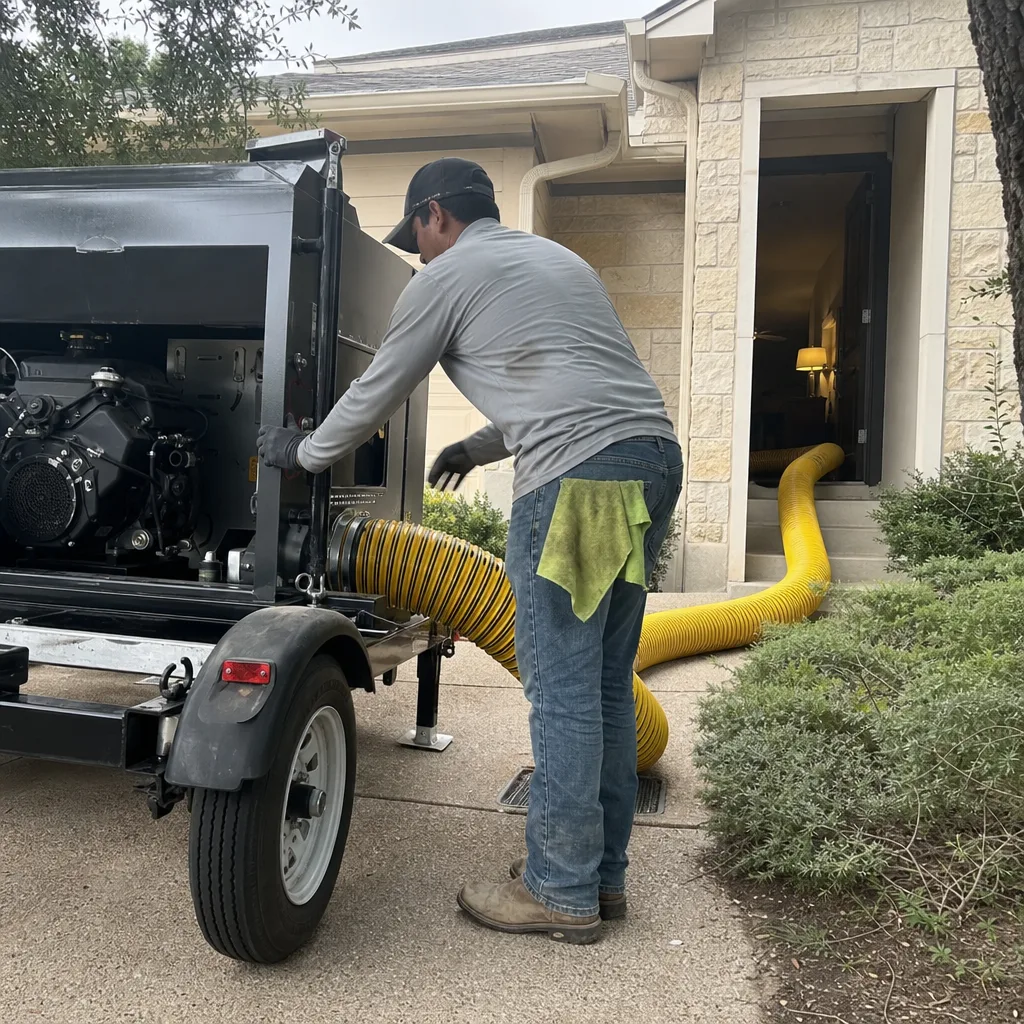
October and November are Austin’s most forgiving months for attic work. Daytime temperatures in the 70s mean technicians can inspect thoroughly without heat stress. The HVAC system has just completed its hardest work of the year, and any summer damage is fresh and visible.
This is the optimal second inspection window. We recommend it particularly for:
- Homes that skipped the spring cleaning window
- Properties with flex duct installed before 2015, when insulation standards were lower
- Any home where summer energy bills increased more than 15% year-over-year without rate changes
The October inspection should focus on different elements than the March review. Summer thermal stress reveals different problems:
- Check mastic seals at all visible joints. Thermal cycling cracks mastic; summer is when the damage occurs, fall is when it’s most visible.
- Inspect flex duct supports. Sagging flex duct from Tarrytown to Allandale often results from summer attic heat softening cable ties or straps.
- Evaluate insulation compression. R-6 or R-8 flex duct insulation that has been compressed by foot traffic or thermal degradation loses effectiveness; November replacement avoids winter heat loss and prepares for next summer.
- Camera inspection if summer humidity or duct sweating was suspected. Any moisture event leaves a signature on interior duct walls that’s identifiable months later.
October is also when we recommend dryer vent cleaning for Austin homes that use their dryers heavily during summer (towels, swimwear, increased laundry from outdoor activity). The Dryer Vent Cleaning in Austin page explains why this timing matters for fire safety heading into heating season.
Ice Storm Risk Period (January): Condensation and Flex Duct Damage
Austin’s ice events - most recently February 2021 and January 2023 - create a specific ductwork hazard that’s often overlooked: rapid temperature cycling. When power fails and homes drop to 40°F or below, then warm rapidly when power returns, condensation forms throughout the duct network. In unconditioned attics and crawlspaces, this moisture can freeze on duct exteriors, then thaw and penetrate insulation.
The flex duct common in Austin homes built 1985-2010 is particularly vulnerable. The plastic inner liner becomes brittle at low temperatures. We’ve found cracked flex duct in post-2021 inspections in neighborhoods from Crestview to Windsor Park where ice events caused physical damage that wasn’t discovered until summer, when the cracks leaked cooled air into attics and drove up energy costs.
Post-ice-event inspection checklist:
- Run the system and check airflow at every register; reduced flow at one location suggests duct separation
- Inspect visible attic ductwork for water stains on insulation or surrounding framing
- Listen for whistling or rushing air sounds at duct joints, which indicate leakage
- Schedule professional inspection if any register shows temperature variation more than 5°F from others in the same zone
January is not a cleaning month. It’s a damage-assessment month. Any cleaning scheduled after an ice event should wait until temperatures have stabilized and any moisture has dried, typically late February.
Drought-and-Flood Patterns: Crawlspace vs. Slab-Edge Duct Runs
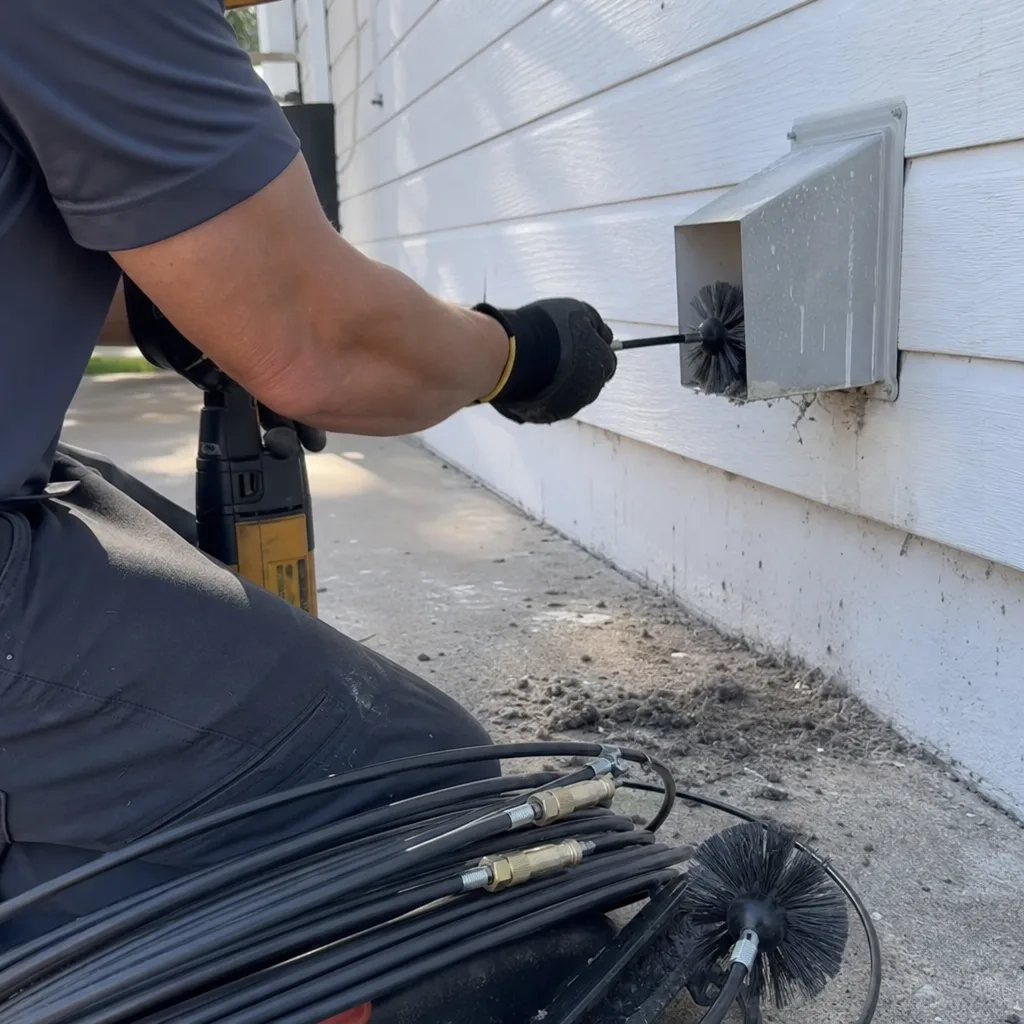
Most Austin duct cleaning discussion focuses on attic runs, and for good reason - they’re accessible and they dominate the network. But Austin’s clay soils and flash-flood rain pattern create distinct hazards for two often-neglected duct locations.
Crawlspace-adjacent ductwork: Homes in older Austin neighborhoods - Hyde Park, Clarksville, parts of Bouldin Creek - often have partial crawlspaces or pier-and-beam foundations with duct runs in the elevated space beneath. Austin’s drought-flood cycle causes extreme soil movement. During drought, piers settle; during flood, moisture rises through soil and evaporates into crawlspace air. Ductwork in these spaces experiences:
- Physical stress from foundation movement, particularly at joints between rigid and flex sections
- Elevated humidity exposure that degrades exterior insulation
- Rodent access - we’ve removed nesting material from crawlspace ducts in central Austin homes where foundation gaps created entry points
Slab-edge duct runs: Post-1960s slab construction often places ductwork in the concrete perimeter, particularly in ranch-style homes common in Allandale, Brentwood, and Rosedale. These “slab ducts” are inaccessible for visual inspection and difficult to clean with standard methods. Austin’s expansive clay soil creates a specific problem: soil movement cracks the concrete envelope, allowing groundwater intrusion during heavy rain events. We’ve encountered slab ducts with standing water after 2015 and 2018 flood events - water that must be extracted before any cleaning or sealing work.
The practical implication: if your home has crawlspace or slab-edge ductwork, your inspection and maintenance needs differ from attic-only systems. Camera inspection of accessible sections is more critical. Negative-pressure extraction equipment (the system that pulls debris from ductwork using controlled suction) must be matched to the duct type - Rotobrush agitation tools that work well in rigid attic ducts can damage older flex in crawlspaces.
For homes with mixed duct types, we specify equipment by location: Rotobrush for accessible rigid sections, Nikro HEPA-contained systems for flex and crawlspace work. The HVAC Cleaning in Austin page details how we match equipment to duct configuration.
Your 12-Month Austin Duct Care Calendar
| Month | Action | Priority |
|---|---|---|
| January | Post-ice-event inspection if applicable; high-MERV filter install | High if ice event; Medium otherwise |
| February | Final cedar-season filter change; schedule professional inspection for late month | High |
| March | Professional cleaning window opens; replace to standard pleated filters | High - optimal timing |
| April | Condensate drain check; verify supply register airflow | Medium |
| May | Final pre-summer filter change; attic duct visual inspection if accessible | Medium |
| June | Monitor for duct sweating at registers; monthly filter changes begin | Medium |
| July | Monthly filter change; energy bill comparison | Medium |
| August | Monthly filter change; note any performance concerns for fall inspection | Medium |
| September | Monthly filter change; begin scheduling fall inspection | Medium |
| October | Professional inspection window; dryer vent cleaning; evaluate summer damage | High - second optimal timing |
| November | Address any October findings; insulation repairs before heating season | Medium |
| December | Install high-MERV filters; begin cedar season protection | Medium |
This calendar assumes a typical Austin home with attic ductwork and no active problems. Homes with crawlspace ducts, slab-edge runs, or post-ice-event damage should add inspection steps accordingly.
What Professional Duct Cleaning Costs in Austin
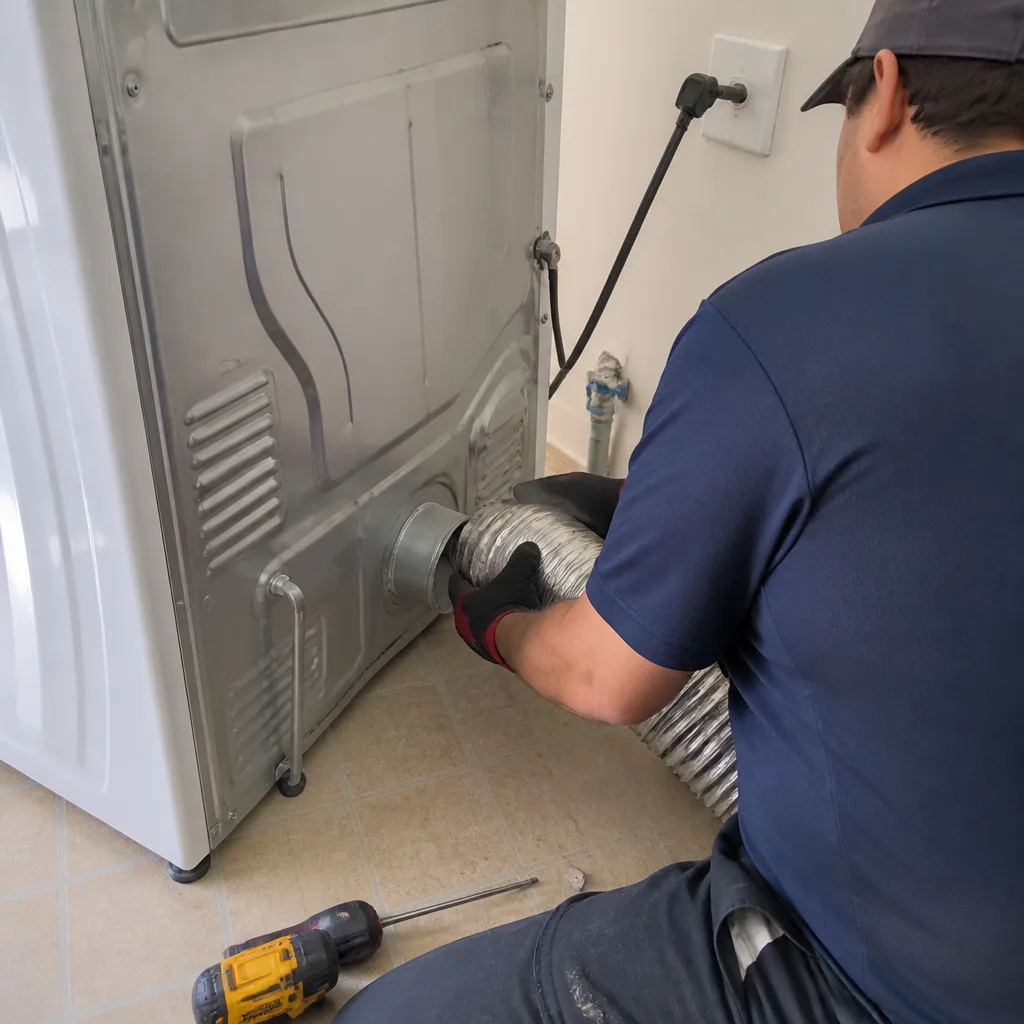
For a detailed look at what drives these numbers, see our Air Duct Cleaning Cost Breakdown: The Austin Homeowner’s Reference for 2026. Whole-system duct cleaning for a typical Austin home (1,800-2,800 square feet, single HVAC unit, attic ductwork) ranges from $450 to $850. This includes all supply and return duct runs, the plenum (the distribution box connected to your air handler), and register covers. Homes with multiple systems, extensive flex duct, or slab-edge runs requiring specialized access fall at the higher end.
What that price should include:
- Written scope and price before work begins - Haven Standard Clause 1
- Documented photo record of every duct run, before and after, delivered as part of the job record
- Negative-pressure extraction with HEPA filtration on the vacuum exhaust
- Register and grille cleaning
- Post-cleaning airflow verification
What honest pricing does not include: per-vent surcharges, “sanitizing” upsells without demonstrated need, or equipment access fees. The bait-and-switch model - advertising $79 and invoicing $600 - relies on these add-ons. CleanRun’s written price is the full price for the agreed scope.
We also offer a Free Second Opinion on any written estimate from another provider. Bring the quote; we put our number next to it in writing.
The 365-Day Done Right Promise applies to every job: if the work is not right, we make it right. This is backed in writing, not stated as a policy subject to manager approval.
Common Mistakes to Avoid
- Scheduling cleaning during active cedar season. You’ll pay for work that is re-contaminated within days. Wait for the late February window when pollen has peaked but hasn’t baked in.
- Ignoring duct sweating as “just humidity.” Persistent condensation at registers indicates an insulation or air-sealing failure that cleaning alone won’t fix. The moisture source must be addressed first.
- Assuming new construction means clean ducts. We’ve found construction debris - drywall dust, wood shavings, even fast-food wrappers - in Austin homes built 2020-2024. The “new home” smell is often off-gassing from materials trapped in the duct system.
- Using the cheapest filter that fits. During cedar season, fiberglass panel filters are nearly useless. The $3 saved per filter costs far more in accelerated duct contamination and HVAC wear.
- Neglecting crawlspace or slab-edge runs. These locations are out of sight but often the first to fail in Austin’s soil conditions. Ask your technician specifically about non-attic ductwork.
- Accepting verbal estimates. Without a written scope, you cannot verify what was agreed to or hold the provider accountable. Haven Standard Clause 1 exists for this reason.
- Waiting for visible dust at registers. By the time debris exits at registers, the duct system is heavily loaded. Camera inspection catches buildup before it becomes visible output.
When to Call a Professional
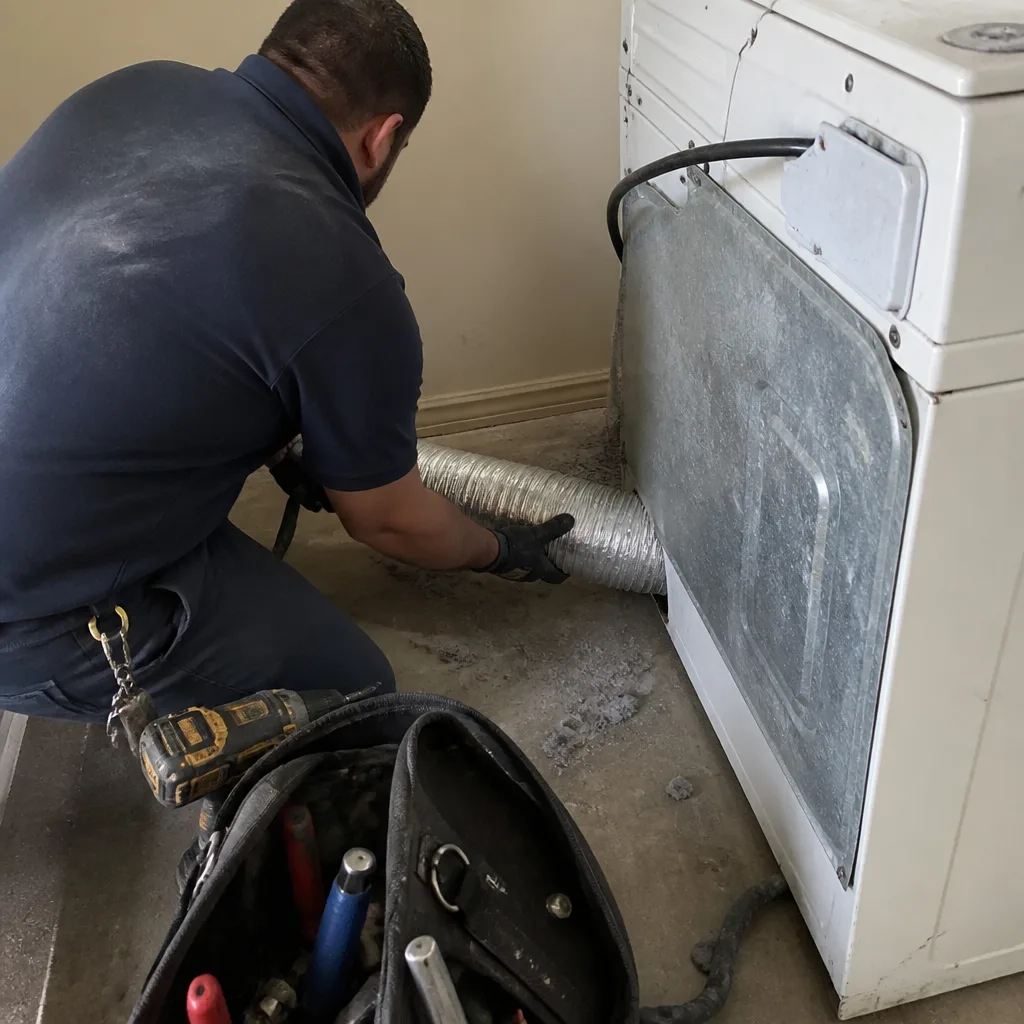
Call for inspection - not necessarily full cleaning - when you notice reduced airflow at any register, musty odors when the system cycles, visible debris around register edges, or energy bills that increase without corresponding rate changes or usage changes. After any Austin ice event, professional inspection of accessible ductwork is prudent even if no obvious symptoms appear; thermal damage often manifests months later as leakage or separation.
CleanRun Air Duct Cleaning Austin offers free estimates in Austin. Every estimate includes a written scope and price before any work begins, and every job concludes with a Documented Photo Record of every duct run. Our technicians are background-checked, uniformed, and identified by name before arrival under Haven Standard Clause 3: Verified Crews. Call (737) 243-9544 to schedule.
Frequently Asked Questions
Whole-system cleaning for a typical Austin home ranges from $450 to $850 for a single HVAC system, depending on home size, duct accessibility, and whether specialized equipment is needed for flex or slab-edge runs. The price should be provided in writing before work starts and should include all duct runs, the plenum, register cleaning, and a documented photo record. Call (737) 243-9544 for a written estimate at no cost.
Low advertised prices - often $79 to $149 - typically cover only a visual inspection or limited register cleaning, with substantial upsells once the technician is in your home. The full scope that an honest $450-$850 quote covers would cost $600-$1,200+ under the bait-and-switch model. Always ask for a written scope that specifies the number of duct runs included and whether the plenum and registers are covered.
Demand a documented photo record showing the interior of each duct run before and after cleaning. CleanRun includes this as standard on every job; the photos are delivered as part of the job record, not held as a separate purchase. Without photographic evidence, you have no verification that agitation and extraction occurred throughout the system.
For most Austin homes, every 18-24 months is sufficient if you maintain regular filter changes. Homes near dense cedar stands, properties with ongoing construction dust, or homes with pets that shed heavily may need annual cleaning. The correct interval is determined by camera inspection, not by calendar alone.
Consumer-grade vacuums and brush kits cannot generate the negative pressure or reach the full duct network. More importantly, disturbing debris without contained extraction can release concentrated particulate into your living space. For the main duct runs and plenum, professional equipment and containment are necessary. You can and should clean register covers and the first few inches of visible duct behind them, but this is surface maintenance, not system cleaning.
Moderately, and only when ductwork is actually obstructed. A 2023 Department of Energy study found that cleaning heavily debris-loaded ducts reduced system static pressure by 10-15%, which translates to modest energy savings. The larger efficiency gains in Austin come from sealing duct leaks - particularly in attic runs where 140°F air infiltration forces your cooling system to work harder. Cleaning and sealing together address both obstruction and leakage.
The Bottom Line
Austin’s weather doesn’t follow a four-season template, and your duct maintenance shouldn’t either. Cedar season loads your system with allergenic particulate that baking summer heat locks in place. The 100-day cooling marathon stresses attic ductwork thermally and creates condensation hazards. Ice events damage flex duct physically. Align professional cleaning with late February and October windows, protect aggressively during cedar season with proper filtration, and inspect after any extreme weather event. For a complete task-by-task breakdown, download our Air Duct Cleaning Maintenance Checklist for Austin Homeowners. The homeowners who breathe cleanest in Austin are the ones who match their maintenance to what the climate actually does.
CleanRun Air Duct Cleaning Austin has served Austin homeowners since 2013 with written prices before every job, documented photo records on every visit, and the 365-Day Done Right Promise backed in writing. Explore more guides & resources on keeping your home’s air clean. All technicians operate under the H.A.V.E.N. Standard with background verification and published licensing. Equipment includes Rotobrush, Nikro, Abatement Technologies, and Guardsman systems - brands you can verify independently.
Written by Tomas Reyes, Owner at CleanRun Air Duct Cleaning Austin, serving Austin since 2013.